
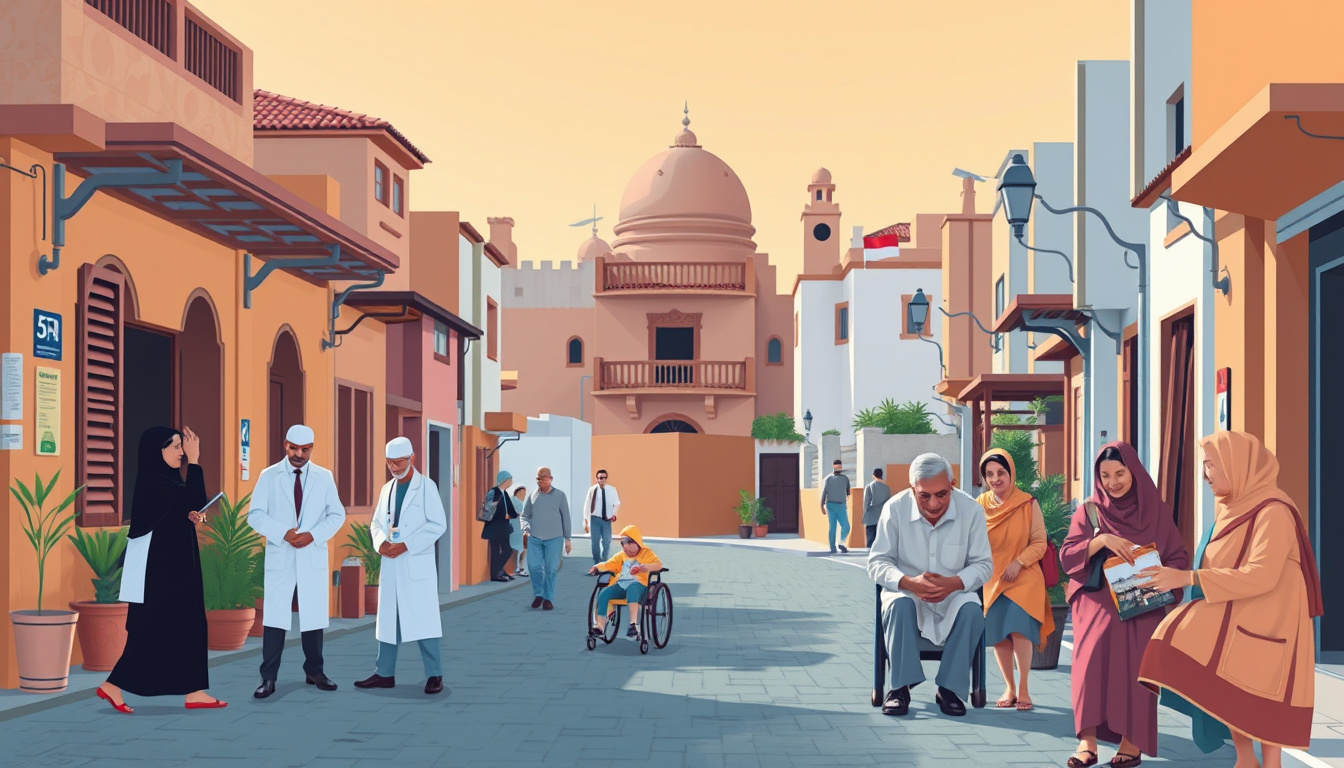
As Egypt experiences a notable demographic shift with a growing elderly population, it faces significant challenges in ensuring adequate social protection for its citizens aged 60 and above.
Currently, approximately
10.2 million Egyptians fall within this age group, a figure expected to rise dramatically in the coming decades.
Despite several government initiatives aimed at providing financial support and healthcare access, many older individuals find themselves with insufficient resources to maintain a dignified quality of life.
This article explores the current social protection systems in Egypt for the elderly, highlights the challenges faced, and offers recommendations for improvement.
Key Takeaways
- Egypt’s aging population has increased significantly, yet social protections such as pensions are inadequate.
- Many older Egyptians find that pension benefits are insufficient to cover the costs of a dignified life.
- Efforts to reform social protection systems are underway, but eligibility and payment amounts must be improved to effectively support the elderly.
Current Social Protection Systems in Egypt for the Elderly
As Egypt faces a growing elderly population, currently estimated at about
10.2 million individuals aged 60 and older, the effectiveness and reach of its social protection systems are under increasing scrutiny.
These systems, primarily designed to provide financial support and healthcare services, are perceived to be modest and unevenly accessible.
Reports suggest that many retirees find their pensions insufficient to cover the costs associated with a dignified life in retirement.
With projections indicating that the proportion of the elderly will rise to roughly 14% of the population by 2050, addressing these gaps in social security has become increasingly urgent.
The government has implemented various measures, such as increasing the minimum pension to EGP 1,755 (approximately USD 31) monthly, and introducing a 15 percent hike for existing pensions, aimed at supporting approximately 1
1.5 million recipients.
However, critics argue that these efforts are far from adequate.
Additionally, the tightening of eligibility criteria and the disparity between benefits promised and those delivered raise concerns about the future of older Egyptians and their access to essential services.
Thus, while strides have been made toward improving social safety nets, a significant level of reform is required to ensure that the rights and needs of the elderly population are adequately met.
Challenges and Recommendations for Improvement
As Egypt grapples with a rapidly growing population of older adults, currently estimated at
10.2 million individuals aged 60 and above, significant challenges in social protection and pension schemes have surfaced.
Despite recent governmental initiatives designed to provide financial support and health benefits, many retirees express concerns over the adequacy of these measures.
Pensions, being the primary source of income for approximately
11.5 million older Egyptians, are insufficient against the backdrop of rising living costs.
The minimum pension, recently adjusted to EGP 1,755 (USD 31) monthly, along with a 15 percent bonus for existing retirees, falls short when compared to the minimum wage for public-sector employees.
Experts argue that the eligibility criteria for these benefits are becoming increasingly restrictive, and several promised reforms seem to exist only in theory.
Consequently, to mitigate the underlying issues and enhance the quality of life for its aging populace, there is an urgent need for a comprehensive review of the current pension system, ensuring sustainable and equitable support that aligns with the real costs of living during retirement.