
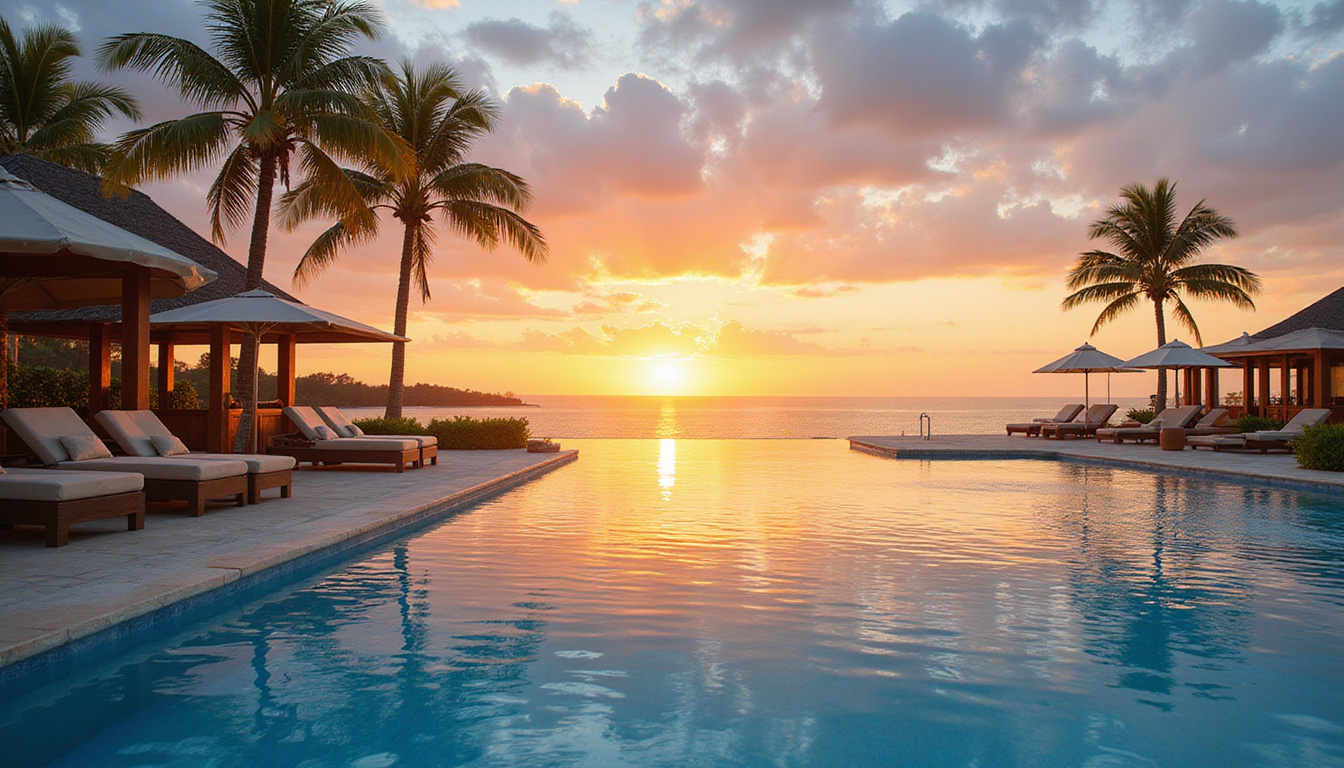
Luxury beach hotels give you more than a bed. They bring sea, sky, and sand into a warm, high-end space. Many hotels call themselves luxury, but which fits your style, needs, and cost? This guide shows you key points so you can choose your own oceanfront escape. Perhaps you want a quiet retreat, a family trip, a healing break, or a long-set dream vacation.
1. Know your “why”: What does luxury mean to you?
Before you look at many photos, think of what you need from a luxury beach hotel. Luxury can mean different things for each person. Knowing your own plan will help you choose faster.
Ask yourself:
- Do you need complete privacy or a lively place?
- Do you prefer relaxed, boho style or a formal, classic feel?
- Is your mind on rest (spas, yoga, food that is good for you) or on thrills (diving, surfing, sailing)?
- Would you like a large suite or a modest room that brings great care?
Types of luxury beach stays include:
- Romantic spots: No kids, private villas, candlelit dinners on the sand, and special room service.
- Family hotels: Kids’ clubs, rooms for families, safe shallow water, and guided fun.
- Wellness escapes: Menus for clean eating, daily yoga, and quiet pavilions with an ocean view.
- Adventure spots: Easy access to reefs, surfing areas, kite surfing spots, or boat rides.
- Cultural hubs: Beach hotels near old towns, local shops, and historic spots.
Clear your “why” and match that with the hotel that meets your view of a perfect break.
2. Coastlines and settings: Finding the right place
Not every coast gives the same scene. Where you go shapes the kind of luxury and fun you get.
Consider the beach and sea type:
- Soft white sand and calm blue water (for example, in the Maldives or some Caribbean spots): Best for swimming, resting, and taking pictures.
- Rocky shores and strong waves (as seen in parts of Portugal, Bali, or the Pacific): Great for surfing and watching sunsets.
- Coral and sea creatures (for example, in the Red Sea or some places in the Indian Ocean): Best for diving and snorkeling.
- City beaches (like Miami, Dubai, or Barcelona): Mix of beach life with night spots, shops, and cafes.
Before you plan, check the weather, rain periods, and storm risks. In some places, hotel rates drop outside the busy time, but rain and rough seas might come.
- Look at average air and water temperatures and rain.
- See if the high season crowd fits your wish for calm.
You can use a trusted travel site for clear travel charts and best months to visit.
3. Beach front or “near the beach”? Read the small print
Some hotels call themselves ‘luxury beach hotels’ even if the sand is not right outside your door.
Ask these questions:
- Is the hotel right on the ocean?
A “beach access” sign may mean a 10–15 minute walk or a short ride. - Is the beach private, half-private, or open to all?
Private shores are quiet but may feel cut off. - What is the beach like?
Check sand texture, how clean it is, how many people are there, and if there is nearby work. - Is the sea safe for a swim?
See if the water moves too quickly, or if there are trained lifeguards.
Online map views and guest photos can show you more than polished hotel images.
4. Rooms and views: Where luxury shows
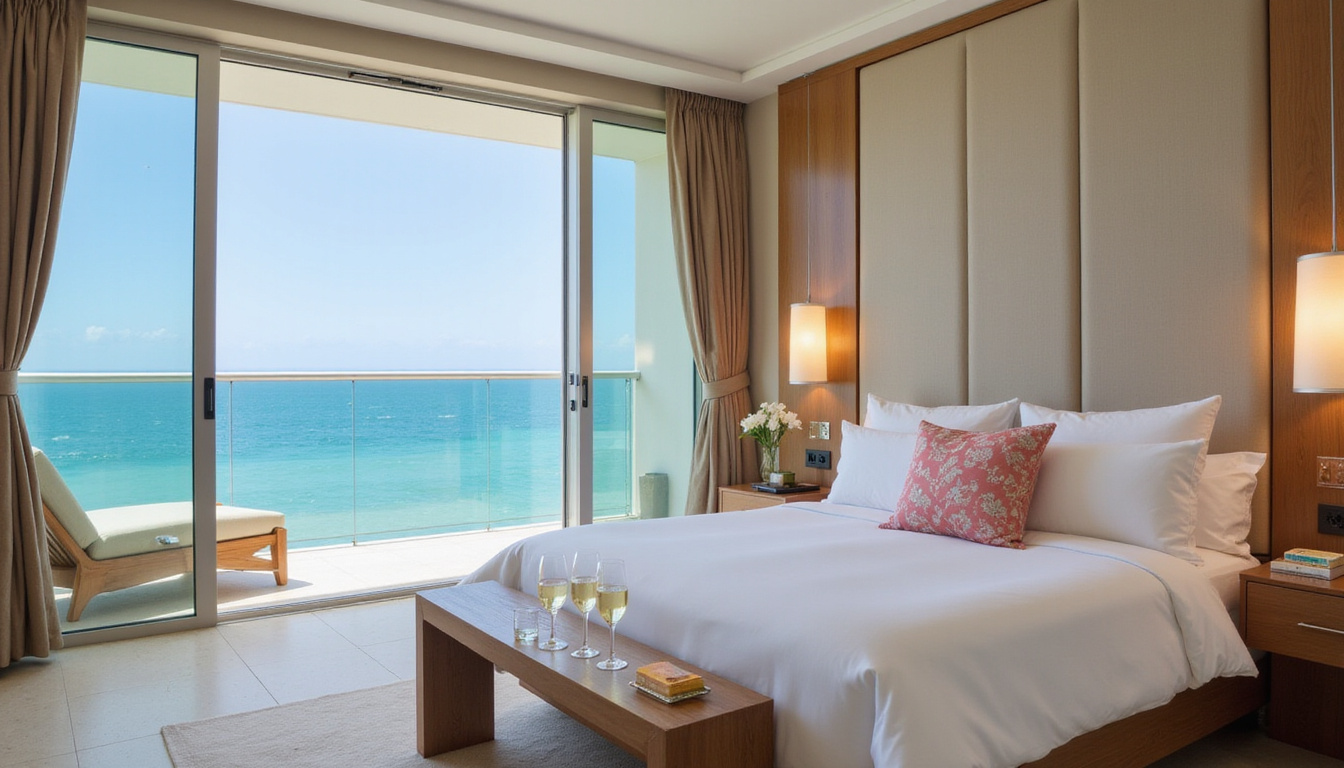
The room you choose makes a big difference. A garden view or a room above the water does more than show a view—it affects privacy, noise, and ease of use.
Compare these features:
- View and closeness to the sea:
- Oceanfront: Faces the sea and often costs more.
- Ocean view: Shows parts of water; sometimes trees or walls block part of it.
- Garden or resort view: Costs less but does not wake you with the sea.
- Rooms with outdoor space:
Look for balconies, terraces, small pools, outdoor showers, hammocks, or daybeds. - Sound and quiet:
Rooms near pools, bars, or restaurants can be noisy. Rooms set apart from others tend to be quiet. - Size and plan:
Suites with a living room suit families; open designs may work well for couples.
If you can spend a bit more on one room, pick the best one. You will live in it most of your stay.
5. Service and extras: How quality shows
Soft sheets feel good, but the service defines a true luxury hotel. A kind and steady service and small extra touches make a stay stand out.
Check for:
- How they serve:
- Do you get careful service without being bothered?
- Is room service on call 24 hours?
- Do you get a personal assistant or a travel helper?
- Places to eat:
- Does the hotel have several places to dine?
- Can you taste fresh seafood, local recipes, or meals for special diets?
- Is there dining right on the beach or on a floating platform?
- Wellness and sports:
- Look for an oceanview spa with true care in its treatments.
- Is there a gym, yoga spots, and water sports gear (kayaks, paddle boards, snorkeling sets) that may come with your stay?
- Family perks (if you need them):
- Is there a kids’ club, babysitting, a pool for kids, or menus for them?
- Tech and ease:
- Is the Wi-Fi strong even near the pool or by the beach?
- Do rooms have coffee makers, speakers, and smart TVs?
Look for guest stories that mention staff names. Often, guests share how a kind face made their day.
6. Food, drink, and plan types: The taste of the stay
Drinks at sunset and long beachside brunches form a large part of a beach escape.
Types of plan include:
- All-in plans:
- Help you keep the cost steady with meals, drinks, and some activities in the price.
- May give you several themed restaurants, from fine dining to casual grills.
- Pay-as-you-go stays:
- Let you try food outside the hotel if you wish.
- Can add up if you order many drinks or special dishes.
Think of your habits:
- If you like a cocktail here and there and many food choices, an all-in plan can work well.
- If you eat lightly and want to see the town, a room-only plan may stick better to your budget.
See if the hotel shows its use of local food. This often means a hotel stays in step with modern taste.
7. Spending smart: What makes the price tag vary
Not every costly hotel gives the same value. Knowing how prices work helps you make a good deal.
Main parts that make the price:
- The place and its exclusivity
Well-known islands or busy spots naturally have higher rates. - The time you visit
- When many travel, like school breaks, holidays, or festivals, rates go up.
- In the quieter months, you may find better costs.
- The room type
Rooms with overwater views or private pools cost extra. - What comes with the stay
Extras like transfers, meals, or spa credits can add value.
Tips to save:
- Try to travel during the quieter months to save money while still having good weather.
- Think of a mix: spend some nights in a high-end room and others in a simpler one.
- Look at special deals that include transfers, meals, or some fun activity.
- Compare direct bookings with those from trusted travel sites. Sometimes these bring extra perks like late check-out or spa credits.
8. Read reviews: Look beyond the words
Guest reviews can help you judge the hotel well. Look for notes on more than just clean rooms. Look for steady care and true quality.
When you read reviews:
- Check the latest ones. New management or updates may change things.
- Notice repeated topics: Do many guests mention the same positives or negatives about service, food, or the beach?
- Pay attention to guest photos instead of just hotel images.
- See how the hotel replies when a guest has a problem. Quick and clear replies can mean the hotel takes care.
Even top hotels may have small issues. How they fix these is what counts.
9. Safety, care for nature, and local ties
Today, true luxury means care for safety and the land.
Safety first:
- See if a life guard watches the beach and if the hotel speaks clearly about tides.
- Look at recent comments on how they keep the hotel clean and safe.
- Check if the beach and room have measures like secure access and safes.
Caring for nature:
Many luxury beach hotels now:
- Build with nature-friendly material and use low-energy systems.
- Cut back on single-use items and help preserve the beach and reefs.
- Work with local people in hiring, food, and local activities.
If these issues matter to you, check for eco or nature-friendly marks on the hotel website.
Local life:
A luxury stay that connects with its place often feels more true. Hotels may give:
- Cooking classes, market trips, or small village tours.
- Local art shows or small cultural events.
- Help in seeing old sites or natural parks.
A beach stay that links you to local ideas feels richer than one that is the same everywhere.
10. A simple list to choose your hotel
When you have a few hotels in mind, use this list to decide:
- Does the hotel match my main travel aim? (romance, family, rest, or adventure)
- Is it truly beside the ocean, and does the beach suit what I want?
- Does my room give the view, space, and calm I need?
- Do the food choices and plan match my eating habits?
- Do the recent reviews show steady care and cleanliness?
- Is the time I want to travel good for weather and not too many people?
- Does the price, with any extras, fit my plan?
- Does the hotel show care for nature and local life?
When one hotel fits most points, it may be the one for you.
FAQs about luxury beach hotels
How many months in advance should I book a luxury beach hotel for choice and cost?
For busy spots in the high season, booking 6–9 months ahead gives the best choice and early deals. In quieter times, 3–4 months ahead is often fine. Sometimes, you may find a last-minute deal if there are open spots.Are true beachfront hotels worth more than hotels that are near the beach?
If you want real ocean views, immediate sand at your door, and a full open-air feel, a beachfront hotel is a good pick. If you plan to go out often and visit the town, a hotel near the beach might suit you and cost less.What should I see in reviews when I compare different beach hotels?
Look for recent reviews that mention kind staff, the quality of the beach, noise, room upkeep, and meal choices. Long-stay guests often give good hints on if a hotel stays steady in its service and feel.
Ready to find your perfect escape by the sea?
Choosing a luxury beach hotel does not have to be hard. When you know what you want—quiet time, family fun, or true wellness—you can compare locations, check the beach, and see how rooms, meals, and care fit your style.
If you feel ready to plan your trip, make a short list of three or four hotels that match your taste. Use the list above to compare them side by side. Ask the hotels any questions; their answers will show you what to expect.
Your private stretch of sand, the sound of waves by your window, and a space that fits you well are waiting. Start planning now, and let your next beach stay set a warm mark for many trips to come.