
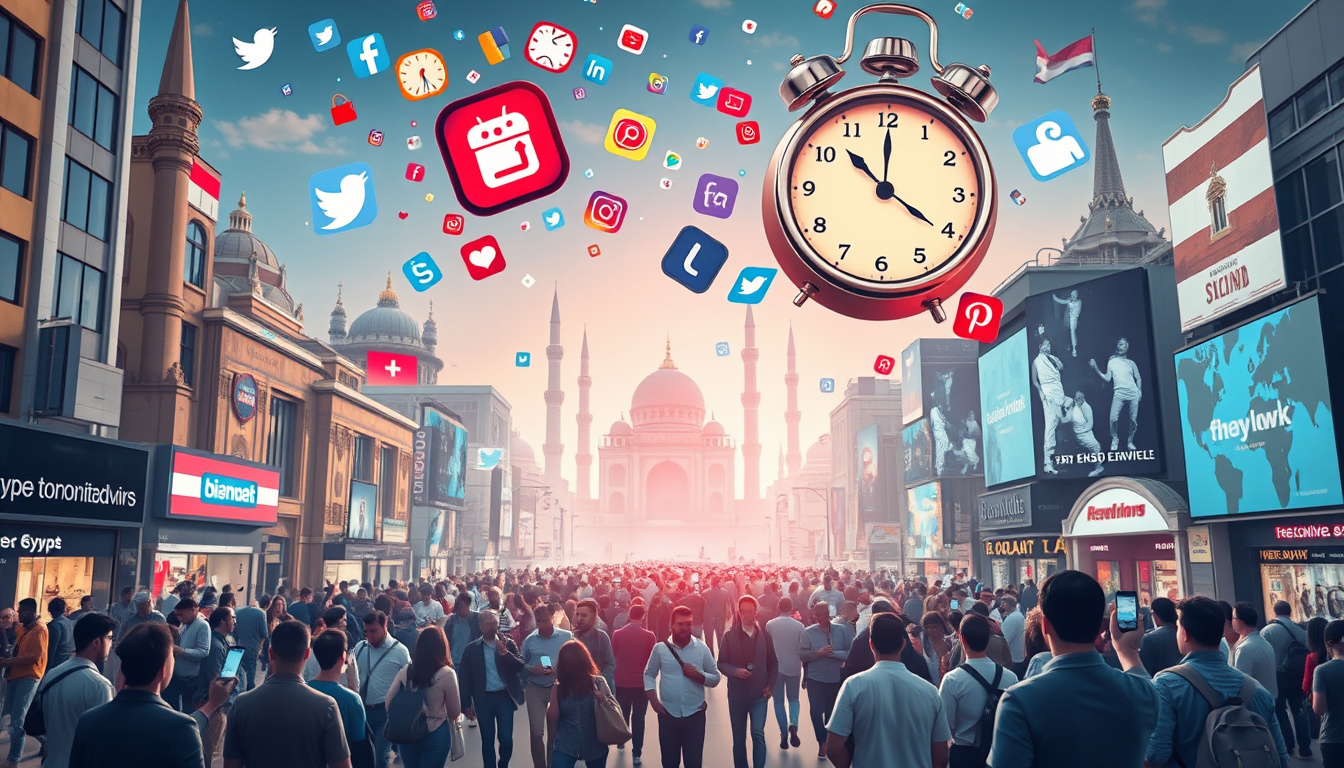
In today’s fast-paced digital age, the attention spans of individuals across the globe seem to be dwindling, and Egypt is no exception to this troubling trend.
With the rise of social media, the landscape of interaction and engagement has changed dramatically, leading to increased impatience and distractions.
A recent study from the University of California reports a staggering drop in the average time an office worker can concentrate on a single task—from
2.5 minutes in 2004 to a mere 47 seconds in
2023.
This decline reflects broader societal shifts that affect everything from academic performance to workplace productivity.
Take the case of Haneen Ibrahim, a university student who reflects many young Egyptians’ struggles: she often finds it difficult to immerse herself in reading without the persistent itch to check her phone.
Similarly, young professionals like Omar Hazem echo her sentiments, admitting that the impulse to engage with their smartphones is almost automatic.
These behaviors are not just personal challenges; they point to a collective discomfort with boredom and the deep-seated need for constant stimulation, driven largely by our reliance on social media.
As of early 2025, DataReportal highlighted that about
43.1% of Egyptians are actively using social media, dedicating nearly three hours a day to these platforms—considerably higher than the global average.
This phenomenon not only hampers concentration but has led to a pervasive feeling of anxiety over missing out (FOMO), contributing to lower life satisfaction.
However, some individuals, like architect Salma Ahmed, have recognized that their compulsive smartphone use serves as a barrier to solitude and meaningful engagement.
What can be done to reclaim our ability to focus and engage deeply with the world around us?
In this article, we will explore the profound impact of social media on attention spans in Egypt and present effective strategies to improve focus and engagement in an increasingly distracted society.
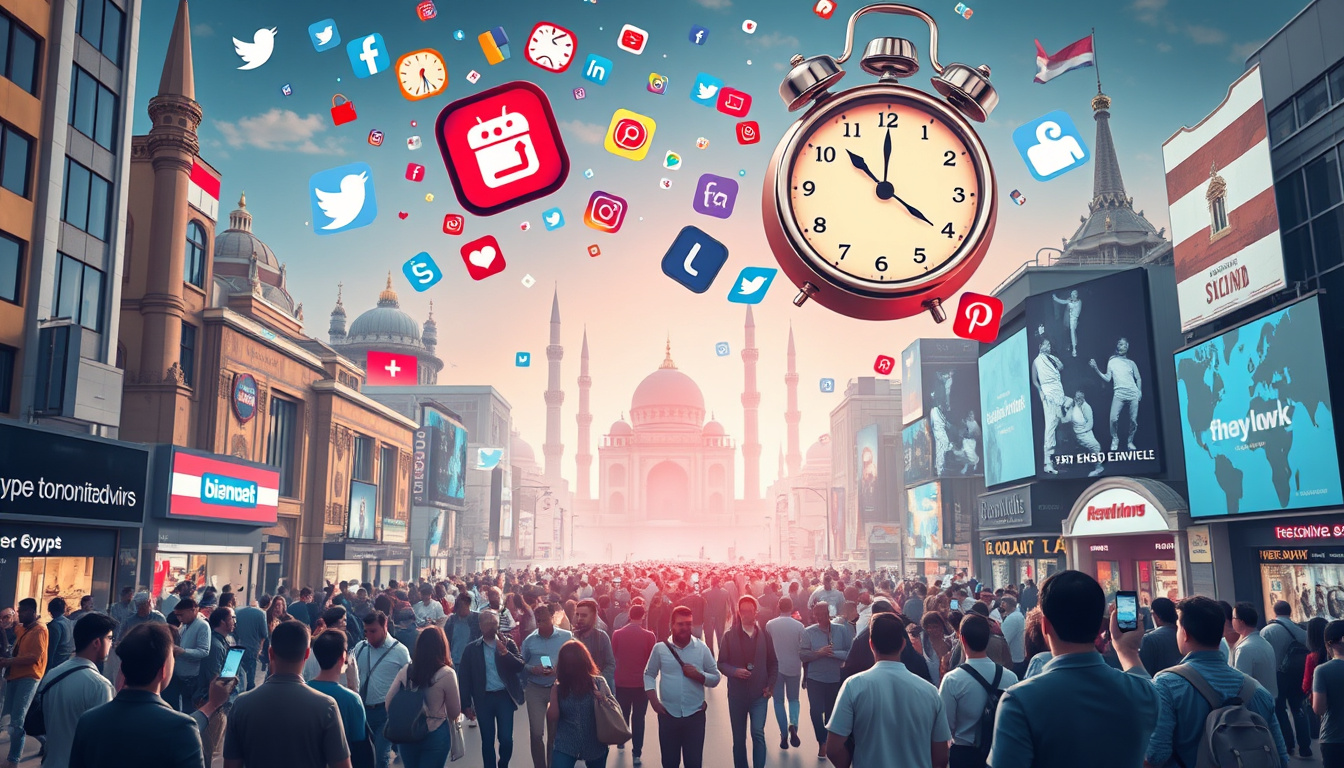
Key Takeaways
- Social media significantly contributes to the decline of attention spans among Egyptians, with focus time dropping to just 47 seconds.
- The constant urge to check smartphones highlights a growing discomfort with boredom and a need for instant gratification.
- Intentional practices to reduce social media use can help reverse cognitive decline and improve patience and engagement.
The Impact of Social Media on Attention Span
### The Impact of Social Media on Attention Span
In the modern digital age, the pervasive influence of social media has taken a toll on attention spans, particularly among Egyptians, as indicated in a revealing 2023 study from the University of California.
This research highlights a staggering decline in the concentration capabilities of office workers, with the time spent on a single task plummeting from an average of
2.5 minutes in 2004 to merely 47 seconds today.
Such findings resonate deeply in personal anecdotes, like that of university student Haneen Ibrahim, who often finds herself restless while attempting to read.
As boredom becomes a less tolerated sensation in a world saturated with digital distractions, individuals increasingly abandon tasks before completing them.
Historically, moments of boredom have fostered creativity and deeper engagement, yet the accessibility of smartphones has reshaped our mental landscape, driving a relentless quest for instant gratification.
Both Ibrahim and burgeoning professional Omar Hazem illustrate this phenomenon; they share how the instinct to check their devices disrupts focus, revealing a collective unease with unfilled time.
Compounding this issue, DataReportal’s statistics show that as of early 2025,
43.1% of Egyptians are active on social media, averaging three hours daily, which is notably higher than the global average.
This addiction to continuous engagement correlates with studies linking smartphone use to diminished life satisfaction, largely fueled by the anxiety of missing out on social interactions.
Realizing the impact of this compulsive smartphone use, some, like architect Salma Ahmed, have taken proactive steps to reduce their screen time, seeking solace in silence rather than distraction.
Research indicates that curtailing social media engagement can mitigate cognitive decline stemming from these digital habits.
While the implications of social media are significant, experts remain optimistic, suggesting that through intentional practices centered on patience and focus, it is possible to reclaim our attention spans and cultivate a more fulfilling relationship with both our work and leisure activities.
Strategies to Reclaim Focus and Improve Engagement
To reclaim focus and improve engagement in a world dominated by digital distractions, several strategies can be employed effectively.
Firstly, establishing designated ‘tech-free’ zones or times can significantly reduce the impulse to check smartphones, allowing individuals to immerse themselves fully in activities without interruptions.
For instance, creating a focused work environment by turning off notifications or using apps that limit screen time can bolster concentration levels.
Additionally, practicing mindfulness through techniques such as meditation can enhance one’s ability to remain present in the moment, improving overall cognitive capacity.
Incorporating short, scheduled breaks into work sessions—often referred to as the Pomodoro Technique—can also help maintain attention by allowing the brain to recharge periodically, thus preventing burnout.
Engaging in physical activities or hobbies that require focus, like painting or gardening, can further build patience and improve the ability to concentrate on tasks.
Ultimately, cultivating a balance between the digital and physical worlds is crucial; developing these habits promotes a more rewarding and productive lifestyle, helping individuals to stay engaged in their endeavors and connected with their creativity.