
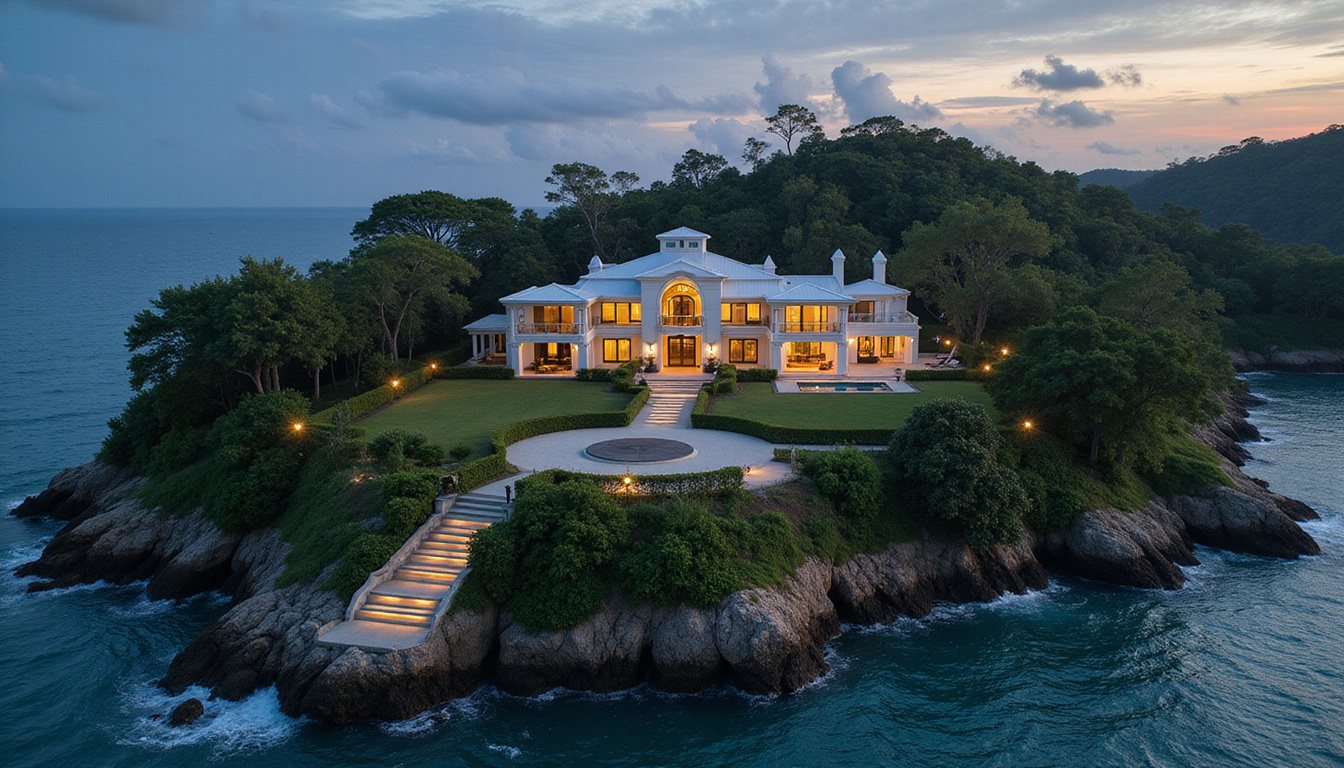
Presidential villas sit where power meets design and safety. They are more than big mansions. They are built for state protection, comfort, a strong image, and sometimes state affairs. Hidden safe rooms, layered fences, symbolic forms, and fine finishes all join here. In these villas, a nation’s view of leadership, status, and risk comes alive.
In this guide we look inside these estates. We see how they are planned, guarded, and built. We see what makes them not like even the grandest private homes.
What Makes Presidential Villas Different?
Most luxury homes focus first on style and then on safety. In presidential villas the order is reversed. They carry a head of state in places where risk is high.
Key ideas that mark presidential villas:
- The shape of the building, the chosen material, and the land layout work as parts of a safety system. They are not just for show.
- One building must serve many tasks. It houses family life, state meetings, and sometimes meetings with other countries—all at once.
- The design sends a clear sign. It speaks of a nation’s identity, strength, and steadiness.
- Funds and plans allow work to continue even in hard times.
These estates are not simple homes. They become small centers that mix living, work, defense, and display.
Strategic Locations: Why Presidential Villas Are Built Where They Are
The choice of site starts with safety. Most presidential villas follow a few sound ideas:
Distance and Buffer Zones
They are not usually in tight city centers unless the site has old meaning. Instead, they sit on large land plots with extra space to:
- Keep people and threats at a distance
- Make sight lines clear for watching
- Lower noise and keep privacy
Some villas stand on raised ground or gentle hills. This gives them a clear view of what lies around.
Controlled Access Routes
These sites keep entry tight:
- They have one or two main roads with check points
- Service doors hide from the public eye
- Emergency exit paths exist but do not show on public maps
Roads are shaped to slow down quick attacks. Bends, tight spots, and narrow sections all work against high-speed entry.
Natural Defenses
Many villas take help from nature:
- Water from lakes, rivers or man-made streams forms a barrier
- Thick belts of plants stop direct views
- Cliffs or steep slopes make access hard
Nature joins the safety circle and adds to the estate’s look.
Layered Security: How Presidential Villas Are Protected
Safety here builds like layers. An intruder must pass many rings before reaching the heart of the villa.
Perimeter and Outer Ring
The first ring often has:
- High, strong walls or fences set behind plants
- Watch towers or raised points to see far
- Cameras that work day or night
- Gates with barriers that slow down fast vehicles
In some cases, invisible limits and no‑fly areas keep the air safe too.
Middle Ring: Grounds and Approaches
Inside the first ring, safety remains firm but stays hidden:
- Security guards and trained dogs patrol the grounds
- Cars pass through check points where they face scans or X‑rays
- Spaces between outer roads and the main building resist blasts
- Hidden sensors under the ground alert to movement
The land is planned so it leaves no spots for hiding but clears paths for guards.
Inner Ring: The Villa Itself
The villa is built with extra safety:
- Thick concrete and sometimes glass that stops bullets join here
- Entry halls have metal checkers and card locks
- Rooms split into public, work, and private areas
- Safe rooms or quiet suites connect to rooms for secure calls
Some villas include underground zones that work as safe centers with their own power, water, and air flows.
Research from open‑source sites shows that head of state homes now add secure rooms that work as mini command centers (source: Congressional Research Service).
Architecture and Symbolism: Design Choices in Presidential Villas
While safety shapes the form, design shapes what people think. Presidential villas are built to send clear messages.
National Identity in Stone and Glass
Builders often use:
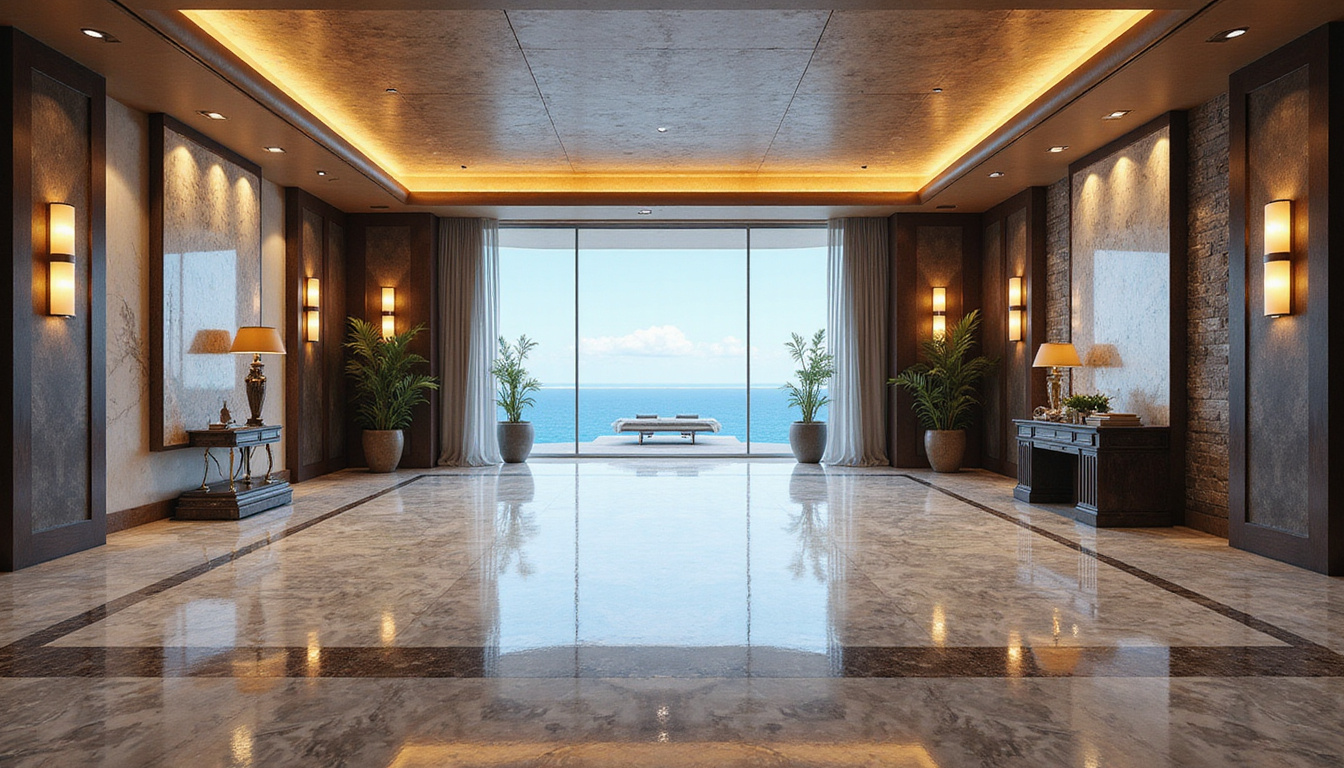
- Local stone, wood, or marble from the area
- Motifs from native art or old places of worship
- Clean lines that show the way forward
The result is often a mix: a villa that feels both traditional and modern. It shows both history and progress.
The Balance of Grandeur and Approachability
Leaders and their teams must choose if the villa feels strong or warm:
- Wide fronts, long drives, and grand stairs show power.
- Smaller entries, warm materials, and open gardens bring a home feel.
Places like reception halls, press rooms, and formal salons are built with cameras in mind. Light, view paths, and backdrops join to make a clear impression.
Interior Design: Where Work, State Affairs, and Family Life Meet
Inside, style must meet many needs: strong function, state honor, and home comfort.
Zones Within the Villa
Most villas split into three main zones:
Official and ceremonial spaces
- Grand foyers and halls
- Meeting rooms and dining halls
- Areas for press events and photos
Work and administration areas
- Personal offices for the leader
- Rooms for discussions with advisors and guards
- Safe rooms for calls and alerts
Private and family areas
- Bedrooms and living rooms for the family
- Rooms for children and play
- Kitchens that feel like home
Doors and corridors inside are controlled by gadgets. Separate paths for staff and guests keep each zone safe.
Luxury with a Purpose
Luxury here serves a double aim:
- Fine finishes and art salute the nation’s style and work.
- Custom furniture works for both photos and hard work.
- Well-treated rooms help speech sound clear for media.
While a regular villa shows personal taste, presidential interiors aim to speak for the state. Art and design honor regions or key historical times.
Technology and Smart Systems in Presidential Villas
Today’s presidential villas hide much tech behind simple walls.
Integrated Security and Building Management
Key tech often covers:
- A main security room that watches over doors and cameras
- Card locks and scan-based access to safe spots
- Motion and door sensors inside and out
- Fire alarms that suit the building’s layout
These tie into a system that also runs:
- Air and climate control
- Lights and shades
- Energy use and backup power flows
Communications and Continuity
A head of state must keep in touch all the time. Presidential villas include:
- Two or more fiber and satellite lines
- Safe rooms for servers and secure signals
- Rooms for briefings on safety and state matters
Some villas even join the national network. This lets the leader set actions for the military or other services from home when needed.
Lifestyle and Amenities: The Luxury Side of Presidential Villas
Even with state work, these estates remain homes.
Common features include:
- Large gardens and open spaces for private events
- Pools, spas, and gyms kept out of public view
- Small theaters or screening rooms
- Small chapels or quiet rooms that suit local ideas
Since these estates may host state guests, they may have:
- Extra guest houses with their own guards
- Several kitchens that serve state dinners
- Helipads for quick and safe visits
Even lawns, courts, or paths join safety features with private space.
Design and Planning Lessons from Presidential Villas
Most will not live in a presidential villa. Yet many ideas can help anyone who wants a secure fancy home, especially in high‑risk areas.
Key lessons include:
- Plan safety into the building from the start. The fence, windows, and paths must help keep dangers out.
- Use plants and land forms to guard views and guide movement.
- Keep public, semi‑public, and private spots apart. This helps protect family life and shared areas.
- Build with backup power, water, and sturdy parts to add long‑term safety.
- Let the design speak. A villa can tell a story of strength and calm. In private homes, design can show personal or local style.
Quick Checklist: Features Often Found in Presidential Villas
- A site with natural or built buffer zones
- Several rings of safety from the outer land to the inner rooms
- Rooms for command and secure signals built inside
- Clear spots for official work, office tasks, and family life
- A design that speaks to national roots
- Strong building and safe rooms
- Open land planned with hidden protections
- Backup energy and secure channels for signals
- Rooms for guests and state meetings
- High‑end extras mixed with strong function
FAQs about Presidential Villas
What is a presidential villa and how is it different from a presidential palace?
A presidential villa is a private home for a nation’s lead person. It is usually more home-like than a palace. Palaces often host many public events, while villas stress secure living and smaller meetings.How safe are presidential villas compared to luxury private villas?
Presidential villas match high safety standards. They have several layers of safety, advanced watching devices, safe rooms, and extra plans for hard times. Luxury homes may borrow some ideas, but the risk and safety needs are higher for heads of state.Can ideas from presidential villas work in private homes?
Yes. Many ideas here—from separate zones to safe landscaping, strong entries, and built-in backup systems—can work in private estates. Owners in riskier areas often work with design and safety experts to add these ideas to their homes.
Thinking About a High‑Security Luxury Home? Learn from Presidential Villas
If you plan a high‑end property in any market, use the ideas from presidential villas. These estates show that strong safety, bold design, and home comfort can join when planned as one.
For sellers, builders, or buyers of secure and upscale homes, these examples provide a guide: smart site choice, layered safety, symbolic yet smart design, and strong building plans. Used well, these ideas can turn a regular home into one that lasts long and stays safe.
If you are ready to take ideas from presidential villas into your project—combining guarded spaces, tasteful design, and built‑in backup plans—speak with experts who know both upscale homes and state‑level safety.