
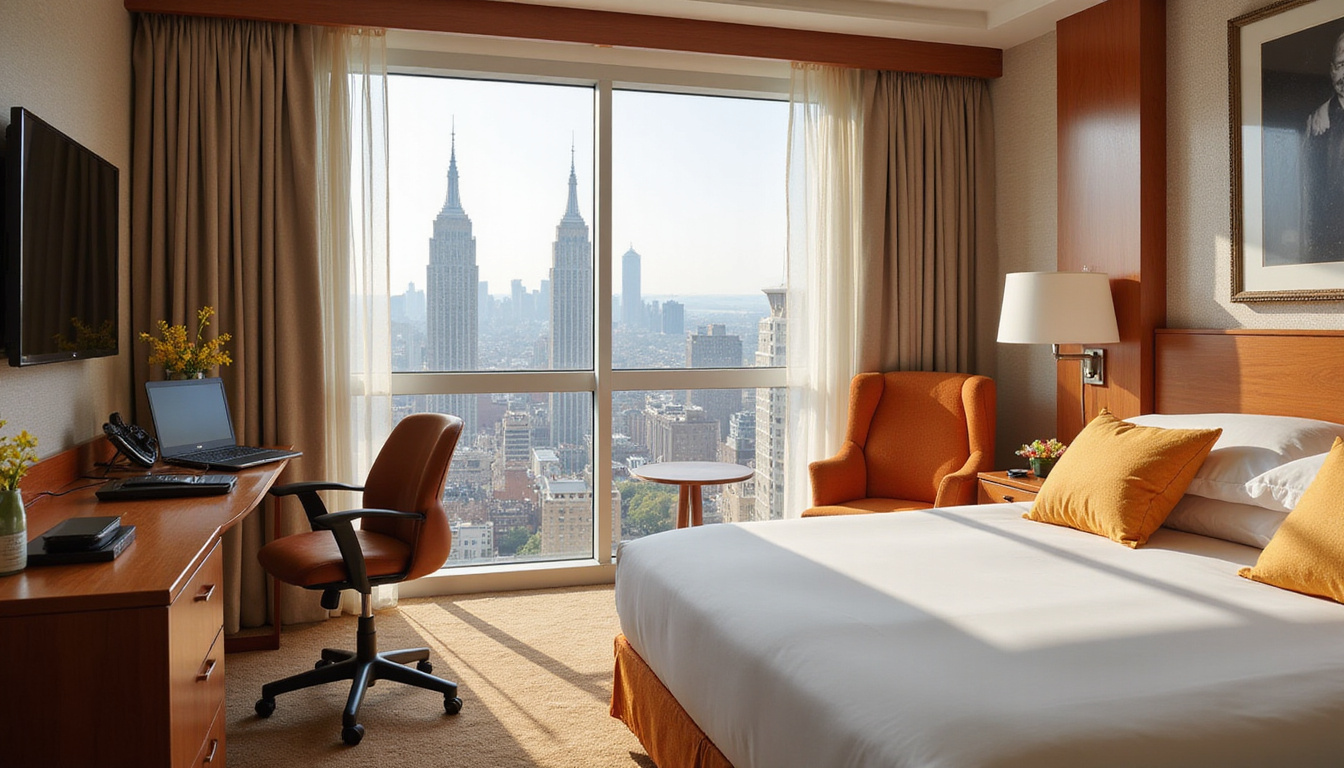
Bleisure hotels shift travel. They mix work and rest in one trip. Professionals gain both speed and calm. Travelers need a place that does both work and break. Smart hotels use clear spaces and nearby leisure to form close bonds between tasks and rest.
In this guide you learn what makes a bleisure hotel. You learn its worth for today’s workers and how to pick a site that fits both your work and your rest.
What are bleisure hotels?
“Bleisure” joins “business” and “leisure.” It shows trips and hotels that serve work and play alike.
A bleisure hotel is neither just a work hotel with one pool nor a resort that adds Wi‑Fi. Its plan builds support for two needs:
• Work tasks—meetings, calls, remote sessions, and groups.
• Rest and small trips during work hours.
Modern travelers may need to work from afar or mix trips with local strolls. They might add family or friends to their work trips. They need strong work spots by day and fine rest by night.
Why bleisure hotels are growing
Many trends boost bleisure hotels around the world:
1. Remote and hybrid work rule
More workers now choose where to sit. Work spreads across any place with good signals. Hotels with quiet work rooms, strong signals, and small meeting spaces win over stays meant solely for fun.
2. Travelers need more balance
These hotels serve those tired of rushed trips. Guests now plan to:
• Arrive early to set up and check the area.
• Stay extra days when meetings end.
• Enjoy a town and not just a meeting room.
3. Companies see gains
Some firms now back trips that mix work and rest. They note that such stays can lift:
• Staff contentment and loyalty.
• Work results when staff get good rest.
• Interest in trips that matter.
4. Cities shift their plans
City groups now design plans for business guests who stay longer and spend more. They work with hotels to pair:
• Access to events or meetings.
• Local tours and meals.
• Shared work spaces and smart prices.
The Global Business Travel Association finds many work trips now mix one break or more. This mix grows each year (source: GBTA).
Key parts that mark true bleisure hotels
Not all sites with simple work rooms and spas count. True bleisure hotels bring close work and rest.
1. Strong work set-up
A bleisure hotel must hold:
• Fast and sure Wi‑Fi near every room.
• In‑room work desks with good chairs, light, and plugs.
• Small rooms or pods for clear calls.
• Meeting spaces that change to fit groups, talks, or online events.
• Help with prints and scans when you need.
The very best add:
• Work lounges with shared tables and quiet spots.
• Room access day or night for far time zones.
• On‑site tech aid for smart sessions.
2. Rooms that help focus and spark ideas
Great bleisure hotels know that mood counts. In such places you see:
• Calm work zones apart from busy bars.
• Light from windows and green plants close by.
• Spots for deep thought and spots for chatting.
The rest side: health, local life, and meeting people
Hotels here match work with real breaks after the screen shuts.
1. Health and rest
Good work needs a break. Check for hotels that care for body and mind by giving:
• Gyms that open at dawn and stay late.
• Pools, saunas, or warm rooms to relax.
• In‑house massages or calm spots for rest.
• Food that helps you keep fit—even for quick meals.
• Rooms that let you sit still or meditate.
2. Local life in short trips
Genuine bleisure hotels open the door to a town’s beat. They help you see local life with:
• Guides that point to food, sights, art, and night fun.
• Links with near cafés, shows, and halls.
• In‑house events like small talks or local shows.
• Help to plan short trips that fit your busy plan.
3. Ways to meet others
Many on the move like to link with peers. Bleisure hotels may add:
• Regular meet-ups or nights in the lobby area.
• Work days that call local startup friends and nomads.
• Big tables or lounges that bring folks to chat.
How to choose the right bleisure hotel for your trip
When you look for a bleisure hotel, skip just the “business friendly” or “city center” tags. Use these steps to find a place that fits both your work and your free time.
1. Set your main goal
Ask: What counts most on this trip?
• Is it a big deal or key talk?
• Do you want long, quiet work time?
• Do you aim to see a new town when free?
• Do you mix a family break with a talk?
Your aim can help you decide: pick strong work spaces if you need a good talk; choose easy spots for town life if your break calls for peace.
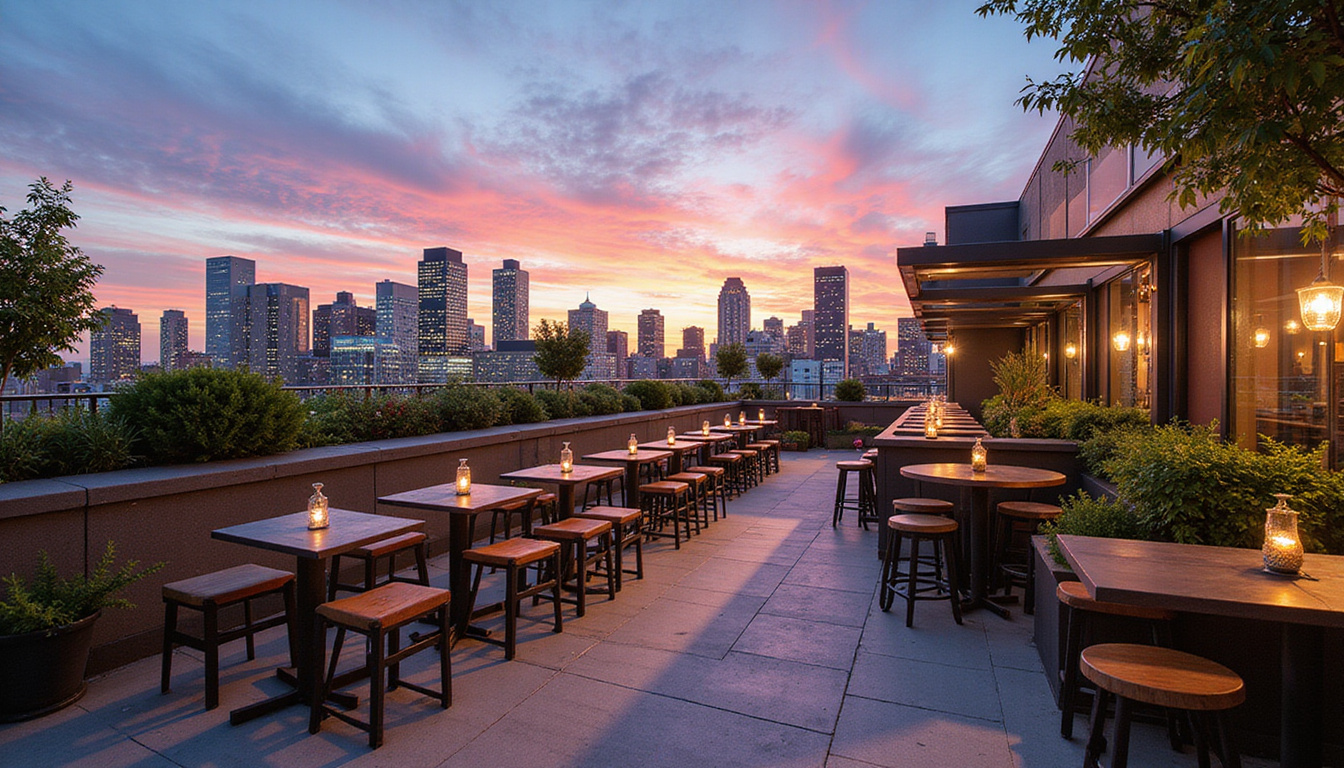
2. Check the work features
Look at hotel pages and reviews for details. See if they list:
• The true speed of Wi‑Fi.
• A workspace that fits in the room.
• Extra quiet spots beyond your room.
• Support for prints, scans, or mails when needed.
3. Weigh the rest value for you
Bleisure hotels show different sides—some lean toward a resort feel; others match urban life. Weigh:
• How close you lie to the parts you want to see (old town, high street, work area).
• What gym or spa you will really use.
• If the hotel or its neighbors have food spots for you.
• Options to check out late or store your bag if you pause your stay.
4. Find clear booking rules
Bleisure trips shift plans. A good hotel helps you add a night or come early with:
• Fares that run by the weekend too.
• Easy ways to add a night outside usual work days.
• Fair rules to cancel or change when you must.
Getting the most from your bleisure hotel stay
Even the best hotel needs a plan to boost your trip. Small steps can help you gain more from the stay.
1. Block your time
Before you come, sketch a plan:
• Set work hours (calls, meetings, deep work).
• Set free hours (meals, walks, breaks).
• Keep time to get around and for small delays.
This mix stops work from stretching too long. It also gives free time for rest and town checks.
2. Use the hotel as your work base
Rather than move your desk to a café:
• Pick a stable spot in the work lounge or lobby.
• Fix calls when you know you have clear Wi‑Fi and low noise.
• Pack a small bag with your charge, paper, and quiet gear for ease.
3. Ask for local help
When you land, ask:
• What near restaurants let you eat fast.
• What short walks or runs lie in safe, calm zones.
• What local spots you must see—a short museum or a high spot for sunset.
4. Keep a steady pace
Bleisure need not fill each free minute. Sometimes, the best rest after a long work day is:
• A calm swim or sauna time.
• Room food and an early night.
• A brief walk in your local area.
Match your pace to your strength; you will work better the next day.
Business wins with bleisure hotels
For firms and teams, picking hotels that meet both work and rest needs can bring clear gains.
1. A better work feel
Staff say they feel:
• Less tired after travel.
• Closer ties with work mates and clients.
• More willing to take trips in the future.
2. Stronger outcomes from trips
When guests plan for both work and rest, they tend to:
• Do better in talks and shows.
• Grow deeper bonds over casual meals or time in town.
• Represent their firm with more cheer and trust.
3. Smarter travel costs
Hotels that serve both work and rest might help track how money is spent:
• Rates made for work trips that also cover weekends.
• Packages that tie meeting spaces with rest and events.
• Points that count for both you and the firm’s plan.
Example features in top bleisure hotels
Many top hotels will mix these parts:
• Fast and safe Wi‑Fi in rooms and shared areas.
• Desks with strong chairs and many plugs.
• Work lounges that hold both quiet and chat spots.
• Many meeting rooms with clear tech for talks and online events.
• On‑site help for tech or work needs.
• Gyms open day and night.
• Spa, pool, or calm zones.
• A café, eatery, and bar with clear, good meals.
• Local trips, small tours, or close deals that let you see the town.
• Options for a soft check‑in/out and safe bag hold.
• Rooms fit for family stays when trips stretch longer.
FAQ about bleisure hotels and trips
What makes bleisure hotels stand out from regular work hotels?
Work hotels focus on close talks, work rooms, and a main spot. Bleisure hotels mix strong work spaces with spots for rest, mind care, and local life. They suit guests who wish to work and also enjoy a town in one pack.Are bleisure trips costlier than normal work trips?
Bleisure hotels span low to high rates. While some high-end sites cost more per night, many guests add nights with smart work offers or weekend cuts. Often, extra free nights are paid by the guest, while the firm gains from better outcomes.How do I pick good bleisure spots in a new town?
Search with words like “work hotel,” “shared work room,” and “wellness” with the town name. Next, check reviews for clear Wi‑Fi, a set work space, and good rest parts. You might also ask groups of digital nomads—many share strong local picks.
Boost your next trip by picking the right bleisure hotel
Your travel days need not blur with rushed check‑ins, plain meeting rooms, and tired flights. Choose a well-planned bleisure hotel, and you change your trip. You get the chance to do top work, to see new streets, and to come back full of life instead of drained.
On your next work trip, do not settle for a plain room and a weak desk. Pick a hotel that holds close both your work needs and your rest needs. Compare your choices, check both work and rest parts, and book a bleisure hotel that turns your journey into a clear, rewarding mix.