
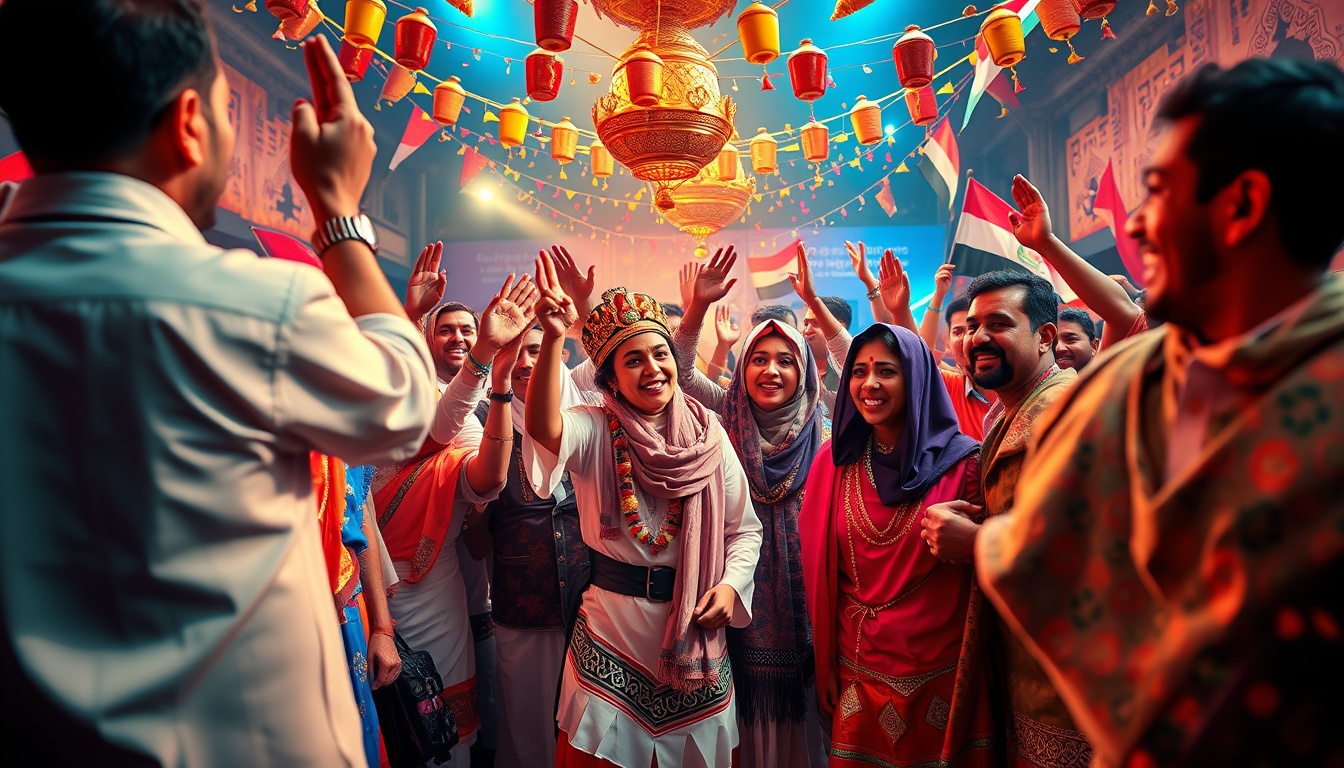
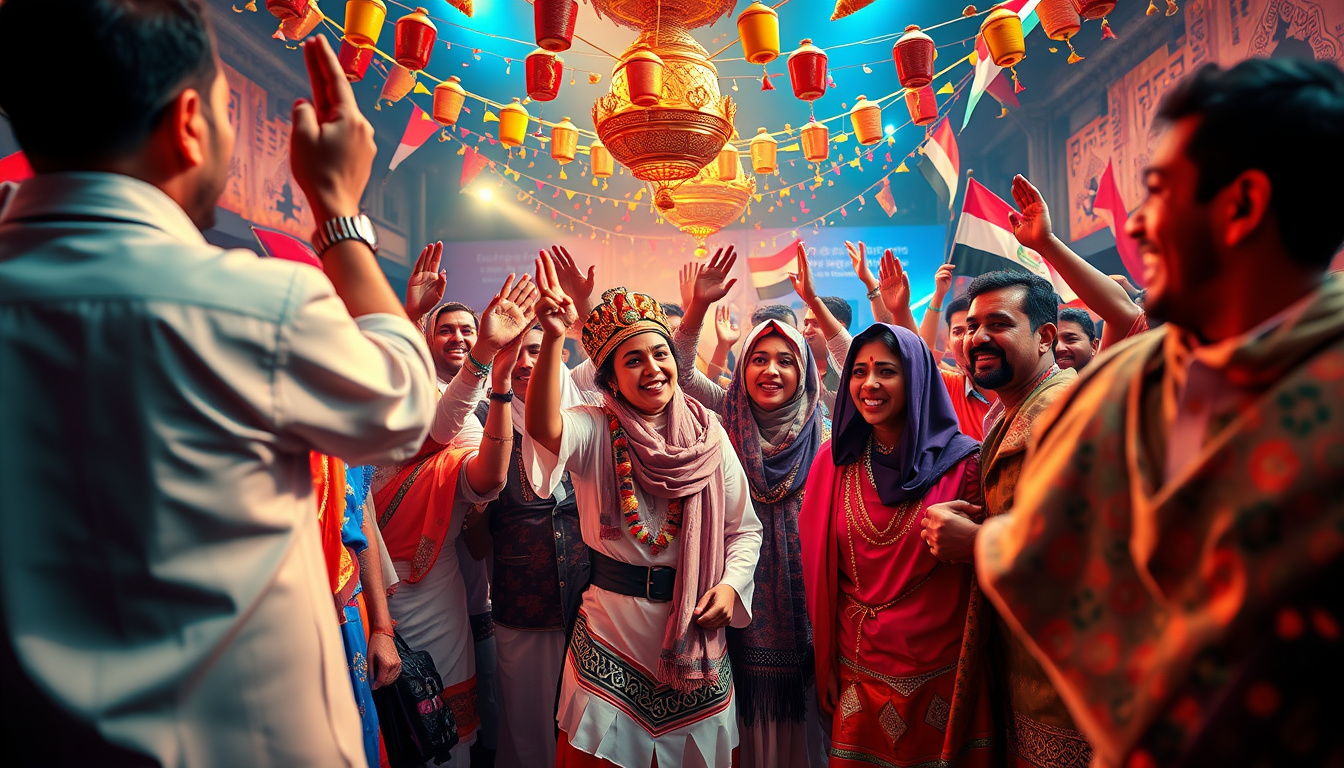
In the vibrant tapestry of Egyptian culture, few sounds resonate with the same depth of emotion and significance as the Zaghrouta.
This traditional ululation, often performed by women during moments of joy, serves as a powerful symbol of celebration, resilience, and communal connection.
In this article, we embark on a cultural journey through the history and ongoing relevance of the Zaghrouta, exploring how this unique vocal expression bridges generations and strengthens our ties to heritage and each other.
Our narrative weaves personal reflections with cultural insights, revealing the beauty of embracing the Zaghrouta as not merely a sound but as an emblem of joy and belonging within the rich context of Egyptian traditions.
Key Takeaways
- The Zaghrouta is a powerful vocal expression of joy and resilience in Egyptian culture.
- It serves as a significant cultural link between generations, promoting community belonging.
- The personal journey highlighted in the article emphasizes finding meaning and connection in traditional practices.
The Historical Significance of the Zaghrouta in Egyptian Culture
The Zaghrouta, a traditional ululation performed by women during joyous occasions, holds profound significance within Egyptian culture, representing a rich tapestry of history and emotion.
This unique vocal expression, characterized by a series of high-pitched sounds, resonates across various life milestones, from weddings to childbirth, and even memorials.
The sound itself embodies not just celebration, but also the resilience and connection to heritage that is steeped in generations of shared experience.
Dating back to ancient times when it served as a means to invoke blessings during significant events, the Zaghrouta has since evolved but remains rooted in its original purpose of celebrating life’s major transitions.
Personal narratives, such as those shared by women who once viewed this practice as outdated, illustrate a dynamic shift in perception.
Initially, younger generations may view the Zaghrouta with reluctance, considering it a relic of the past; however, moments like a friend’s wedding open the door to a deeper understanding.
As the author learns to embrace this cherished tradition, the Zaghrouta transforms from a mere sound to an emotional release, encapsulating a sense of belonging and community.
The transition in understanding this practice is multifaceted—what was once a symbol of generational divide becomes a bridge, connecting women of all ages through shared joy and emotional expression.
In essence, the Zaghrouta serves as more than just a traditional ululation; it is a powerful anthem of unity and cultural identity that continues to thrive within Egyptian society.
Personal Journey: Embracing the Zaghrouta as a Symbol of Belonging
As the author navigates through the rich layers of cultural significance embedded in the Zaghrouta, she reflects on her initial hesitations and misunderstandings about this traditional expression.
Attending her friend’s wedding, she observes how the women around her, from grandmothers to sisters, unite in a spontaneous display of ululation that fills the air with an infectious energy of joy.
This moment becomes transformative for her, illustrating how the Zaghrouta transcends mere sound to represent a deep-seated sense of belonging and continuity.
Women of different ages share not only in the celebration of love but also in the collective history and identity that the Zaghrouta embodies.
By embracing this vocal tradition, the author discovers that the Zaghrouta is a bridge across generations—fostering connections, building community, and enhancing the shared experience of life’s milestones.
Ultimately, her journey echoes a wider narrative of rediscovering and valuing cultural practices that strengthen communal ties and enrich individual lives.