
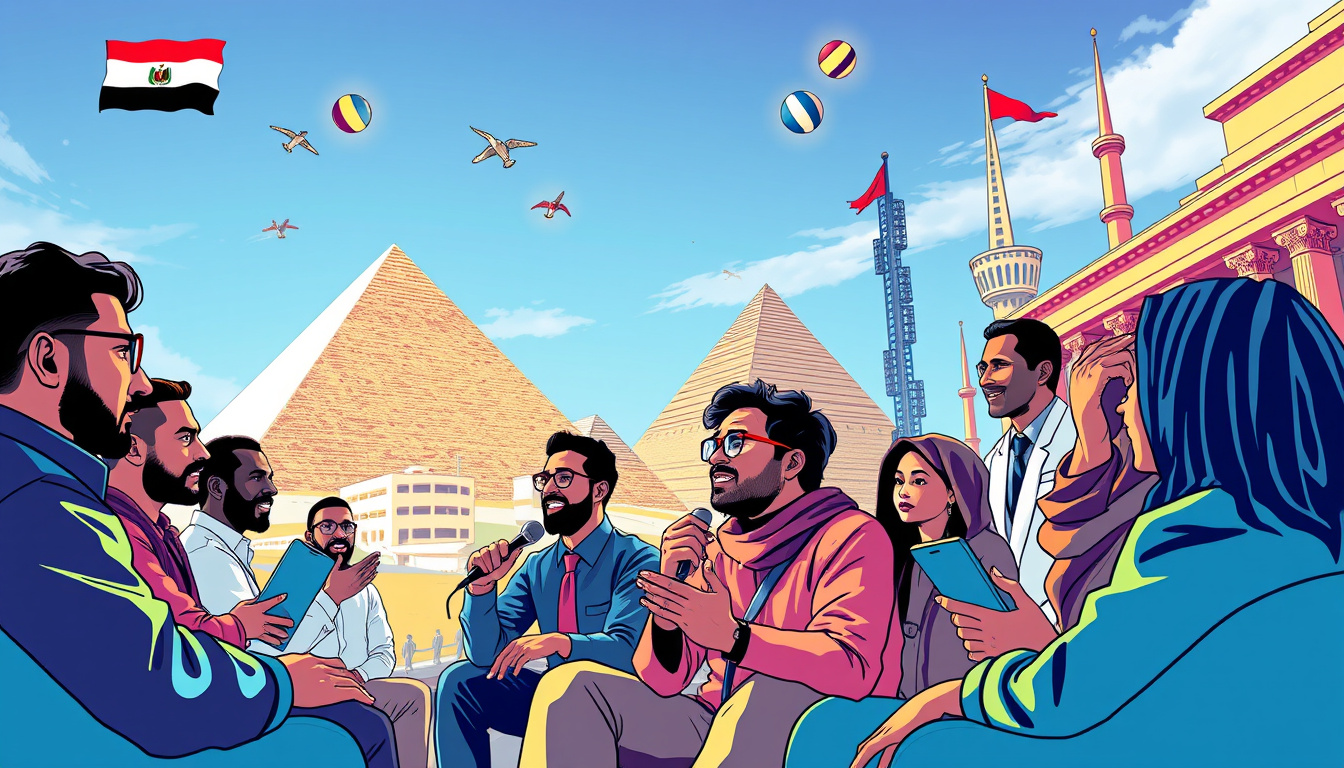
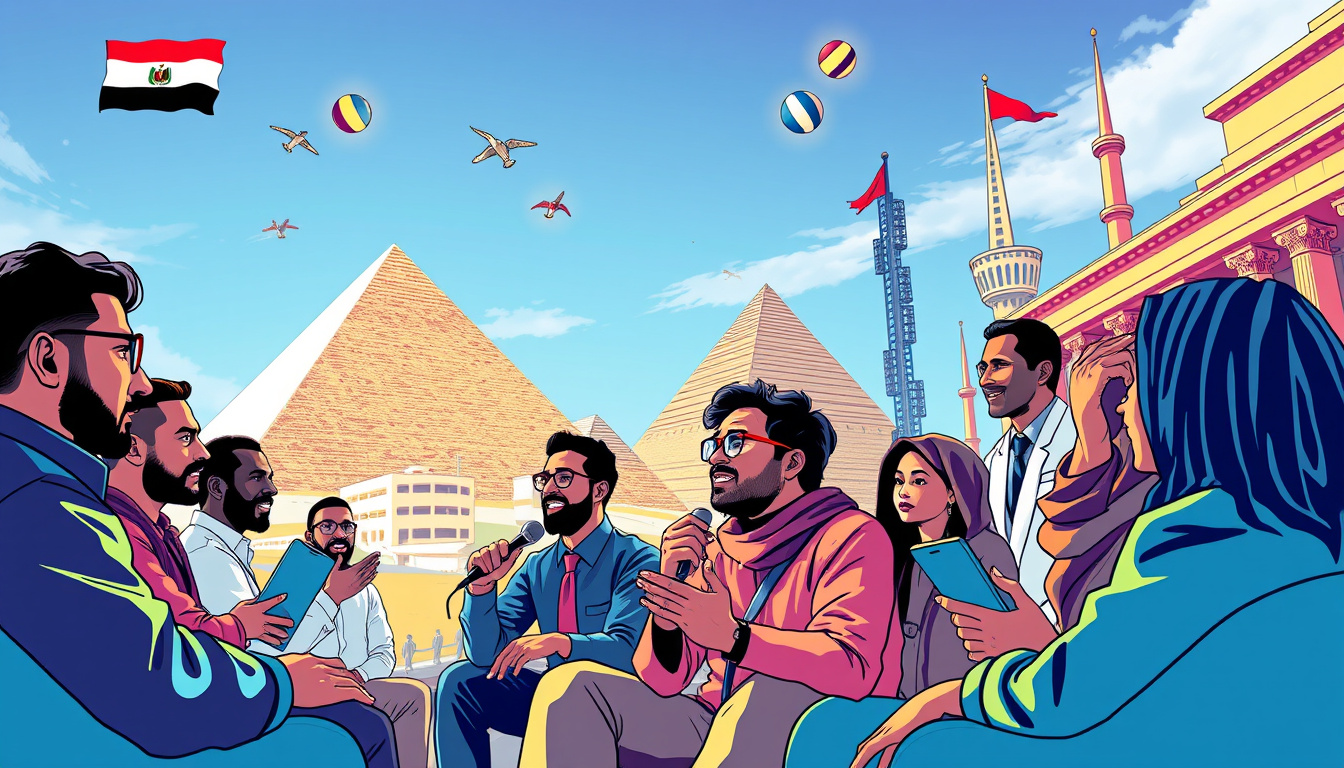
In an era where global collaboration and diplomacy are paramount, the contributions of influential leaders from Egypt significantly shape international institutions and global policies.
From the halls of the United Nations to the realms of cultural diplomacy and scientific innovation, Egyptian figures are making their mark on the world stage.
This article delves into the remarkable achievements of key personalities such as Boutros Boutros-Ghali, Rania Al-Mashat, Khaled El-Enany, Sherif Sedky, and Farouk El-Baz, illustrating how their collective expertise is not only advancing their respective fields but also serving as a catalyst for diplomatic and cultural transformations worldwide.
Join us as we explore the impactful roles of these dynamic Egyptian influencers in forging a new narrative within global institutions.
Key Takeaways
- Egyptian influencers are playing a critical role in shaping global institutions and agendas.
- Key figures like Boutros Boutros-Ghali and Rania Al-Mashat highlight the country’s impact in diplomacy and economic policy.
- Leaders such as Khaled El-Enany and Sherif Sedky drive innovation in cultural and technological advancements on a global scale.
Pioneers in International Diplomacy
## Pioneers in International Diplomacy
The global landscape of diplomacy and international relations has been profoundly influenced by visionary Egyptian figures who have made significant contributions to international institutions.
One of the most notable is Boutros Boutros-Ghali, who made history as the sixth Secretary-General of the United Nations from 1992 to
1997.
His tenure was marked by his rich background in diplomacy and law, where he pushed for reform within the UN and focused on peacekeeping efforts globally.
Following in his footsteps, Rania Al-Mashat, recently appointed as UN Under-Secretary-General and Executive Secretary of the Economic and Social Commission for Western Asia (ESCWA), brings over two decades of expertise in economic policy and sustainable development to the international stage.
Her leadership aims at addressing pressing regional challenges through innovative economic strategies that foster development across the Middle East.
Khaled El-Enany, recognized as the first Arab and second African Director-General of UNESCO since 2025, reflects Egypt’s profound commitment to cultural diplomacy.
His impressive background in tourism management and cultural heritage has been pivotal in advancing UNESCO’s objectives, which include promoting education and safeguarding heritage in a rapidly changing world.
In the realm of science and technology, Sherif Sedky stands out as the CEO of the Egyptian Space Agency and a leader in technological innovation.
His impressive three-decade career includes invaluable contributions to the field of microelectronics, showcasing how technological advancement can bolster a nation’s standing in international cooperation and innovation.
Lastly, Farouk El-Baz, an esteemed scientist renowned for his work with NASA during the Apollo missions, has left an indelible mark on lunar exploration.
His contributions to astronaut training and lunar studies have helped shape our understanding of space and exemplify the importance of international collaboration in scientific endeavors.
Together, these influential Egyptian leaders exemplify how their expertise not only enriches their respective fields but also significantly impacts global diplomacy, science, and culture, driving forward an agenda that respects and celebrates diversity in international relations.
Innovators in Science and Culture
These Egyptian figures not only contribute to their respective fields but also serve as ambassadors of Egypt on the global stage, promoting dialogues that bridge cultural and political gaps.
For instance, Boutros Boutros-Ghali’s legacy of advocating for comprehensive dialogues around peace and security continues to inspire contemporary policymakers.
Rania Al-Mashat’s focus on sustainable economic policies reflects a shift towards inclusive growth that addresses social issues while fostering economic resilience in the region.
By implementing initiatives that prioritize sustainability and social equity, she exemplifies how economic expertise can lead to a more harmonious global society.
Furthermore, Khaled El-Enany’s leadership at UNESCO underscores the vital role of cultural understanding in fostering collaboration among nations.
By emphasizing education and heritage preservation, he facilitates a learning environment that respects cultural diversity and encourages shared knowledge.
Similarly, Sherif Sedky’s advancements in space technology not only push Egypt’s scientific frontiers but also highlight the importance of international partnerships in tackling space exploration challenges.
In this context, Farouk El-Baz’s contributions echo the necessity of scientific cooperation in unraveling the mysteries of the universe, promoting a unified approach to discovery that transcends borders.
Collectively, these leaders symbolize the potent blend of science, culture, and diplomacy that shapes our interconnected world.