
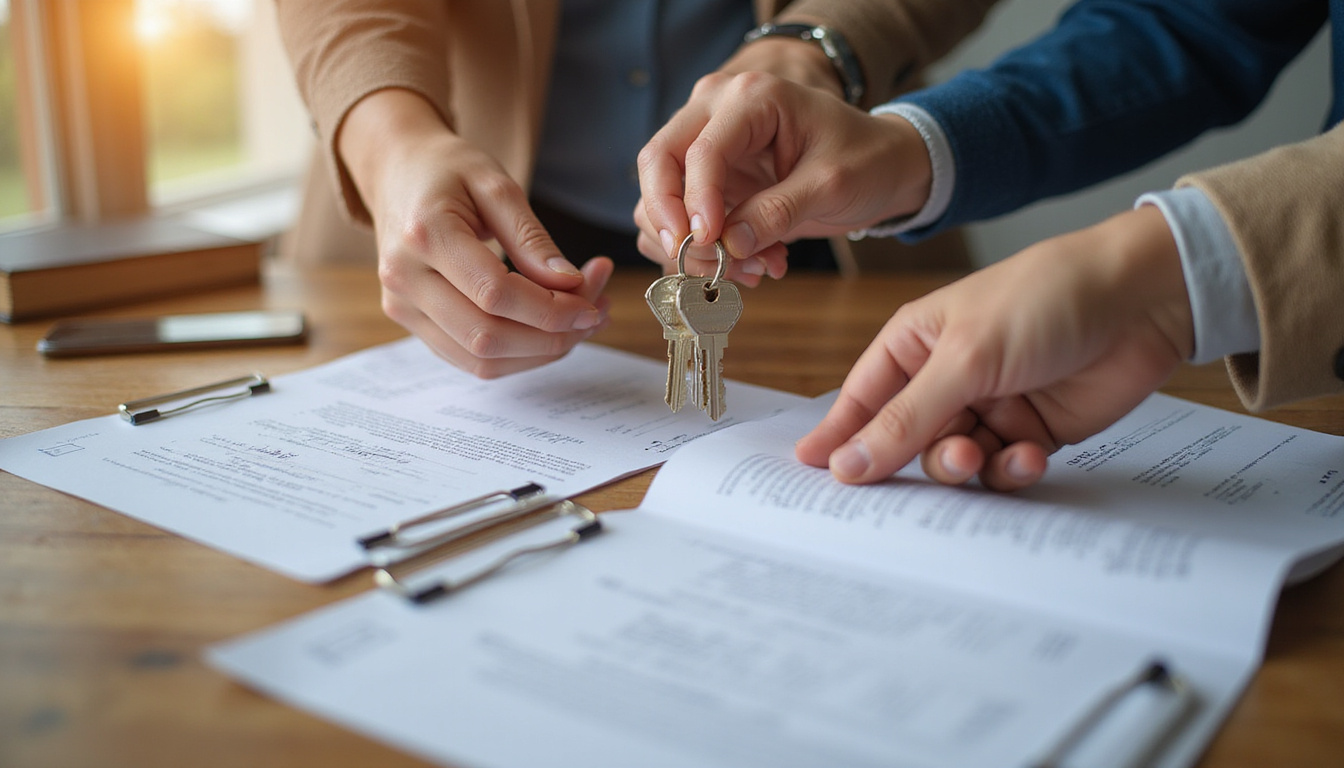
Whether you’re buying a Nile-view apartment in Cairo, a villa in New Cairo, or an investment unit on Egypt’s North Coast, you’ll inevitably hear the term property escrow. Understanding how escrow works can protect you from costly mistakes, delays in registration, or even fraud—especially in a market where off‑plan sales and payment plans are common.
This guide breaks down property escrow in plain language, explains how it applies to Egypt’s real estate landscape, and shows buyers and sellers exactly what to watch out for.
What Is Property Escrow?
Property escrow is a neutral, third‑party arrangement where money, documents, or both are held until certain agreed conditions of a real estate transaction are met.
Think of it as a safety buffer:
- The buyer deposits the purchase funds (or instalments).
- The seller provides the contract, property documents, and often keys or access.
- The escrow agent (a bank, law office, or licensed escrow company) holds everything and only releases money and/or documents when all contractual conditions are satisfied.
This minimizes risk for both sides, especially with high‑value transactions like real estate.
Why Escrow Matters in Property Deals
Real estate involves multiple moving parts: title verification, government approvals, inspection, and money transfers. Escrow helps:
- Prevent fraud and misrepresentation.
- Protect deposits and instalments.
- Ensure proper title transfer and registration.
- Coordinate timing between payment and delivery.
In emerging and fast‑growing markets like Egypt—where mega‑developments and off‑plan projects are common—having a secure mechanism like property escrow helps investors, expats, and local buyers sleep better at night.
How Property Escrow Works Step by Step
While procedures vary slightly by country and institution, the life cycle of a property escrow arrangement generally follows these steps:
1. Offer and Acceptance
- Buyer and seller agree on price and key terms.
- They decide to use escrow and identify an escrow agent.
- The sale and purchase agreement (SPA) or preliminary contract outlines how escrow will be used.
2. Opening the Escrow
- Escrow instructions are drafted, often as an annex to the SPA.
- Buyer deposits the earnest money or down payment into the escrow account.
- Escrow agent acknowledges receipt and starts tracking deadlines.
3. Due Diligence Period
During this phase, the buyer (and often their lawyer) checks:
Title and ownership
- Is the title clear?
- Is the property properly registered (or registrable) at the Real Estate Publicity and Registration Department or the New Urban Communities Authority (in Egypt’s new cities)?
Liens and encumbrances
- Are there mortgages, disputes, or unpaid taxes?
Project status (for off‑plan)
- Developer’s licenses and approvals
- Construction progress and delivery schedule
The escrow agent does not usually perform the legal checks; they simply hold funds until both parties confirm conditions have been satisfied.
4. Meeting Conditions
Typical conditions that must be met before funds are released include:
- Buyer’s financing is approved.
- Seller supplies all required documents (title deed, approvals, clearance letters).
- Inspections are completed, and the buyer accepts the property condition.
- Any agreed repairs or snagging work is finished (for ready units).
- Developer or seller meets construction or milestone goals (for off‑plan).
5. Closing and Release of Funds
Once all conditions are met and both sides issue written confirmation:
- The buyer signs final contracts and registration papers.
- The seller signs transfer/assignment documents.
- The escrow agent releases payment to the seller.
- Buyer receives keys, handover documents, and title (or contractual rights).
6. Post‑Closing
Depending on the agreement:
- Escrow may hold a retention amount for a period to cover defects or outstanding obligations.
- After that period, any remaining funds are released according to the contract.
Types of Property Escrow You’ll Encounter
Not all escrow arrangements are the same. In Egypt and many regional markets, you’ll find several models:
1. Escrow for Resale (Secondary Market) Properties
Used when one private party sells to another:
- Buyer deposits purchase amount in escrow.
- Seller deposits deed and transfer documents.
- Escrow releases money and docs when registration or transfer is successfully executed.
2. Developer Escrow Accounts for Off‑Plan Projects
Some jurisdictions require developers to use regulated escrow accounts for off‑plan sales. Egypt has been moving toward stronger consumer protections and oversight for large developments (source: Egypt’s New Urban Communities Authority).
In a developer escrow arrangement:
- Buyers pay instalments into an escrow account, not directly to the developer’s operational account.
- Funds can typically be withdrawn by the developer only according to construction milestones or regulatory rules.
- This helps ensure buyer money is used to build the actual project, not unrelated ventures.
3. Escrow for Deposits and Booking Fees
Sometimes escrow is limited to:
- Reservation or booking fees.
- Security deposits (e.g., for rent‑to‑own or lease agreements).
- Specific milestone payments during construction.
Even partial escrow arrangements can significantly reduce risk.
Benefits of Property Escrow for Buyers
For buyers—especially expats or first‑time investors—property escrow is a powerful shield.
1. Protection of Your Money
Instead of transferring large sums directly to the seller or developer:
- Your funds sit in a separate, monitored account.
- They are not released until agreed conditions are met.
- Some escrow structures even protect you if the seller goes bankrupt.
2. Verification of Seller’s Obligations
Escrow gives you time to:
- Confirm title is clean and transferable.
- Check municipal approvals, building permits, and licenses.
- Inspect the unit and common areas.
You can refuse release of funds if material defects or legal issues appear, as long as your contract allows it.
3. Better Control in Off‑Plan Purchases
With off‑plan units, buyers fear:
- Delayed delivery.
- Incomplete or poor‑quality construction.
- Projects that stall or never finish.
Escrow structures that link developer withdrawals to actual construction milestones reduce this risk significantly.
Benefits of Property Escrow for Sellers and Developers
Escrow isn’t just for buyers; it can also help sellers and developers complete smoother, faster transactions.
1. Proof of Buyer’s Seriousness
When a buyer deposits funds into escrow:
- It demonstrates commitment.
- Reduces chances of last‑minute cancellations.
- Strengthens your negotiating position.
2. Clear, Timed Payment Structure
Escrow instructions often include firm timelines:
- When buyer must transfer instalments.
- When seller must deliver documents or handover.
This structure can speed up closing and reduce disputes.
3. Reduced Legal Disputes
By using a neutral third party:
- Many misunderstandings about “who pays what, and when” are minimized.
- Documentation and payment records are centralized and traceable.
- If disputes arise, auditors, courts, or arbitrators have clear evidence.
Common Risks and How Escrow Reduces Them
Real estate in any country comes with inherent risks. Proper use of property escrow addresses many of them:

Fake or incomplete title
Escrow gives you time to conduct thorough title searches before money is released.Unlicensed or non‑compliant projects
For off‑plan purchases, escrow linked to regulatory approvals and milestones offers extra security.Payment scams
By preventing direct transfers to unknown or unverified accounts, escrow helps avoid fraud.Delivery delays
In milestone‑based escrow, delay in construction can mean delay in developer’s access to funds—creating a strong incentive to deliver on time.
However, escrow only works as well as the contract and the institution behind it. A poorly drafted escrow agreement or unregulated “escrow‑like” account can create a false sense of security.
How to Choose a Reliable Escrow Agent
When setting up property escrow, choose your escrow provider with care:
Regulation and licensing
- Prefer banks or financial institutions regulated by the Central Bank of Egypt or appropriate authority.
- For non‑bank escrow services, check legal registration and track record.
Reputation
- Ask your lawyer or real estate advisor for recommendations.
- Search for independent reviews and history of disputes.
Transparency of fees
- Who pays the escrow fee—buyer, seller, or both?
- Is it a flat fee or percentage of the property price?
Clear written instructions
- What exactly triggers release of funds?
- What happens if there is a dispute?
- Are there deadlines and default procedures?
Segregation of funds
- Ensure your money is held in a separate, clearly identifiable escrow account, not mixed with the agent’s operational funds.
Practical Tips for Buyers and Sellers Using Property Escrow
Here are some actionable tips to use property escrow safely and effectively:
Always involve a lawyer.
Don’t rely solely on the developer’s or broker’s documents. Have an independent lawyer review the sale contract and escrow instructions.Match contract terms with escrow instructions.
The SPA and escrow agreement must align. If the SPA says one thing and escrow another, disputes are almost guaranteed.Define objective conditions, not vague promises.
For example:- “Release 20% upon issuance of building completion certificate” is clear.
- “Release 20% when construction is almost finished” is vague.
Specify what happens if timelines aren’t met.
Include:- Grace periods.
- Penalties or compensation.
- Cancellation and refund rules.
Keep communication in writing.
When instructing the escrow agent to release funds or hold them, use written notices via email or official letters.Verify bank details independently.
When funding the escrow account, confirm the exact account details directly with the bank, not just via email from intermediaries.
To understand how escrow fits into the broader financial picture of living and investing in Egypt, many expats and investors find personal experiences helpful. This video offers a useful perspective on costs and practical realities:
Costs Associated With Property Escrow
Escrow is not free, but its cost is usually modest relative to the protection it provides.
Typical cost structures:
- Flat fee (e.g., a few thousand Egyptian pounds or equivalent), shared between buyer and seller.
- Percentage fee of the transaction, often decreasing for higher values.
- Additional charges for:
- International transfers.
- Document courier services.
- Special compliance checks.
Clarify who pays what in the SPA and escrow instructions to avoid last‑minute disputes.
FAQ: Key Questions About Property Escrow
1. What is a property escrow account and why is it important?
A property escrow account is a special bank or financial account where buyer funds are held by a neutral third party until contract conditions are fulfilled. It’s important because it protects both sides: buyers don’t lose money without receiving clear title or handover, and sellers know that funds are available and reserved once they meet their obligations.
2. How does escrow work when buying property off‑plan in Egypt?
In off‑plan deals, property escrow accounts are often linked to construction milestones and official permits. Buyers pay instalments into the escrow account; the developer can only withdraw money when specific, documented stages of the project are completed. This reduces the risk of project delays, misuse of funds, or non‑completion, and gives buyers a stronger legal position if problems arise.
3. Is using a property escrow service always necessary?
Using property escrow services isn’t always legally mandatory, but it’s strongly recommended for high‑value transactions, cross‑border purchases, and off‑plan investments. In some regulated developments, authorities may require developers to use escrow accounts to enhance buyer protection. Even in private resale deals, escrow adds a layer of security that simple direct transfers cannot provide.
Make Your Next Property Deal Safer With Escrow
Every property deal—whether in Egypt or abroad—involves risk. You can’t control market fluctuations or construction delays, but you can control how your money moves and when it changes hands.
By using a well‑structured property escrow arrangement with a reputable institution and a properly drafted contract, you significantly reduce the chances of fraud, disputes, and costly surprises.
If you’re planning to buy or sell property, especially off‑plan or as an expat investor, speak with a qualified real estate lawyer or advisor before signing anything. Ask explicitly about escrow options, how they can be adapted to your deal, and what protections you can build into your contract.
Take the time now to structure your transaction around a solid escrow framework—so your next move in the property market is not only profitable, but secure.