
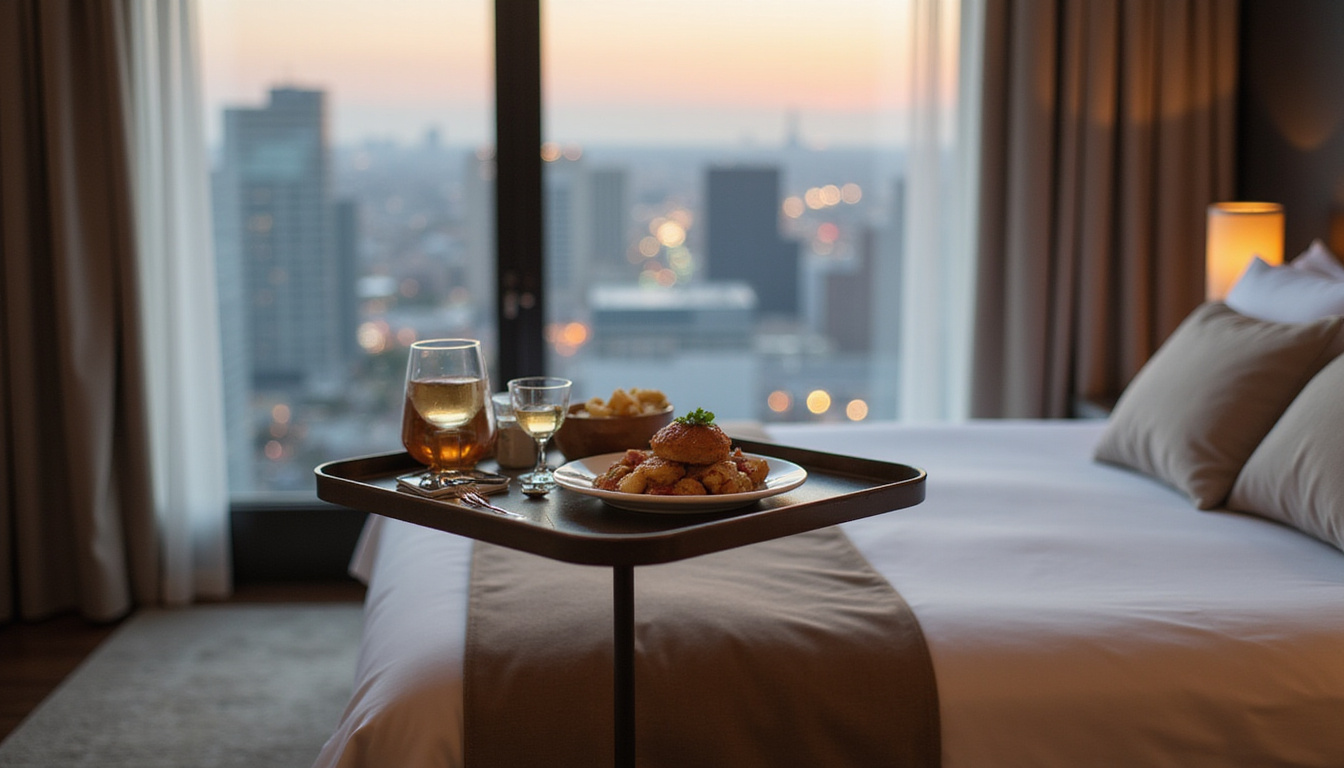
In room dining has grown far from a mere cart drop of a bland meal. Room service now feels like a small restaurant made for you. You can enjoy this perk whether you travel for work, head out for a romantic escape, or simply want to relax in your room. Smart choices can turn a hotel meal from “okay” to “really good.”
Below are clear, guest-first tips to get the best taste, value, and fun out of in room dining wherever you go.
1. Know Your Hotel’s Room Service
Before you order by phone or app, take a moment to learn how your hotel works with room service. Not all hotels prepare food the same way.
Key points include:
- Menu mix: Does it only list burgers, pasta, or salad? Or does it include local tastes and lighter picks?
- Hours of service: Is it open all day or only for part of the day? Late hours may mean a smaller list.
- Kitchen source: Some hotels have a dedicated room service kitchen. Others use the main restaurant as a food source.
- Ways to order: You might use a phone number, TV menu, mobile app, QR code, or even WhatsApp. Knowing this makes orders easier.
If the list seems plain, ask: “Do you have any extra dishes or local flavors not on the list?” Many hotels, especially finer ones, can add a surprise or two.
2. Read the Menu with Care
A good room meal starts with a smart look at the menu. See the menu as you would in a small eatery.
Focus on:
- Chef’s picks: Items that stand out usually point to what the kitchen makes best.
- Foods that hold up well: Stews, braised meat, thick curries, stir-fried veggies, grain bowls, or hearty salads work best over time.
- Dietary notes: Look for marks that show meals fit vegetarian, vegan, gluten-free, or halal diets.
- Local style: A hotel at a beach may list standout seafood, while a city hotel may feature well-cooked steaks or global comfort picks.
Also check:
- Extra fees: Some hotels add a delivery or tray fee, plus a small service charge. This helps you compare value if you choose another place to eat.
- Portion hints: Words like “to share,” “for two,” or “platter” help you decide how much to order.
A careful scan can help you get a meal that feels truly satisfying.
3. Time Your Order Well
Even great food can lose its charm if it comes at the wrong moment. When you order is as important as what you order.
Think about:
- Busy hours: Breakfast (7–9 a.m.) and dinner (7–9 p.m.) may slow the kitchen. If you do not like delays, order a bit earlier or later.
- Pre-orders: Many hotels let you set an order time by using a door tag or the app the night before. This helps if you have a tight schedule.
- Dish cook time: A steak or baked lasagna takes longer than a sandwich or salad. Ask, “How long will this dish take now?”
Plan your order for before you feel very hungry. It helps keep wait times short and food warm.
4. Keep Custom Changes Simple
You can truly make room dining fit your taste by asking a few changes. The key is to keep your requests clear so that the kitchen can act on them easily.
Ideas include:
- Swap sides: Pick salad, steamed veggies, or rice instead of fries if you wish for a lighter dish.
- Sauce separate: Ask to have sauce on a side plate. This keeps crisp items from getting wet.
- Add extra protein: Request to put grilled chicken, shrimp, or tofu into a salad or pasta dish.
- Note food needs: Tell staff if you have allergies or need a special diet. Say, “No nuts,” “Use gluten-free bread,” or “Light on dairy in the sauce.”
Simple, short requests help staff prepare your order right.
5. Turn Your Room into a Mini Restaurant
How you set up your room can add to your meal. With a few small tweaks, your space turns into a cozy dining spot.
Try these steps:
Clear a table
Use a desk or small table instead of eating in bed. Wipe it off if you can.Adjust your seating
Move a chair near a window, balcony, or TV. A small change can make a big difference.Arrange table settings
Ask for extra plates, cutlery, or napkins if you need them. Use a scarf or towel as a table cover if needed.Set the mood
Change the lights (use a lamp instead of harsh overhead lighting), play soft music, or choose a calm TV channel.Pack your extras
If you travel often, keep a small kit with foldable cutlery and a few favorite spices or sauces.
A few tweaks to your space can make a common meal feel special.
6. Choose Dishes That Can Travel
The ride from the kitchen to your room can change the food. Some dishes do better than others during this trip.
Tend to work well:
- Braised meat, stews, and curries
- Pasta in a rich sauce, like bolognese or alfredo
- Grain bowls and sturdy salads (ask for dressing separately)
- Roasted or grilled meats with sauce served apart
- Soups in a sealed container
- Baked treats like pies, brownies, or casseroles
Some items might suffer:
- Thin fries or delicate fried items lose their crunch.
- Rare steaks might cook more under closed lids.
- Crispy pizzas with soft cheese can feel soggy.
- Very cold dishes like ice cream can melt.
- Light tempura or items with a thin batter may lose their texture.
If you still want a risky dish, ask:
“Can you pack the fries with a vented lid so they keep their crunch?”
Small changes to packaging can help a lot.
7. Make Breakfast Special
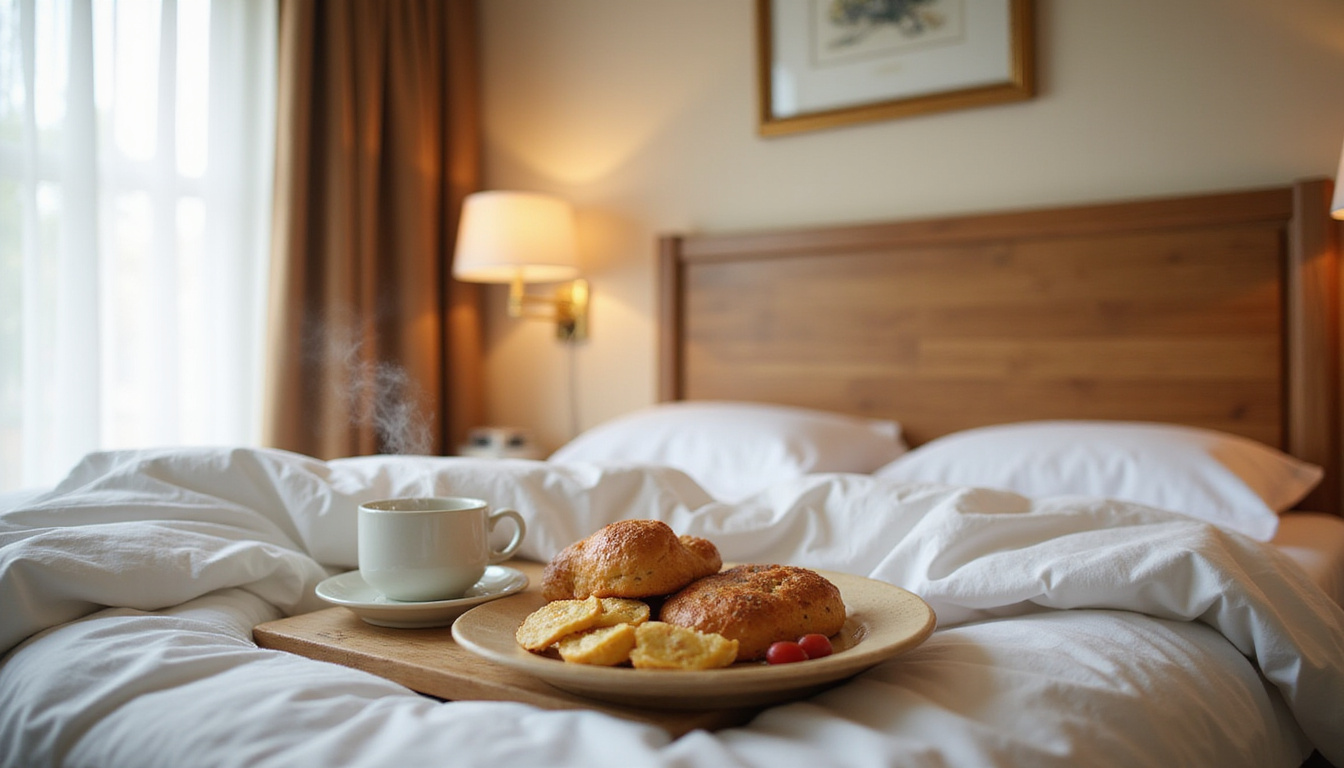
Breakfast is a meal that truly works in room dining. Waking up to a neat tray can feel like a little holiday treat.
Tips for breakfast:
- Use the door tag: Write down your best time and set it out the night before. This helps with timely service.
- Mix treats and fuel: Pair pastries or pancakes with eggs, yogurt, and fruit so you get both taste and energy.
- Coffee fix: If coffee seems weak, ask if they make French press or espresso drinks. You may even order a pot of stronger brew.
- Ask for local tastes: Foods like shakshuka or local breads can turn a plain breakfast into a regional treat.
A little care in planning can start your day on the right note.
8. Keep Food Safe and Clean
Most hotels work hard to keep food safe. Still, a few habits help you enjoy your meal with peace of mind.
Keep these in mind:
- Check the heat: Hot food should be hot. If it is cool, call and ask for a fresh plate.
- Watch the time: Do not let items that need to be hot or cold sit out too long.
- Store leftovers: Cover and keep leftovers in a cool spot if you choose to save them.
- Clean up: Wash your hands well before eating. Clean the table if needed.
Following these habits can keep your meal safe and enjoyable.
9. Use Room Service for More Than Meals
Room service does not only mean breakfast, lunch, or dinner. You can use it for other parts of your stay.
Some ideas:
- Work snacks: Order a small meal or a cup of coffee during your work calls.
- Movie treats: Build a small snack tray with sliders, popcorn (if they offer it), and a dessert.
- Celebrations: Ask about a small cake, flowers, or a drink for a birthday or anniversary.
- Family needs: Use kid-friendly menus and time orders so that everyone eats comfortably.
- Health picks: Request fruit plates, light dishes, or herbal tea when you prefer a gentle meal.
Room service can work as a useful tool to match your day.
10. Mind the Cost
Room service usually costs more than a meal out. A few steps can help keep the price fair.
Cost tips:
- Check for bundles: Some hotels include breakfast in the price or give credit for room service.
- Share large plates: Appetizers, pizzas, or salads meant to share can work well for two or more.
- Watch drink costs: Soft drinks and alcohol may cost a lot. Use room water or coffee if you can, and order one extra drink only if you wish.
- Ask about fees: Confirm if the cost covers service and delivery or if extra charges apply.
With these steps, you know when a bit more expense is acceptable.
11. Speak Up and Give a Hint
Clear words can help your next order go even smoother. Good talk may help room service improve over time.
Before and during your order:
- Restate details at the end of your call.
- Say if you want a drop-off or to set the dish on a table.
- Mention any strict timing needs clearly.
After your meal:
- If something felt off, say so kindly. Whether an item is missing or the food is too cool, share your view.
- When the service is good, a kind word helps the staff know they did a good job.
Sharing feedback helps the hotel aim for better service each time.
Quick Checklist: How to Boost Your Next Room Service Meal
• Look at the menu for standout and local dishes.
• Pick foods that hold up well and suit your taste.
• Be clear about timing and busy hours; pre-order if you can.
• Ask for simple changes like swapping sides or keeping sauce apart.
• Set your room as a clear eating area.
• Confirm fees and portion sizes before you order.
• Keep safety in mind with temperature and clean surfaces.
• Share your thoughts so that each order is better.
FAQs About Room Service
Is room service worth it versus the hotel restaurant?
Room service is good when you need some privacy or when you want to avoid busy dining halls. The hotel restaurant may feel livelier, yet room service gives you comfort and a personal touch.Which foods are best for room service?
Meals that deal well with a short ride—such as thick pastas, stews, curries, roasted meats, grain bowls, and robust salads (with dressing on the side)—are best.How can room service be made healthier?
Choose items with baked or grilled meat, ask to swap fried sides for salad or steamed veggies, and request light sauces. Many hotels now list gentler menus—don’t hesitate to ask for them.
Transform Your Next Room Service Experience
You do not need a high-end suite to enjoy a high-end meal. By checking the menu well, timing your order carefully, choosing foods that travel, and setting a cozy spot in your room, you can shift a basic tray into a highlight of your stay.
On your next visit, start with the in room dining list, ask a few smart questions, and give it your chance. With a bit of care, your hotel room can feel like a bright little restaurant—just a phone call away.