
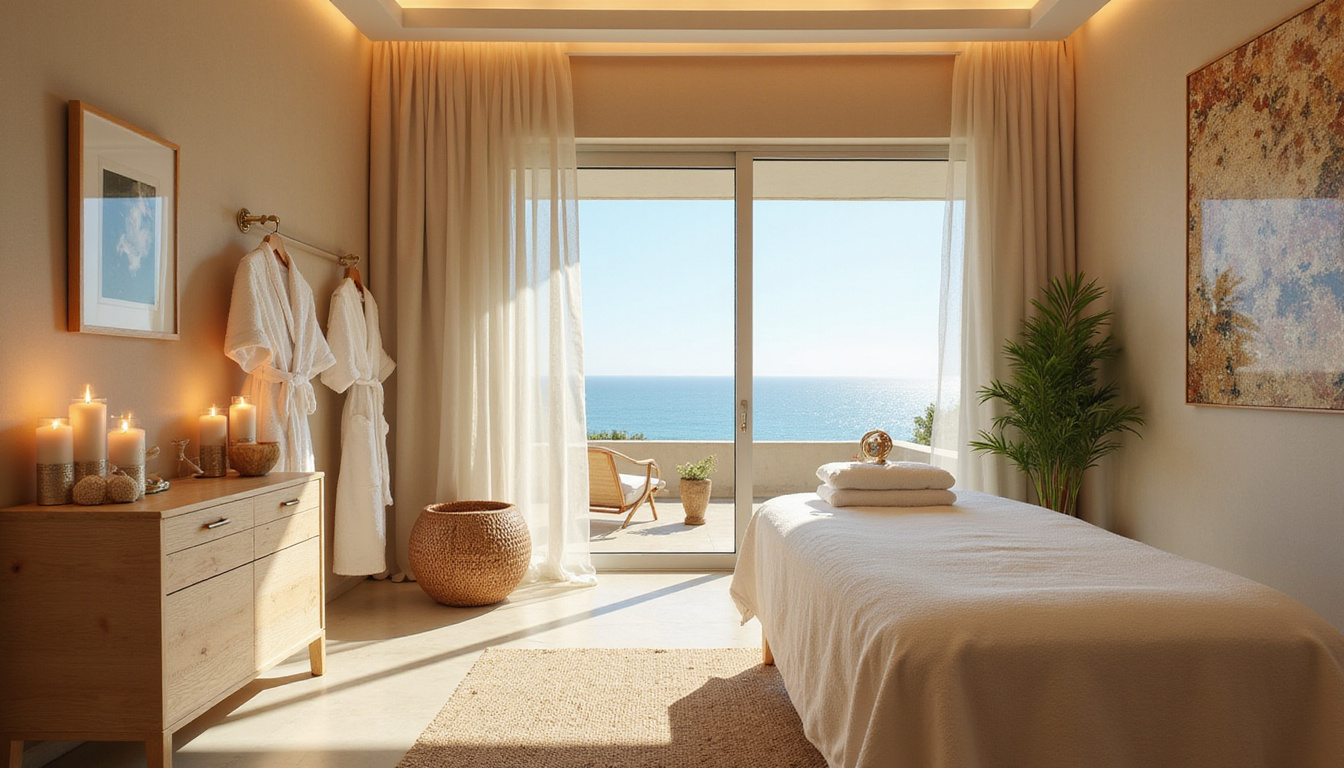
Boutique spa hotels grow in favor among travelers who seek more than a basic bed.
They are small, design-led retreats. Each detail sits close to the next. Aromatherapy in the lobby meets a massage created just for you.
If you escape a busy work life, plan a romantic break, or add calm to a long tour, these hotels bring a rest that larger resorts do not give.
What Makes Boutique Spa Hotels Different?
Boutique spa hotels stay small.
They show a strong character and clear sense of place.
They mix design charm with a focus on healing.
Key characteristics include:
- Close size – Usually 10–80 rooms. Quiet spaces grow here.
- Unique design style – Smart building, matching interiors, and local materials build a clear look.
- Wellness focus – Spa menus care for your body, mind, and spirit.
- Custom service – Staff note your likes as they plan your time.
- Local touch – Services use local customs and natural finds.
This mix feels like a private retreat, not a standard hotel room.
The Core Benefits of Staying in Boutique Spa Hotels
Staying in a boutique spa hotel is more than a chance to relax.
Your health, calm, and clear mind take a boost here.
Deep Rest You Can Feel
These hotels care for sleep.
Expect each room to bring:
- Fine mattresses and a choice of pillows
- Black curtains and room-to-room quiet
- Herbal teas, soothing balms, and sleep walks
Your night is not just sleep; it builds a real rest so you wake up renewed.
Tailored Treatments, Not One‐Style for All
Spa staff ask first about you.
They talk about:
- How much stress you face
- Where your muscles hurt
- If your skin needs care
- What outcome you seek (relax, detox, ease aches)
This chat makes each treatment unique.
The work may mix massage, drainage, and calming breath steps to fit you.
A Whole Approach to Being Well
Boutique spa hotels build care on many steps:
- Body: Massages, face care, water baths, scrubs, and gentle motions.
- Mind: Short meditations, calm sound times, slow breath routines.
- Food: Light meals, fresh juices, local pure foods.
- Place: Quiet rooms, much light, few digital pulls.
This step-by-step approach helps slow stress, gives better sleep, and may support your natural defense system.
Signature Experiences You’ll Find in Boutique Spa Hotels
Different hotels hold different treatments.
Yet, some common steps please many health lovers.
1. Water Treatments and Heated Cool Paths
Water care plays a key role:
- Hot and cool plunge baths
- Scented steam rooms and saunas
- Showers that mix cold and warm
- Pools with salt or rich minerals
Switching water temperatures helps blood flow, eases sore muscles, and wakes the nerves.
This set of steps often helps after long flights or busy days.
2. Locally Inspired Rituals
Hotels show their place with local rituals:
- In dry lands, you may find a sand or salt scrub and rich clay wraps.
- By the sea, seaweed wraps, water-based face care, and marine baths serve.
- In cities with long spa habits, you might try steam baths, hot stone work, or warm herbal packs.
These steps tie you to the local ways and use local finds, from plants to oils.
3. Couple and Group Wellness Moments
Many pick these hotels to share calm.
They plan for:
- Suites made for two with a shared tub and massage spots
- Side-by-side face care or scrub sessions
- Private spa tours that mix more than one treatment with soft snacks
- Group acts like slow motion stretches, soothing sounds, or calm guided pauses
Soft light and gentle scents help everyone feel calm together.
How to Choose the Right Boutique Spa Hotel for You
Many choices live around the world.
Be clear before you pick.
Step 1: Set Your Main Goal of Well-Being
Ask yourself:
- Do I need to ease stress and find calm?
- Do I lean toward detox or a trim chance?
- Do I seek care for my skin and look?
- Is this a spot to share love or to care for myself?
Your answer builds your list of priorities.
Step 2: Check the Spa Rooms and Steps
Visit the hotel site or send a note.
See:
- Count and kind of treatment rooms
- If there is a sauna, steam room, bath, or water path
- If they plan complete sets (for instance, a 3‑day calm or a quick fresh start set)
- The skills of massage staff and any in‑house experts like food care or movement guides
A spa list that feels hand-picked and clear is a good sign.

Step 3: Look at the Place and Surroundings
The spot gives the whole vibe:
- City retreats – Work well if you want calm and a bit of local food, art, and night life.
- Desert or remote spots – Fit a chance to unplug, watch the stars, and stay in quiet.
- Coastal or island stays – Work if you yearn for sea air, beach drifts, and outdoor steps.
- Mountain or green settings – Give you time in nature, a hike chance, and fresh air.
Match the spot to how you find calm. Some need quiet alone, others like a mix of busy space with subtle calm.
Step 4: Read Reviews with a Wellness Focus
On sites like Google or TripAdvisor, glance for:
- Clean, calm spa rooms
- Skill sets of staff
- Quiet in treatment spots
- Room crowding in saunas or baths
- How the team meets special needs
Notes like “best massage I had,” “really calm,” or “never felt rushed” can shift your choice.
Making the Most of Your Stay: Practical Tips
A bit of pre-planning makes your time count.
- Book your treatments soon – Most fill fast.
- Pick your main treatment after you rest a night – Let travel settle first.
- Arrive a bit early for each session – Use warm rooms or lounges to calm before the work.
- Skip heavy meals and strong drinks before sessions – This keeps you light.
- Speak clearly with your therapist – Tell them your touch and pain needs.
- Leave gaps in your schedule – Give time to nap, read, or float in the pool.
- Keep away from work emails – Allow yourself true breaks each day.
These steps help bring home a calm that stays.
Who Benefits Most from Boutique Spa Hotels?
Most people gain from a stay here.
They help especially for:
- Workers worn by long hours needing a fast reset
- Partners seeking shared quiet and warmth
- Lone guests who mix self care with new finds
- Health fans ready for fresh treatment steps
- Long journey guests who need a break from travel pace
Its small scale and close care match first‑timers and those who know wellness well.
A Quick Checklist Before You Book
Use this list to compare different hotels:
- [ ] The spa menu meets my main goal
- [ ] The place has at least two setups I value (for instance, a steam room and a water path)
- [ ] The room has the needed set (quiet, view, tub, balcony, or private pool)
- [ ] The food list fits my taste (plant-based, light meals, local food)
- [ ] The location gives my chosen vibe (city, coast, desert, mountain)
- [ ] Recent reviews praise both the spa and the staff
- [ ] The cost for treatments and sets is clear
If most boxes are checked, your choice may be a good fit.
FAQ: Boutique Spa Hotel Stays
Q1: Are boutique spa hotels worth a higher price than normal hotels?
Yes. When you use the spa steps, boutique hotels care more. They give a personal touch, calm space, and top care. With saunas, pools, quiet zones, and classes, the total value may beat a standard hotel plus a day spa.
Q2: What should I pack for a stay at a boutique well-being hotel?
Pack comfy clothes, a swim suit, gym or class gear, and personal care items like supplements, an eye mask, or earplugs. Hotels often give robes, slippers, basic care items, and sometimes a mat or a cushion for calm moments.
Q3: How many nights does one need to feel a change?
Even one night with a good massage and sleep helps. Still, planning 2–4 nights can bring more calm, let you try several treatments, and mix rest with light movement and healthy meals.
Ready to Recalibrate? Choose a Boutique Spa Hotel for Your Next Escape
If your usual trips leave you more tired, try a change in style.
Boutique spa hotels set a slower pace: slow starts, smart treatments, gentle food, and clear spaces that quiet your thoughts.
Instead of a rushed massage between visits, plan your stay around true well-being.
For your next break—be it a weekend or a longer rest—pick a boutique spa hotel where design, skilled staff, and calm places meet to help you return with fresh energy.