
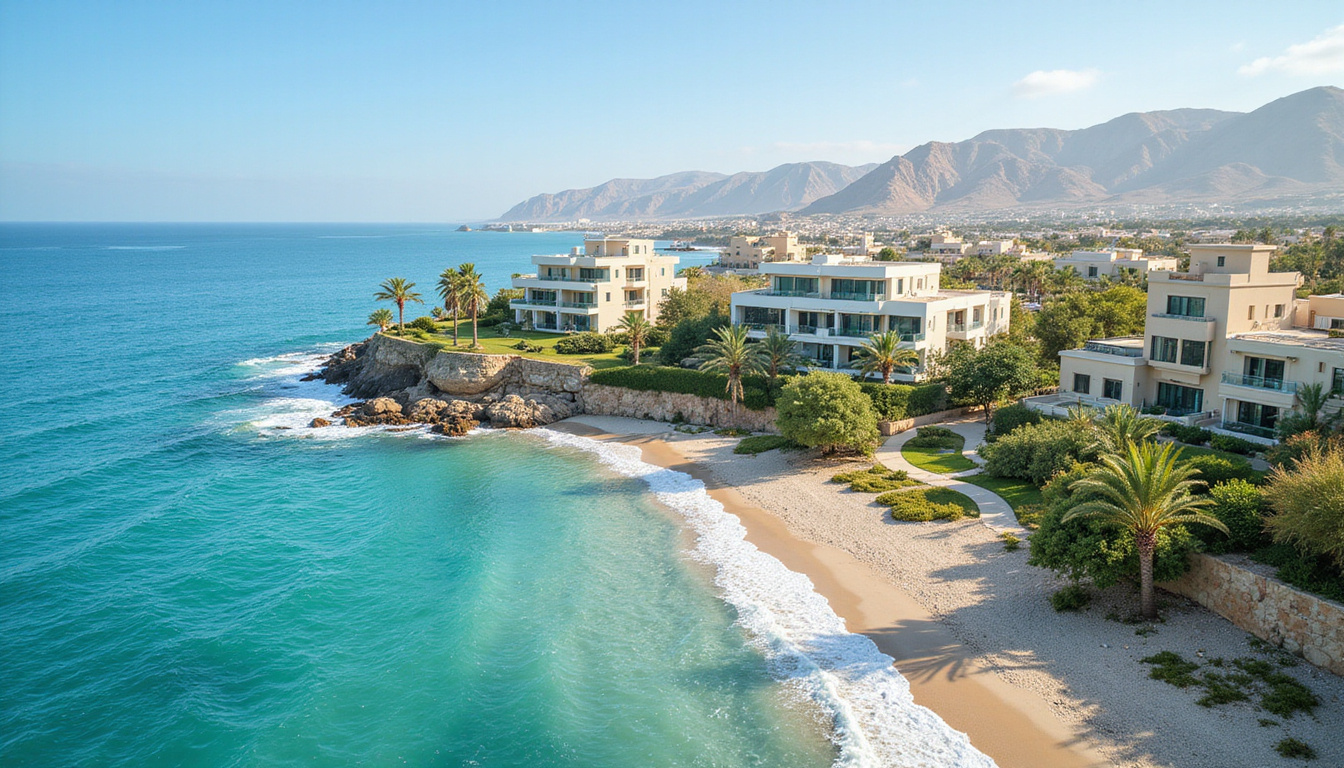
Suez properties are rapidly gaining attention from both local and international investors seeking strong returns in Egypt’s coastal real estate market. With its strategic location on the Suez Canal, proximity to Cairo, and emerging tourism and logistics projects, Suez is shifting from an industrial port city into a promising real estate hotspot. If you’re considering entering this growing market, understanding local dynamics, regulations, and demand patterns is key to achieving high ROI.
Below is a practical, investor-focused guide to help you navigate Suez properties with confidence.
Why Suez Properties Are Attracting Smart Investors
Suez sits at the southern gateway of the Suez Canal, one of the world’s busiest trade routes, and forms part of the larger Suez Canal Economic Zone (SCZone). This gives the city a unique blend of:
- Industrial importance
- Emerging logistics and free-zone activity
- Access to the Gulf of Suez coastline
- Convenient distance from Greater Cairo (about 90–120 minutes by car)
This combination is pushing up demand for both residential and commercial Suez properties. Investors are increasingly drawn to:
- Rental potential from workers in industrial zones and logistics hubs
- Coastal second-home demand from Egyptian families seeking a weekend or holiday escape
- Capital appreciation as infrastructure and mega-projects continue to expand around the canal and the Gulf
According to the Suez Canal Authority, canal revenues and traffic have grown significantly over the last decade, underlining the strategic and economic importance of the region (source: Suez Canal Authority). This economic growth indirectly supports property values and demand in Suez and nearby areas.
Key Coastal and Urban Areas for High-ROI Suez Properties
Not all parts of Suez are equal from an investment perspective. To target high-ROI opportunities, focus on a few high-potential zones:
1. Urban Suez: Central Residential & Mixed-Use
Central Suez city offers:
- Mid-range apartments geared towards local families and workers
- Mixed-use buildings with ground-floor retail and upper-level apartments
- Proximity to schools, hospitals, and government services
These Suez properties are suitable for steady, long-term rental income rather than high speculative gains. You’ll find:
- Strong demand from public-sector employees and industrial zone workers
- Lower entry price compared with Cairo or major Red Sea resorts
- More predictable occupancy rates
2. Gulf of Suez Waterfront & North Coast of the Gulf
Coastal areas along the Gulf of Suez are the core of high-ROI coastal investments:
- Resort-style compounds and chalets: Popular as second homes and vacation rentals
- Beachfront villas: Higher ticket size but strong appreciation potential
- Upcoming hospitality projects: Hotels, serviced apartments, and resorts
Investors here focus on:
- Short-term holiday rentals for Egyptian families and regional tourists
- Capital gains from early entry into new projects as infrastructure improves
Waterfront Suez properties are particularly attractive when they have:
- Private or semi-private beach access
- On-site amenities (pools, sports courts, kids’ areas)
- Good security and property management
3. Suez Canal Economic Zone (SCZone) Adjacent Areas
The SCZone is a massive government-backed development area that aims to transform the region into a global industrial and logistics hub. Areas adjacent to key SCZone clusters are attractive for:
- Worker and executive housing (mid- to upper-middle segment)
- Small offices and service apartments for consultants and technicians
- Warehousing and small industrial units for SME businesses
Real estate demand often trails large industrial investment, so buying early near major zones can position you for strong long-term capital appreciation.
Understanding Demand Drivers for Suez Properties
To maximize ROI, align your investment with the major drivers of local demand:
1. Industrial and Logistics Employment
Factories, ports, and logistics companies bring in:
- Blue-collar workers needing affordable rentals
- Engineers, managers, and foreign experts seeking higher-end housing
This supports consistent rental demand for:
- Mid-priced apartments in central Suez
- Gated communities with better amenities
- Furnished rentals near industrial clusters
2. Domestic Tourism and Second Homes
The Gulf of Suez is not yet as famous as the Red Sea resorts, but it offers:
- Shorter travel time from Cairo and New Capital
- A “quiet getaway” appeal for families
- Attractive pricing compared to Hurghada, Sharm El Sheikh, and Ain Sokhna
These factors help coastal Suez properties generate:
- Seasonal rental income (weekends, public holidays, summer)
- Steady long-term value growth as tourism infrastructure matures
3. Government and Mega-Project Spending
Egypt’s focus on:
- Expanding the Suez Canal
- Building new ports and industrial parks
- Improving highways between Cairo, Suez, and the New Administrative Capital
All support long-term demand for both residential and commercial real estate. Infrastructure investments typically raise land values and sustain higher property prices over time.
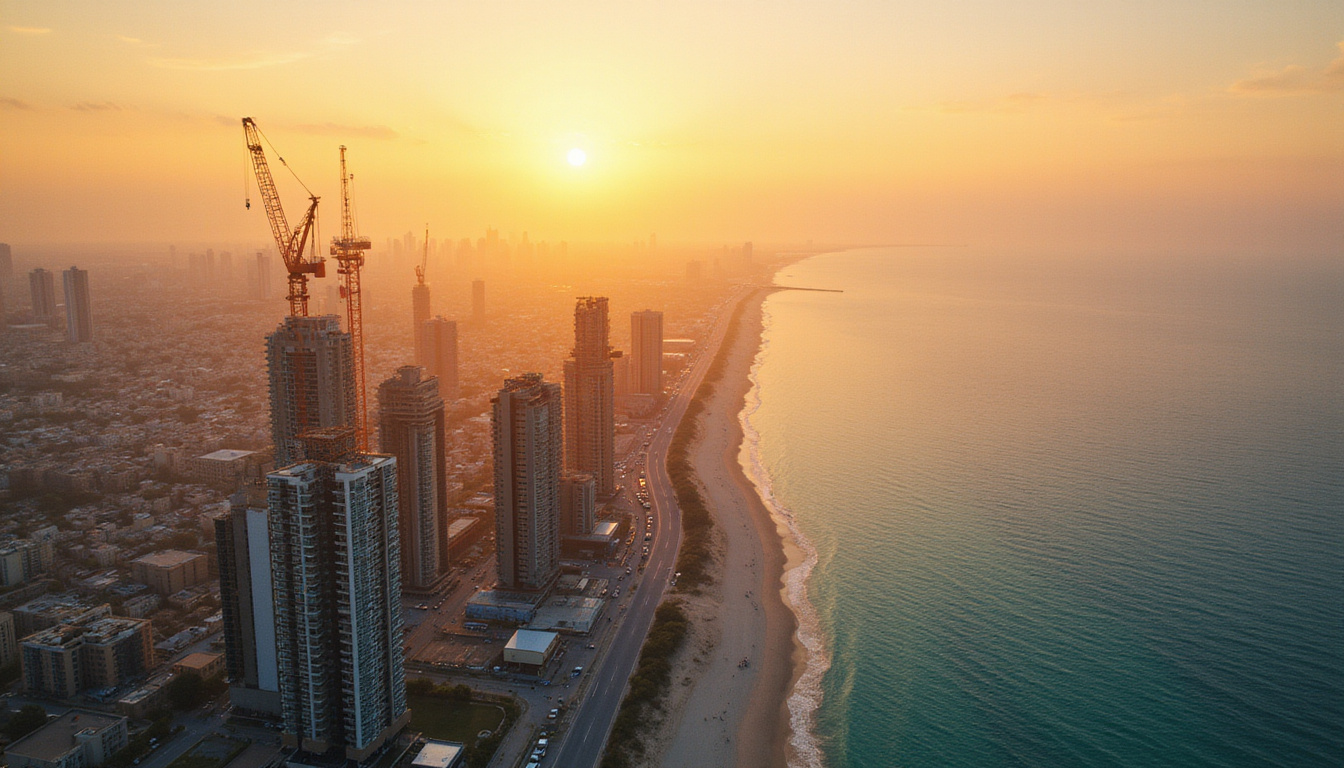
Types of Suez Properties: Which Asset Class Fits Your Strategy?
Your choice of property type shapes your risk-return profile. Consider these main categories:
Residential Apartments
- Target tenants: Local families, industrial workers, mid-level managers
- Pros: Lower entry cost, stable long-term rental demand
- Cons: Slower appreciation than prime coastal villas
Best for: Investors prioritizing steady cash flow over high speculation.
Coastal Chalets and Villas
- Target occupants: Second-home buyers and holiday renters
- Pros: Higher appreciation potential, strong seasonal daily/weekly rental rates
- Cons: More volatile occupancy, higher maintenance costs
Best for: Investors comfortable with seasonal income who want strong capital gains.
Commercial Spaces (Retail, Offices, Small Warehouses)
- Target tenants: Local services, logistics SMEs, port-related businesses
- Pros: Higher yields per square meter, longer lease terms
- Cons: Higher exposure to economic cycles and business closures
Best for: Experienced investors who understand local business demand and can handle longer vacancy periods.
Essential Due Diligence for Investing in Suez Properties
Egypt’s property market offers strong opportunities but requires careful due diligence. Before purchasing Suez properties, go through these checks:
Title and Ownership Verification
- Ensure the seller is the true legal owner.
- Consult a local real estate attorney to verify registration and possible disputes.
Developer Track Record
- For off-plan or compound projects, investigate previous projects’ delivery times and quality.
- Visit delivered compounds or speak with current owners.
Zoning and Land Use
- Confirm that the land is zoned for the intended use (residential, commercial, touristic).
- Check for any pending regulatory changes.
Infrastructure and Accessibility
- Assess road connectivity, public transport, utilities, and internet.
- Future infrastructure plans can significantly affect property value.
Rental Market Evidence
- Compare actual rental contracts, not just advertised listings.
- Talk to local agents about vacancy rates and tenant profiles.
Calculating and Maximizing ROI on Suez Properties
To objectively compare options, calculate:
- Gross Rental Yield = Annual Rent ÷ Purchase Price
- Net Yield = (Annual Rent – Expenses) ÷ Purchase Price
Key expense categories:
- Maintenance and service charges (especially in coastal compounds)
- Property taxes and municipal fees
- Furnishing and upgrades
- Agent commissions and property management
Practical Ways to Boost Returns
- Buy early in promising projects: Pre-launch or early-stage phases often offer lower prices.
- Optimize for short-term rentals: In coastal areas, well-furnished chalets marketed on digital platforms can outperform traditional long leases.
- Value-add renovations: Simple cosmetic upgrades (paint, kitchens, bathrooms) can justify higher rents.
- Professional management: A reliable local property manager can reduce vacancy and handle tenant issues efficiently.
Risks to Watch Out For in Suez Real Estate
No investment is risk-free. Be aware of:
- Project delays: Off-plan developments may take longer than promised. Factor in conservative timelines.
- Seasonal demand swings: Coastal rentals may be strong in summer but quieter off-season.
- Currency and macroeconomic risks: Fluctuations in the Egyptian pound and inflation can affect costs and real returns, particularly for foreign investors.
- Regulatory changes: Shifts in zoning, taxation, or foreign ownership rules can alter the market environment.
Mitigate risk by:
- Diversifying between city and coastal Suez properties
- Keeping adequate cash reserves
- Working with experienced lawyers and licensed real estate brokers
Lifestyle Considerations: Living, Working, or Retiring in Suez
Beyond ROI, consider the lifestyle aspects:
- Climate: Hot, dry summers with mild winters along the Gulf.
- Services: Growing but still more limited than Cairo; plan for occasional trips to the capital for specialized healthcare or services.
- Community: A mix of local families, industrial workers, and an increasing number of professionals linked to SCZone projects.
If you’re planning to live in or frequently visit your property, it’s worth watching “Things I Wish I Knew Before Moving to Egypt – My Honest Experience” to get a feel for everyday life and practical realities in the country:
Step-by-Step Blueprint for Investing in Suez Properties
Use this simple framework to structure your investment journey:
Define your strategy
- Cash flow vs. capital appreciation
- Short-term holiday rentals vs. long-term tenants
Select your submarket
- Central Suez city, coastal Gulf of Suez areas, or SCZone-adjacent zones
Set your budget and financing plan
- Decide on cash vs. mortgage vs. developer installment plans
Shortlist 3–5 projects or neighborhoods
- Compare pricing, amenities, accessibility, and developer reputation
Conduct due diligence
- Legal checks, title deed review, and site visits
Run the numbers
- Estimate realistic rent, occupancy, and all running costs
Negotiate and close
- Leverage market data to negotiate purchase price and payment terms
Plan management and exit
- Decide who will manage the property and define an exit horizon (5–10 years, or longer)
Quick FAQ on Investing in Suez Properties
1. Are Suez properties a good investment compared to other coastal areas in Egypt?
Suez properties typically offer lower entry prices than more famous resort cities like Hurghada or Sharm El Sheikh, while benefiting from proximity to Cairo and major industrial zones. This balance can translate into attractive long-term ROI, particularly if you buy in well-located Gulf of Suez compounds or areas near the Suez Canal Economic Zone.
2. How can foreign investors buy property in Suez, Egypt?
Foreigners can purchase Suez real estate subject to Egyptian property laws, which generally allow freehold ownership for residential properties with some conditions (such as limits on the number of properties and minimum holding periods). Work with a local lawyer to navigate registration, residency-related questions, and any specific rules affecting Suez properties.
3. What rental yields can I expect from coastal Suez real estate investments?
Yields vary by location and property type. Central city apartments typically generate steady but moderate yields, while coastal chalets and villas can achieve higher seasonal returns, especially if marketed effectively to weekend and holiday renters from Cairo. Well-chosen Suez properties in prime coastal compounds can deliver solid net yields when combined with thoughtful furnishing and professional management.
Ready to Enter the Suez Property Market?
Suez properties sit at the intersection of coastal living, industrial growth, and national mega-projects—an unusual and powerful combination for real estate investors. Whether you’re targeting steady rental income from city apartments, long-term appreciation in SCZone-adjacent housing, or high-yield vacation rentals along the Gulf of Suez, the key is informed, data-based decision-making.
Start by clarifying your strategy and budget, then partner with a reputable local agent and legal advisor to shortlist and vet opportunities. The investors who move early—while Suez is still transitioning from an industrial port to a diversified coastal city—are likely to capture the strongest returns.
If you’re serious about building a profitable Egypt-focused portfolio, now is the time to explore Suez properties, run the numbers, and secure your foothold in this emerging coastal market.