
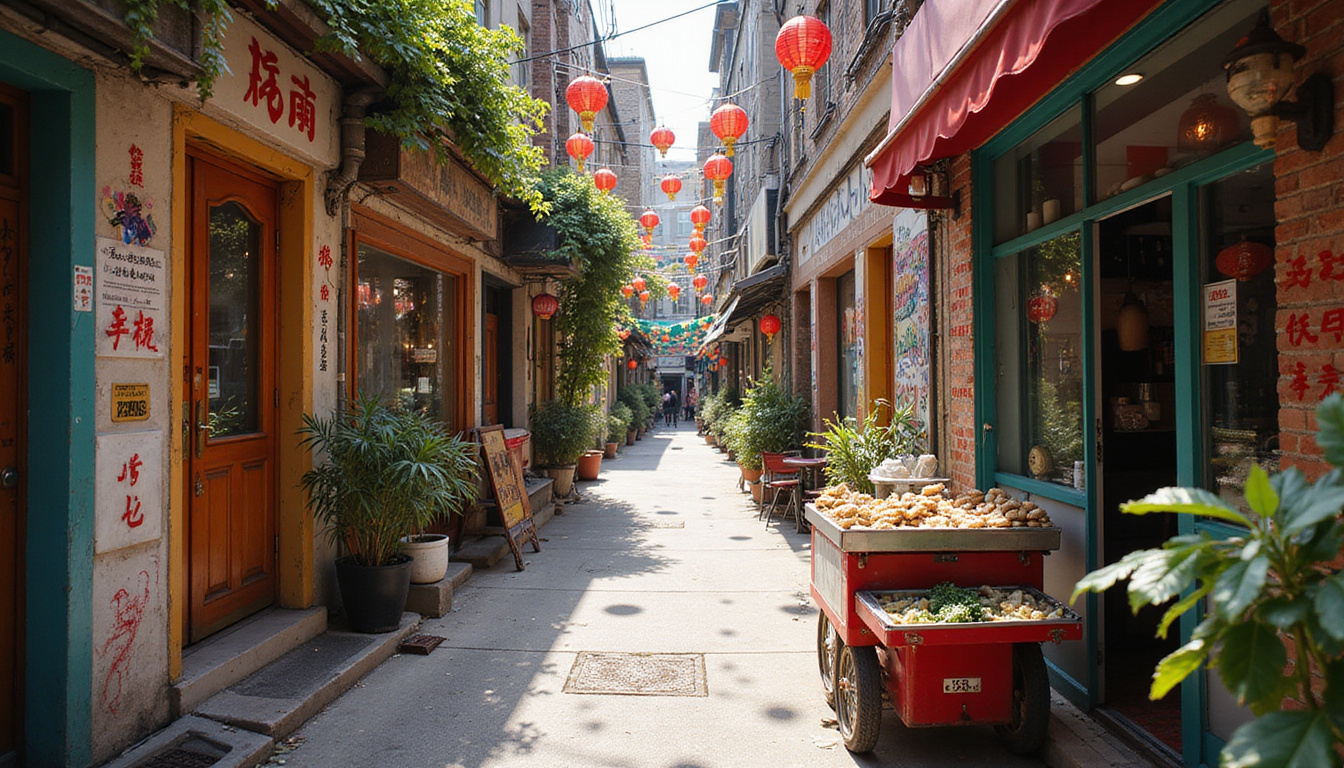
Neighborhood guides are one of the most powerful tools you can use to truly understand a city—especially in a diverse, fast-growing market like Egypt’s. Whether you’re planning a move, scouting investment opportunities, or simply exploring new areas to live, well-crafted neighborhood guides help you go beyond glossy brochures to the real life on the ground: the streets, cafés, commute, community feel, and long-term potential.
In this article, you’ll find a practical framework for using neighborhood guides to make smarter decisions, plus Egypt-focused examples, local eats, and insider tips that go beyond the usual tourist trail.
Why Neighborhood Guides Matter (Especially in Egypt)
In Egypt, two districts separated by a 15-minute drive can offer completely different lifestyles, price levels, and investment profiles. Neighborhood guides help you:
- Compare areas based on lifestyle, not just price
- Understand daily realities: traffic, noise, safety, and amenities
- Spot upcoming hot spots and future appreciation potential
- Avoid costly mistakes like buying or renting in the wrong location
For people evaluating properties in Cairo, Giza, Alexandria, the Red Sea, or New Administrative Capital, detailed neighborhood guides are the bridge between online listings and actual livability.
What a Great Neighborhood Guide Should Include
Before diving into specific examples, it helps to know how to evaluate any neighborhood guide you come across—whether it’s a blog post, agent’s report, or a video tour.
A high-quality guide should cover:
Location & Access
- Distance to city center or main business districts
- Public transport options (metro, buses, ride-hailing)
- Road connections and average traffic patterns
Lifestyle & Community
- Who typically lives there (families, students, expats, professionals)
- Vibe: quiet and residential vs. lively and urban
- Green spaces, waterfronts, walking areas
Property Market Snapshot
- Typical prices to rent and buy
- Main property types (compounds, old buildings, villas, apartments)
- Current demand and future development plans
Local Eats & Daily Conveniences
- Notable cafés, restaurants, and street food
- Proximity to supermarkets, pharmacies, clinics
- Malls, gyms, and co-working spaces
Schools & Services
- Nearby schools and universities
- Access to hospitals and key services
- Religious facilities (mosques, churches)
Pros, Cons & Insider Tips
- What residents love
- Common complaints (noise, parking, water pressure, etc.)
- Who the area is best suited for
Whenever you read or watch neighborhood guides, check how many of these points they actually address. The more complete the picture, the better your decision will be.
Cairo’s Key Neighborhoods: How Guides Help You Compare
Greater Cairo can feel overwhelming at first glance. Good neighborhood guides help you narrow down options by matching areas to your priorities.
Zamalek: Classic, Green, and Central
- Who it suits: Diplomats, expats, professionals, culture lovers
- Lifestyle: Leafy Nile island, walkable streets, embassies, galleries
- Properties: Older, character apartments; limited new construction
- Why guides matter: Rental prices and building quality vary widely; a detailed guide helps you pinpoint the streets with the most charm and least noise.
Local eats to look for in a Zamalek guide:
- Cozy Nile-view cafés for remote work
- International restaurants mixed with Egyptian classics
- Bakeries and dessert spots on secondary streets
New Cairo & Fifth Settlement: Modern, Master-Planned Living
- Who it suits: Families, investors, corporate professionals
- Lifestyle: Wide roads, compounds, malls, international schools
- Properties: Gated compounds, villas, modern apartments
- Why guides matter: Distances are large; a guide should explain the differences between South 90, North 90, and inner residential pockets, as well as which compounds are closer to real services vs. isolated.
Good New Cairo neighborhood guides will map:
- School clusters and top international schools
- Major employment hubs and office parks
- Where daily traffic bottlenecks actually happen
Maadi: Green, Relaxed, and Community-Driven
- Who it suits: Long-term expats, families, remote workers
- Lifestyle: Tree-lined streets, garden villas, strong community feel
- Properties: Mixture of villas, older apartments, and some modern builds
- Why guides matter: Maadi has very distinct micro-areas (Maadi Degla, Sarayat, Old Maadi). A detailed neighborhood guide will highlight which pockets are quieter, which have the best walking routes, and which are closer to the metro.
Local eats that should appear in any Maadi guide:
- Long-established cafés with outdoor seating
- Family-friendly restaurants and pizza spots
- Health-focused eateries and bakeries popular with expats
If you’re considering a move, this video offers an honest personal angle that pairs well with written neighborhood guides:
Hidden Gem Neighborhoods Often Missed by Casual Guides
Some of the best opportunities—both for living and investment—sit in areas that basic neighborhood guides barely mention. Here are a few types of “hidden gems” to watch for:
Up-and-Coming Areas on the Edge of Major Hubs
- Examples: Parts of 6th of October City, New Capital suburbs, emerging Red Sea residential belts
- Why they’re overlooked: Less glamour, fewer malls (for now), ongoing construction
- Why they matter: Lower entry prices with strong upside once infrastructure and services mature
Good neighborhood guides to these areas should highlight:
- Planned schools, hospitals, and commercial centers
- Government infrastructure commitments and timelines
- Current vs. projected commute times to business hubs
Older Districts with Strong Bones and New Life
Neighborhoods with beautiful older buildings and solid infrastructure can transform when cafés, galleries, and startups move in.
- Examples: Parts of Heliopolis, Garden City, and central Alexandria
- What to look for in guides:
- Renovation trends and preservation rules
- Street-by-street differences in noise and building quality
- Local eateries that have become “anchors” for a younger crowd
These districts often blend authentic Egyptian urban life with rising demand from professionals who prefer character over compounds.
How to Use Neighborhood Guides When Choosing a Property
You can make neighborhood guides far more effective by turning them into a step-by-step decision tool rather than just casual reading.
Step 1: Define Your Non-Negotiables
Before diving into guides for every area, list your must-haves:
- Maximum commute time
- Budget range
- Minimum property size
- Need for nearby school or daycare
- Preference for compound vs. open city neighborhood
This filters out many areas instantly.
Step 2: Shortlist 3–5 Neighborhoods
Use multiple neighborhood guides to shortlist just a few candidates. For each, ask:
- Does the lifestyle fit me (quiet vs. buzzing, green vs. urban)?
- Are the schools/services aligned with my needs?
- Are prices realistic for my budget and goals?
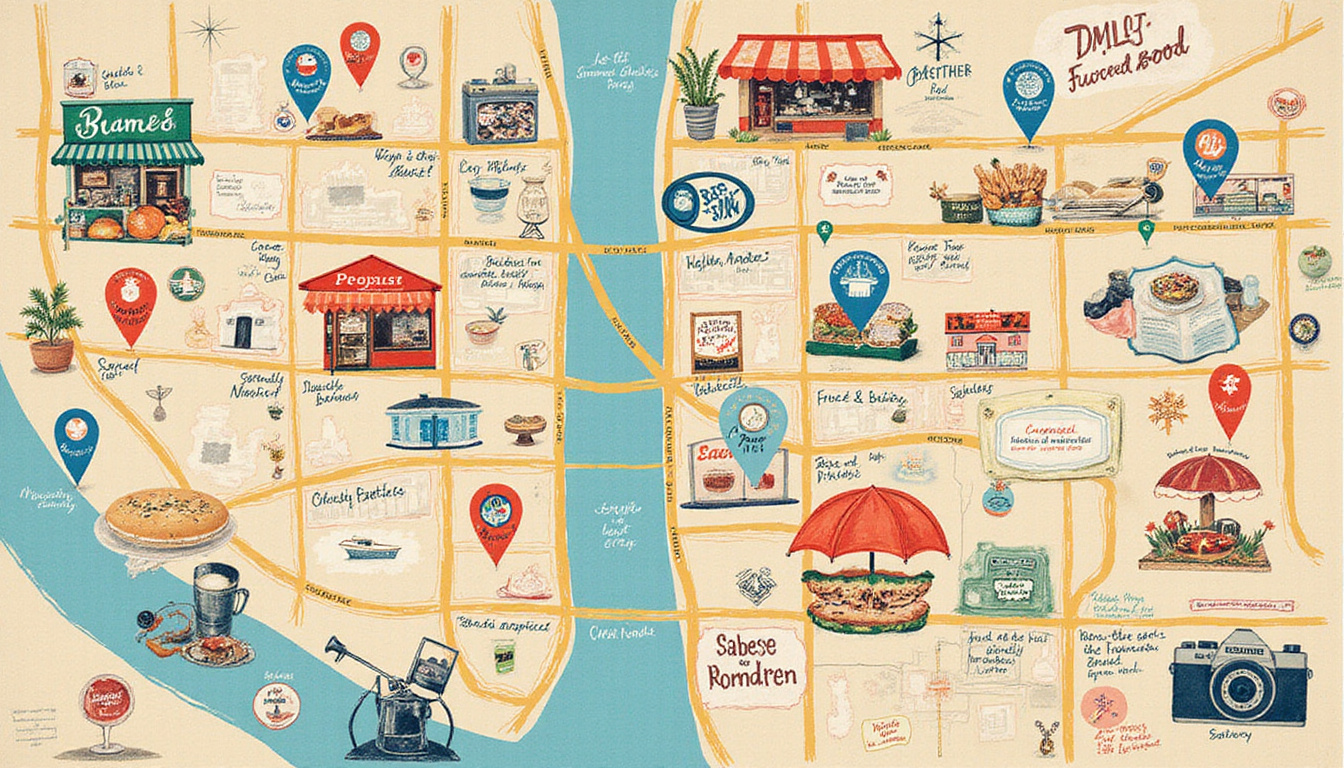
Keep notes—treat it like you’re building your own personalized guide.
Step 3: Cross-Check with Data
Once a neighborhood looks promising, validate the guide with:
- Recent property price trends and rent levels
- Planned infrastructure projects (new metro lines, roads, business districts)
- Safety and walkability impressions from resident forums or social groups
The Egyptian government’s official statistics and urban development updates can be a useful reference point (source: Egyptian Cabinet Information and Decision Support Center).
Step 4: Visit and “Live a Day” There
No matter how detailed neighborhood guides are, nothing replaces a visit:
- Test your potential daily route: home → school → work → supermarket
- Walk key streets at different times (morning, afternoon, late evening)
- Try at least one local café and restaurant to get a feel for the community
Treat the day like a rehearsal of your future life there.
Local Eats: Reading Between the Lines of Food Mentions
In Egypt, food is a surprisingly accurate indicator of neighborhood personality. When reading neighborhood guides, pay attention not just to the names of restaurants but to what they imply:
Trendy brunch spots & specialty coffee:
Often signal young professionals, higher demand for rentals, and walkable streets.Family-oriented Egyptian restaurants, koshary, foul & taameya:
Indicate dense, community-based areas with strong everyday life and value-driven options.Fine dining and riverfront venues (especially in Cairo and Alexandria):
Point to premium pockets where property prices and rents tend to be higher.
When a guide lists only big mall chains and no independent spots, you’re likely looking at a car-dependent, suburban-style neighborhood—important context if you love walking and street life.
Top Tips for Getting the Most from Neighborhood Guides
To turn neighborhood guides into practical tools rather than just nice reading, try this simple checklist:
- Always consult at least two or three different guides for the same area
- Prioritize recent content (within the last 12–18 months) to avoid outdated info
- Watch at least one video walkthrough to complement written guides
- Talk to actual residents via online groups or local connections
- Track recurring themes: if everyone mentions traffic or parking, believe them
- Match your property horizon (1–3 years vs. 10+ years) to the neighborhood’s stage of development
Frequently Asked Questions About Neighborhood Guides
1. How can neighborhood guides help me choose where to live in Egypt?
Neighborhood guides give you a realistic view of daily life beyond listing photos: commute times, noise, services, and community feel. By comparing several guides for the same area, you can quickly see which neighborhoods match your lifestyle, budget, and long-term plans—whether that’s a quiet family compound in New Cairo or a character apartment in Zamalek.
2. What should I look for in the best neighborhood guides for Cairo?
The best neighborhood guides for Cairo clearly explain: access to metro and main roads, typical rent and purchase prices, types of buildings (old, new, compounds), school and hospital options, and honest pros and cons. They also highlight local cafés, markets, and hidden gems so you can imagine your day-to-day life there.
3. Are online neighborhood guides enough to decide on a property?
Online neighborhood guides are an excellent starting point, but they shouldn’t be your only source. Use them to shortlist areas, then confirm by visiting in person, talking to current residents, and consulting recent market data. Think of guides as your map—your own visits and conversations are the reality check.
Ready to Turn Neighborhood Insights into Smart Property Decisions?
Well-structured neighborhood guides can save you months of trial and error, protect you from costly location mistakes, and point you toward emerging hot spots with real long-term potential. Whether you’re eyeing a Nile-view apartment, a quiet villa in a gated community, or a character home in an older district, the right guide will show you how people actually live there—not just how properties are advertised.
If you’re serious about finding the right place in Egypt, don’t rely on random opinions or a single viewing. Start by comparing neighborhood guides, then partner with local experts who know these areas street by street. Combine data, on-the-ground experience, and your own priorities—and you’ll be ready to choose a neighborhood that feels like home today and a smart investment tomorrow.