
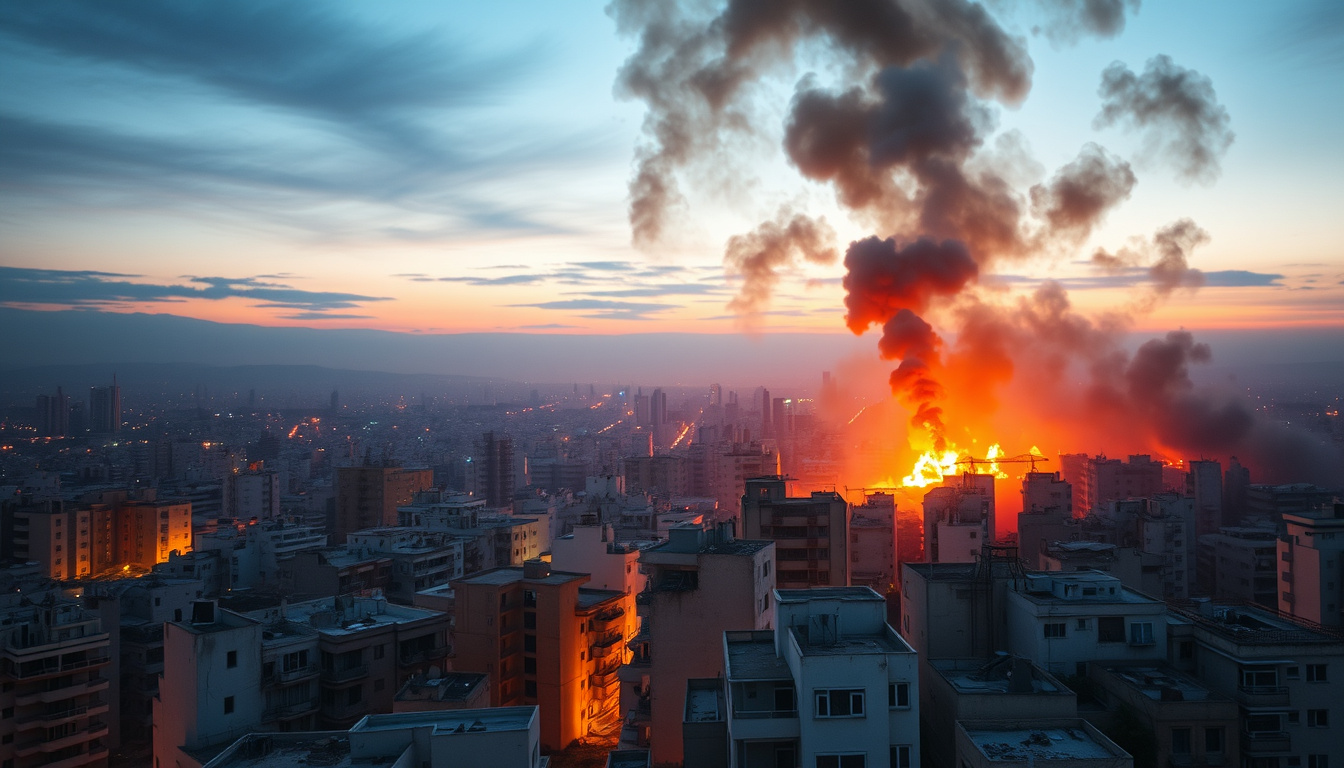
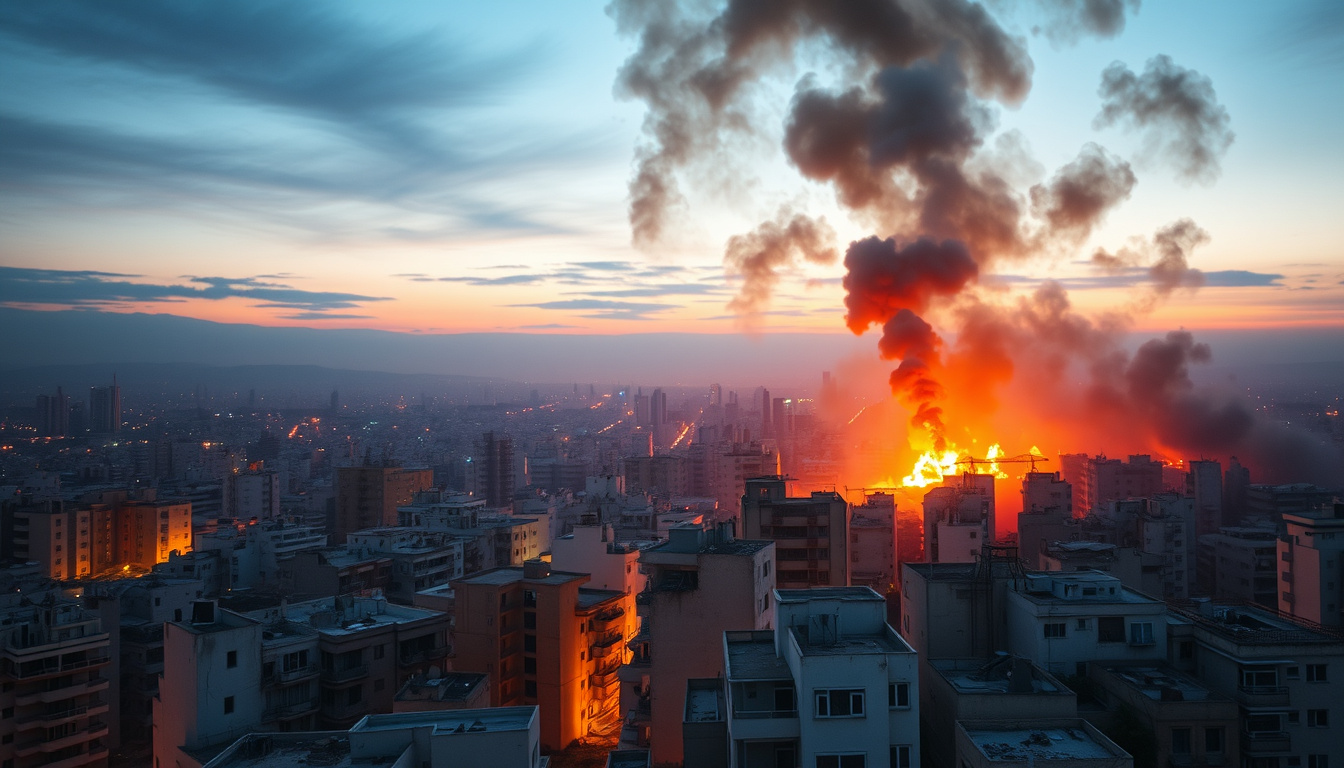
On April 8, 2026, the world watched in shock as Israeli warplanes unleashed a barrage of airstrikes on Beirut, targeting densely populated areas without any prior warning.
This aggressive military action marked one of the most severe assaults on the Lebanese capital amidst ongoing regional tensions, particularly in the context of a fragile ceasefire between the United States and Iran.
The aftermath of these strikes was devastating; neighborhoods like Corniche al Mazraa were left in ruins, leading to destruction and chaos on the streets.
Reports indicated that the death toll could soar to 300 with countless others injured, prompting Lebanese President condemnation of the strikes as a representation of Israel’s barbarism.
This article will delve into the details of the airstrikes, the responses from key stakeholders, and the broader implications for the tenuous ceasefire.
Key Takeaways
- Israeli airstrikes on Beirut mark a significant escalation in the ongoing conflict, causing widespread destruction and loss of life.
- The recent attack occurred amidst a fragile ceasefire between the US and Iran, highlighting Israel’s defiance in military operations against Hezbollah.
- Iran has condemned the airstrikes, signaling potential retaliation and complicating prospects for peace in the region.
Overview of the Airstrikes and Immediate Impact
On April 8, 2026, an unprecedented onslaught unfolded as Israeli warplanes launched extensive airstrikes on Beirut, marking one of the most devastating assaults on the city amid escalating conflicts in the region.
The strikes primarily targeted densely populated neighborhoods such as Corniche al Mazraa, leading to catastrophic explosions that reverberated throughout the streets, triggering chaos and significant destruction.
As emergency responders rushed to the scene, initial reports indicated a staggering estimated death toll nearing 300, with countless others injured, sending shockwaves of despair across the nation.
The Lebanese President did not hold back in his condemnation, labeling the attacks a ‘new massacre’ and a brazen act of barbarism from Israel, highlighting the mounting civilian toll in this ongoing conflict.
These airstrikes came on the heels of a fragile diplomatic breakthrough—a two-week ceasefire had just been announced between the United States and Iran amid rising tensions in the region.
However, Israeli officials, including Prime Minister Netanyahu, swiftly clarified that this ceasefire did not extend to their military efforts against Hezbollah in Lebanon.
Netanyahu’s unwavering stance emphasized Israel’s commitment to continuing military operations, even in the face of diplomatic agreements aimed at fostering peace.
The international community has turned a watchful eye toward this volatile situation, as Iran denounced the airstrikes as a blatant violation of the ceasefire and hinted at potential retaliatory measures against Israel.
As hostilities reignite, the human cost rises steeply, with over 1,530 lives claimed in Lebanon since the resumption of hostilities on March 2, 2026, further solidifying a grim narrative of civilian suffering in a protracted conflict.
Reactions from Key Stakeholders and Implications for the Ceasefire
The airstrikes have ignited responses from various key stakeholders, highlighting the complex and volatile nature of the ongoing conflict.
The Lebanese government, alongside President Michel Aoun’s stern condemnation, has called for international intervention to protect civilians and stop the aggression.
Meanwhile, international organizations, including the United Nations, have expressed grave concern over the rising civilian casualties and the humanitarian crisis unfolding in Beirut.
Their appeals for restraint echo the urgent need for a sustainable ceasefire, underscoring the delicate balance between military action and diplomatic negotiations.
Iran’s potential retaliation following these strikes adds another layer of complexity, as it threatens to escalate not only the conflict with Israel but also regional stability.
Furthermore, the United States is faced with the challenge of mediating peace while maintaining its alliances, particularly with Israel.
As reactions unfold, the implications of these airstrikes could significantly affect the likelihood of achieving lasting peace in a region long plagued by strife.