
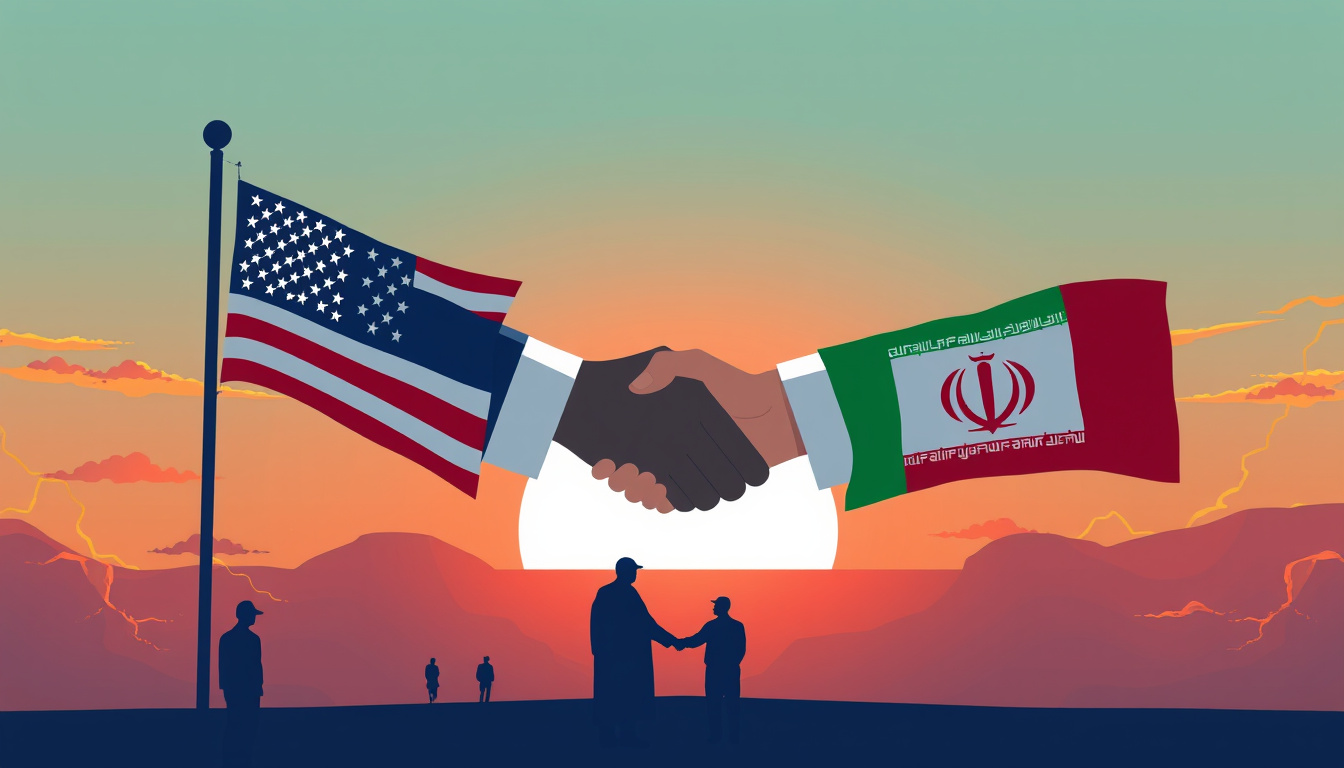
The recent announcement of a conditional ceasefire agreement between the United States and Iran marks a pivotal moment in a long-standing series of tensions that have defined their relationship over the past several decades.
As both nations navigate the complex geopolitical landscape, this two-week ceasefire presents a glimmer of hope for peace and diplomacy yet carries significant implications for regional stability.
In this article, we will delve into the details of the ceasefire agreement, examine its potential consequences for the involved parties and the broader Middle East, and highlight why the reopening of the Strait of Hormuz is crucial for global oil markets.
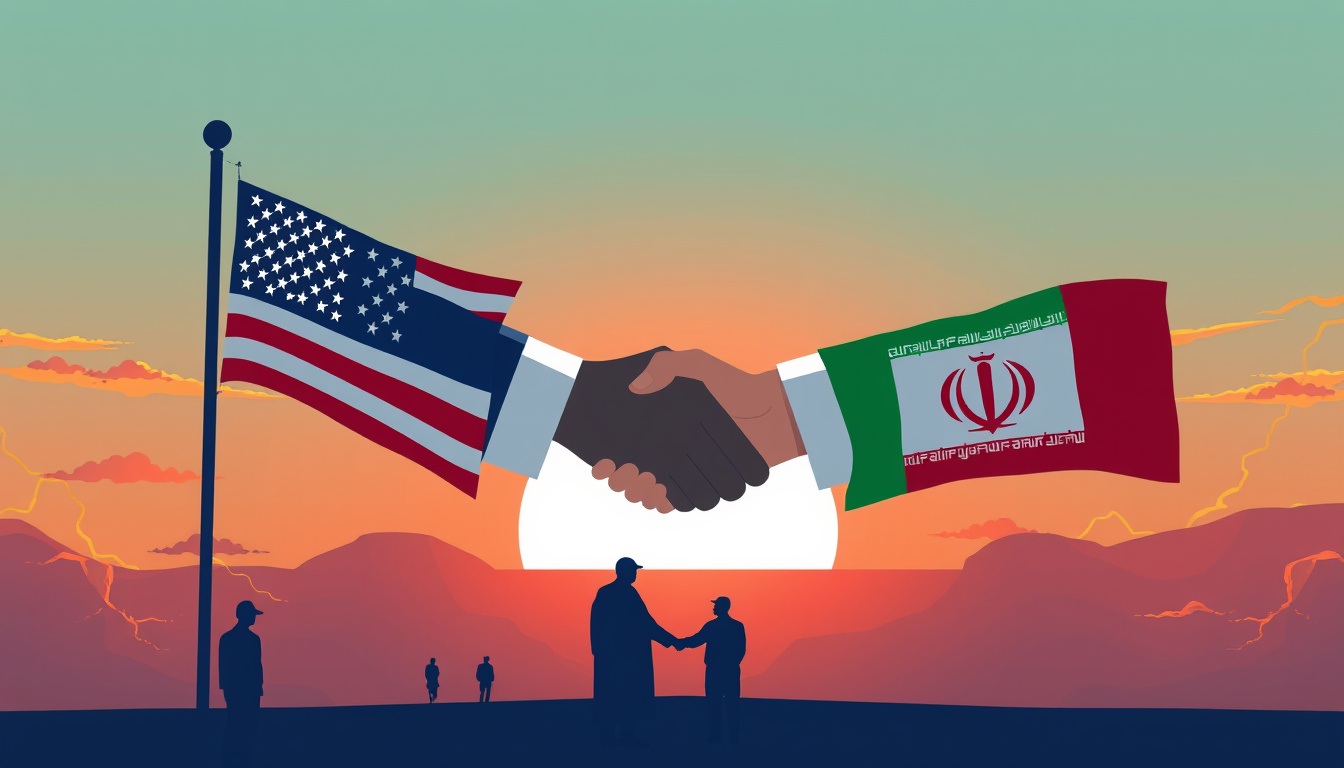
Key Takeaways
- The US-Iran conditional ceasefire highlights a tentative step towards de-escalation in Middle Eastern tensions.
- Iran’s acceptance of the ceasefire is tied to substantial concessions from the US, including sanctions relief and military guarantees.
- The effectiveness of the ceasefire remains uncertain due to ongoing regional instabilities and broader geopolitical implications.
Overview of the Conditional Ceasefire Agreement
# Overview of the Conditional Ceasefire Agreement
In a significant development on the international stage, a conditional two-week ceasefire agreement has been established between the United States and Iran, aimed at reducing escalating tensions and fostering negotiations.
Announced by US President Donald Trump on April 7, the temporary suspension of military strikes on Iranian targets is predicated on Iran’s commitment to ceasefire and assurance for safe passage through the strategically vital Strait of Hormuz, a crucial artery for global oil shipping.
Following this announcement, Iran’s Foreign Minister, Abbas Araghchi, confirmed that the nation accepted the ceasefire, contingent on the halt of attacks within its borders.
The Iranian Supreme National Security Council further reported that negotiations are set to take place within 15 days in Islamabad, intending to finalize the agreement’s terms.
These discussions will pivot around ensuring that Iran’s perceived victories in previous engagements transform into favorable political outcomes.
Notably, Iran is also pushing for more comprehensive conditions to secure a long-term resolution.
These include guarantees against future US military actions, enhanced Iranian oversight of the Strait of Hormuz, and the continuation of uranium enrichment.
Other demands feature the lifting of existing sanctions, the annulment of relevant UN resolutions, financial compensation from the US, the withdrawal of American troops from the region, and the cessation of numerous military operations.
While this ceasefire may pave the way for a more enduring agreement, the volatility in the region remains evident, underscored by ongoing missile alerts which signal instability.
Furthermore, the inclusion of allied nations, such as Israel and Lebanon, in this ceasefire arrangement remains uncertain.
The successful reopening of the Strait of Hormuz is particularly vital not just for Iran but for global economies, given that a substantial portion of the world’s oil supply traverses this route.
This delicate situation underscores the complexities ahead in achieving a lasting peace.
Potential Consequences and Regional Implications
The recent conditional ceasefire between the United States and Iran marks a pivotal moment in Middle Eastern geopolitics.
As both nations navigate this fragile agreement, the implications extend beyond their bilateral relations.
One potential consequence of this ceasefire is the shift in regional power dynamics, particularly concerning Iranian influence in Iraq and Syria, where it has been actively involved.
If Iran perceives this ceasefire as a diplomatic victory, it could embolden their regional ambitions, leading to increased tensions with neighboring countries and heightened military presence in contested areas.
Furthermore, the response of allied nations, such as Saudi Arabia and Israel, could complicate the landscape, potentially triggering a re-evaluation of their own military strategies.
As negotiations unfold in Islamabad, the international community will be watching closely, as any misstep could swiftly reverse progress towards de-escalation, impacting not just the immediate region but global oil markets reliant on the stability of the Strait of Hormuz.