
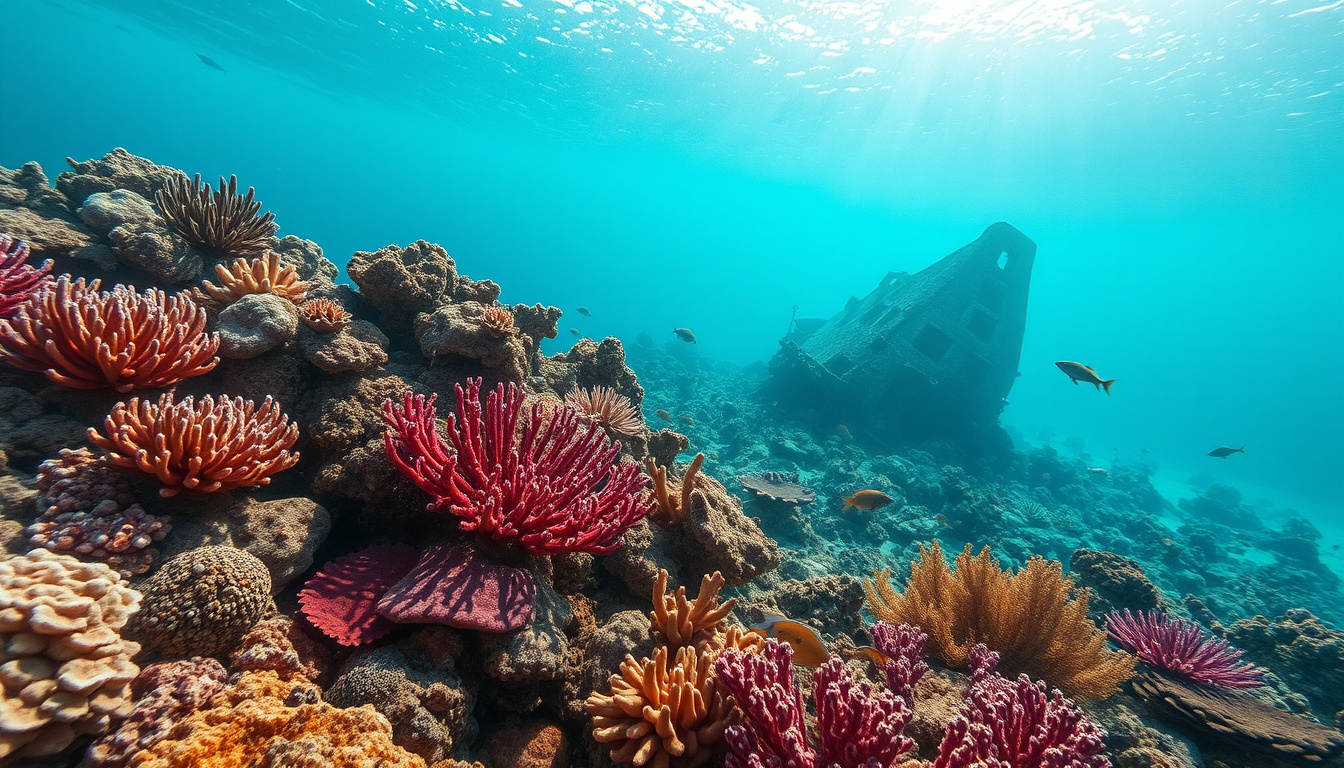
The Red Sea lies near Europe. It is known as one of the best places to dive. Its water stays warm all year. The sea has many kinds of underwater shapes and many marine animals. This copy lists the Red Sea’s dive sites, from shipwrecks and bright reefs to diverse sea life and cave dives. It also shows the best ways to enjoy this underwater space.
The Allure of the Red Sea for Divers
Warm Waters and Easy Reach
The waters stay warm all year. This fact draws divers who avoid the cold. The sea sits close to Europe. This short distance makes trips fast and simple. The sea gives a safe, warm spot for every dive.
Good for All Skill Levels
The sea fits divers of each skill level. New divers find shallow reefs and safe shore spots. Skilled divers can go to deeper wrecks, cave dives, and drift dives in flowing water. Many dive spots make the sea a place to learn and have fun.
Diving Regions of the Red Sea
Northern Red Sea: Shipwrecks and Shore Dives
The northern area, near Egypt, suits new divers. This zone has shipwrecks that are easy to reach. Many reef sites let divers see more of the sea. Shore dives are common because entry is easy. Divers stay longer underwater without long trips.
Liveaboard trips are not many in the north. Many divers from this zone use small boats for trips west or south. They mix shore dives with boat trips for new views.
Central and Southern Red Sea: Coral and New Tests
In central and southern parts, dive spots call for more skill. Here, water flows can be strong and deep. New divers may find these spots hard to work with.
Skilled divers see some of the best coral reefs. The reefs are full of life and bright colors. Shark views are common. You may see guitar sharks, reef tip sharks, and stronger oceanic whitetip sharks. Although attacks are rare, divers stay alert.
Sometimes, divers spot hammerhead or thresher sharks in deep water. Tiger sharks also join the group for those who like a challenge.
Unique Marine Wildlife Encounters
Beyond sharks, the Red Sea holds many surprises:
- • Dolphin groups: Many dolphins swim together. Watching these playful animals is a special event.
- • Dugongs: Known as "sea cows," dugongs are calm and rare. Seeing one is a very lucky find.
Cavern and Wreck Diving: Magical Underwater Spots
Cavern Diving Trips
Many divers like to see the natural rock shapes below the sea. The sea’s cavern dives give long, winding paths. Light shines through gaps and makes pretty patterns on the rock. This effect changes each dive.
Cavern dives work best for divers with good skill. The Red Sea makes these trips safe and full of sight. It invites divers to try a new kind of dive.
Shipwrecks: Tales Under the Water
The sea holds many shipwrecks in both north and south spots. In the north, many wrecks are close to shore. In the south, wrecks lie deeper and need careful skills.
These old ships hold old stories. They also give a home to many sea animals. Looking at these relics is both fun and a way to learn about history.
How to Experience Red Sea Diving: Shore vs. Liveaboard
Shore Diving: Day Trips and Ease
Many choose shore dives. They stay at resorts near places like Marsa Alam in Egypt. From the land, a small boat takes divers to different spots. This way works for those who want comfort and a mix of land and sea fun.
Often, however, a long boat ride—up to three hours—takes time. This fact means that much of the day goes to travel, not diving. This point makes shore diving less ideal for those who want more time underwater.
Liveaboard Dives: Deep Sea Trips
For those who love many dive spots, liveaboard trips give a full experience. A boat stays in the sea for days. With a liveaboard, divers wake up at new spots each day. They see shipwrecks, reefs, and caves without long rides from shore.
The boats serve all types of divers but often visit the more advanced areas. These trips let divers spend more time beneath the water and see rare scenes.
Best Practices and Safety Tips for Red Sea Diving
• Respect animals and plants in the sea. Avoid touching coral and moving fish, sharks, or dugongs.
• Stick to your limits. Strong water flows and deep spots need proper skills. Only dive if you feel ready.
• Keep safety in mind. Some shark species may act tough. Stay cautious if you meet them.
• Guard the sea. Clear water and living things depend on care from divers.
Frequently Asked Questions (FAQs)
Q1: When is the best time to dive in the Red Sea?
A: The Red Sea is good all year. Many divers pick March–May or September–November when the water is clear and warm.
Q2: Is the Red Sea a good choice for new divers?
A: Yes. Many shallow and calm spots near Egypt are safe for beginners.
Q3: Can I see sharks while diving in the Red Sea?
A: Yes. Many sharks swim here. You may see reef, guitar, oceanic whitetip, hammerhead, and tiger sharks.
Q4: What other sea life will I see?
A: You may see large groups of dolphins, dugongs, colorful coral, fish, and turtles.
Q5: What is the difference between shore diving and liveaboard diving?
A: Shore diving is from a coast resort with day trips. Liveaboard diving uses a boat that stays on the sea and takes you to many far sites.
Q6: Are there dangerous creatures or risks?
A: Oceanic whitetip sharks can be bold, but attacks are rare. Strong water flows in deep spots mean you should have proper skills.
Q7: What are the cavern dives like?
A: Cavern dives show rock paths where sun light makes clear patterns. They last longer and suit those who feel safe in tighter spots.
Conclusion
The Red Sea draws divers with many safe spots, rich sea life, old shipwrecks, and cool cavern trips. Whether you are new and enjoy bright reefs or skilled and seek deep wrecks and great sharks, the Red Sea gives a full underwater trip. Picking shore diving or liveaboard trips depends on your taste for ease or deep time in the water. With care and respect for life under the waves, you can enjoy the beauty of this special sea for years to come.