
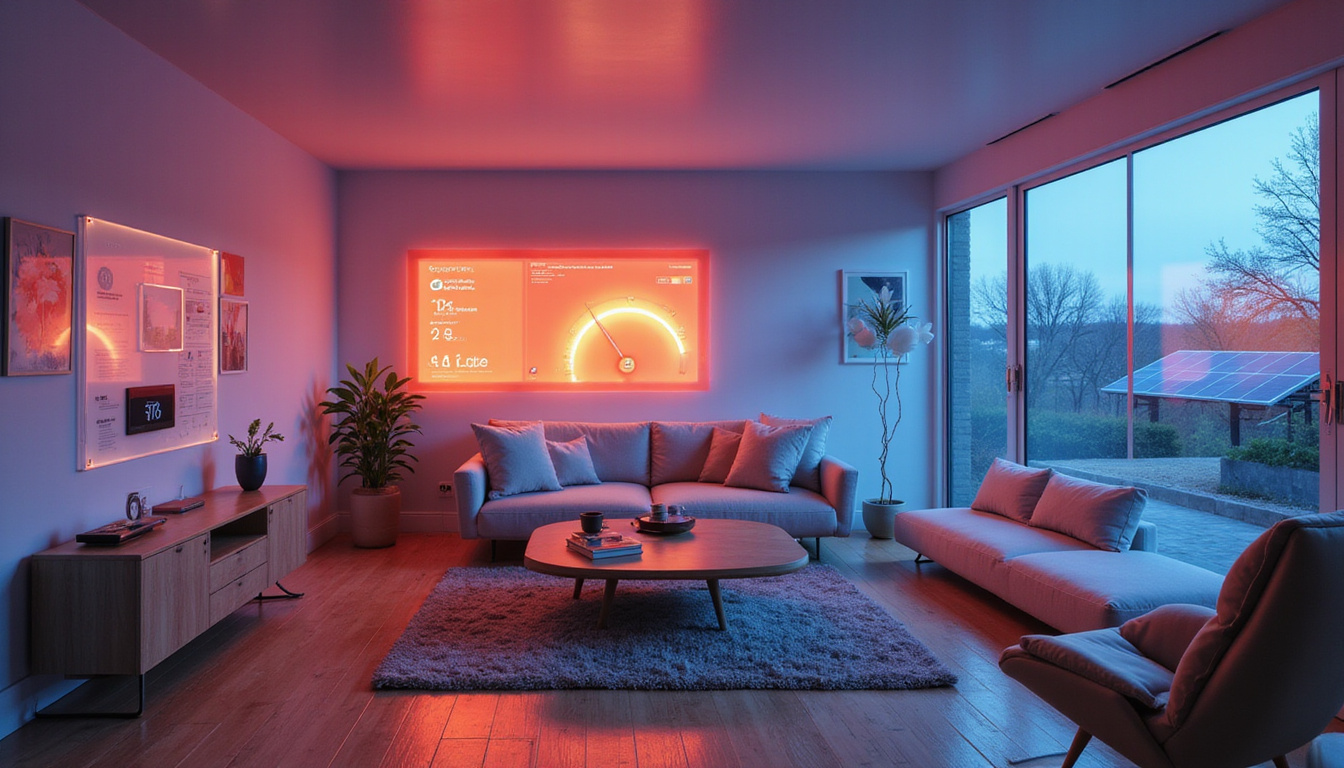
Smart homes are no longer futuristic concepts reserved for tech enthusiasts; they’re practical, affordable systems that can save you money and keep your family safer. By combining connected devices, automation, and a bit of strategy, you can dramatically cut your energy bills while boosting home security—whether you live in a city apartment, a family villa, or a vacation property in Egypt or abroad.
Below are proven, people-first smart home hacks you can actually use, without needing to be an engineer or spend a fortune.
What Makes Smart Homes “Smart” (and Why It Matters)
At its core, a smart home uses internet-connected devices to monitor and control systems like lighting, climate, security, and appliances. The “smart” part comes from:
- Automation: Devices respond automatically to schedules, sensors, or your location.
- Remote control: Manage your home from your phone, anywhere in the world.
- Data and optimization: Usage data helps you lower energy consumption and spot security gaps.
Done right, smart homes:
- Cut unnecessary energy use,
- Provide real-time visibility into what’s happening,
- And react faster than humans can in emergencies (like an intrusion or a leak).
Start with a Smart Energy Audit
Before buying gadgets, understand where your energy goes. A quick “smart audit” will guide your decisions.
Check your utility bills for patterns.
Note seasonal spikes and time-of-day usage if your provider shows it.Identify energy hogs.
Usually: air conditioning/heating, water heaters, refrigerators, lighting, and always-on electronics.Walk your home at night.
Look for “vampire” devices with glowing LEDs or warm power bricks—these are great candidates for smart plugs or power strips.Assess your Wi-Fi coverage.
Smart homes rely on stable connectivity. Dead zones mean unreliable devices.
With this snapshot, you can prioritize the smart home upgrades that provide the quickest savings.
Smart Thermostats: Your Biggest Energy-Saving Ally
Climate control is often the largest part of your energy bill, especially in warmer regions like Egypt where AC use is heavy. A smart thermostat can automate efficiency without sacrificing comfort.
Key benefits
- Learning schedules: Many models learn your routine and adjust automatically.
- Geo-fencing: Your phone’s location can tell the system to switch to eco mode when you leave and cool/heat before you arrive.
- Remote control: Turn AC or heating off if you forget, or adjust settings for guests or rental tenants.
- Usage insights: See how much energy each setting uses so you can find the sweet spot.
Simple thermostat hacks
- Use eco or “away” modes whenever the house is empty.
- Set temperature bands, not exact points (e.g., 24–26°C for cooling) to reduce compressor cycling.
- Program nighttime setbacks—slightly warmer at night in summer or cooler in winter can save significantly over time.
According to the U.S. Department of Energy, turning your thermostat back 7–10°F (about 4–6°C) for 8 hours a day can save up to 10% a year on heating and cooling (source: energy.gov).
Lighting Automation: Small Changes, Big Wins
Smart lighting is one of the easiest upgrades for smart homes and can cut wasteful usage with minimal effort.
Motion and occupancy sensors
Install sensors in:
- Hallways and corridors
- Bathrooms
- Staircases
- Storage rooms and garages
Lights turn on only when someone’s there and shut off automatically—perfect for kids who forget switches.
Smart bulbs and switches
- Smart bulbs: Great for color control, dimming, scenes, and individual lamps.
- Smart switches: Ideal for controlling whole circuits and existing fixtures.
Use:
- Schedules for outdoor and facade lighting at dusk and dawn.
- Dimming during movie nights or late evenings to reduce power and extend bulb life.
- All-off scenes from your phone or voice assistant when leaving home.
Even basic automation like turning off all non-essential lights at midnight can make a noticeable dent in your bill.
Smart Plugs: Tackling Vampire Power
Many electronics draw power even when “off.” Smart plugs are inexpensive tools to tame them.
Where to use smart plugs
- TVs and entertainment systems
- Game consoles and streaming boxes
- Desktop computers and monitors
- Electric kettles, coffee machines, and small kitchen appliances
- Chargers and network hardware (with care)
Smart plug hacks
- Create grouped schedules: entertainment system off at 1 a.m., office equipment off at 8 p.m.
- Use energy-monitoring plugs to see which devices consume the most and make decisions based on real data.
- In vacation or rental homes, cut everything except fridge/internet automatically when the property is unoccupied.
This gives you both cost savings and an extra safety layer by reducing fire risk from forgotten appliances.
Smarter Security: Cameras, Sensors, and Automation
Modern smart homes make security systems smarter rather than just louder.
Essential components
- Smart door locks: Keyless entry, one-time codes for cleaners, auto-lock when you leave.
- Door and window sensors: Instant alerts if something opens when it shouldn’t.
- Smart cameras and video doorbells: Real-time viewing, motion alerts, and two-way audio.
- Glass-break or vibration sensors: Extra protection for large windows and balconies.
Combine security with automation
Here’s where efficiency and safety meet:
When everyone leaves (based on phones or a “Goodbye” scene):
- Arming the security system
- Turning off lights and non-essential plugs
- Raising AC set point or switching to eco mode
When motion is detected outside at night:
- Outdoor lights turn on
- Cameras start recording
- You get a notification
When door is unlocked during typical return hours:
- Selected indoor lights turn on
- AC or heating resumes your comfort setting
This kind of coordination strengthens security while ensuring you’re not cooling or lighting an empty home.
Harness Natural Conditions: Shades, Sensors, and Climate
In many climates—especially sun-rich countries like Egypt—passive strategies can multiply what smart homes already do.
Smart blinds and shades
Automated blinds can:
- Lower in the hottest hours to reduce solar gain and AC load.
- Open in cooler mornings and evenings to let in fresh air and reduce AC use.
- Close at night to improve insulation in cooler seasons.
Tie shade control to:
- Sunrise/sunset times
- Indoor temperature thresholds
- Outdoor temperature or UV index (if supported)
Environmental sensors
Add sensors for:
- Indoor temperature and humidity
- Air quality (CO₂, VOCs, PM2.5)
- Outdoor conditions via weather integrations
Use them to fine-tune when to use AC vs. when natural ventilation is enough.
Data-Driven Energy Optimization
One of the most powerful aspects of smart homes is seeing your usage clearly.
Tools to track and optimize
- Smart meters or utility apps: Check if your utility provides detailed usage breakdowns.
- Whole-home energy monitors: Clamp onto your electrical panel and provide real-time consumption data.
- Device-level energy monitoring: Many smart plugs and appliances report their own usage.
How to use the data
- Identify peak hours and shift laundry, dishwashing, or EV charging to off-peak times if your tariff supports it.
- Replace or adjust the worst offenders: that old fridge or inefficient AC unit will show up clearly.
- Test changes—like a 1–2°C thermostat adjustment—and see the effect on your weekly chart.
Over a few weeks, you’ll build a customized, data-backed strategy that aligns perfectly with your home and local energy prices.
Privacy and Security in Smart Homes
With connected devices comes the need to protect your digital and physical security.
Basic protection checklist
- Place smart home devices on a separate Wi-Fi network (guest network or IoT VLAN).
- Change default usernames and passwords immediately.
- Enable two-factor authentication for your smart home accounts.
- Choose reputable brands with a clear privacy policy and regular software updates.
- Disable unnecessary cloud recording or limit retention periods on cameras.
Well-configured smart homes can actually increase your privacy by giving you full control and visibility, rather than relying on unmonitored, analog systems.
Smart Homes for Renters and Expats
You don’t need to own your home—or live in one country long-term—to benefit from smart homes.
Renter-friendly hacks
- Choose plug-in or battery-powered devices: smart plugs, bulbs, hubs, and sensors.
- Use adhesive mounts instead of drilling.
- Keep receipts and boxes so you can easily move devices to your next place.
Managing homes remotely
If you’re an expat, seasonal resident, or own a second property, smart home tech gives peace of mind:
- Monitor leaks, smoke, and intrusions from anywhere.
- Control AC and lights before guests or tenants arrive.
- Track actual occupancy versus scheduled bookings for rentals.
For a personal perspective on what it’s like to transition and manage life in a new country like Egypt, including practical living and housing considerations, this video can be insightful:
[Things I Wish I Knew Before Moving to Egypt – My Honest Experience](
Practical Starter Plan: 7 Steps to a Smarter, Cheaper, Safer Home
To avoid overwhelm, start small and build in stages:
- Audit your home for major loads and security gaps.
- Upgrade to a smart thermostat (if compatible) and set basic schedules.
- Install smart bulbs or switches in high-use areas (living room, kitchen, outdoor lighting).
- Add smart plugs to control and monitor energy-hungry devices.
- Deploy a starter security kit—smart lock or doorbell, door/window sensors, and at least one camera.
- Integrate automation routines: “Away,” “Good Night,” and “Vacation” modes.
- Review energy and security logs monthly, adjusting schedules and thresholds for better performance.
Within a few months, you’ll feel the difference in both monthly bills and day-to-day peace of mind.
FAQ: Smart Homes, Energy, and Security
Q1: Are smart homes really more energy efficient?
Yes, when configured thoughtfully. Smart thermostats, lighting automation, and smart plugs together can cut a noticeable percentage from your utility bills by targeting waste—especially heating/cooling and unnecessary standby power.
Q2: Do I need expensive equipment to build a smart home system?
No. Many smart home setups start with just a few affordable devices—a smart plug, a couple of bulbs, and a basic hub or voice assistant. You can expand over time, adding only what suits your lifestyle and budget.
Q3: Are smart home security systems reliable enough to replace traditional alarms?
For many households, yes. Modern smart homes can match or exceed traditional alarm systems with instant mobile alerts, live video, and integrated automation. For maximum protection, choose professional-grade devices and consider professional monitoring if available in your area.
Turn Your Home into a Smarter Asset
Every month you delay optimizing your home, you’re likely paying for wasted energy and living with avoidable security risks. Smart homes provide a practical pathway to lower bills, greater comfort, and tighter protection—without major renovations or technical headaches.
Start with one or two changes: a smart thermostat, a few smart plugs, or a basic security kit. As you see the savings and convenience, you can layer on more automation, building a system that fits your life, your property, and your budget.
If you’re ready to transform your home into a smarter, more efficient, and more secure place to live—or to manage remotely as a rental or vacation property—now is the time. Explore compatible devices for your space, map out the simple steps above, and begin your smart home journey today.