
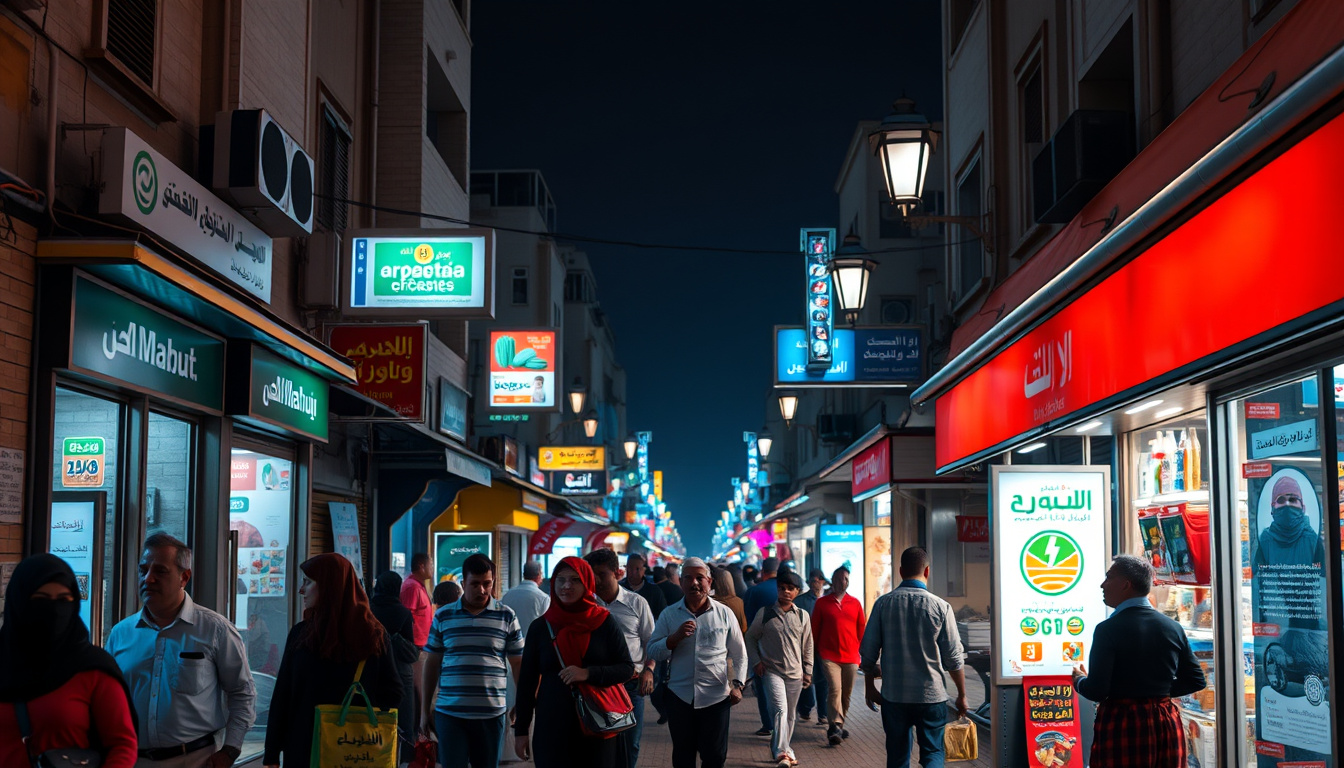
In the face of soaring energy costs and ongoing regional conflicts, Egypt is rolling out a series of new energy-saving measures aimed at alleviating the economic pressures faced by its citizens and businesses.
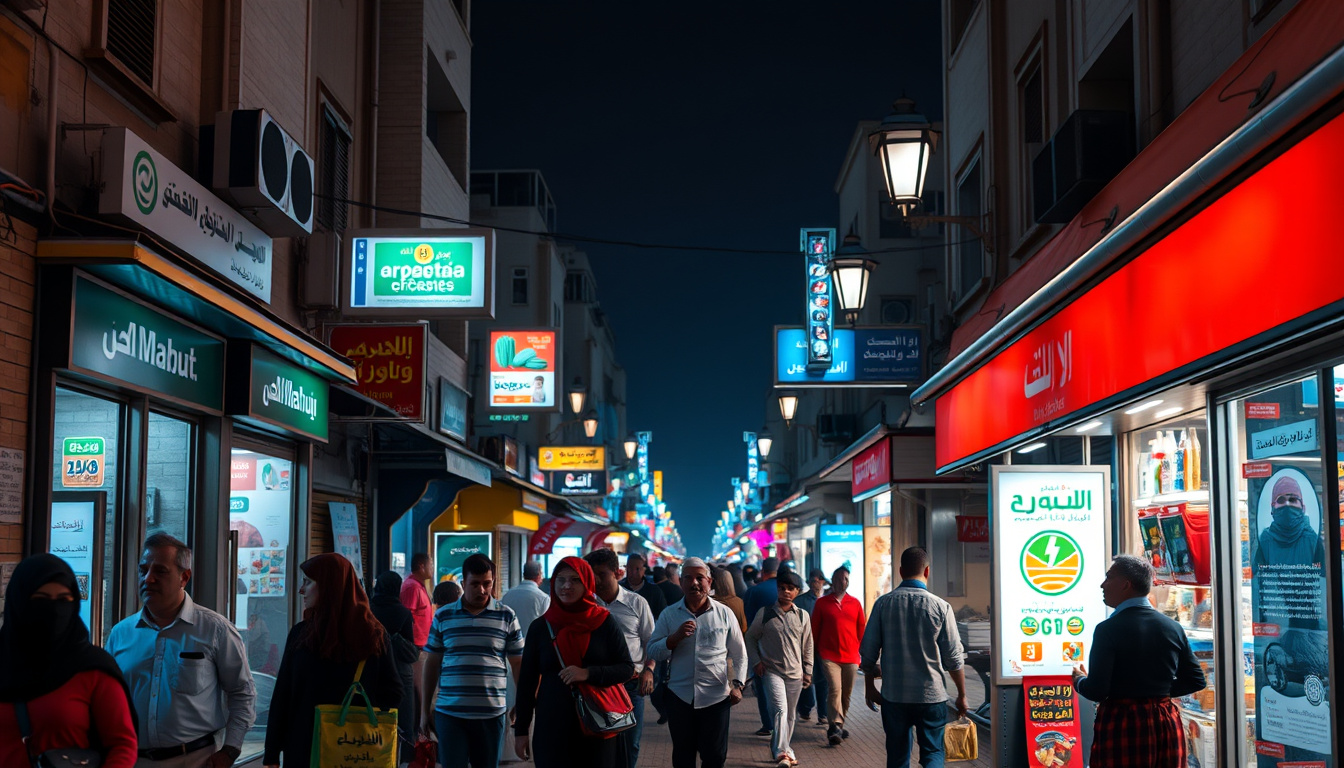
Beginning March 28, 2026, new regulations will require shops, malls, restaurants, and cafes to close by 9 PM, with an extension to 10 PM permitted only on weekends.
These changes, coupled with a reduction in public lighting and the cessation of roadside advertising lights, mark a significant policy shift in how the nation approaches energy consumption.
Prime Minister Mostafa Madbouly has made it abundantly clear that the rising costs of natural gas and oil—exploding from USD 560 million to USD
1.65 billion monthly for gas imports and oil prices climbing from USD 69 to USD
108.5 per barrel—have necessitated these drastic measures.
With energy bills now climbing to levels as much as
2.5 times higher than normal, the burden on the economy has intensified, exacerbating existing issues of debt and inflation.
As the Egyptian government attempts to navigate this energy crisis, it has also proposed reducing working hours for government employees and exploring remote work solutions in a bid to cushion the economic blow.
Moreover, diesel-heavy projects are set to be postponed by a month while the situation continues to be evaluated, marking a return to state-led conservation initiatives reminiscent of previous economic downturns.
This article delves deep into the details of Egypt’s energy-saving measures, the implications for the economy, and the historical context that has shaped this response.
Key Takeaways
- Egypt will require shops and cafes to close by 9 PM to reduce energy consumption amid soaring costs.
- The country’s energy bills have increased dramatically, exacerbating economic challenges like debt and inflation.
- The government is implementing work hour reductions and considering remote options to mitigate the effects on employees and the economy.
Overview of New Energy-Saving Measures in Egypt
As Egypt navigates a challenging economic landscape marked by surging energy costs, the government has introduced new energy-saving measures aimed at alleviating financial pressures on the nation.
Starting March 28, 2026, businesses including shops, malls, restaurants, and cafes will be mandated to close by 9 PM, with extended operating hours until 10 PM on weekends.
To further curb energy consumption, public lighting will be significantly dimmed, and roadside advertising lights are set to be switched off entirely.
Prime Minister Mostafa Madbouly has revealed alarming figures: the cost of natural gas imports has skyrocketed from USD 560 million to an astonishing USD
1.65 billion per month, while the price of oil has surged from USD 69 to USD
108.5 per barrel.
As a result, Egypt’s energy bills have skyrocketed, currently estimated to be double or even
2.5 times higher than usual, compounding existing economic challenges such as debt and inflation.
In an effort to balance economic stability and energy conservation, the government also plans to implement reduced working hours for government employees and explore remote work options post-Eid Al-Fitr.
Additionally, projects reliant on diesel will see delays, giving authorities time to assess the ongoing situation.
This approach reflects a strategic step towards a government-led conservation effort, reminiscent of past economic crises, revealing how local and regional instability can heavily influence energy pricing and conservation strategies.
Economic Implications and Historical Context
In light of escalating energy prices driven by regional unrest, Egypt is adopting necessary measures to conserve energy and stabilize the economy.
The introduction of mandatory closing hours aims to minimize energy usage by reducing operational times for various businesses, including malls and restaurants.
This paradigm shift not only addresses immediate economic pressures but also evokes historical parallels with previous government-led conservation strategies during times of crisis.
From the staggering rise in natural gas import costs to the increase in oil prices, these economic indicators underscore the urgency of Egypt’s response.
Public services and industries are being strategically aligned to ensure sustainability, demonstrating a proactive stance in managing the intricate relationship between local circumstances and the global energy market.