
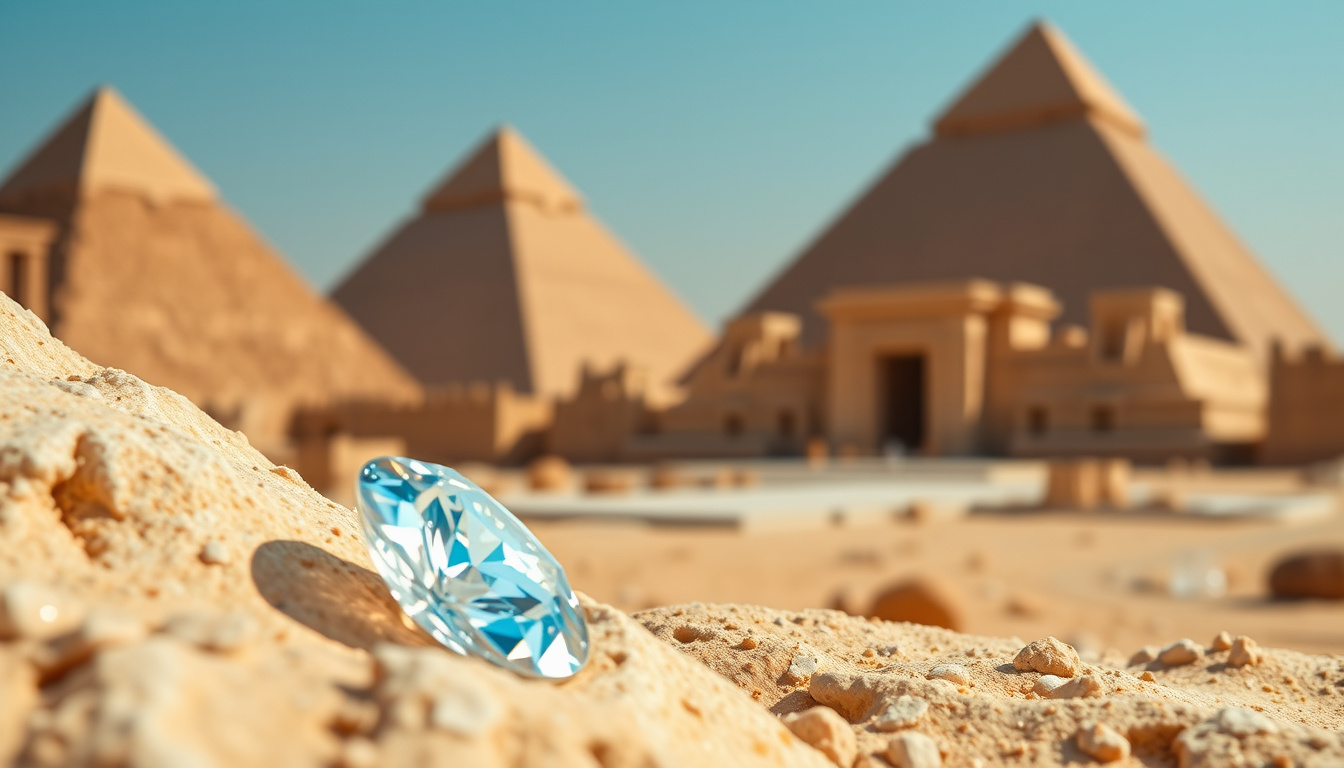
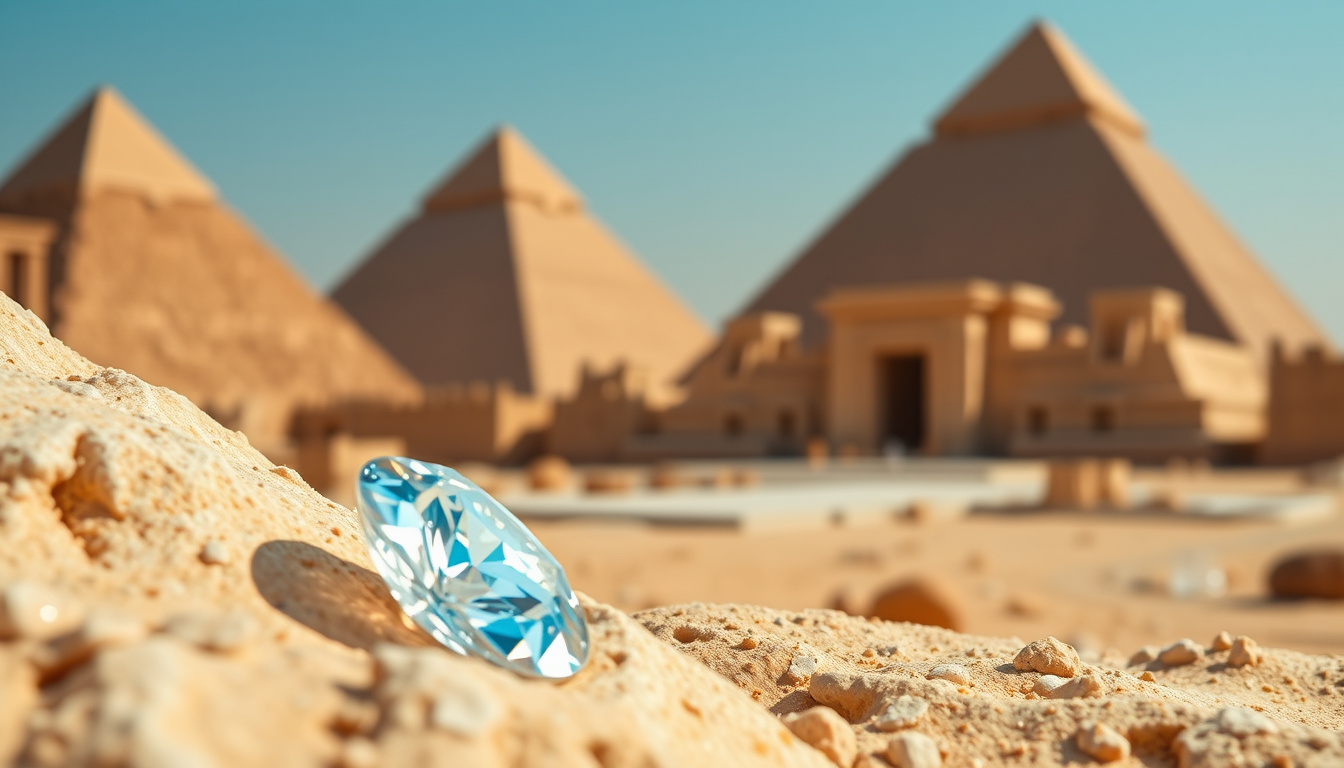
In recent years, lab-grown diamonds have begun to shine brightly in Egypt’s bustling jewelry market, offering consumers a blend of affordability and elegance that is hard to resist.
Traditionally, diamonds have held a significant place in Egyptian culture, symbolizing love, commitment, and familial ties.
However, with the rising costs associated with natural diamonds, many are turning their attention towards lab-grown alternatives.
This article explores the burgeoning interest in lab-grown diamonds for engagement rings in Egypt, their production methods, pricing advantages, and the cultural sentiments that still favor mined diamonds.
As this trend evolves, it’s essential to understand how lab-grown diamonds are not just reshaping the jewelry landscape but also influencing social traditions and consumer perceptions in Egypt.
Key Takeaways
- Lab-grown diamonds are rapidly gaining popularity in Egypt due to their affordability compared to natural diamonds.
- Despite their lower cost, lab-grown diamonds still face challenges in cultural significance and value retention against traditional mined diamonds.
- The emergence of local brands specializing in lab-grown diamonds indicates a shift in consumer preferences towards more budget-friendly options.
The Rise of Lab-Grown Diamonds in Egyptian Culture
## The Rise of Lab-Grown Diamonds in Egyptian Culture
The interest in lab-grown diamonds is burgeoning in Egypt, where these stones are increasingly seen as a viable and appealing alternative for engagement rings.
In Egyptian society, purchasing a diamond transcends mere monetary exchange; it is a pivotal social milestone steeped in familial traditions and personal aspirations.
Lab-grown diamonds, which are synthesized in controlled laboratory settings that replicate the natural diamond formation process, are chemically and physically indistinguishable from their mined counterparts as noted by the Gemological Institute of America (GIA).
With production methods like high pressure, high temperature (HPHT) and chemical vapor deposition (CVD), lab-grown diamonds can be manufactured at costs significantly lower—often 70-80% less—than natural diamonds.
For instance, a lab-grown diamond ring priced at EGP 37,560 (approximately USD 802) stands in stark contrast to a mined diamond ring of similar weight costing EGP 52,055 (USD 1,112).
However, potential buyers are increasingly wary of value retention, as prices for lab-grown diamonds have plummeted by up to 96% for certain sizes since 2018, reflecting the oversupply and market volatility.
Although natural diamonds also experience depreciation, they historically maintain a more stable value due to longstanding market conventions.
Notably, Egyptian consumers seem to be shifting their focus from origin to visual appeal, influenced by budget-consciousness.
Though lab-grown diamonds are gaining traction, their cultural significance is still eclipsed by that of natural diamonds, which continue to embody deep-rooted familial connections and investment value.
Meanwhile, the rise of local enterprises like Joyaux highlights this evolving consumer landscape, addressing the demand for lab-grown options, yet acknowledging that the allure of natural diamonds remains strong in representing cultural heritage and lasting value.
Comparative Value: Lab-Grown vs. Natural Diamonds
Undoubtedly, the decision between opting for a lab-grown diamond or a natural diamond extends beyond just financial considerations; it touches on deeper emotional and cultural values that resonate with many consumers.
In the context of Egyptian society, where the practice of gifting diamonds for engagements is deeply entrenched, the narrative often emphasizes craftsmanship, sentiment, and legacy.
Lab-grown diamonds, while praised for their lower environmental impact and ethical sourcing, currently grapple with a perception that lacks the nostalgic weight associated with mined counterparts.
The widespread familiarity and inherent allure of natural diamonds—symbolizing milestones and familial lineage—pose a challenge for lab-grown alternatives as they seek to carve out their niche.
Furthermore, the contrasting price dynamics may appeal to a younger demographic looking for affordability, suggesting a generational shift in priorities around engagement purchases.
As the market evolves, brands must navigate this complex landscape by not only promoting the benefits of lab-grown diamonds but also respecting the traditions that shape consumer identities within the region.