
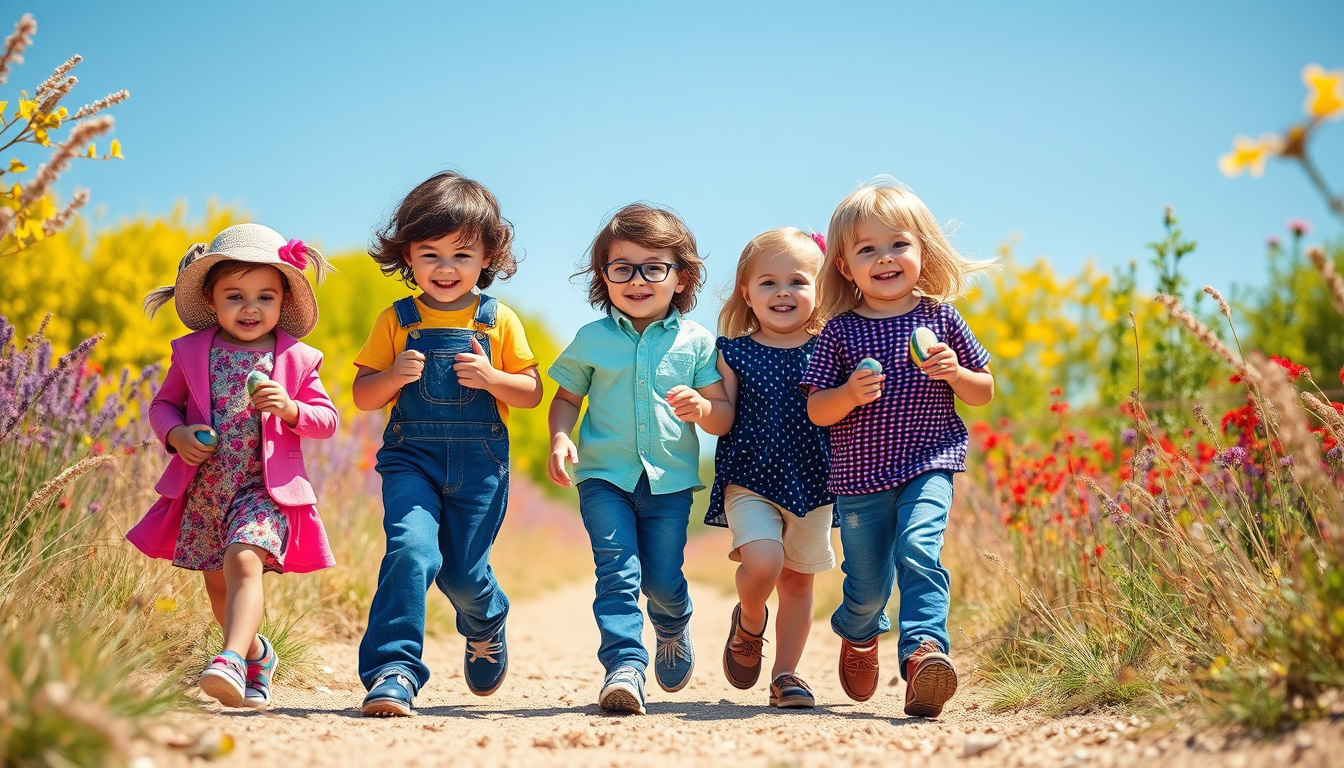
Getting children excited about spending time outdoors can sometimes be a challenge. However, combining outdoor activities with engaging, memorable music is a proven way to spark enthusiasm and curiosity. The joyful song from the video “Let’s Go for a Walk Outside” perfectly captures how catchy tunes can transform ordinary walks into delightful adventures for kids. This article explores how melodious walks encourage outdoor exploration, enhance learning, and promote healthy habits among children.
The Magic of Music in Promoting Outdoor Activities for Kids
Music is a universal language that engages children’s senses and emotions. When paired with outdoor walks, songs provide a rhythm and structure that make the experience enjoyable and interactive. The featured song from the video encourages walking through simple, repetitive lyrics and upbeat melodies—two elements that help children catch on quickly and remain engaged.
Creating a Routine With Song
The lyrics invite kids to “walk, walk, walk” and explore surroundings like “the park,” “around the block,” or “underneath the trees.” This repetitive phrasing helps children anticipate what comes next, creating a sense of routine and comfort. Establishing routine walks set to music can turn an occasional stroll into a daily adventure—a habit that nurtures consistent outdoor time.
Engaging All Senses During the Walk
The song highlights spotting a variety of creatures and nature’s wonders, such as dogs, squirrels, bluebirds, bugs, leaves, rocks, and clouds. This encourages children to be curious and observant, making walking an active exploration instead of a passive activity. Singing about what’s seen during the walk strengthens sensory awareness and cognitive connections with the environment.
Benefits of Singing During Outdoor Walks
Enhances Physical Health
Walking, even at a gentle pace, improves cardiovascular health, strengthens muscles, and supports coordination—especially important for growing children. Incorporating singing adds a fun and motivating element that encourages kids to keep moving longer.
Boosts Emotional Well-Being
The collective activity of walking and singing promotes positive emotions and social bonding. Singing in a group, mirroring the lively call of “Everybody now, let’s go for a walk,” invites participation and inclusivity. This can reduce anxiety or reluctance toward outdoor activity, making it a joyful occasion rather than a chore.
Stimulates Language and Cognitive Skills
Songs rich in repetitive and descriptive language, as this one is, help in language acquisition and memory retention. Phrases like “keep your eyes open wide” encourage attentiveness, listening skills, and the ability to follow instructions, thereby subtly fostering cognitive development.
Practical Ideas for Parents and Educators to Bring Music and Nature Together
- Create a Playlist: Compile a list of fun, outdoor-themed songs similar to “Let’s Go for a Walk Outside” to keep children engaged during walks.
- Interactive Exploration: Encourage children to point out and name objects during the walk, mimicking the actions in the song.
- Nature Collection: Inspired by lines like “Let’s collect some leaves” and “Let’s collect some rocks,” parents can help kids create collections or nature journals.
- Group Walk and Sing-Along: Organize group activities at parks or schools where children walk together while singing, fostering social interaction.
- Incorporate Movement Mimics: Pause during the tune to mimic animal movements mentioned, such as hopping like squirrels or fluttering like birds.
Encouraging Lifelong Outdoor Connections Through Music
Introducing children to nature through music creates a positive association with the outdoors, increasing the likelihood they will become adults who enjoy and protect the environment. Enjoying natural surroundings paired with expressive activities like singing nurtures respect, curiosity, and a sense of well-being.
Frequently Asked Questions (FAQs)
1. How do songs help children enjoy outdoor walks more?
Songs add rhythm and fun to walks, capturing children’s attention and encouraging participation. Repetitive and easy-to-remember lyrics make the activity feel like a game rather than a routine, boosting enthusiasm.
2. Can singing during walks improve children’s observational skills?
Yes. Lyrics that reference specific natural elements prompt children to look around and notice bugs, birds, leaves, and other details, enhancing their observation and mindfulness.
3. What age group benefits most from combining music and walks?
While young children, typically ages 2-7, respond best to catchy tunes integrated into walks, kids of all ages can benefit from musical encouragement during outdoor activity.
4. How can I make outdoor walks educational along with fun?
Use songs that mention items in nature and follow up by discussing those things or creating related activities, such as leaf collecting or identifying bird species.
5. Is there a recommended duration for musical outdoor walks?
Depending on a child’s age and attention span, 20 to 40 minutes is usually effective. The music helps maintain energy and engagement throughout this time.
6. Are group walks more beneficial than solo walks when using songs?
Group walks add a social dimension making singing and movement more interactive and enjoyable for children, encouraging teamwork and communication.
Conclusion
Outdoor walks paired with catchy, child-friendly songs like the one in the video provide multiple benefits—physical, emotional, and educational. Such musical journeys transform simple strolls into memorable adventures filled with discovery and joy. By encouraging children to walk, observe, and sing, parents and educators lay the foundation for lifelong healthy habits and a deep appreciation for nature. So, grab your child’s hand, turn up the music, and join the fun outside!
By integrating simple, repetitive tunes with engaging outdoor exploration, kids not only get active but also nurture their curiosity and love for the world around them. This wonderful combination creates joyful memories and healthier generations.