
On January 1, 2026, Zohran Mamdani made history by becoming New York City’s first Muslim, South Asian, and African-born mayor.
His inauguration marked a significant turning point in the city’s political landscape, as he immediately took steps to revamp several contentious policies set by his predecessor, Eric Adams.
At the forefront of his agenda was the revocation of the adoption of the International Holocaust Remembrance Alliance (IHRA) definition of antisemitism and the city’s previously established opposition to the Boycott, Divestment, and Sanctions (BDS) movement, which advocates for Palestinian rights.
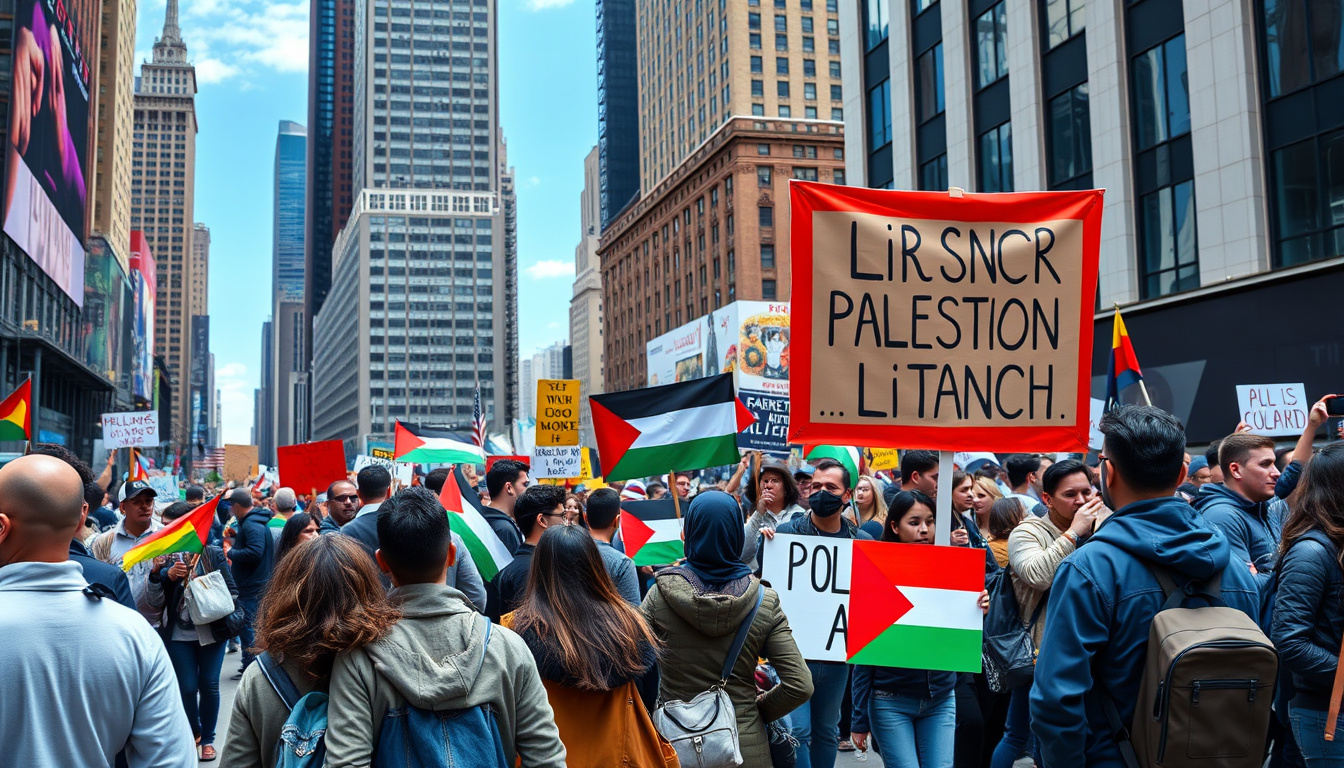
Mamdani’s decisive actions have reignited conversations regarding the complexities of antisemitism, free speech, and the ongoing struggles faced by Palestinian communities in New York City.

Key Takeaways
- Zohran Mamdani has made history as New York City’s first Muslim, South Asian, and African-born mayor, championing inclusivity for Palestinian rights.
- His immediate revocation of controversial policies, including the IHRA definition of antisemitism, signifies a shift towards legitimizing discussions on Palestinian issues.
- Mamdani’s inauguration emphasizes the importance of diverse representation in politics amidst rising Islamophobia in the U.S.
Revocation of Controversial Policies and Its Implications
Revocation of controversial policies by newly inaugurated mayor Zohran Mamdani marks a pivotal moment in New York City’s political dynamics.
As he took office on January 1, 2026, Mamdani wasted no time in reversing executive orders enacted by his predecessor, Eric Adams.
Among these, the revocation of the International Holocaust Remembrance Alliance (IHRA) definition of antisemitism and the city’s official stance against the Boycott, Divestment, and Sanctions (BDS) movement emerged as particularly significant.
This shift not only showcases Mamdani’s commitment to inclusivity, particularly for Palestinian New Yorkers, but also ignites critical discussions about free speech and the parameters of legitimate criticism of Israeli policies.
Critics often argue that the IHRA definition, which gained traction post-2016, risks conflating anti-Zionist sentiments with antisemitism, effectively curbing necessary conversations surrounding Palestinian rights.
This controversy underscores the broader tension between defending Jewish identity and ensuring non-violent activism against perceived injustices in the Israel-Palestine context.
Furthermore, Mamdani’s election as the first Muslim, South Asian, and African-born mayor serves as a beacon for diversity amidst a backdrop of rising Islamophobia in America, where reported incidents against Muslims have escalated alarmingly.
His inaugural speech resonated with residents as he emphasized the need for representation of marginalized communities within a multifaceted city.
Thus, Mamdani’s administration appears poised not just to enact policy changes, but also to promote a political culture that genuinely recognizes and uplifts a variety of voices in New York City.
Mamdani’s Commitment to Inclusivity and Representation
As Mayor Mamdani takes steps to address the representation of marginalized communities, his administration’s focus extends beyond immediate policy alterations.
By revoking controversial directives, Mamdani signals a commitment to fostering a city where diverse voices are heard and respected.
This shift is particularly crucial given the increasing polarization surrounding discussions of Israel and Palestine.
His leadership is expected to inspire a broader dialogue on issues of justice and equality, encouraging active engagement from New Yorkers across the spectrum.
Mamdani’s emphasis on inclusivity could also lead to fresh initiatives aimed at empowering underrepresented groups, thus reshaping the narrative around civil rights and activism in one of the world’s most diverse metropolises.
The implications of such a transformative approach could very well influence future political landscapes and community relationships in New York City.