
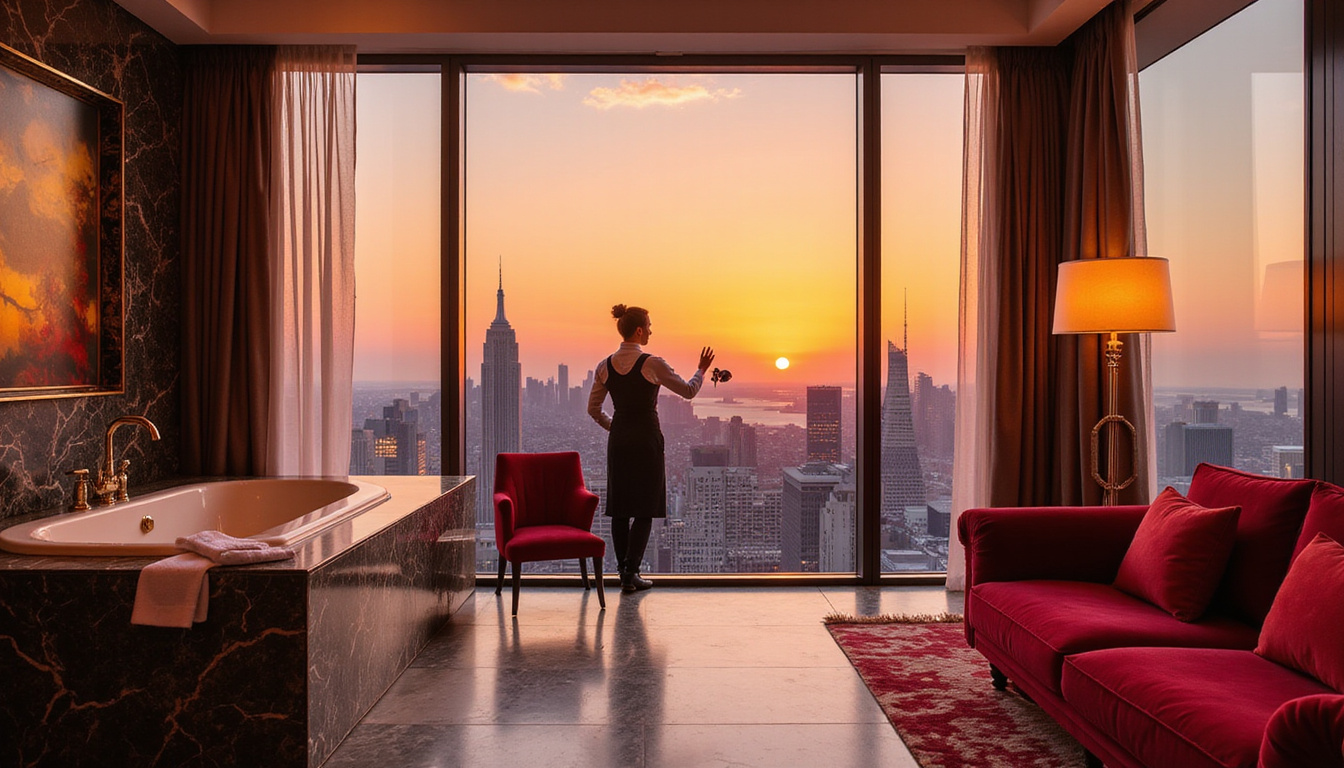
Ultra luxury hotels are no longer just about a big room and a nice view. Today’s travelers expect curated experiences, discreet personalization, and suites that feel like private residences. Yet many people pay peak rates and still miss out on the best rooms, benefits, and insider perks. This guide reveals how ultra luxury hotels actually work behind the scenes—and how you can use that knowledge to book the very best suites at the best value.
What really defines ultra luxury hotels?
Not every five-star property qualifies as ultra luxury. Understanding the difference helps you choose where to spend your money—and where to splurge on a suite.
Hallmarks of true ultra luxury hotels include:
- Exceptional staff-to-guest ratio (often 2:1 or better)
- High privacy standards and discreet, anticipatory service
- Large, uniquely designed suites rather than cookie‑cutter rooms
- Fine dining or Michelin‑level culinary programs
- High-quality spa, wellness, and in‑room treatments
- Tailored experiences (private guides, after-hours access, bespoke itineraries)
Ultra luxury hotels are often members of brands or collections like Four Seasons, Aman, Rosewood, Mandarin Oriental, or independent icons that appear in guides such as Forbes Travel Guide or Leading Hotels of the World. Checking these references is a good starting point for separating genuine ultra luxury from “luxury‑styled” marketing (source: Forbes Travel Guide).
Why suites are where the true value lies
In ultra luxury hotels, suites are typically where the best design, views, and benefits are concentrated. Even if the nightly rate seems high, suites often deliver better value than standard rooms.
What you really get with a suite
Beyond square footage, suites can provide:
- Better layout: Separate living, dining, and sleeping areas
- Signature views: Corners, high floors, or iconic landmarks
- Enhanced privacy: Ideal for families, small meetings, or VIP stays
- Priority treatment: Faster responses, more flexibility, and proactive service
- Exclusive perks: Complimentary transfers, butler service, or club access
If you’re traveling for a special occasion—a honeymoon, milestone birthday, or once‑in‑a‑lifetime trip—booking a suite at ultra luxury hotels often makes the difference between a “nice stay” and something genuinely unforgettable.
The booking hierarchy: Who gets the best suites?
When an ultra luxury hotel decides who gets priority for its top suites, there is an unofficial pecking order. Understanding it lets you play the game more strategically.
1. Direct repeat guests and VIPs
Hotels have very long memories for loyal guests who book direct and spend generously. These guests often receive:
- Unpublished upgrade prioritization
- Special rates or additional night offers
- Personalized in-room amenities and recognition
If you find an ultra luxury property you truly love, going back pays dividends.
2. Guests booking via preferred luxury travel advisors
Many ultra luxury hotels work with select agencies through programs like:
- Four Seasons Preferred Partner
- Marriott STARS & Luminous (for Ritz-Carlton, St. Regis, etc.)
- Hyatt Prive
- Virtuoso
Booking through these advisors often gives you benefits such as:
- Space‑available upgrades
- Daily breakfast for two
- Hotel credit (often $100+)
- Early check-in / late check-out priority
Crucially, these rates usually match the hotel’s best flexible rate—but with added perks. If you want a top suite, this is often the smartest way to book.
3. Direct online bookings (hotel website or app)
Booking direct is still better than booking through a big online travel site if you care about upgrades. Many ultra luxury hotels tag direct bookers as higher priority for:
- Complimentary room‑type upgrades (when available)
- Better chance of early check‑in / late check‑out
- Softer treatment at peak times
4. OTA bookings (general online travel agencies)
Third‑party platforms can be useful for price comparison, but at true ultra luxury hotels, OTA‑booked guests often sit near the bottom of the upgrade list. When suites are tight, these guests are least likely to receive concessions or special flexibility.
When to book ultra luxury hotels for the best suites
Timing can be as important as budget. Choosing the right dates dramatically increases your chances of landing an exceptional suite—sometimes without paying full price.
Shoulder seasons are your ally
Peak periods (festive seasons, major events, school holidays) are rarely optimal for value. Instead, look for shoulder seasons:
- Just after major holidays
- Between local high seasons (e.g., between summer and Christmas)
- Mid‑week stays in primarily weekend or business destinations
During these times, occupancy is high enough for good service but low enough that hotels are more generous with upgrades and negotiations.
Book early—but stay flexible
Ultra luxury hotels often:
- Open reservations 12–18 months in advance for iconic suites
- Adjust rates dynamically as occupancy fills
Booking early can:
- Lock in lower rates on high‑demand suites
- Give your profile more time to be reviewed by sales / guest relations
- Increase chances of pre‑arrival upgrade offers
Whenever possible, choose flexible or semi‑flexible rates so you can rebook if prices drop.
Hidden levers: How to unlock better suites and perks
Ultra luxury hotels have more flexibility than most guests realize—especially for suites. You don’t need to be a celebrity to benefit from this; you only need to ask the right way.
1. Use pre‑arrival communication strategically
Most top‑tier properties have a dedicated pre‑arrival team. Message them (or have your advisor do so) 3–7 days before arrival. Share:
- Purpose of your trip (anniversary, proposal, business retreat)
- Rough budget for experiences and dining
- Preferences (quiet room, particular view, bedding, in‑room dining times)
You can politely add:
“If there are any opportunities for a preferred suite or view at check‑in, we would be very grateful.”
Sales teams are more flexible when they see total potential spend, not just room rate. For example:
- Commit to a spa package and private dinner
- Reserve airport transfers and a curated city or cultural tour
- Book a small event or celebration during your stay
You can then ask if a slightly better suite or a special amenity might be possible given your overall plans.

3. Consider “entry-level” suites
In many ultra luxury hotels, the real sweet spot is the lowest or second‑lowest suite category. These often:
- Are significantly larger than top‑category rooms
- Share similar views with much more expensive “named” suites
- Are more available for complimentary or modest paid upgrades
Ask the reservations team which suite tier tends to have the best balance of size, view, and availability for enhancements.
Reading between the lines of ultra luxury hotel marketing
Not all “ultra luxury” claims are equal. To assess whether a property truly matches the label, look for:
- Professional, recent photos beyond just renderings
- Clear suite floor plans and square footage listed on the site
- Detailed service descriptions (butlers, 24‑h in‑room dining, pillow menus, etc.)
- Transparent location information (distance to major sights, private beach or shared, etc.)
- Verified guest reviews from platforms that skew toward high‑end travelers
Be cautious with:
- Overreliance on the word “palatial” or “royal” without specifics
- Suites with great décor but poor layout (tiny closets, no workspace, no privacy)
- Properties using aggressive discounting year‑round—often a sign of inconsistent service
Ultra luxury hotels and destination choice: Why location still matters
Even the most extraordinary suite matters less if you’re in the wrong part of town or at the wrong kind of property for your goals.
Urban icons vs resort retreats
City ultra luxury hotels
Best for: business, culture-focused trips, short stays
Look for: easy access to major sights, quiet rooms, reliable transport, strong concierge teamResort ultra luxury hotels
Best for: relaxation, honeymoons, destination birthdays, family getaways
Look for: private beachfront or scenic setting, spa quality, kids’ facilities (if relevant), dining diversity
If you’re exploring options in Egypt or similar destinations where hotel quality varies greatly, watching curated hotel overviews can help. For example, this video on top-tier beachfront stays gives an idea of how truly ultra luxury properties present themselves and operate:
How to compare suites across ultra luxury hotels
When evaluating suites at multiple ultra luxury hotels, avoid comparing only on nightly rate. Instead, use a simple framework:
Space & layout
- Square meters / feet
- Number of distinct spaces (bedroom, living, dining, working)
- Balcony / terrace size and usability
View & orientation
- Landmark, ocean, skyline, garden, or courtyard
- Sun exposure (important in very hot or very cold climates)
- Noise level and privacy from neighboring buildings
Service tier
- Butler or dedicated host
- Club lounge or executive floor access
- Priority for reservations (dining, spa, activities)
In-room features
- Bath quality (soaking tub, views, double vanities)
- Technology (soundproofing, blackout, smart controls)
- Dining options (in‑suite dining tables, pantry, bar setup)
Included amenities
- Breakfast, transfers, pressing or laundry, minibar policies
- Resort credits or experiences tied specifically to suites
Use this checklist to judge value properly instead of focusing solely on headline price.
Common mistakes people make when booking ultra luxury hotels
Avoid these pitfalls to ensure you get what you’re paying for:
- Choosing purely on brand name without checking that specific property’s recent performance and reviews
- Booking the cheapest room type and expecting a major complimentary upgrade in peak season
- Ignoring tax and service charges, which can add 15–30% to nightly rates in many destinations
- Not confirming bedding and occupancy rules, especially for families in suites
- Skipping direct communication with the hotel pre‑arrival and relying only on automated confirmations
A 5‑minute email or call with the hotel can solve most of these issues in advance.
Quick checklist before you confirm your suite
Before you hit “book” on an ultra luxury suite, verify:
- [ ] Does the hotel consistently appear in respected luxury collections or guides?
- [ ] Is the suite’s size, layout, and view clearly documented?
- [ ] Have you compared benefits from a luxury advisor vs booking direct?
- [ ] Are you traveling in a period that allows some upgrade flexibility?
- [ ] Have you emailed the hotel about your stay purpose and preferences?
- [ ] Do the total costs (with tax, fees, transfers) still align with your budget?
If you can check off each of these, your chance of a standout ultra luxury experience is high.
FAQ about ultra luxury hotels and suites
Q1: How do ultra luxury hotels differ from regular 5-star hotels?
Ultra luxury hotels go beyond standard 5‑star service with higher staff ratios, deeply personalized attention, and suites designed like residences rather than conventional rooms. The difference is most visible in consistency of service, privacy, and the quality of experiences both inside and outside your suite.
Q2: Are suites in ultra luxury hotels worth the extra cost?
For many travelers, yes—especially on special trips. Suites in ultra luxury hotels offer more space, better views, and often better service tiers (such as butlers or club access). If you’ll actually use the space—for entertaining, working, or family time—the cost per usable square foot and overall comfort can justify the upgrade.
Q3: How can I get upgrades at ultra luxury resorts without overpaying?
Focus on timing (shoulder seasons), work with a luxury travel advisor who has preferred‑partner status, and communicate with the property ahead of time about your stay. Booking an entry‑level suite instead of a standard room also increases your chances of being moved into a higher‑category suite when availability allows.
Turn your next hotel stay into a true ultra luxury experience
Ultra luxury hotels are designed to make you feel that every detail has been thought of long before you arrive. To unlock the best of what they offer—especially when it comes to suites—you don’t need industry connections or celebrity status. You need smart timing, the right booking channels, and clear communication.
If you’re planning a major trip or milestone stay, start shortlisting ultra luxury hotels in your chosen destination, compare their suites using the framework above, and reach out directly (or via a trusted advisor) to discuss your plans. With a little preparation, your next suite can feel less like a hotel room and more like a private, impeccably serviced sanctuary—and that’s when the premium truly feels worth it.