
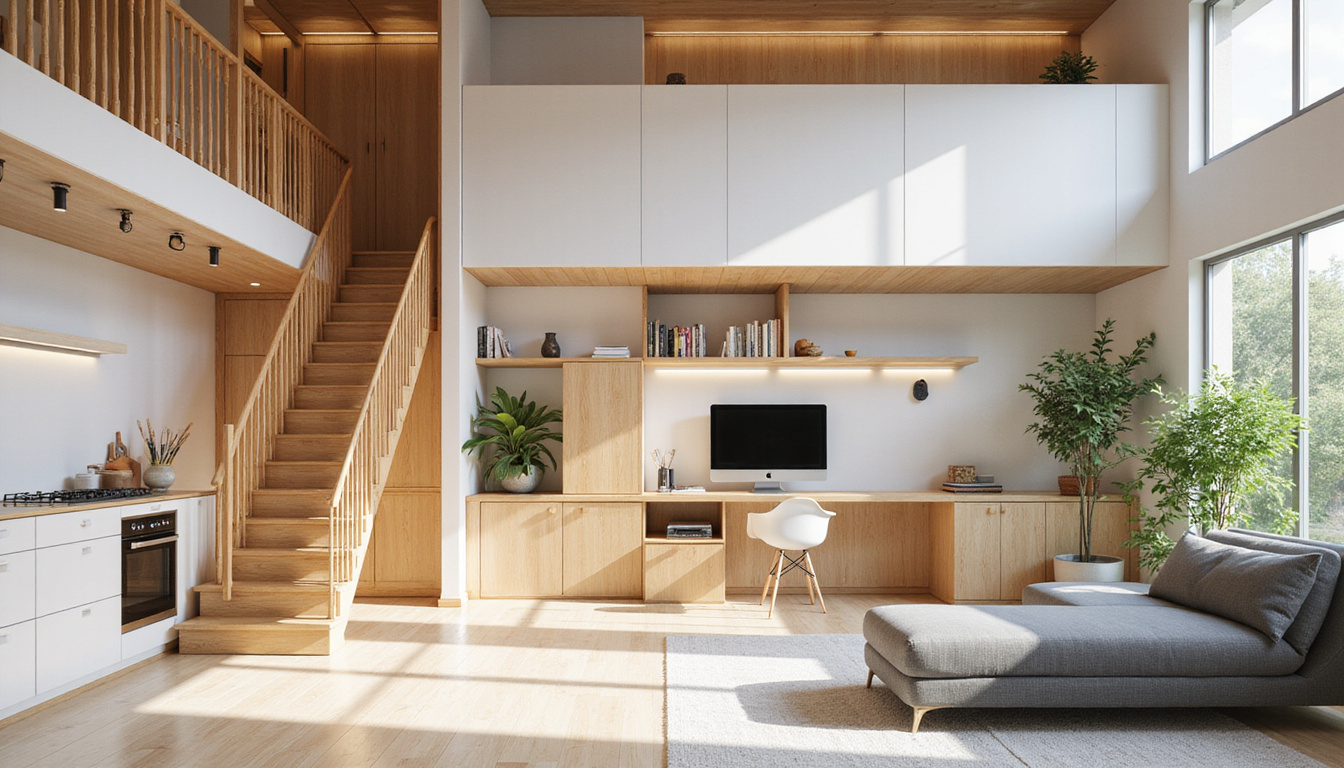
Townhouses are becoming one of the most attractive property types for buyers and investors who want efficient layouts, smart land use, and strong appreciation potential—especially in fast-growing markets like Egypt’s new cities. When well-designed, townhouses can feel as spacious as standalone villas while costing less to buy, furnish, and maintain, all while offering impressive long‑term value.
Below, you’ll discover how townhouses maximize every square meter, why they can outperform other property types on value, and what to look for if you’re considering buying or investing in one.
What Is a Townhouse, Really?
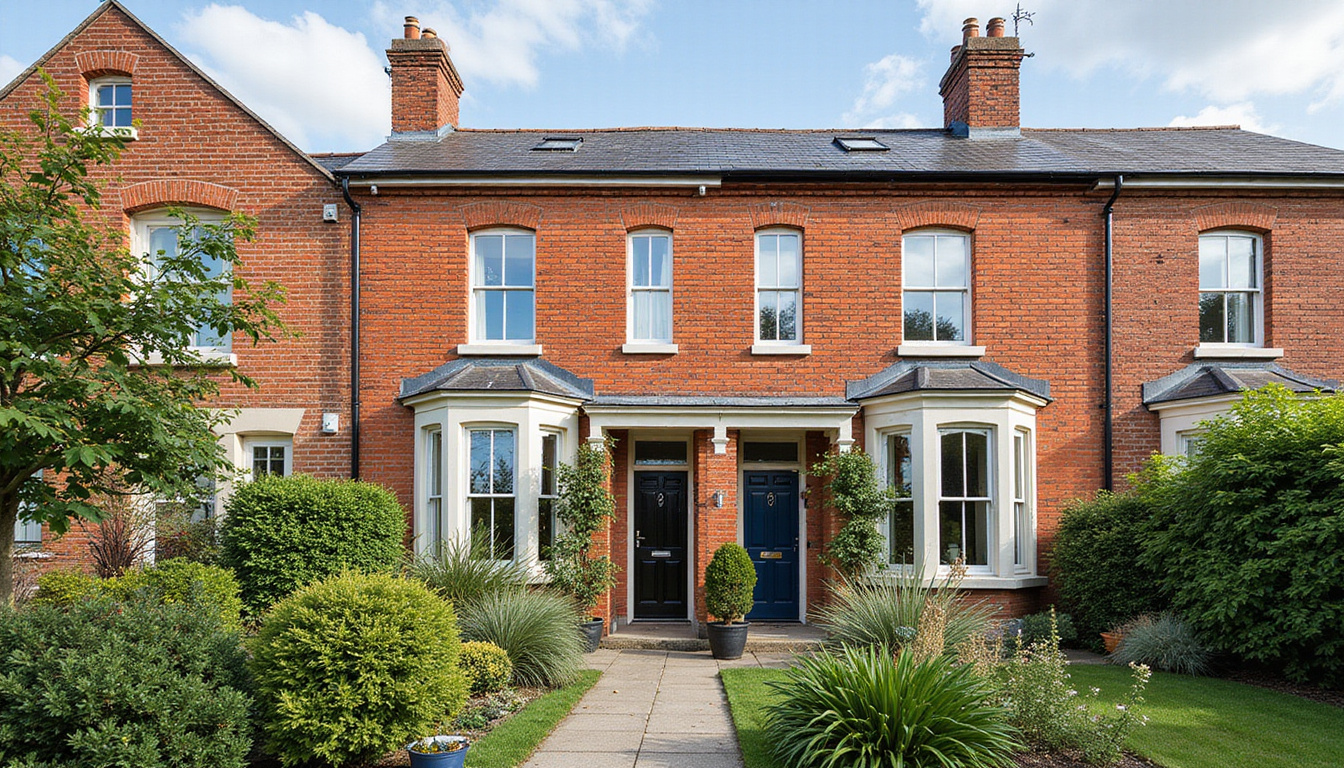
A townhouse is typically a multi-story home that shares one or two side walls with neighboring units but has its own private entrance and, often, a small garden or roof terrace. In Egypt, you’ll find townhouses mainly in master-planned compounds across New Cairo, 6th of October, the North Coast, the Red Sea, and the New Administrative Capital.
Compared with apartments and standalone villas:
- Versus apartments: townhouses offer more privacy, outdoor space, and a “house-like” feel.
- Versus standalone villas: they usually have a lower purchase price, smaller land footprint, and more efficient floor plans.
This “in-between” position is exactly why townhouses can maximize both space and value.
How Townhouses Maximize Space on a Smaller Footprint
1. Vertical Living: Building Up, Not Out
The defining feature of most townhouses is multiple floors—often ground + first + roof. Instead of spreading out on a large land plot, developers build vertically, which allows:
- Smaller land area with similar usable built-up area
- Clear separation between social spaces (downstairs) and private bedrooms (upstairs)
- Extra usable zones, like roof terraces or penthouse-style rooms
A typical Egyptian townhouse might include:
- Ground floor: reception, dining, guest toilet, kitchen, garden/terrace
- First floor: master suite, additional bedrooms, family living area
- Roof: nanny’s room, storage, laundry, or an open entertainment space
By stacking spaces instead of stretching them, townhouses use land more efficiently without feeling cramped.
2. Smart Floor Plans and Minimal Wasted Space
Modern townhouse designs aim to reduce corridors and unused corners. Common tactics include:
- Open-plan living: merging living, dining, and sometimes kitchen areas to create a larger “great room.”
- Under-stair storage: turning awkward voids into closets or built-in cabinetry.
- Multi-purpose rooms: a guest room that doubles as a home office or TV room.
- Integrated utility areas: compact laundry or storage niches instead of separate large rooms.
Done well, this makes a 170–220 m² townhouse feel comparable to a much larger villa with less practical layout.
3. Shared Walls, Better Thermal and Acoustic Performance
Because townhouses share side walls:
- Less heat is lost or gained through exposed external walls.
- Energy efficiency improves, which can reduce cooling bills in Egypt’s hot summers.
- High-quality construction can also significantly reduce noise transmission between units.
Over time, lower energy and maintenance costs enhance the property’s overall value proposition.
Design Choices That Make Townhouses Feel Bigger
If you’re buying from a developer or customizing your own unit, certain design choices can dramatically increase the feeling of space in townhouses.
Use of Natural Light and Views
- Large windows and sliding doors to gardens or terraces make living areas feel more expansive.
- Double-height voids over living rooms (where structure allows) create a villa-like sense of openness.
- Aligning windows at both ends of the house enhances cross-ventilation and visual depth.
In many Egyptian compounds, units are positioned to overlook internal green spaces or landscaped walkways, which visually extends your “space” beyond the walls.
Flexible, Future-Proof Layouts
Family needs change. Good townhouse design anticipates this:
- A ground-floor room that can evolve from office to children’s playroom to elderly parent’s bedroom.
- Roof areas pre-prepared with plumbing and electricity so they can be converted later into extra bedrooms or a full roof suite.
- Structural design that allows some internal walls to be moved or removed in the future.
This flexibility protects value by making the property suitable for different buyer profiles over time.
Efficient Outdoor Spaces
Townhouses rarely have the huge gardens of standalone villas, but smaller, well-designed outdoor areas are often more usable:
- Compact back gardens that are easier and cheaper to landscape and maintain.
- Front patios that can serve as seating areas or extra buffer from the street.
- Roof terraces that function as outdoor living rooms, BBQ zones, or even plunge pool areas.
In Egypt’s climate, well-shaded and oriented terraces can become functional living areas most of the year.
Why Townhouses Can Increase Property Value
1. Lower Entry Price, Strong Capital Appreciation
Townhouses usually cost less than standalone villas in the same compound while sharing many of the same advantages: location, security, amenities, and brand reputation of the developer.
This combination often leads to:
- Broader buyer demand at resale (more people can afford them).
- Higher liquidity—townhouses can be easier to sell than very high-ticket villas.
- Attractive percentage appreciation, especially in up-and-coming areas where land prices are rising.
In many Egyptian new cities, rising land values and infrastructure investments have translated into notable capital gains for townhouse owners over 5–10 years (source: JLL MENA – Cairo Real Estate Market Reports).
2. Lower Running Costs and Better ROI
Townhouses typically have:
- Smaller gardens (less water, fewer staff).
- Shared infrastructure within compounds (security, garbage collection, street lighting).
- Lower energy use due to shared walls and compact form.
For investors, this means:
- Lower annual operating costs.
- Higher net rental yield compared with similarly priced villas.
- A product that appeals to long-term tenants who want a “house feel” without villa-level bills.
3. Desirability in Master-Planned Communities
Most new townhouse projects in Egypt are inside gated compounds with:
- 24/7 security
- Clubhouses and gyms
- Pools and kids’ areas
- Commercial zones and sometimes schools or medical centers
This lifestyle package increases both rental attractiveness and resale power. Many end-users are willing to pay a premium for secure, well-managed communities, especially families with children.
Who Are Townhouses Best For?
Townhouses serve a wide range of buyers and renters, which is a major driver of their value stability.
They’re especially suited to:
- Young professionals and couples wanting more than an apartment—space for a home office, guests, or future children.
- Growing families needing multiple bedrooms, storage, and safe outdoor areas.
- Downsizers moving from large villas to something more manageable, but who still want a garden and privacy.
- Investors seeking a balance between affordability, rentability, and appreciation potential.
In expat-heavy areas and new cities, townhouses often hit a “sweet spot” between price and lifestyle, which you’ll hear echoed in many personal stories and reviews such as this video:
Practical Tips for Maximizing Space and Value in a Townhouse
When viewing or evaluating townhouses, focus on factors that directly affect both daily livability and future resale.
Key Things to Look For
Location within the Compound
- Corner units (often more windows, bigger gardens).
- Orientation for natural light without excessive afternoon heat.
- Distance from noisy main gates, generator rooms, or commercial zones.
Quality of Layout
- Minimal dead corridors.
- Logical circulation between entrance, kitchen, dining, and living spaces.
- Properly sized bedrooms (avoid extremely narrow rooms).
Expansion Potential
- Usable roof area that can be upgraded later.
- Structural provisions for adding storage or reconfiguring rooms.
- Garden depth sufficient for seating, landscaping, or a small pool/jacuzzi.
Parking and Access
- Dedicated parking spots or private garage.
- Easy guest parking.
- Short walking distance to main amenities inside the compound.
Construction and Finishing Quality
- Sound insulation between units.
- Good waterproofing for roofs and terraces.
- High-quality windows and doors to support energy efficiency.
Simple Ways to Make Your Townhouse Feel Larger
Once you own or rent a townhouse, interior choices can further enhance the sense of space:
- Use light, neutral wall colors and continuous flooring across open areas.
- Choose multi-functional furniture (sofa beds, extendable tables, storage benches).
- Install built-in wardrobes and under-stair cabinets to reduce clutter.
- Use mirrors and vertical shelving to create an impression of height.
- Keep gardens simple and open rather than heavily partitioned.
Advantages of Townhouses vs. Other Property Types
To summarize the comparative strengths of townhouses, consider this quick list:
- Better use of land than villas thanks to shared side walls and vertical construction.
- More privacy and outdoor space than most apartments.
- Lower purchase price compared with standalone villas in similar locations.
- Balanced running costs—more manageable than large villas, more space than apartments for the money.
- Strong demand from families, professionals, and expats, aiding both resale and rentability.
- Scalability and flexibility thanks to roof terraces and adaptable layouts.
These advantages explain why townhouses are prominent in newer developments across Egypt and other rapidly urbanizing regions.
FAQs About Townhouses and Their Value
1. Are townhouses a good investment in Egypt?
Townhouses can be an excellent investment, especially in well-located compounds developed by reputable companies. They offer a lower entry price than villas but attract similar target tenants: families and professionals seeking space, security, and amenities. With careful selection—focusing on location, layout, and community quality—townhouses often deliver solid capital appreciation and competitive rental yields.
2. How do townhouses compare to apartments for families?
For families, townhouse properties usually provide more bedrooms, better separation between living and sleeping areas, and valuable outdoor space (garden or roof terrace). They also offer a stronger sense of privacy thanks to independent entrances and fewer shared walls. For buyers upgrading from an apartment, townhouses are often the most affordable way to gain a “house lifestyle” without taking on the full cost of a villa.
3. Can I customize or extend my townhouse in a compound?
In many Egyptian compounds, owners can customize interiors freely and sometimes build pergolas, outdoor kitchens, or room additions on the roof—subject to community rules and permits. Before purchasing, ask the developer or homeowners’ association about regulations for modifying townhouse homes (especially façade changes, roof rooms, and extensions) to understand how much flexibility you’ll have.
Ready to Unlock the Full Potential of Townhouses?
If you’re looking for a property type that makes every square meter work harder while still offering strong appreciation and high lifestyle quality, townhouses deserve serious attention. They blend the best aspects of villas and apartments: private entrances, gardens, and generous layouts with more accessible pricing and manageable long-term costs.
Whether your goal is a comfortable family home, a strategic investment, or a blend of both, the right townhouse—in the right compound and location—can be a powerful way to maximize space and increase value.
If you’d like help comparing townhouse options in different Egyptian cities, analyzing potential ROI, or understanding which layouts fit your needs, explore current compound offerings and speak with a trusted local real estate advisor. The next step toward a smart, space-efficient property could be a well-chosen townhouse.