
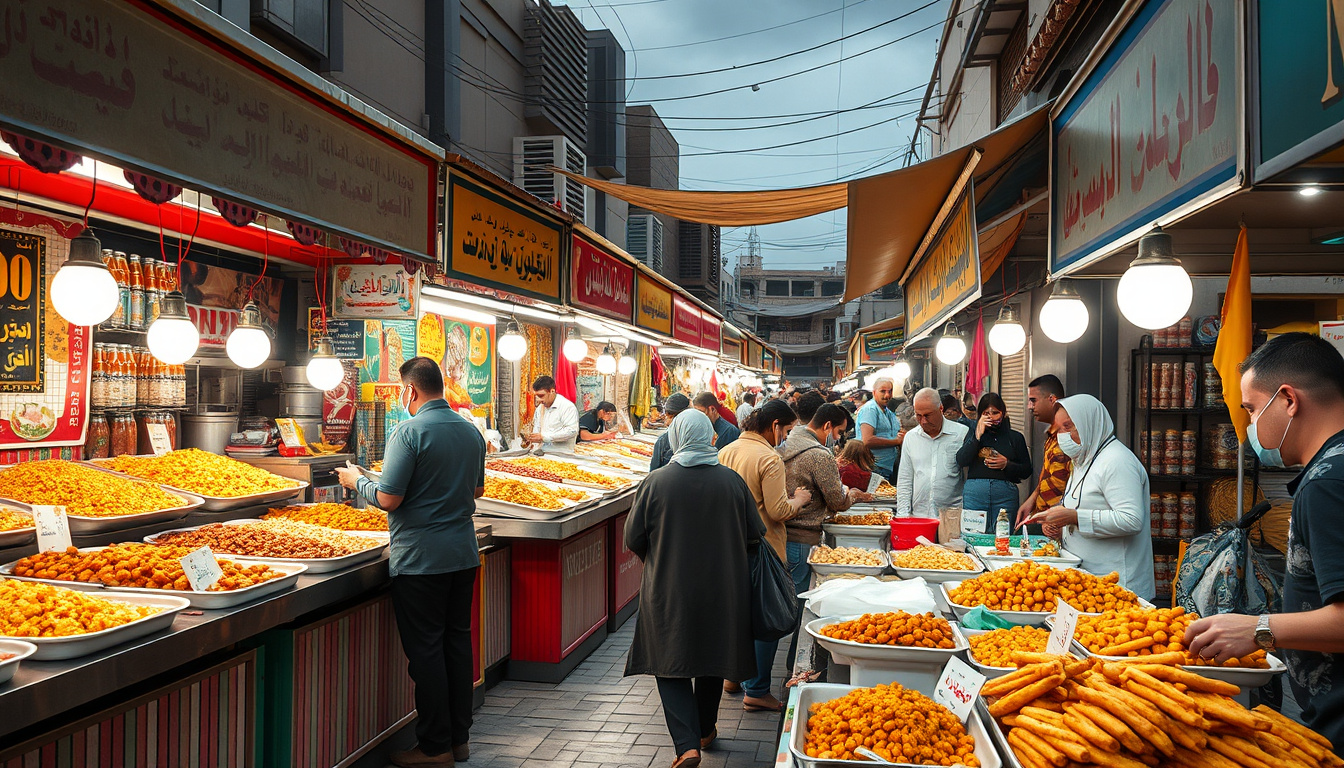
Imagine stepping into an Egyptian street food market—a vibrant world alive with striking colors, tantalizing aromas, and a symphony of sounds. Vendors skillfully craft mouthwatering dishes right before your eyes while locals engage in lively conversation. Every corner promises a new culinary adventure, pulling you deeper into Egypt’s rich heritage and dynamic street food culture. Whether wandering the bustling streets of Cairo or the charming alleyways of Alexandria, the Egyptian street food scene offers an unforgettable gustatory journey shaped by centuries of history and cultural influences.
In this article, we’ll explore some of the most iconic Egyptian street foods that you absolutely cannot miss in 2024. These dishes are more than just meals; they are edible stories of Egypt’s vibrant past and present, reflecting diverse ingredients, techniques, and tastes that have been passed down through generations.
The Rich History Behind Egyptian Street Food
Egyptian cuisine is deeply woven into the nation’s history, culture, and geography. Located at the crossroads of Africa, the Middle East, and the Mediterranean, Egypt’s culinary traditions bear the marks of the Greeks, Romans, Arabs, and Ottomans. Ancient grains like fava beans and lentils, aromatic spices introduced via historic trade routes, and the fertile bounty of the Nile River Valley all contribute to the variety and vibrancy of Egyptian street fare.
Many Egyptian dishes have origins tracing back thousands of years, retaining their core essence while evolving subtly over time. These dishes are lovingly preserved and shared through family recipes, handed down from grandparents to grandchildren. Street food vendors act as custodians of this legacy, serving up authentic flavors that honor their ancestors and tell the story of Egypt’s cultural tapestry.
Must-Try Egyptian Street Eats in 2024
The diversity of Egyptian street food is staggering, and each dish offers a different taste of the country’s history and daily life. Here are some of the iconic dishes that define Egyptian street food cuisine and are widely celebrated in 2024. ### 1. Koshari: Egypt’s National Dish
Koshari is often referred to as Egypt’s national dish, and for good reason. This hearty, filling dish is a brilliant example of Egyptian culinary ingenuity—combining basic, affordable ingredients into a harmonious and flavorful masterpiece.
Composition:
- Rice
- Pasta
- Lentils
- Chickpeas
- Tangy tomato sauce
- Crispy fried onions
The balance of textures—from the softness of rice and pasta to the earthiness of lentils and chickpeas—is complemented perfectly by a tangy tomato sauce and the crunch of fried onions. The real magic lies in the sauce, the soul of Koshari, with each vendor boasting their own secret blend of spices and herbs. Some add sweetness with dates or sugar, while others emphasize savory notes through cumin, coriander, and chili pepper. Garlic and onion aromas infuse the dish deeply, while a sprinkle of dukkah (a mixture of crushed spices and herbs) adds the final layer of flavor.
Every plate of koshari tells its own story, and sampling this dish across different vendors in Cairo and Alexandria offers an unparalleled exploration of tastes and traditions.
2. Ful Medames: A Classic Egyptian Breakfast
Ful Medames (often simply called “ful”) is a staple breakfast dish enjoyed throughout Egypt. This humble yet immensely satisfying dish has stood the test of time, remaining popular for thousands of years.
Ingredients and Preparation:
- Slow-cooked fava beans until creamy and tender
- Drizzled with olive oil and lemon juice
- Sprinkled with cumin for warmth and flavor
- Served with soft, warm pita bread
The slow-cooking process allows the beans to absorb the flavors completely, resulting in a rich and comforting meal that kick-starts the day. The fresh pita bread serves as the perfect vessel to scoop every tantalizing bite, creating a simple but powerful combination cherished by Egyptians for generations.
3. Ta’ameya: Egyptian Falafel with a Twist
Ta’ameya is Egypt’s version of falafel, but with a distinctive twist. While falafel is typically made from chickpeas in other countries, Egyptian ta’ameya primarily uses ground fava beans mixed with fresh herbs, giving it a unique texture and flavor.
Features:
- Deep-fried to golden perfection, crispy on the outside, tender and aromatic on the inside
- Packed with herbs that add vibrancy and freshness
- Commonly served inside pita bread with tahini sauce and fresh vegetables
This street food favorite delivers a satisfying crunch with a burst of herbaceous flavor in every bite. The tahini sauce, creamy and slightly nutty, perfectly balances the herbs and beans, while the fresh vegetables add a refreshing contrast. Ta’ameya is not just a snack; it’s a celebration of flavor and a tribute to Egypt’s rich culinary heritage.
The Vibrant Atmosphere of Egyptian Street Food Markets
Beyond the dishes themselves, Egyptian street food is about the entire sensory experience. The lively chatter of vendors, the sizzle of frying ta’ameya, and the heady mix of spice and produce aromas all create an intoxicating atmosphere that draws locals and tourists alike. Vendors are passionate storytellers, excited to share their knowledge and proud to serve dishes that connect customers to Egypt’s culture and history.
Engaging with the vendors, sampling various delicacies, and witnessing the expert craftsmanship behind each dish make eating street food an immersive cultural journey—not just a meal.
Why Egyptian Street Food Remains Popular in 2024
Several factors keep Egyptian street food thriving today:
- Cultural Preservation: Recipes passed down through generations preserve unique culinary traditions.
- Affordability: Street food offers delicious, nutritious meals at reasonable prices.
- Fresh Ingredients: Egypt’s fertile lands and Nile River agriculture provide fresh vegetables and grains.
- Social Experience: Eating street food fosters a sense of community and shared enjoyment.
- Flavor Diversity: A rich blend of spices and ingredients offers exciting flavor combinations.
These qualities make Egyptian street cuisine a living, breathing celebration of Egypt’s heritage and creative spirit.
FAQ – Egyptian Street Food in 2024
1. What makes Koshari the national dish of Egypt?
Koshari is loved for its hearty, comforting nature and its clever blend of simple ingredients—rice, lentils, pasta, and chickpeas—with a uniquely flavored tomato sauce. It is affordable, filling, and represents a melting pot of Egyptian culinary influences.
2. How is Ful Medames typically served on the streets of Egypt?
Ful Medames is generally slow-cooked and served with olive oil, lemon juice, cumin, and fresh pita bread. It’s a popular breakfast item and commonly accompanied by fresh vegetables or eggs.
3. What differentiates Ta’ameya from other falafel varieties?
Ta’ameya uses ground fava beans instead of chickpeas and includes fresh herbs in the mixture. This gives it a distinct taste, texture, and color and is usually served with tahini sauce inside pita bread.
4. Are Egyptian street foods spicy?
While some dishes include chili peppers or spices that add warmth, the spiciness level varies by vendor and recipe. Many street foods feature aromatic herbs and spices rather than overwhelming heat, focusing more on balanced flavor.
5. Can tourists safely eat street food in Egypt?
Yes, with certain precautions. It’s best to eat at popular stalls with high turnover to ensure freshness, drink bottled water, and avoid raw foods. Asking locals for recommendations enhances safety and enjoyment.
6. Where are the best places to try Egyptian street food?
Cairo and Alexandria lead the pack, where bustling markets and street corners overflow with vendors offering classic dishes. Visiting neighborhood bazaars or food streets in these cities is highly recommended.
7. How important is the sauce in dishes like Koshari?
The sauce is crucial—it brings together all components with rich, tangy, and often complex flavors. Each vendor’s secret sauce recipe adds unique character making Koshari distinct and memorable.
Conclusion
Egyptian street food in 2024 remains a flavorful, vibrant expression of the country’s long and diverse history. From the beloved koshari with its exquisite sauce to the ancient, comforting ful medames breakfast and the crispy, herbaceous ta’ameya, these dishes offer more than taste—they provide a sensory connection to Egypt’s culture, community, and traditions.
Visiting Egyptian street markets is not merely about satisfying hunger but about embarking on an engaging journey through time, culture, and flavor. Whether you are a seasoned foodie or a curious traveler, these top street eats are essential experiences for anyone looking to savor the true essence of Egypt.
So next time you find yourself in Egypt, dive into the bustling markets and let the street food’s explosion of flavors narrate the country’s rich and delicious story.
Embark on your own Egyptian culinary adventure and discover why street food here is more than just a meal—it’s a celebration of life!