
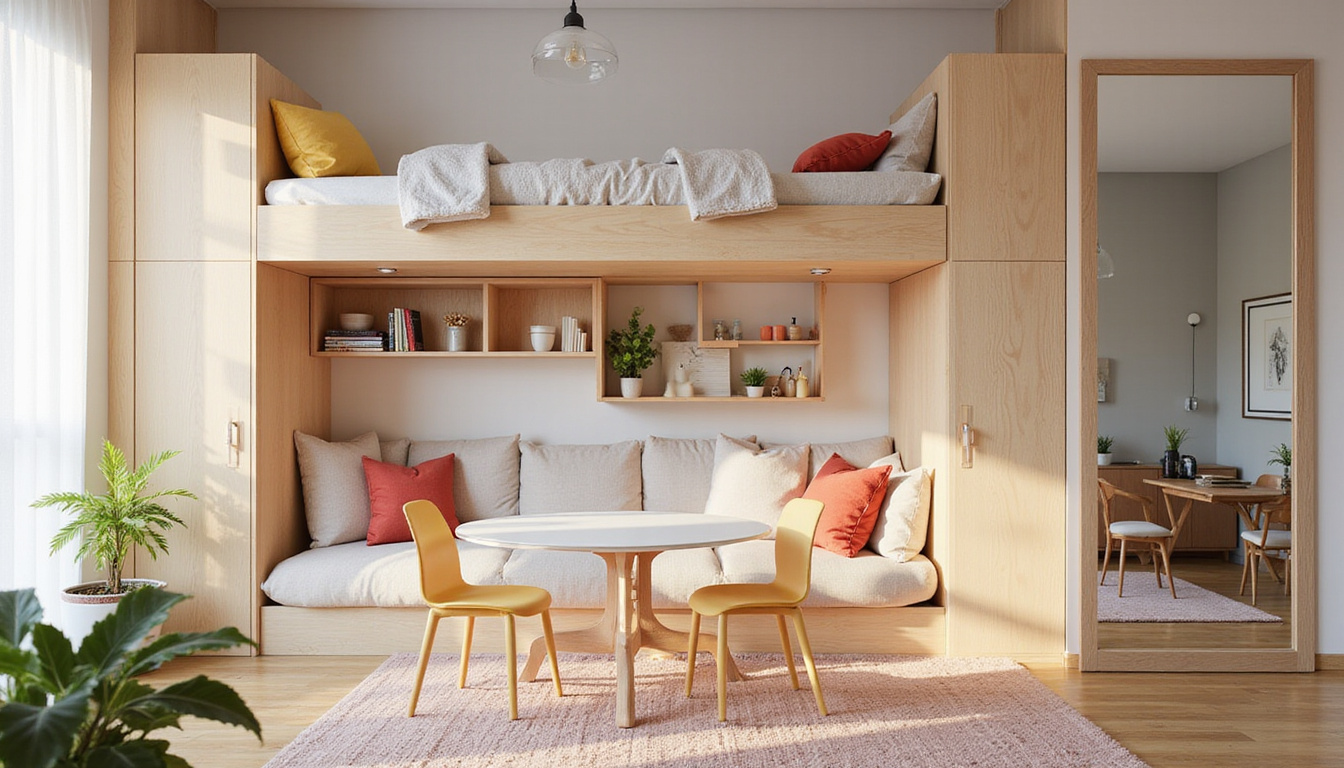
Studio apartments have become a popular choice in Egypt’s major cities like Cairo, New Cairo, 6th of October, and the North Coast, especially among young professionals, digital nomads, and investors. While studio apartments offer affordability and flexibility, the key to enjoying them is smart design. With the right layout, furniture, and storage solutions, even a 30–50 m² space can feel open, comfortable, and surprisingly luxurious.
Below are practical, people-first design hacks to help you transform any studio into a highly functional home—whether you’re renting, buying, or preparing a unit to list on the Egyptian property market.
Why Studio Apartments Are a Smart Choice in Egypt
Before diving into design tricks, it helps to understand why studio apartments are so in-demand:
- Lower entry price vs. larger units, making them attractive for first-time buyers and investors.
- Prime locations in central districts close to business hubs, universities, and transportation.
- Easy to furnish and maintain, ideal for busy professionals and expats.
- High rental potential, especially as furnished short- and long-term rentals.
However, the main challenge is space. A single open room has to function as a living room, bedroom, workspace, and sometimes a dining area. Smart design is what turns that challenge into an advantage.
Start With a Clear Layout: Zoning Your Studio
The most important design move in studio apartments is zoning—visually carving the space into distinct “rooms” without building actual walls.
1. Define Functional Zones
Think in terms of activity zones:
- Sleep zone – bed or sofa bed, bedside table, soft lighting
- Living/entertaining zone – seating, coffee table, TV or projector
- Work zone – compact desk or wall-mounted surface
- Dining zone – small table or bar counter
- Kitchen zone – cooking, prep, and storage
You won’t always have space for all of them, but giving each function a defined area reduces visual chaos and makes the studio feel bigger.
2. Use Rugs, Lighting, and Color to Separate Spaces
Without erecting walls, you can “draw” invisible borders using:
- Area rugs – a rug under the sofa creates a living area; a smaller runner beside the bed defines the sleep zone.
- Lighting – use a floor lamp for the living area, wall sconces for the bed, and task lighting for the kitchen. Separate lighting layers make each space feel intentional.
- Color blocking – paint one accent wall behind the bed, use a different tone or wallpaper behind the sofa. This visually divides the room without eating up space.
For example, in a studio in New Cairo, you might paint the wall behind your bed a warm beige, keep the living area white, and place a textured rug under the sofa to visually separate the two.
Furniture That Works Twice as Hard
In studio apartments, every single piece of furniture should earn its spot. Multi-functional and space-saving pieces are non-negotiable.
1. Choose Transforming Furniture
Consider furniture that changes function during the day:
- Sofa bed or daybed – a stylish sofa that pulls out into a bed saves precious square meters.
- Murphy bed (wall bed) – folds up into a cabinet, freeing floor space for daytime activities.
- Extendable dining table – folds small when it’s just you, extends when you have guests.
- Nesting tables – stack away when not needed; separate them when entertaining.
- Storage ottomans or benches – provide seating and hide blankets, pillows, or shoes.
These kinds of pieces are particularly useful in studios intended for Airbnb or furnished rentals around the North Coast or central Cairo, where versatility is a huge selling point.
2. Go Vertical: Use the Walls
When floor space is limited, walls become your biggest asset:
- Wall-mounted desks that fold down when needed and flip up when not in use.
- Shelving above doors and windows to store books, decor, or seasonal items.
- High cabinets or wardrobes that go close to the ceiling—Egyptian ceilings are often high, so use that volume.
- Pegboards in kitchens or work zones to hang tools, utensils, and stationery.
By taking storage upward, the floor remains clear, which makes the studio feel larger and less cluttered.
Storage Hacks That Keep Clutter Under Control
Clutter is the enemy of small spaces. In studio apartments, good storage is as important as good furniture.
1. Hidden Storage Everywhere
Look for hidden storage opportunities:
- Under-bed drawers or lift-up beds – perfect for bedding, luggage, and winter clothes.
- Headboards with built-in shelves – replace nightstands and hold books, chargers, and lamps.
- TV units with cabinets – hide electronics, paperwork, and small items.
- Kitchen islands with storage – double as a dining bar and extra cabinet space.
In Egypt, many developers offer semi-furnished studios with basic kitchens. Adding smart, modular storage can significantly increase the property’s value and rental appeal.
2. Declutter and Curate
In a studio, you simply can’t own as many things as in a 3-bedroom apartment. A few habits go a long way:
- Keep only what you use regularly or truly love.
- Choose fewer, larger decor items rather than many small knick-knacks.
- Store rarely used items in labeled boxes on high shelves or in storage beds.
This approach makes daily cleaning faster and keeps the space feeling calm and ordered.
Visual Tricks to Make Studio Apartments Feel Bigger
Your studio might be small in square meters, but it doesn’t have to look small. Design can change perceptions dramatically.
1. Light, Neutral Bases With Strategic Contrast
Light colors reflect more light and make rooms feel open. Start with:
- White or off-white walls (or very pale beige/greige).
- Light flooring if possible (or a large light rug on darker floors).
- Neutral large furniture – sofa, bed, big cabinets.
Then layer in color through smaller items: cushions, throws, art, and decorative objects. This keeps the space feeling open but not sterile.
2. Mirrors and Glass to Multiply Space
Mirrors are classic for a reason:
- A large mirror opposite a window doubles the natural light.
- Mirrored wardrobe doors visually expand the room.
- Glass coffee tables, glass dining tables, and open metal shelving keep visual lines uninterrupted, helping the space feel airier.
3. Keep Sightlines Clear
Avoid blocking views across the room:
- Choose low-profile sofas and beds where possible.
- If you use room dividers, pick ones that let light through (like open shelving or slatted wood).
- Mount the TV on the wall instead of using a bulky unit.
The more of the floor you can see, the larger the studio will feel.
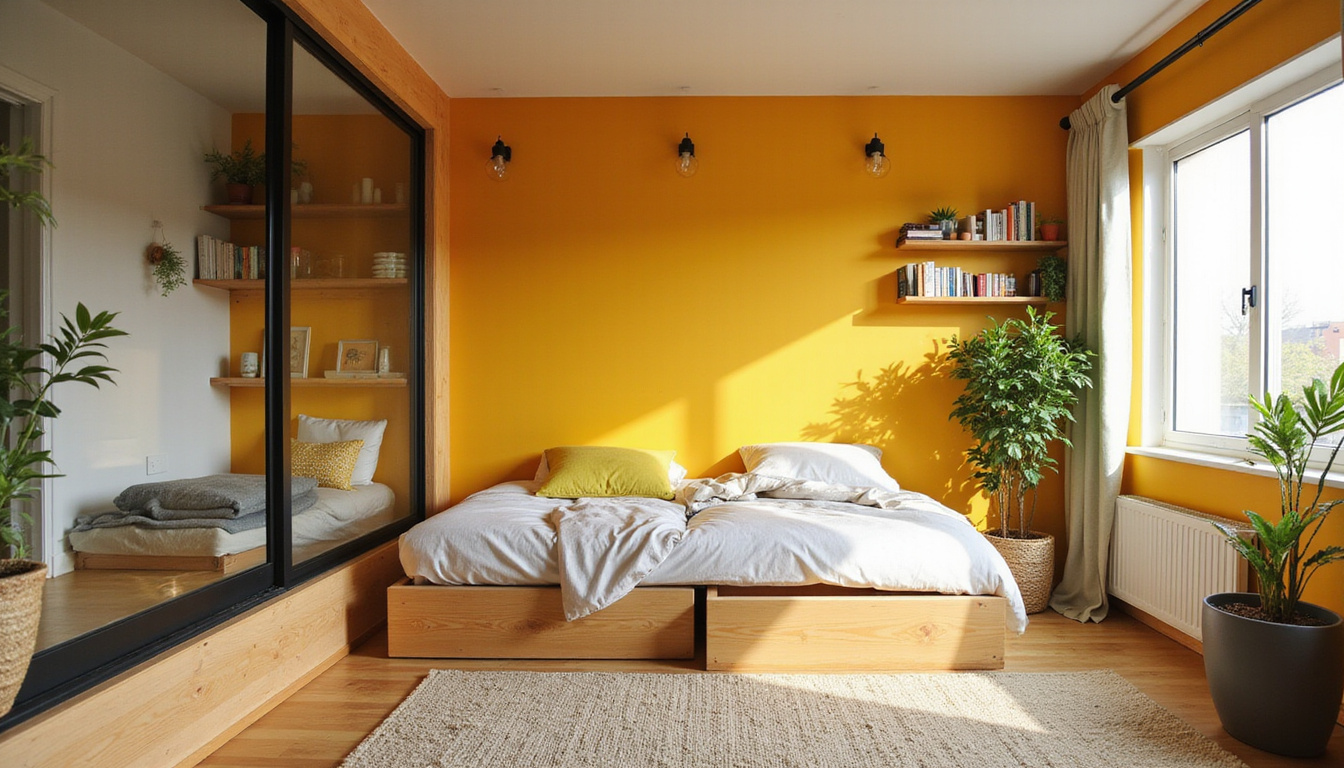
Smart Ways to Separate Sleeping and Living Areas
One common concern with studio apartments is privacy—especially if you host guests or work from home.
1. Light, Flexible Room Dividers
Instead of permanent walls, consider:
- Curtains – ceiling-mounted, sheer for light, blackout for privacy near the bed.
- Open shelving units – divide spaces while adding storage and display surfaces.
- Sliding panels – wood or glass panels on a ceiling track can close off the bed at night.
- Folding screens – easy to move or store when not needed.
These solutions are ideal for renters since they don’t require major renovations.
2. Define the Bed as Its Own “Nook”
If your studio layout allows:
- Tuck the bed into a recess, alcove, or corner.
- Use a different wall color or wallpaper just behind the bed.
- Add a small rug and dedicated lighting so it feels like a mini-bedroom.
This creates psychological separation between “day mode” and “night mode,” which is important for sleep quality and productivity.
Designing a Functional Kitchen in a Studio
In many Egyptian studio apartments, the kitchen is a compact open kitchenette. Smart planning makes it both attractive and practical.
1. Keep the Kitchen Visually Calm
Since you see the kitchen from the bed and sofa:
- Use unified cabinetry fronts (minimal handles, consistent color).
- Hide appliances like microwaves and kettles inside cabinets where possible.
- Choose a neutral backsplash and worktop; add color through small accessories only.
This keeps the overall space from feeling “busy” or chaotic.
2. Maximize Every Centimeter
- Install ceiling-height cabinets to increase storage.
- Use pull-out racks and corner solutions inside cabinets.
- Add a narrow rolling cart between appliances for spices and smaller items.
- If you cook rarely, a two-burner cooktop and compact oven or air fryer may be sufficient, freeing counter space.
For more in-depth guidance on small-space planning and general housing trends, the UN-Habitat reports on housing and urban development in the region offer useful context (source: UN-Habitat).
Lighting: The Secret Weapon in Studio Design
Lighting can completely transform studio apartments, especially in high-density areas where natural light is limited.
- Layer your lighting:
- Ambient: ceiling lights or track lights
- Task: under-cabinet lights, desk lamps, reading lamps by the bed
- Accent: LED strips behind the TV or shelves, small wall sconces
- Use warm white bulbs (2700–3000K) for a cozy feel.
- Install dimmers where possible so the studio can shift from bright and productive to soft and relaxing.
Avoid a single harsh ceiling lamp; it makes the space feel flat and smaller.
A Quick Checklist for Designing Studio Apartments
Use this list as a reference when planning or viewing a studio unit:
- Define clear functional zones (sleep, living, work, cooking).
- Choose multi-functional furniture (sofa bed, extendable table, storage ottomans).
- Use the walls for vertical storage and wall-mounted elements.
- Keep clutter minimal; invest in hidden storage.
- Stick to light, neutral base colors with limited, curated accents.
- Add mirrors to reflect light and open sightlines.
- Separate sleep and living areas with curtains, shelves, or panels.
- Design a calm, minimalist kitchen area with ample closed storage.
- Layer lighting for flexibility and atmosphere.
- Personalize with a few meaningful decor pieces so it feels like home.
Learn From Real Experiences
If you’re considering moving into a studio in Egypt—especially as an expat or someone relocating from a larger home—it helps to hear real-life stories about adapting to smaller spaces and a new lifestyle. This video, “Things I Wish I Knew Before Moving to Egypt – My Honest Experience,” offers candid insights that pair well with the design strategies discussed here:
FAQ About Studio Apartments and Small-Space Living
1. Are studio apartments a good investment in Egypt?
Yes, studio apartments can be a strong investment, particularly in areas with high rental demand like central Cairo, New Cairo, Sheikh Zayed, and near universities or business districts. Their lower purchase price, relatively high yield per square meter, and popularity among young professionals and expats make them attractive for both long-term and short-term rentals.
2. How can I furnish a studio apartment on a budget?
Focus on a few key multi-functional pieces: a sofa bed or daybed, a compact wardrobe, a small dining table that doubles as a desk, and simple shelving. Shop local furniture markets, consider flat-pack options, and add affordable decor like cushions, rugs, and wall art to make the space feel personal without overspending.
3. What size should a studio apartment be to feel comfortable?
Comfort depends on layout more than exact size, but many people find 30–45 m² adequate if the space is well-zoned and includes good storage. High ceilings, large windows, and smart design (like wall beds and built-in cabinets) can make even smaller studios feel surprisingly spacious.
Turn Your Studio Into a Space You Love
Studio apartments don’t have to be a compromise. With smart zoning, multi-functional furniture, hidden storage, and a few clever visual tricks, a small unit can feel open, elegant, and highly liveable—whether you’re in the heart of Cairo or a growing satellite city.
If you’re planning to rent, buy, or renovate a studio in Egypt, now is the perfect time to apply these design hacks. Start by sketching your ideal layout, list the functions you need (sleep, work, relax, cook), and then choose furniture and finishes that support those needs without wasting a single centimeter.
Ready to make the most of your space—or to choose the right studio apartment for your lifestyle or investment goals? Begin today: define your zones, prioritize smart storage, and transform a simple studio into a tailored home that works beautifully for you every single day.