
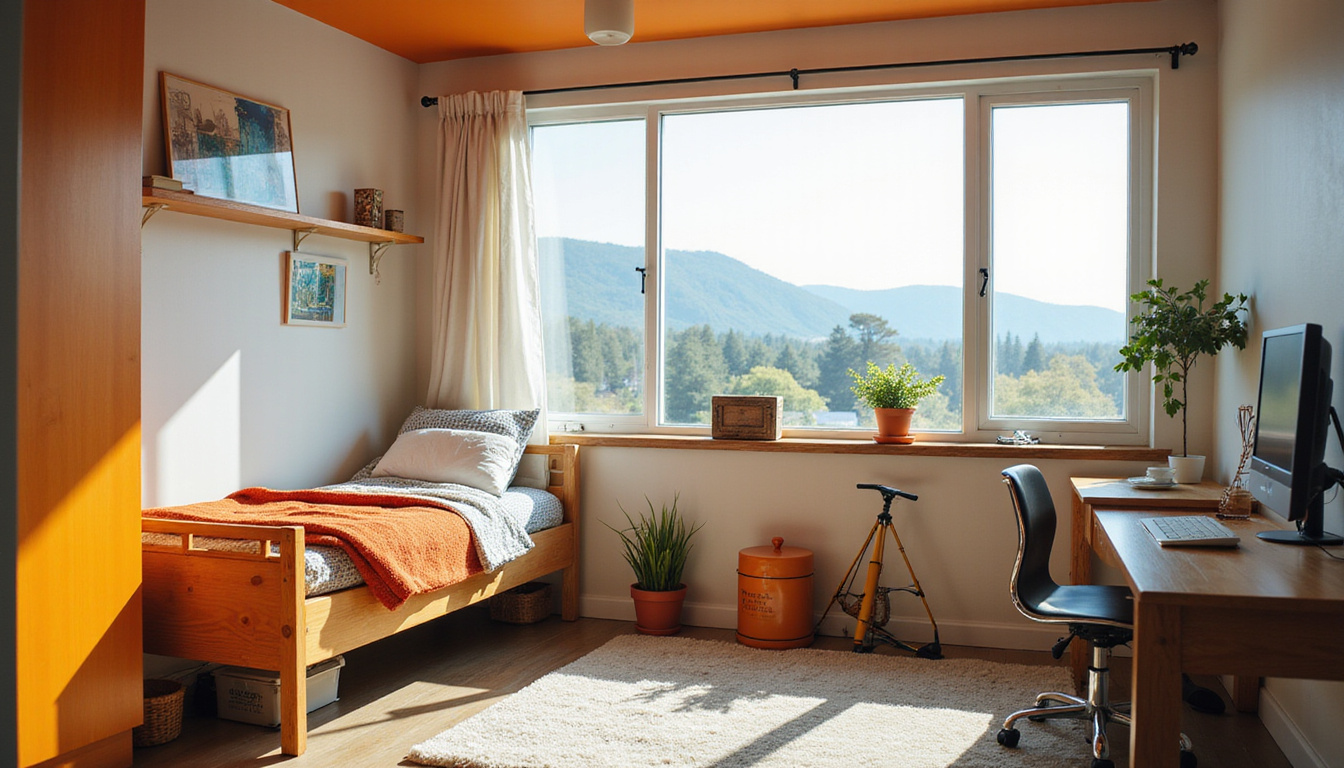
Finding the right student housing can make or break your university experience. The place you sleep, study, and socialize affects your grades, your mental health, and your budget. Whether you’re a local student, an out‑of‑towner, or an international student eyeing options in Egypt or elsewhere, navigating rents, contracts, and roommates can feel overwhelming. This guide breaks down the key decisions, costs, and safety checks so you can choose affordable, safe housing with confidence—and avoid expensive mistakes.
1. Understanding Your Student Housing Options
Before you start browsing listings, get clear on what types of student housing exist. Each has different costs, levels of independence, and responsibilities.
On-Campus Dorms (Residence Halls)
On‑campus dorms are usually the first option universities suggest.
Pros:
- Close to classes, libraries, and campus facilities
- Easier to meet people and build a social circle
- Utilities and internet often included in one fee
- Campus security and residence advisers (RAs)
Cons:
- Less privacy and personal space
- Strict rules (visitors, quiet hours, curfews in some countries)
- Limited control over roommates
- Sometimes more expensive than modest off‑campus options
Off-Campus Shared Apartments
Sharing an apartment near campus is one of the most common forms of student housing.
Pros:
- Usually cheaper per person than renting alone
- More independence and freedom
- You choose (or at least help choose) your roommates
- Can cook your own food and manage your own schedule
Cons:
- Responsible for utilities, internet, and sometimes maintenance
- Landlord relationships and contracts can be tricky
- Commute time and cost can add up
- Roommate conflicts are your problem to solve
Studios or One-Bedroom Apartments
If privacy is your top priority, a small private unit might be worth the cost.
Pros:
- Maximum privacy
- Control over noise, guests, and cleanliness
- Ideal for focused study and remote work
Cons:
- More expensive than shared student housing
- All bills are your responsibility
- Can feel isolating if you’re new to the city
Purpose-Built Student Housing (PBSH)
In many cities—including big education hubs like Cairo, Alexandria, and Giza—developers now build dedicated student residences off‑campus.
Features may include:
- Furnished rooms, shared lounges, gyms, and study areas
- Fixed monthly fee covering utilities and internet
- 24/7 security and sometimes cleaning services
- Transport links or shuttles to main campuses
Trade‑off: You pay for convenience and amenities; often mid‑ to high‑range in price compared to regular apartments.
Homestays and Family Housing
Living with a local family (popular with exchange and international students):
Pros:
- Cultural immersion and language practice
- Often includes meals and utilities
- Extra support network in a new city or country
Cons:
- Less independence and strict household rules
- Limited control over location and room size
2. How to Budget for Student Housing Without Stress
Student housing is usually the biggest line on your budget after tuition. Aim to keep total housing costs (rent + bills) within 30–40% of your total monthly income or allowance.
Calculate Your Full Monthly Cost, Not Just Rent
When comparing options, factor in:
- Base rent
- Utilities: electricity, water, gas
- Internet and mobile data
- Transport: bus/metro passes, taxis, or ride‑hailing
- Food: groceries vs. meal plan vs. eating out
- Extras: laundry, cleaning, maintenance, parking
Many students are surprised by how much “hidden” costs add up. A cheaper apartment far from campus might look great until you add daily transport and lost time.
Sample Budget for Student Housing (Per Month)
Use this as a rough framework and adjust to your city’s prices:
- Rent (shared apartment room): 35%
- Utilities + internet: 10%
- Transport: 10%
- Groceries + meals: 25%
- Miscellaneous housing expenses (repairs, cleaning, supplies): 5%
- Savings/emergency fund: 15%
Setting aside even a small emergency fund helps when something breaks, a bill is higher than expected, or you need to relocate quickly.
For a clear look at living costs in Egypt specifically, including rent and utilities, you can compare cities globally using tools like Numbeo’s cost of living database (source: Numbeo).
3. Safety First: How to Assess a Neighborhood and Building
Affordable student housing is only a good deal if it’s safe and liveable.
Check Neighborhood Safety
- Visit at different times of day: Morning, afternoon, late evening.
- Look at foot traffic: Are there people walking around, or is it isolated?
- Ask locals and current students: They know which streets to avoid.
- Proximity to essentials: Pharmacies, supermarkets, public transport, clinics.
- Lighting: Are streets and entrances well lit at night?
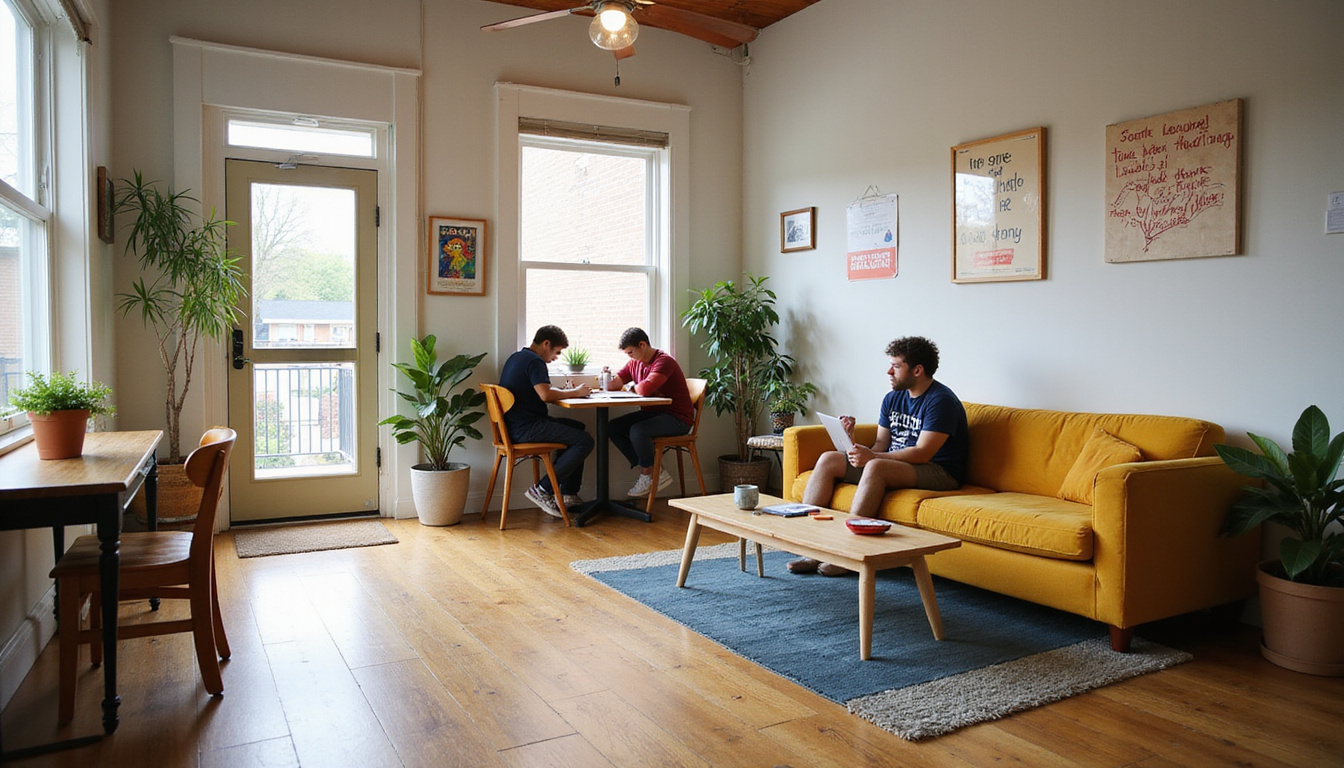
For international or out‑of‑town students, YouTube reviews and vlogs from students in your target city can provide honest, real‑world impressions. For example, “Things I Wish I Knew Before Moving to Egypt – My Honest Experience” offers a candid look at daily life and what to expect:
Inspect Building Security
When viewing a property, ask:
- Is there a secure entry (intercom, doorman, code, or keycard)?
- Are locks solid on the main door and bedroom doors?
- Are there fire exits, working smoke alarms, and fire extinguishers?
- Are windows secure, especially on ground floors?
- Is there 24/7 security or CCTV in larger buildings or complexes?
If you’re unsure, bring a trusted friend or family member to the viewing. Two sets of eyes catch more issues.
4. Finding Affordable Student Housing: Smart Search Strategies
To keep costs down without compromising on safety, focus on information and timing.
Start Your Search Early
- For popular universities and cities, housing can go quickly—start 3–6 months before the semester.
- If you’re an international student, look for temporary accommodation (like short‑term rentals or university guest houses) to give yourself time to search on the ground.
Use Multiple Search Channels
- University housing office or student services boards
- Official university Facebook groups or WhatsApp groups for new students
- Reputable property portals that list rentals near campus
- Student unions or associations that maintain off‑campus housing lists
- Networking: Ask older students how they found their place
Compare Total Value, Not Just Price
When looking at listings, compare:
- Rent + estimated bills
- Commute time and cost
- Furniture included or not
- Safety and building condition
- Contract terms (deposit, notice period, penalties)
A slightly more expensive room in a safer, closer area can be much better value than a cheap but risky option.
5. Contracts, Deposits, and Legal Basics
Many housing problems start with unclear agreements. Never rely on only a verbal promise.
Read the Lease Carefully
Key things to check:
- Length of contract: Semester, 6 months, 12 months?
- Deposit amount and conditions: When and how is it returned? What can be deducted?
- Included services: Which utilities are included? Is internet part of the rent?
- Maintenance responsibility: Who pays when something breaks?
- Rules on subletting and guests: Are you allowed to have visitors or temporary roommates?
- Early exit penalties: What happens if you leave before the end of the contract?
If anything is unclear, ask the landlord to explain in writing or have a more experienced person review the contract with you.
Protect Your Deposit
- Document the condition of the apartment on day one: photos or videos of walls, floors, furniture, appliances.
- List existing damage in a signed move‑in checklist.
- Get receipts for any payments (rent, deposit, fees).
This evidence is invaluable if there’s a dispute when you move out.
6. Roommates and House Rules: Avoiding Conflict
Shared student housing is cheaper and more social, but only works well with clear expectations.
Choosing Roommates
If possible, look for:
- Similar study schedules (night owl vs. early riser)
- Compatible cleanliness standards
- Honest talk about guests, parties, and quiet hours
- Reliable income or financial support to avoid late rent problems
Meeting potential roommates in person—or at least via video call—before signing a lease is strongly recommended.
Set Basic House Rules in Writing
Discuss and agree on:
- Cleaning rota (kitchen, bathroom, shared areas)
- Noise and quiet times, especially during exams
- Shared items: food, cookware, cleaning products
- Guest policies and overnight stays
- Payment deadlines for rent and bills
A simple, written “roommate agreement” may feel formal but can prevent friendship‑ending arguments later.
7. Furnishing and Setting Up Your Space on a Budget
Once you’ve secured student housing, you still need to make it liveable without draining your savings.
Prioritize Essentials
Start with what you truly need:
- Bed and mattress (or at least a good mattress topper)
- Desk and chair comfortable enough for long study sessions
- Adequate lighting (desk lamp, bedside lamp)
- Basic kitchen gear: pot, pan, plates, cutlery, mug, glass
- Storage solutions (shelves, hangers, under‑bed boxes)
Save Money on Furniture and Supplies
- Look for second‑hand options from graduating students.
- Use online marketplaces and student groups for bargains.
- Split the cost of shared items like kettles, toasters, and cleaning tools with roommates.
Small touches like a rug, curtains, and a few photos or plants can make even basic student housing feel like home.
8. Checklist: Before You Sign or Move In
Use this checklist as a quick reference when evaluating a place:
- [ ] Rent fits within my monthly budget (including bills)
- [ ] Location is safe and reasonably close to campus or transport
- [ ] Building has adequate security (locks, lighting, entry system)
- [ ] I’ve seen the actual room I’m renting, not just photos
- [ ] Contract clearly states rent, deposit, and duration
- [ ] I understand what utilities and services are included
- [ ] I’ve asked about any extra fees (maintenance, parking, internet)
- [ ] I’ve met or spoken with my potential roommates
- [ ] I’ve taken photos/videos of the apartment’s condition
- [ ] I have receipts for all payments
FAQ: Common Questions About Student Housing
1. How can I find cheap student accommodation near my university?
Look at university housing boards, official social media groups, and student unions first. Then compare off‑campus listings on reputable rental websites. To keep student housing affordable, be flexible about features (like fancy amenities) but firm on safety and commute time. Sharing with one or two roommates is usually the biggest cost saver.
2. What should I look for when choosing safe housing for students?
Focus on neighborhood safety, building security (locks, lighting, controlled entry), and fire safety. Talk to current students about which areas they feel comfortable in after dark. Any student housing option you choose should have a secure main door, working locks on windows, and clear emergency exits.
3. Is on-campus student housing better than renting privately?
It depends on your priorities. On‑campus student housing usually offers stronger security, a built‑in social circle, and simpler billing (one fee for room and utilities). Private rentals can be cheaper and give more independence but require more effort to manage contracts, bills, and landlords. Many students start on campus in their first year, then move off‑campus once they know the city better.
Make Your Student Housing Work for You
The right student housing is more than just four walls—it’s your base for studying, resting, and building a new life. When you balance cost, safety, and comfort, you set yourself up for better grades, better health, and a better overall experience.
If you’re planning your next semester now, don’t leave housing to the last minute. Start comparing options, ask questions, visit neighborhoods, and involve trusted friends or family in the decision. Whether you choose a dorm, a shared apartment, or a purpose‑built residence, you deserve a space that supports your goals.
Begin your search today, create a realistic budget, and use this guide as your checklist. The sooner you secure safe, affordable student housing, the sooner you can focus on what really matters: making the most of your time as a student.