
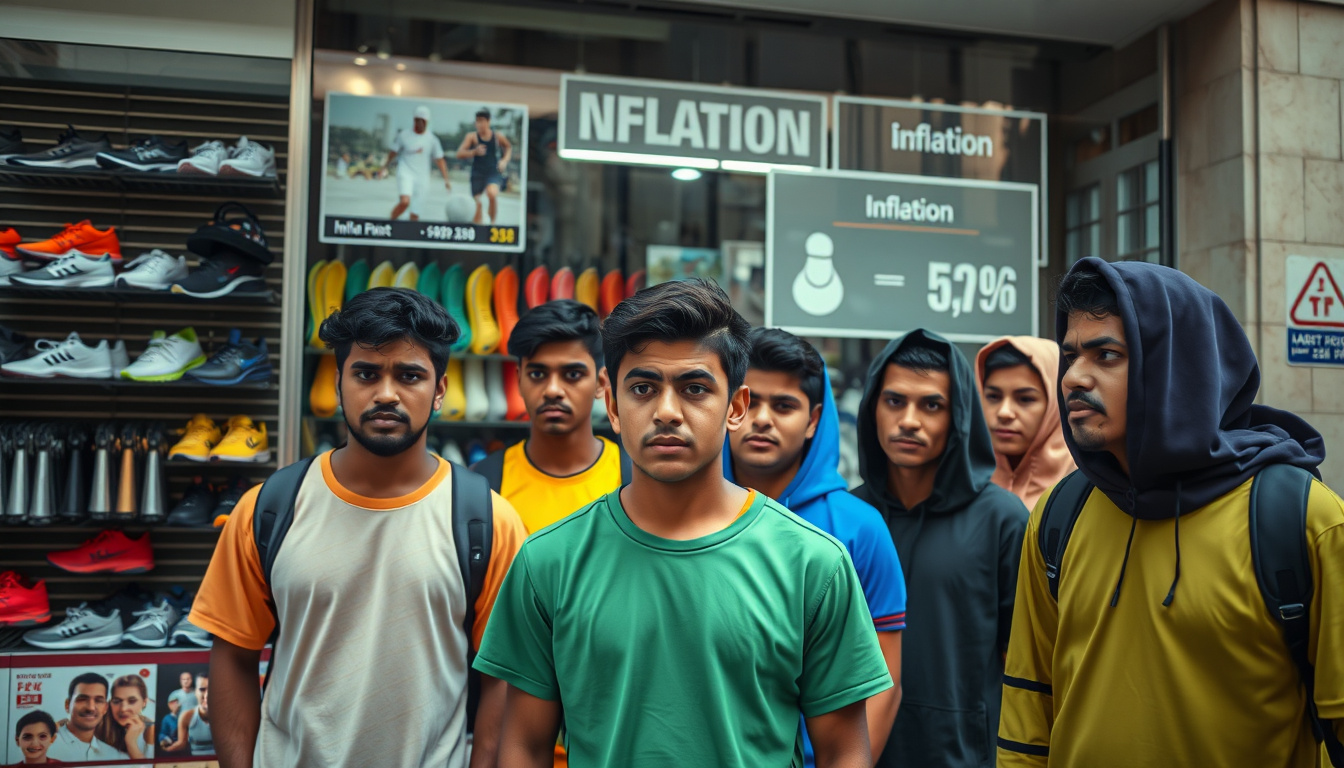
In recent years, the landscape of sports equipment pricing in Egypt has undergone drastic changes, primarily influenced by economic factors such as inflation and currency depreciation.
Between early 2022 and 2025, families in Egypt are witnessing a significant uptick in the costs associated with essential sports gear, which is threatening the engagement of youth in athletic pursuits.
As the country grapples with soaring prices that have become intimidating for many households, the dream of participating in sports is slipping away for some young athletes.
In this article, we will explore the key drivers behind the rising costs of sports equipment in Egypt, unpack the implications for youth sports participation, and highlight the voices of parents struggling with these new financial challenges.
Understanding this situation is crucial for stakeholders aiming to foster an environment where sports can thrive among the youth, regardless of economic constraints.

Key Takeaways
- Inflation and currency depreciation are driving up the costs of sports equipment in Egypt, making it less affordable for families.
- High tariffs on imports contribute to the skyrocketing prices of essential sports gear, limiting youth access to sports.
- The rising costs of sports equipment pose significant barriers to participation, threatening the future of young athletes in Egypt.
Economic Factors Influencing Sports Equipment Prices
### Economic Factors Influencing Sports Equipment Prices
The period from early 2022 to 2025 has seen a significant rise in the cost of sports equipment in Egypt, primarily driven by rapid inflation and the depreciation of the Egyptian pound against foreign currencies.
This economic shift has notably increased prices for non-essential goods, including sports gear, making it increasingly difficult for many families to afford the necessary equipment for their children’s participation in sports.
A key contributor to escalating prices is the heavy reliance on imported sports equipment, with imports totaling approximately EGP 3 billion (USD
84.31 million) in
2024.
Major sources of these imports include China, Italy, Turkey, and the U.S., which places Egyptian consumers at the mercy of fluctuating currency exchange rates and international market conditions.
Furthermore, high tariffs on equipment—sometimes reaching as much as 30%—add to the costs, further inflating the prices.
Amidst persistent inflation rates in Egypt that have consistently outpaced wage growth, coupled with the currency devaluations that have occurred since 2016, families are feeling the pinch when it comes to equipping their children for athletic activities.
For instance, the price for branded football boots can range dramatically from EGP 5,375 to over EGP 8,400, while footballs typically vary between EGP 800 and EGP 1,500.
In sports like tennis and squash, the cost for racquets can reach as high as EGP 20,000, creating a significant financial barrier for families wishing to engage their children in these activities.
Personal anecdotes from parents reveal a growing concern over the rising costs associated with maintaining athletic training and participation for their children.
Such financial strains are likely to impact the youth sports landscape in Egypt, suggesting that aspiring young athletes may face considerable barriers to entry.
The rising costs of essential sports gear not only limit participation rates but also highlight a pressing need for policy intervention and support initiatives that can help mitigate these financial burdens on families.
Impact on Youth Sports Participation
As a result of these financial challenges, many families are now forced to make tough decisions regarding their children’s involvement in sports, leading to a noticeable decline in youth sports participation across various disciplines.
Reports indicate that parents are having to prioritize essential needs over athletic ambitions, which in turn diminishes opportunities for young athletes to develop their skills and engage in healthy physical activities.
Additionally, schools and community organizations are witnessing underfunding and reduced participation in sports programs as families opt out of costly gear and activities.
This trend not only hampers the physical and psychological development of children who thrive in competitive environments but also raises concerns about the long-term health and fitness of future generations.
In light of these growing challenges, it’s crucial for stakeholders in the sports community, including government entities and private sectors, to act swiftly to address the barriers to participation and explore solutions that can help make sports more accessible to all youth, regardless of their economic background.