
Introduction: Why an overnight dahabiya belongs on your Egypt itinerary
If you want to take in the Nile at a slow pace while keeping style, an overnight dahabiya stands out. You ride a small boat that links history with simple living. Majestic temples, small villages, and river banks line your route; each word in this journey connects closely with the next. Whether you seek a two-night break or a weekend change of rhythm, an overnight dahabiya adds a memorable touch to your Egypt travel plan.
H2: What is a dahabiya and why choose an overnight dahabiya?
H3: The dahabiya difference
A dahabiya is a boat with shallow drafts that carries lateen sails. Historically, wealthy travelers used it along the Nile. Today, boats like these mix a traditional shape with snug cabins, open decks, and a small crew, including a chef. Choose an overnight dahabiya and you watch the sunrise and sunset on the river. You visit unseen temple paths and eat on deck under a sky full of stars—an experience that big ships and day tours do not give.
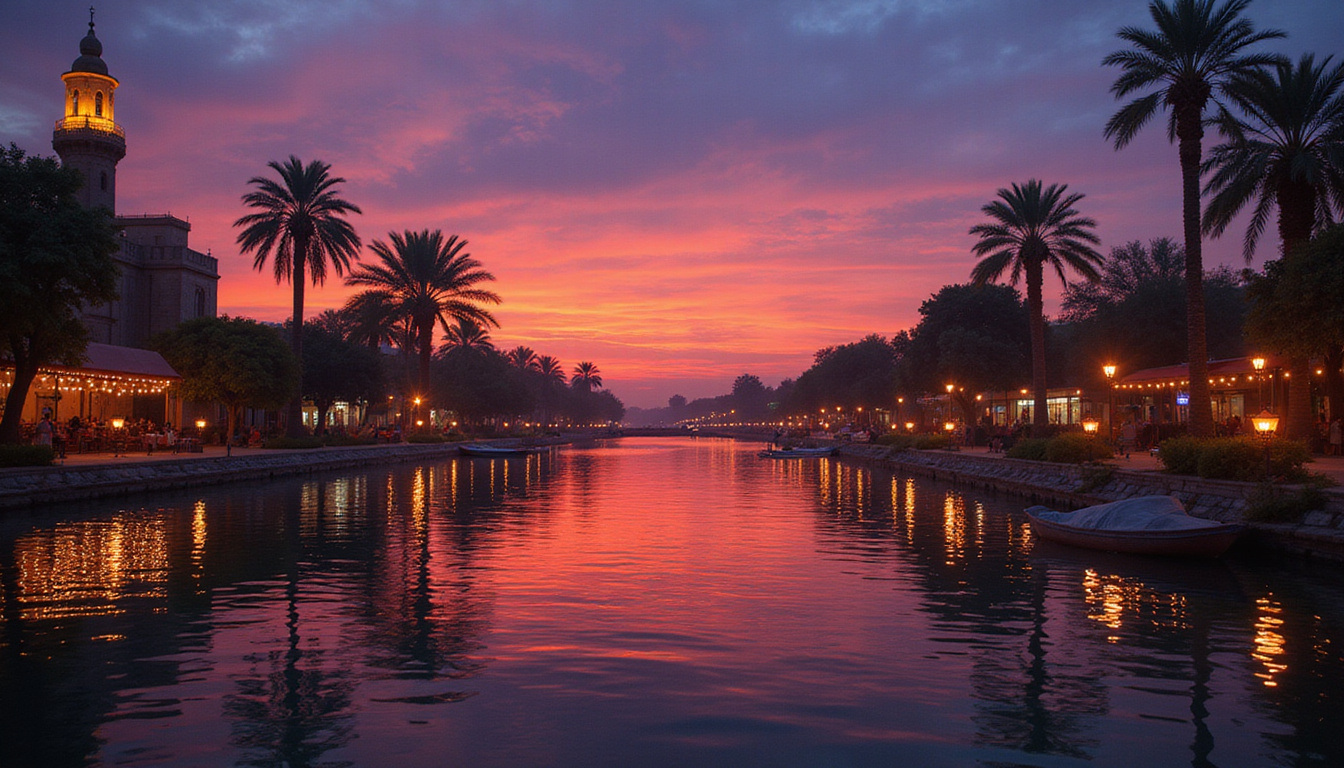
Image/video suggestion: 1–2 photos of a dahabiya moored at sunset; short clip of river sunset.
H2: Top highlights and attractions on a typical overnight dahabiya route
H3: What you’ll see
Depending on where you start in Luxor, Aswan, or between, an overnight dahabiya cruise brings you these sights:
• Quiet stops at ancient temples (for example, Kom Ombo, Edfu, or small temples near Luxor)
• Visits to local markets in nearby villages where crafts are on display
• Views of sugarcane fields and Nubian villages as you sail
• Private dinners on deck while you gaze at the stars
If you begin your route in Luxor, you watch the sunrise on the east bank. You might pause at the Valley of the Kings if time allows, and you view small, often unseen temples.
Image/video suggestion: Photos of Kom Ombo, Edfu, village market; drone shot of the Nile and dahabiya.
H2: Onboard life: food, cabins, and expectations
H3: Comfort without the cruise-ship crowd
On an overnight dahabiya you find:
• Simple yet snug cabins with private or shared bathrooms
• Fresh local meals, with dishes like grilled fish, ful medames, tagines, and seasonal fruit
• A steady daily pattern: sail, pause, explore, eat, sleep, and then repeat
Many boats cook food on board. If you need a vegetarian dish or have special dietary rules, mention it when you book. Food made on the Nile is a bright point—try molokhia, kabab, and fresh fish when you can.
H2: Practical planning: booking, costs, and timing
H3: How to book and what it costs
Booking: Use a trusted operator by checking reviews and safety notes. You may ask your Luxor or Aswan hotel to suggest a boat. You can also read reviews from local Egypt tour agents.
Cost: Overnight dahabiya trips vary from shared boats to private ones. Typical prices are:
• Budget/shared dahabiya overnight: $50–$120 per person
• Mid-range private overnight: $200–$400 per person (if you split the cost)
• Luxury private dahabiya: $400+ per person
Keep in mind that prices change with the season, the route, and what is included with meals, tours, and guides.
For official travel tips and up-to-date visa rules, check Egypt’s tourism site (https://egypt.travel).
Image/video suggestion: Comparison chart image of budget vs. luxury dahabiya cabins; short walkthrough video of a cabin.
H2: Best time to go and seasonal advice
H3: When to book your overnight dahabiya
• Peak season (October–April): The air is cooler and the river trips feel comfortable. Expect high demand and higher costs during these months.
• Shoulder months (September and May): It stays warm and the atmosphere remains pleasant while the value improves.
• Summer (June–August): In Upper Egypt, the heat grows intense. Early mornings or late afternoons turn out best if you plan for the sun.
For fewer people and better prices, try October–November or February–March while keeping the sun’s heat in check.

H2: Safety, etiquette, and local tips
H3: Be respectful, be prepared
Safety:
• Most Nile routes used by dahabiyas remain safe. Stick to licensed operators and follow the crew’s simple directions.
• Hold on to your valuables. Keep copies of your travel papers with you.
• If you wish to swim near your boat, ask the crew first. Some spots have strong currents.
Etiquette:
• When you visit temples and villages, dress in a way that shows respect. Cover shoulders and knees.
• Before you take a picture of a person, ask for their agreement. A small token of thanks goes a long way when someone helps you.
• Drop a few Arabic words (like shukran for thank you) to build a genuine connection.
Quick packing and money tips:
- Pack light long-sleeve shirts, a hat, and a bottle of sunscreen.
- Wear shoes that are good for walking and sandals for boarding.
- Bring a refillable bottle and water treatment tablets, or ask if water is provided.
- Carry small cash in Egyptian pounds for tips, local markets, and minor buys.
- Add a light towel and your favorite toiletries. Some boats have basics, but you might prefer your own items.
Image/video suggestion: Packing flat-lay photo; short packing checklist video.
H2: Sample overnight dahabiya itinerary
H3: 2-day sample (Luxor to Edfu and back)
Day 1
• Morning: Board in Luxor and sail south. Enjoy lunch on deck.
• Afternoon: Leave the boat when it stops. Walk with a guide at a temple or village.
• Evening: Eat dinner on deck as stars light the sky. Remain on board for the night.
Day 2
• Dawn: Greet a new sunrise on deck. Make a quick visit to a nearby temple or market.
• Late morning: Sail back to Luxor with lunch and then disembark.
This simple plan lets you add guided visits or more extended village stops based on what you like.
H2: Making the most of your overnight dahabiya experience
H3: Insider tips from experienced travelers
• Ask your guide to suggest a quiet route that avoids the busy parts if you need calm.
• Bring a small charger because power may be low on board.
• For deeper details on history, hire a private guide when you visit temples.
• Think about a mix of the boat trip with an overnight in a local guesthouse or some time in Aswan to keep the pace gentle.
Internal resources and further reading
• For more ideas on planning a multi-day trip in Egypt, go to our Egypt itinerary guide (/blog/egypt-itinerary).
• Find packing suggestions and travel hints for Nile trips on our packing list and travel tips page (/travel-tips/packing-for-egypt).
H2: FAQ (schema-ready)
Q1: What is included on an overnight dahabiya cruise?
A1: What is provided can change with the operator. Most trips include sleeping space on the boat, food, a small crew, and short guided stops. Check your booking for details on temple fees and guide expenses.
Q2: How much does an overnight dahabiya cost per person?
A2: Costs vary. Shared or budget boats run $50–$120 per person. Private mid-range options range from $200–$400, and luxury boats cost more. Factors include the season, route, and items on board.
Q3: Is it safe to sleep overnight on a dahabiya?
A3: Yes, when you choose a trusted operator. Stay alert by following the crew’s rules. Keep your valuables safe and be cautious when near water.
Conclusion and call to action
An overnight dahabiya trip gives you a unique way to enjoy the Nile. Slow travel brings you close to local life, ancient temples, and the river’s might. Ready to start planning your Nile cruise? Book soon to secure the best boats and dates. Sign up for updates and packing lists, and share this guide with fellow travelers. For personal tips on routes, operators, or best times to travel, leave a comment or contact us.
Meta title (for SEO, ~60 characters)
Overnight Dahabiya: Insider Tips for an Unforgettable Nile Cruise
Meta description (for CTR, ~150–160 characters)
Plan your overnight dahabiya cruise on the Nile. Get simple tips on routes, costs, packing, and season to shape your Egyptian river escape—book now!
External source cited
For official travel rules and visa details, check Egypt’s tourism site (https://egypt.travel).