
Introduction: why an onboard chef lifts your voyage
An onboard chef turns a regular charter into a memorable journey. Fresh ingredients mix with smart technique and smooth service while you sail. Whether you are a traveler seeking fine meals at sea or an expat living on water, a skilled onboard chef makes restaurant-style dishes, custom menus, and stress-free shopping part of your life.
H2: Why hire an onboard chef — the value beyond food
Hiring an onboard chef goes past taste. It means:
- Menus that fit dietary needs and likes.
- Smooth shopping and waste control.
- A guest experience marked by plated courses, wine ties, and themed evenings.
- Saved time so you and your guests can relax and visit ports without food worries.
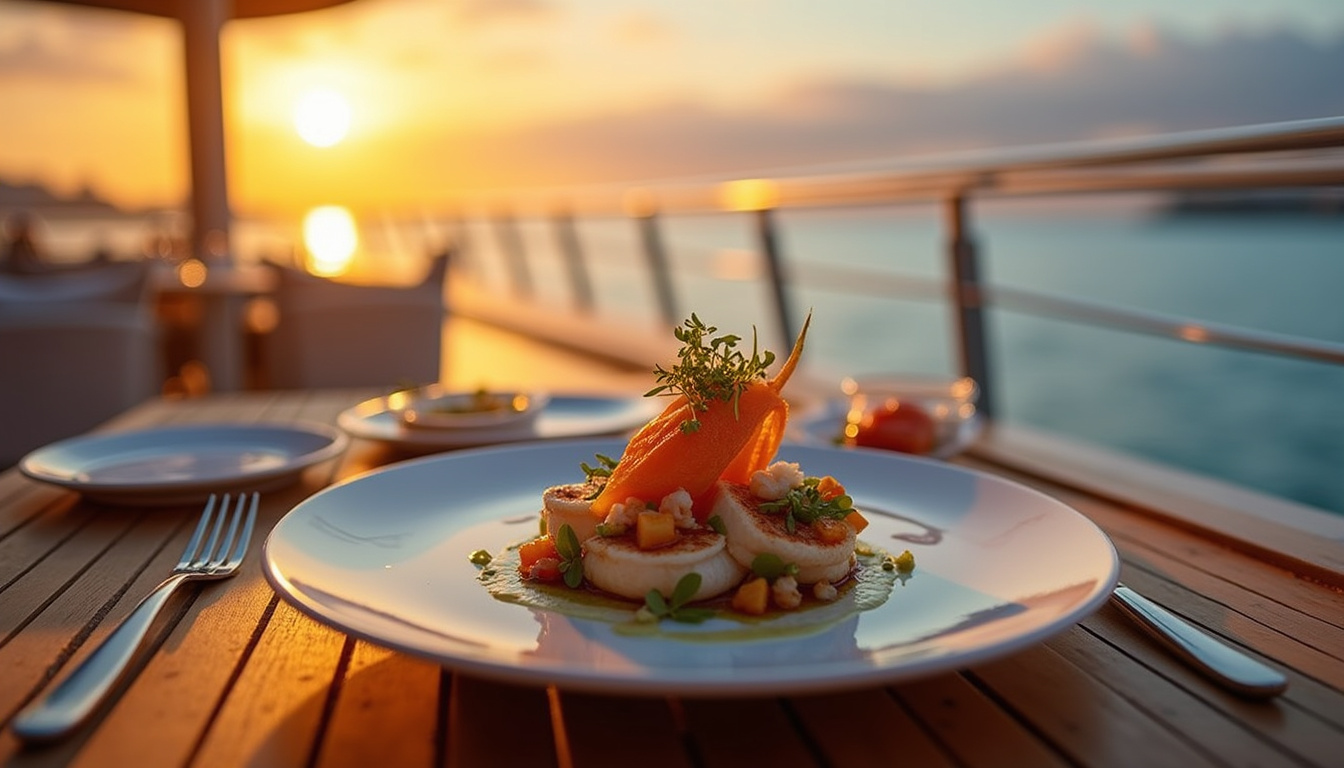
For luxury charters, this chef can be the difference between “nice” and “extraordinary.” They turn sunset evenings on deck into courses that rival top restaurants.
H2: Designing a Michelin-level menu at sea
H3: Principles that work in the galley
Creating high-level dining onboard needs solid planning and skill, not a fixed restaurant kitchen:
- Pick high-quality ingredients by finding the best local produce, seafood, and handmade goods at each port.
- Keep it simple and exact: choose a few fine elements and serve them well instead of crowding the dish.
- Use texture and contrast by pairing soft proteins with a crisp garnish and a bright sauce.
- Weave a story into the menu that fits the route, like using Mediterranean herbs in the Balearics or citrus notes in the Caribbean.
H3: Menu examples for different itineraries
- Mediterranean menu: tuna tartare with tiny pearls of olive oil, seared sea bass with fennel mash, and a lemon olive oil sponge.
- Caribbean course: fresh ceviche followed by jerk-spiced lobster and a light coconut panna cotta.
- Pan-Asian journey: miso-coated black cod, steamed bao with scallop and yuzu.
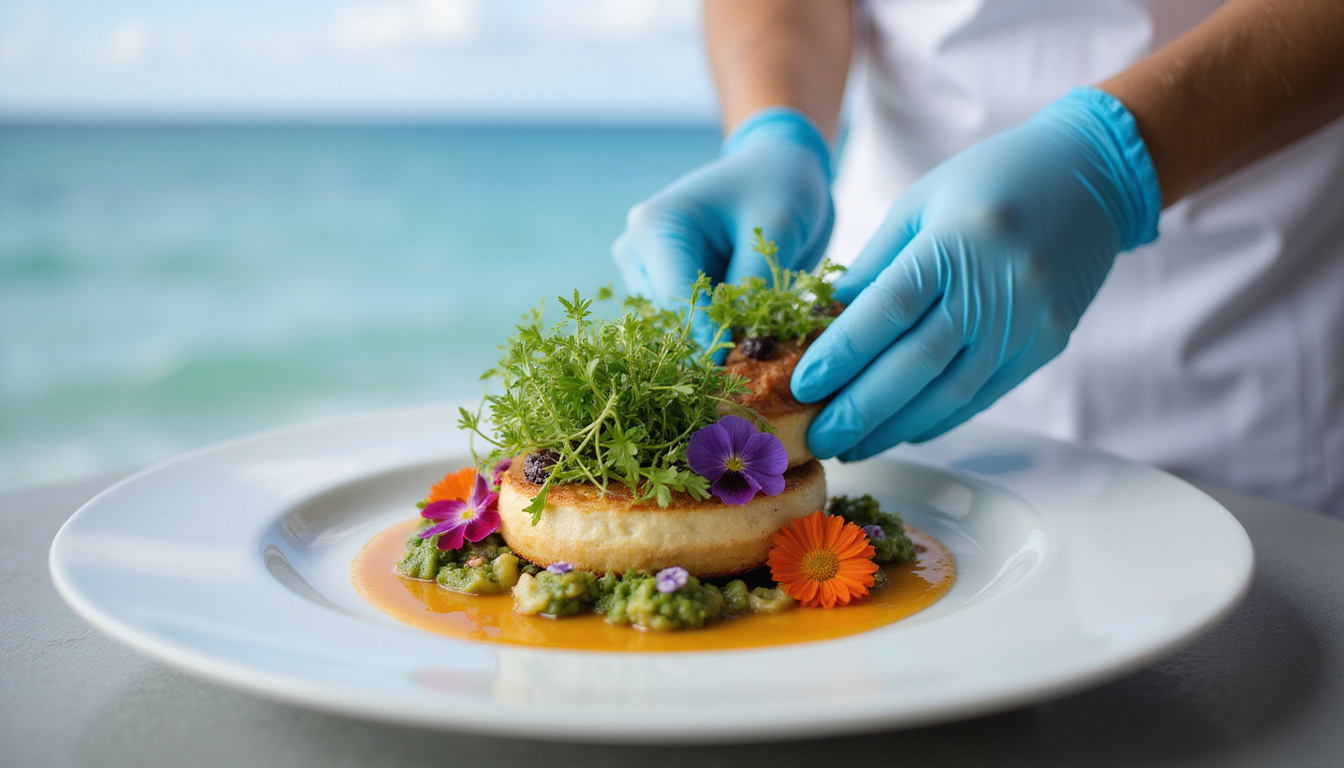
(Image suggestion: Chef plating a multi-course tasting menu on deck; Video: 60-second timelapse of a tasting menu service)
H2: Galley setup, gear, and smart shopping
A chef’s tools at sea differ from a restaurant. Arranging the galley well helps keep meals consistent.
Key items for a Michelin-level onboard kitchen:
- Multi-fuel range with an exact induction burner.
- A sous-vide circulator for proteins cooked just right.
- Quality knives and a small mandoline.
- A vacuum sealer and chest freezer for storage and portioning.
- A small blast chiller or a tool for rapid cooling.
- Flexible plating tools and warm-plate storage.
- Modular, labeled dry storage and a clear FIFO system.
Tips for shopping:
- Plan menus two weeks out and make a flexible list.
- Buy fresh herbs, seafood, and produce from local markets at each port.
- Keep staples from trusted suppliers back home.
- Use portioning and vacuum sealing to cut waste and save space.
(Image suggestion: Organized galley with labeled containers; Video: Chef unpacking fresh market finds in a port)
H2: Presentation and service — fine dining on rocking decks
Service skills matter as much as the recipes:
- Warm plates and cold glassware can change how the meal feels.
- Serve one course at a time to suit the sway of the sea and the meal pace.
- Add edible touches and small greens to bring in gentle textures.
- Train a crew member in basic table service so the chef can focus on the food.
Try themed nights (like “Captain’s Table,” “Chef’s Tasting,” or “Local Flavours”) to create memorable times for guests.
H2: Food safety, storage, and sustainability
Keeping food safe at sea is a must. Stick to strict temperature checks and cleaning steps to stop illness. The World Health Organization gives clear steps on food safety for kitchens on the move.
Ways to work sustainably:
- Use seafood that is caught responsibly or certified.
- Cut down on single-use plastics by using containers that can be washed.
- Compost food waste when you can or use approved waste services.
- Buy local and seasonal produce to shrink the carbon footprint and help local businesses.
H2: Seasonal advice and best times to charter
The right time changes menus and shopping plans:
- Mediterranean (May–September): Fresh tomatoes, citrus, tender herbs, and bright seafood peak. Note that prices rise and marinas crowd in July–August.
- Caribbean (December–April): Sweet citrus, tropical fruits, and seafood are available all year—ideal for a winter trip.
- South Pacific (May–October): Unique fruits and top-quality tuna appear; plan for longer resupply breaks.
Tip: Choose charters in shoulder seasons (May–June, September–October) for mild weather, fewer crowds, and better local market deals.
H2: Costs, hiring an onboard chef, and budget tips
How much does an onboard chef cost?
- Rates shift widely. Day-chef services for short trips cost less, while full-time onboard chefs for luxury yachts come with higher salaries and shopping fees.
- For private charters, you may see daily chef fees. Full-time chefs get a salary, benefits, and sometimes room costs.
Ways to save cost:
- Hire a local chef for some legs to cut travel expenses.
- Choose simple set menus or two-course lunches and save the tasting menus for special nights.
- Buy local items rather than imports, as they are often fresher and more affordable.
When hiring, check for maritime food safety skills and experience in small galleys. Look for positive reviews and the right culinary or yacht training certificates.
H2: Cultural etiquette and port shopping
When you go to new ports, mind the local food customs and rules:
- Ask before you take photos of local vendors and markets.
- Learn local dining manners—as Mediterranean customs differ from those in the Caribbean or Asia.
- Use local agents or shopping services to speed up supply runs and follow local rules.
If you visit several countries, check food import rules and the handling of perishable goods.
(Image suggestion: Chef shopping at a busy Mediterranean market; Video: Local fish auction or market walk-through)
H2: Practical tips to make the most of an onboard chef
- Hold a tasting with the chef before you set sail to state what you expect.
- Share any allergies or dietary needs well in advance.
- Ask the chef to create a special dish that fits your route.
- Arrange for cooking demos or hands-on galley sessions for guests who wish to join in.
Internal resources:
- For more on shopping, check our guide to yacht provisioning (/yacht-catering-best-practices).
- Need help hiring? See our hiring checklist for yacht chefs (/hire-yacht-chef).
FAQ (People Also Ask — schema-ready)
Q1: What does an onboard chef do?
A1: An onboard chef plans menus, shops for ingredients, cooks multi-course meals in a yacht’s galley, keeps food safe with proper storage, and often handles plating and table service to give a restaurant-quality meal at sea.
Q2: How much does an onboard chef cost for a charter?
A2: Costs change by region, skill, and trip length. Expect day fees for short journeys and higher monthly wages for full-time work; extra fees for shopping and relocating may apply.
Q3: How do I become an onboard chef or hire one for my yacht?
A3: To become one, get culinary training, work in small kitchens, and learn marine food care. To hire, check references, maritime food safety skills, and the necessary certificates. Sometimes a local chef works best to cut costs.
(Use variations: onboard chef, on-board chef, yacht chef)
Authoritative resource
For guidelines on food safety that apply to every kitchen—including mobile and small kitchens—see the World Health Organization’s food safety pages (source).
Conclusion — transform dining into memories
Creating high-level dining onboard is a real goal with a good chef, the right galley, and clear plans. An onboard chef does more than feed guests; they craft times that become the highlight of the trip. Whether you plan a luxury charter, a liveaboard life, or simply a special weekend cruise, take time to find the right chef, plan destination-based menus, and master your shopping. Ready to taste the change? Book a chat with our yacht culinary team, sign up for weekly gourmet shopping tips, or leave a comment with your dream onboard menu—share this article with other sea-loving food fans.
Meta title (max ~60 chars): Onboard Chef Secrets: Turn Yacht Dining into Michelin Meals
Meta description (140–160 chars): Learn onboard chef secrets for crafting Michelin-level yacht dining with menus, galley gear, shopping tips, seasonal advice, and hiring insights. Book a chat now!