
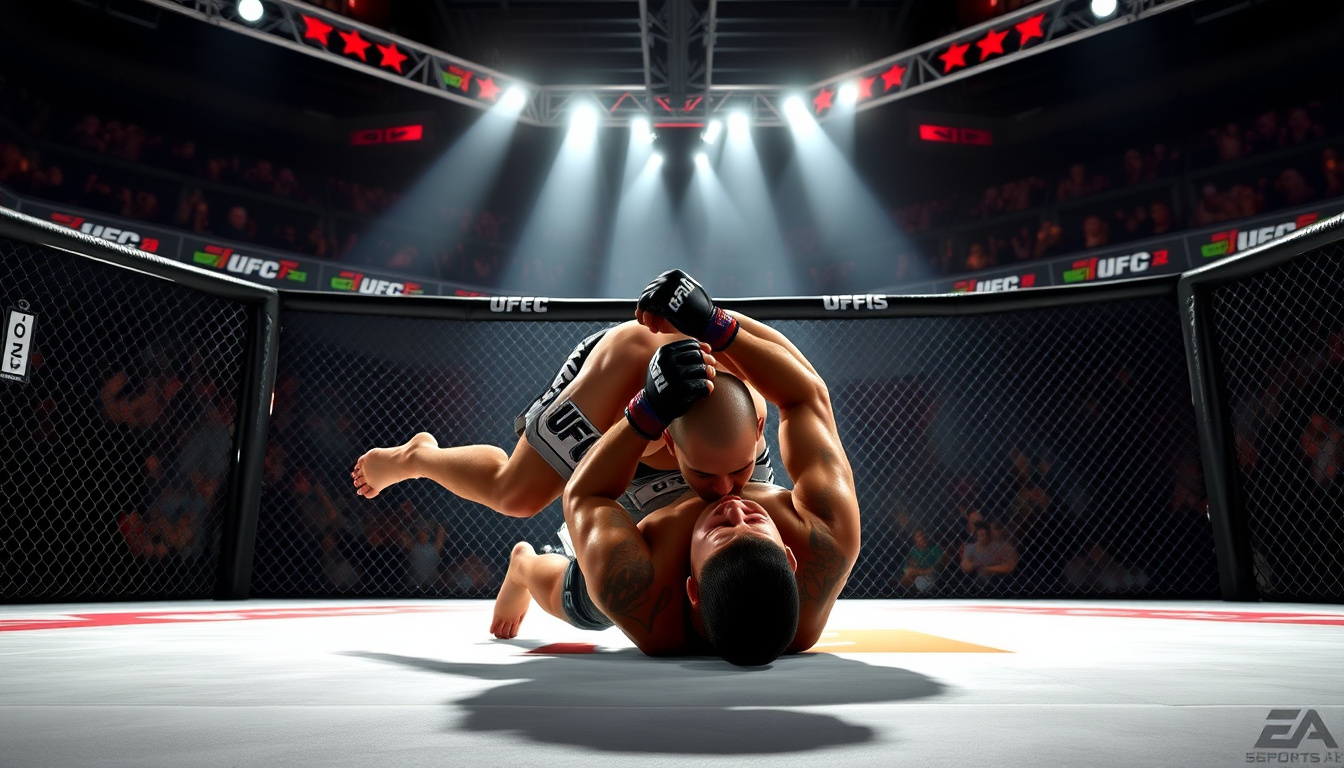
In EA Sports UFC 2, mastering the ground game can be the difference between victory and defeat. While many players focus heavily on striking and standing engagements, the ability to control, transition, and effectively attack on the mat is crucial for any serious competitor. If you want to dominate the octagon, honing your ground offense strategies is key. This guide delivers essential tips and insights into getting down and dirty in UFC 2’s ground game, based on expert gameplay experiences. Whether you’re a beginner or looking to refine your skills, these proven strategies will help you gain an edge over your opponents.
Understanding the Ground Game in UFC 2
The ground game in UFC 2 involves grappling, controlling positions, defending against opponent transitions, and applying submissions or ground-and-pound strikes while on the mat. Unlike standing fights that often emphasize striking, the ground game requires patience, timing, and knowledge of complex mechanics such as takedowns, grappling stats, stamina management, positional control, and submissions.
Before diving into tactics, it’s important to recognize your fighter’s strengths, especially their ground stats. Fighters with strong grappling, ground defense, and submission stats hold significant advantages in controlling the pace and flow when the fight hits the mat. Conversely, poor ground stats increase the difficulty of maintaining dominant positions or defending transitions, putting you at risk of reversals and stamina drain.
1. Be Patient and Strategic About Getting to the Ground
A common mistake players make is rushing takedowns from the beginning of the fight. Every UFC 2 match starts standing up, and rushing a takedown will telegraph your intentions, allowing your opponent to anticipate and block attacks easily. Instead, wait for the right moment—this could be when your opponent throws a high-risk strike, has low stamina, or is momentarily rocked.
Low stamina or a stunned opponent effectively lowers their takedown defense, making it easier for you to bring the fight to the mat. However, don’t rely solely on these openings; sometimes, an opponent with poor ground defense can be exploited early. Always check your fighter’s ground stats and your opponent’s takedown defense before committing to a ground-heavy strategy, since failed takedown attempts consume stamina and leave you vulnerable to counters.
2. Master Transition Defense Through Patience and Practice
Once the fight is on the ground, your priority should be blocking your opponent’s transitions. Transitioning involves shifting through grappling positions (such as moving from guard to mount), and an opponent who continuously transitions without success risks losing stamina.
Patience is key here: don’t spam transition attempts. Instead, wait for your opponent to make a move, then react by blocking the transition at the right moment. Successfully blocking transitions not only wastes your opponent’s stamina but helps you maintain control of the dominant position.
Practice is essential—spend time in training mode to familiarize yourself with:
- Various ground positions and the transition options available from each
- How to anticipate and block transitions effectively
- The best opportunities to reverse or initiate your own transitions when you have a stamina or positional advantage
Focus on mastering a handful of positions first (such as full mount, back mount, and side control), and avoid spreading yourself thin across all possible ground mechanics.
3. Use Transition Fakes to Outwit Skilled Opponents
Against players proficient in grappling defense, simply going for transitions can backfire as they will often reverse your attempts. To gain a competitive advantage, introduce transition fakes: perform a brief initiation of a transition—just enough to cause vibration feedback on the opponent’s controller—then quickly retract it and execute a real transition in a different direction.
This strategy confuses your opponent and can disrupt their timing for blocking transitions, giving you a better chance to execute successful transitions without being reversed. Be mindful that smart opponents will adapt if you overuse this technique, so vary your approach:
- Start with one transition fake to bait your opponent
- If your opponent catches on, increase the number or frequency of fakes
- Alternate between holding positions and active transitions to keep them guessing
Transition fakes are most effective when your opponent is actively trying to block and reverse moves, so gauge their tendencies before applying this tactic.
4. Capitalize by Punching Your Opponent During Transitions
While ground control is often about grappling maneuvers, don’t underestimate the power of ground-and-pound striking. When your opponent attempts to transition out of a dominant position (especially if they are low on stamina), a well-timed punch or elbow can halt their effort and even threaten a quick finish.
This approach works particularly well from the full mount or back mount, where striking opportunities are more accessible and damaging. Rushing strikes on opponents who spam transitions might force mistakes and open windows for further attacks or submissions.
However, exercise caution—if your opponent has superior ground stats or better stamina, they might still successfully transition and reverse you. Avoid expending too much stamina trying to finish the fight unless you’re confident of victory, as ending up reversed with low energy is the fight’s fast track to defeat.
5. Strategize Submissions When Your Opponent Is Vulnerable
Submissions can abruptly end a fight but also carry risks. When your opponent’s stamina is low, they are more vulnerable to submission attempts. This is an excellent moment to lock in submissions and pressure them into tapping out.
If you’re moderately confident with submissions, experiment with entries other than the armbar, as multiple submission paths can lead sequentially to an armbar position. This chaining reduces the number of successful stages your opponent needs to survive, enhancing your chances of success.
Remember, failing a submission attempt can result in losing position and ending up at the bottom, so pick your moments wisely and maintain patience.
Additional Ground Game Tips
- Always monitor your stamina—being on the ground with low stamina is one of the most dangerous positions.
- Analyze both fighters’ ground stats before engaging; this affects transitions, submissions, and defense.
- Don’t get comfortable in one ground position. Mix up your approach to avoid predictability.
- Utilize the practice mode regularly to reinforce muscle memory and improve reaction times.
- Observe your opponent’s tendencies and adapt your ground strategy accordingly.
FAQ: Ground Game Strategies in EA Sports UFC 2
Q1: How important are ground stats compared to standing stats?
A1: Ground stats are crucial for grappling success, transition speed, submission defense, and stamina management on the mat. Fighters with better ground stats have a significant advantage controlling and defending on the ground.
Q2: When is the best time to go for a takedown?
A2: The best time to attempt a takedown is when your opponent is low on stamina, stunned, or throwing high-risk strikes, increasing your chance of success and lowering the risk of counterattacks.
Q3: What should I do if my takedown keeps getting blocked?
A3: Be patient and vary your approach—don’t rush takedowns repeatedly. Instead, use strikes to create openings or wait for moments when your opponent’s stamina is depleted.
Q4: How do transition fakes work and why are they effective?
A4: Transition fakes briefly initiate a move to bait your opponent’s block or reverse attempt, then quickly switch directions. This disrupts their timing and increases your chance of a successful transition.
Q5: Is it better to spam transitions on the ground?
A5: No. Spamming transitions often results in reversals and stamina loss. Focus on strategic, well-timed transitions, and blocking your opponent’s moves to maintain control.
Q6: How can I defend against ground-and-pound strikes?
A6: Prioritize maintaining top control without overextending and blocking your opponent’s transitions. Manage your stamina carefully and escape risky positions through timely transitions or submissions.
Q7: What are safe submission options for beginners?
A7: Beginners may want to start with submissions that have a clear entry path and chain easily into other submissions, such as triangle chokes or guillotine chokes, rather than relying solely on armbars.
Conclusion
Mastering the ground game in EA Sports UFC 2 demands patience, practice, and an understanding of your fighter’s strengths and weaknesses. By patiently selecting your takedown moments, actively defending and blocking opponent transitions, using transition fakes strategically, capitalizing on ground strikes, and timing submissions effectively, you can control the fight on the mat and secure victories.
Remember to always monitor stamina, study ground stats, and practice positions to improve your grappling skills. With these essential ground offense strategies, you’ll be well on your way to conquering the octagon in UFC 2’s unforgiving digital arena. Step on the mat prepared, and dominate every fight from the first takedown to the final submission.
Stay tuned for more UFC 2 tips and guides to elevate your gameplay month after month!