
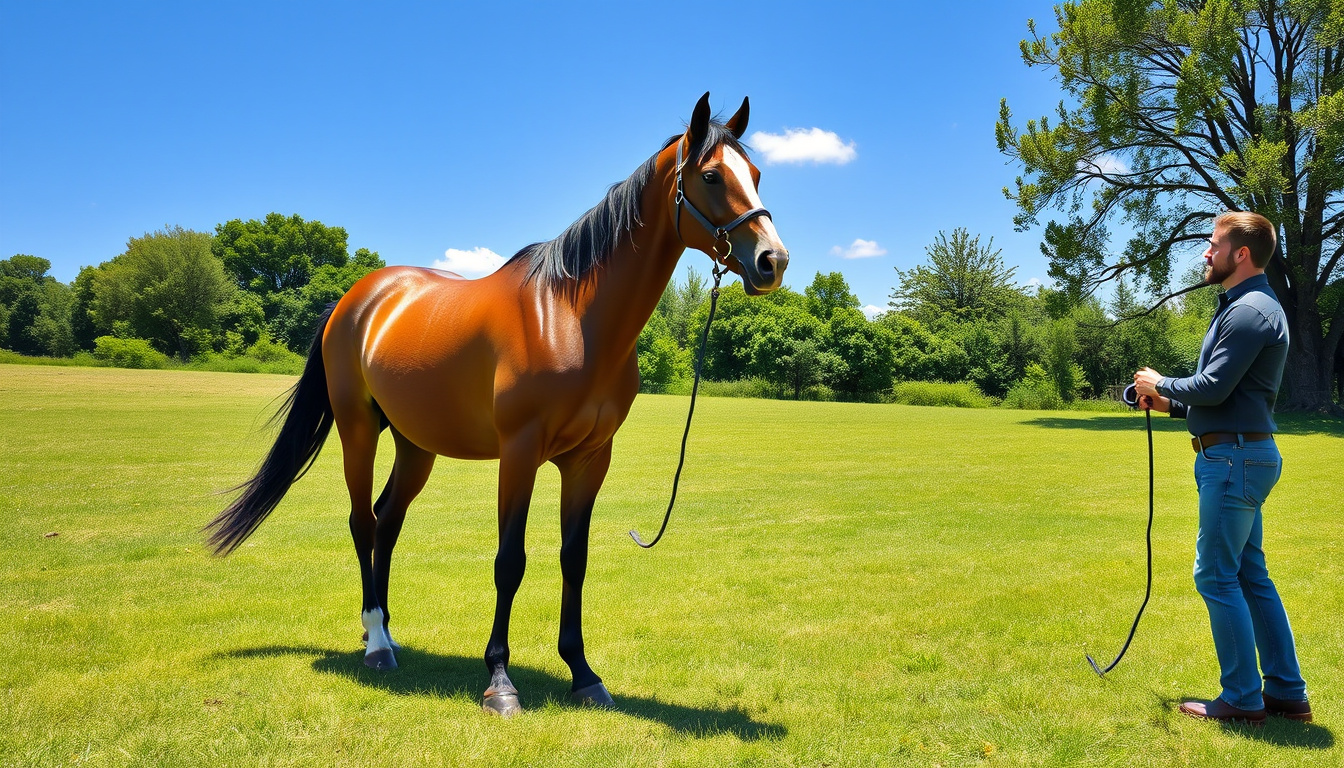
Groundwork is the foundation of any strong equine relationship. It establishes trust, communication, and mutual respect between horse and handler before moving into riding or advanced training. Franklin Levinson’s demonstrated approach to guiding a horse from the ground emphasizes clear communication, subtle leadership, and building trust through mindful interaction.
In this article, we’ll break down Levinson’s method step-by-step, explore why groundwork matters, and provide practical guidance on how to apply these principles with your own horse. Whether you’re a beginner or an experienced handler, mastering groundwork enhances your connection with your horse and ensures safer, more effective training sessions.
Understanding the Importance of Groundwork
Before delving into techniques, it’s essential to understand why groundwork holds such a crucial place in horsemanship. Horses are highly perceptive animals that communicate primarily through body language and energy. When guiding a horse from the ground, your own body language becomes the primary tool for clear communication.
Levinson highlights that groundwork is not about exercising control or dominance over the horse; it’s about leadership. Good leadership inspires a horse to willingly follow your cues because it feels safe, understood, and respected. This kind of leadership fosters trust — the cornerstone of any successful relationship with your horse.
Step 1: Establishing Clear, Intentional Requests
Levinson’s first focus in guiding his horse, Bongo, is making his requests simple and clear. He wants to:
- Ask the horse to start moving forward
- Ask the horse to stop
- Direct the horse to turn left or right
- Ask the horse to back up
Since horses communicate via body language, your posture, gaze, and subtle gestures must be consistent and unambiguous.
How to Make Clear Requests Using Body Language
- Move in the direction you want the horse to go. Your steps guide the horse’s movement visually.
- Look where you want the horse to move. The horse follows your focus because they instinctively pick up cues from your eyes.
- Use your hand to indicate direction. Raising or extending your hand clearly signals the intended path.
- Use your voice softly but purposefully. While body language leads, gentle verbal cues reinforce your requests.
By combining these signals, you ask your horse to come with you without force or pressure.
Step 2: Stopping Without Coercion
One of the key points Levinson illustrates is that stopping a horse does not require physical force like pulling on the lead rope or hitting the horse. Instead, he uses:
- A calm verbal cue like “whoa”
- A gentle shake of the rope as a subtle tactile signal
- His own body stopping and facing the horse to signal “pause”
Horses are extremely responsive to movement because, in the wild, any sudden movement might mean danger (predators lurking nearby). They notice the slightest signals in your posture and energy. When you stop moving with calm intention, the horse naturally slows and stops.
The emphasis here is on asking rather than demanding. This fosters respect and reduces stress.
Step 3: Guiding Turns with Respect for Space
When guiding a turn (for example, moving right), Levinson enters the horse’s personal space intentionally. Horses protect their space, so you must approach carefully.
How to Guide a Turn:
- Step gradually into the horse’s space to encourage it to move away.
- Use your hand to indicate direction while your body moves that way.
- Be mindful of the horse’s reactions — signs like pinned ears indicate discomfort but are not necessarily aggression.
- Press gently but confidently, signaling your leadership during the maneuver.
Levinson stresses that although the horse may protest slightly, as long as the handler maintains calm and clarity, the horse will comply without fear.
Step 4: Asking the Horse to Back Up
Backing up is often perceived as difficult, but Levinson presents two natural ways to encourage retreat:
- Apply gentle pressure through the lead rope.
- Use clear body language, including gaze and slight forward movement away from the horse.
When done correctly, the horse backs smoothly. Levinson combines this with inviting gestures to bring the horse forward again, reminding handlers that the goal is cooperation, not control.
Step 5: Building Trust Through Release and Reward
Arguably the most important principle Levinson shares is: stop asking as soon as the horse responds correctly and give it a moment of peace. This release of pressure is the biggest reward you can offer.
Trust develops when the horse understands that meeting your requests leads to relief and calm. It’s more effective than treats or physical rewards because it signals safety and respect.
Why Peace Is the Ultimate Reward
- Animals instinctively associate relief with learning.
- Moments of calm equal feelings of security.
- Security builds trust in the handler.
- Trust encourages the horse to respond positively in future interactions.
Step 6: Testing Trust Through Freedom
At the end of the session, Levinson demonstrates an important test: he places the lead rope loosely around the horse’s neck and lets the horse decide whether to follow voluntarily. Because trust has been established through clear communication and respectful requests, the horse willingly moves with him.
This step highlights practical horsemanship wisdom: true leadership invites willing partnership, not forced obedience.
Applying Franklin Levinson’s Groundwork Method: Practical Tips
To incorporate these principles, consider the following actionable advice:
- Stay relaxed and confident. Horses mirror your energy levels.
- Be intentional with every movement. Avoid mixed signals; clarity is key.
- Use your eyes, body, hands, and voice in harmony. Consistency builds understanding.
- Watch for the horse’s responses. If you notice signs of discomfort or confusion, pause and reassess.
- Reward calm compliance immediately. Remove pressure quickly as an incentive.
- Avoid physical force or punishment. They break trust rather than build it.
- Practice regularly in short, focused sessions to reinforce skills in a positive manner.
Frequently Asked Questions (FAQs)
1. Why is body language more effective than verbal commands with horses?
Horses are prey animals reliant on reading subtle cues in body language for survival. They respond faster to physical signals than to spoken words, which humans naturally rely upon. Clear body language helps avoid confusion and strengthens communication.
2. Can groundwork prevent behavioral problems in horses?
Yes. Groundwork builds trust, respect, and leadership before riding, helping prevent resistance, fear, and misbehavior. Well-initiated groundwork encourages horses to understand boundaries and follow cues willingly.
3. What should I do if my horse resists entering my personal space?
Approach slowly and calmly, respecting the horse’s signals. Avoid forcing entry; instead, allow the horse space to decide while maintaining steady, confident energy. Gradually the horse will accept your presence as safe.
4. How long should groundwork sessions last?
Sessions should be short and purposeful—generally 10 to 15 minutes—especially in early training stages. Frequent, short sessions are more effective than long, exhausting ones, preventing frustration for both horse and handler.
5. What if my horse doesn’t respond to cues immediately?
Patience is essential. Horses learn by repetition and positive reinforcement. If the horse doesn’t respond, remain calm, reduce pressure, and try again gently. Be consistent but flexible, adjusting technique as necessary.
6. Is it okay to use treats during groundwork?
Treats can be used carefully as rewards, but they should not replace the release of pressure or moments of calm as the primary reward. Scaffolding trust and safety is more critical for effective long-term learning.
7. How does groundwork help with safety?
Groundwork ensures the horse understands and respects your personal space and cues, reducing unpredictability. A calm horse that trusts your leadership is less likely to react violently or dangerously, thereby enhancing safety for both parties.
Conclusion
Mastering groundwork as Franklin Levinson demonstrates is about much more than getting a horse to obey commands; it’s about creating a partnership based on trust, clarity, and respect. By learning to communicate through subtle body language, asking clearly but gently, and rewarding compliance with peace, handlers build confident, willing equine partners.
This method replaces control with leadership, fear with trust, and confusion with clarity. Whether you are starting with a young horse or strengthening an existing relationship, implementing these groundwork principles will enrich your horsemanship and create a harmonious experience for you and your horse.
Groundwork is the first step on the journey to lifelong partnership — start today with intention and kindness.