
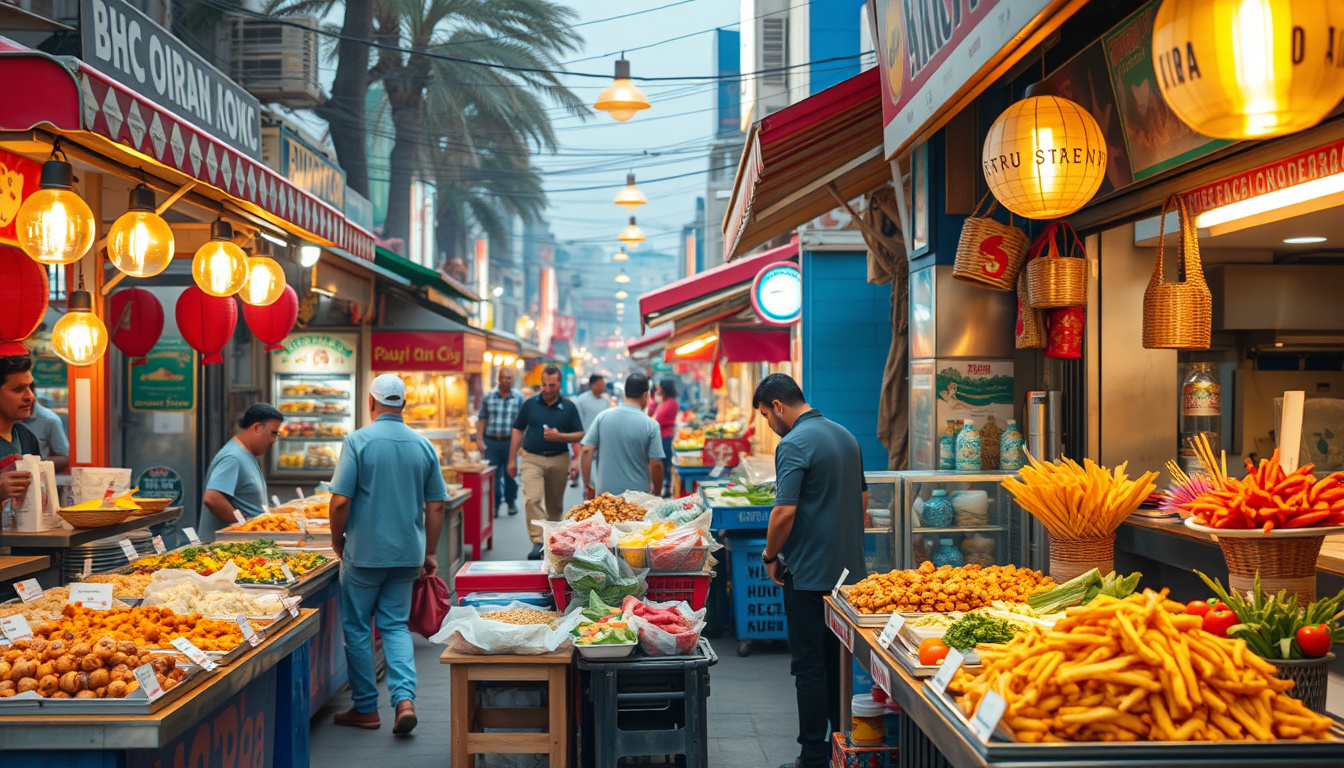
Cairo, Egypt’s sprawling capital, is a city where history intertwines with modernity, and where every alley and street market tells a story. Among its most vibrant narratives is the bustling street food culture—an eclectic and flavorful tapestry that offers both locals and visitors a taste of authentic Egyptian life. This culinary adventure through Cairo’s quirky street food takes us from the ancient markets to rooftop barbecues, local homes, and the picturesque banks of the River Nile, uncovering traditional dishes, interesting ingredients, and unique food customs along the way.
Diving into Cairo’s Street Markets: A Feast for the Senses
Cairo’s street markets are nothing short of an organized chaos, pulsating with the energy of shoppers, vendors, and the irresistible aromas of frying food. The journey begins in Old Cairo, a neighborhood famous for its dense streets, ancient mosques, and lively bazaars. Here, Egyptians bustle through daily life, selecting their necessities from vibrant stalls.
One cannot help but be captivated—and somewhat challenged—by the blend of scents: the rich odors of fried street treats mingle with the city’s urban atmosphere, compelling a curious question—what exactly are these foods?
A popular staple encountered here is the falafel—known locally as ta’ameya. Unlike the typical chickpea-based falafel in many parts of the world, the Egyptian version is made primarily from fava beans. Served piping hot, this falafel boasts a crunchy exterior and a soft, almost creamy inside, akin to mashed potatoes. A vegetarian delight, it’s inexpensive and ubiquitous, found at small roadside stalls where even passersby enthusiastically recommend it.
Uncommon Flavors: Pigeons and Traditional Dishes
The culinary exploration then delves into dishes less familiar to Western palates, such as pigeon—a meat often considered an urban pest in many countries but prized in Egyptian cuisine. Usually stuffed with rice and spices and reserved for special occasions, pigeon has a distinct taste described as peppery, somewhat reminiscent of cured meats like pepperoni.
Though initially hesitant, trying pigeon offers insight into Egypt’s rich and diverse food culture. It exemplifies how local ingredients and traditions shape dietary habits in ways that may seem unusual or even challenging for outsiders, yet hold revered status within the community.
Another iconic dish is koshary, Egypt’s national dish and a vibrant vegetarian option. A comforting mix of rice, lentils, pasta, and fried onions, topped generously with spicy tomato sauce, koshary is a delectable street food prioritizing flavor and nourishment. The balance of tangy sweetness and heat makes it both hearty and refreshing—a perfect representation of Cairo’s street cuisine.
The Sweet Side of Cairo: Desserts and Refreshing Treats
Not all street food revolves around savory flavors. The markets also boast fresh, sweet treats like sugar cane juice—a natural, refreshing beverage made from pressed sugar cane stalks. For many visitors, this is a novel experience, offering a sweet yet subtle flavor somewhat akin to bamboo with a milky undertone.
Bakery delights such as “love liver,” a yellowish cake resembling lemon-flavored sponges, provide a dry but sweet snack, common among locals. Though it lacks an overpowering citrus taste, it offers comforting familiarity akin to festive birthday cakes.
River Nile’s Bounty: Fish, Barbecue, and Riversides
A culinary journey through Cairo wouldn’t be complete without savoring the abundant fish found in the nearby River Nile. Fishermen catch tilapia, catfish, and perch, which form the foundation of many Nile region meals. One memorable experience includes enjoying fried Nile fish and shrimps served with rice and flavorful sauces on belly-full party boats or local docks.
While river fish might be met with skepticism by some, particularly those accustomed to ocean fish, they boast a delicate taste enhanced by well-crafted local spices and sauces, proving to be an unexpected highlight of the trip.
The adventure continues upward to the rooftops of Cairo, where panoramic views of the city—including the iconic pyramids—set the stage for an authentic Egyptian barbecue. Here, local hosts prepare grilled meats, including tender beef cuts with hints of Chinese-inspired sauces, complemented by crunchy, flavored crisps flavored with spices like lemon and lime.
This rooftop setting perfectly encapsulates the blend of traditional and contemporary that Cairo effortlessly embodies—a place where timeless landscapes meet evolving culinary traditions.
Hospitality at Home: A True Taste of Egyptian Culture
Perhaps the most memorable part of this culinary journey lies not in bustling markets or street stalls, but within the warmth of an Egyptian home. Invited by a local named Eslam and his family, the guests experience traditional home-cooked dishes prepared with love and shared over warm, freshly brewed Egyptian tea.
One such dish is a humble mixture of crushed beans blended with oil, hummus, spices, and a warm, crusty Egyptian bread called baladi. This simple meal, full of robust flavors and textures, highlights the essential role of legumes and bread in Egyptian cuisines and underscores the importance of shared meals in local culture.
The homemade mint tea—carefully poured from a height to aerate and enrich the flavor—serves as the perfect accompaniment. It contains fresh mint leaves which maintain their potent aroma all the way to the bottom of the glass and provides a refreshing finish to the meal.
Embracing Cairo’s Culinary Quirks
This culinary exploration of Cairo reveals a city where food is deeply interwoven with culture, history, and community. From street-side falafel to unconventional delicacies like pigeon, and from fragrant seafood by the Nile to the convivial atmosphere atop Cairo’s rooftops, the city offers an array of tastes both unusual and captivating.
For visitors willing to venture beyond familiar dishes, Cairo’s street food scene offers a rich sensory and cultural experience—one that unlocks the essence of Egyptian life and the culinary heritage passed down through generations.
FAQ: Exploring Cairo’s Quirky Street Food
1. What makes Egyptian falafel (ta’ameya) different from falafel in other countries?
Egyptian falafel is primarily made from fava beans instead of chickpeas, resulting in a unique texture that is crunchy outside and soft and fluffy inside. It is often seasoned with fresh herbs and deep-fried to perfection.
2. Is pigeon really commonly eaten in Cairo?
Yes, pigeon is a local delicacy in Egypt, often enjoyed during special occasions and festivals. It is typically stuffed with rice and spices and offers a rich, peppery flavor that is highly appreciated locally, though it may be unfamiliar to many foreigners.
3. What is koshary, and why is it so popular?
Koshary is Egypt’s national dish, made by mixing rice, lentils, pasta, and topped with tomato sauce, fried onions, and sometimes chickpeas. It’s beloved for being hearty, affordable, vegetarian-friendly, and full of diverse textures and flavors.
4. Are street foods in Cairo safe to eat for tourists?
While many tourists enjoy Cairo’s street food, it’s important to choose stalls with good hygiene practices, eat freshly prepared items, and drink bottled water. Consuming street food in busy markets often offers authenticity but requires some caution.
5. What are some unique drinks to try in Cairo?
Fresh sugar cane juice is a popular and refreshing drink, naturally sweet and slightly milky in flavor. Egyptian mint tea is another must-try, brewed with fresh mint leaves and poured from a height, enhancing its aroma and taste.
6. How does dining on a rooftop in Cairo enhance the culinary experience?
Eating on a rooftop offers breathtaking views of the Nile and pyramids, creating a memorable atmosphere paired with traditional grilled meats and local delicacies. It combines visual delight with culinary pleasure, embodying the spirit of the city.
7. Can visitors experience authentic Egyptian home cooking?
Yes, some travelers are fortunate to be invited into local homes where traditional meals are shared. These experiences offer an intimate glimpse into Egyptian hospitality and cuisine, often involving homemade bread, stews, and freshly brewed tea.
Conclusion
Cairo’s street food scene is a vibrant mosaic that captures the soul of the city—rich in flavors, history, and cultural uniqueness. From tantalizing vegetarian fare like falafel and koshary to adventurous dishes such as pigeon and fresh Nile fish, every bite offers a story. The journey through Cairo’s markets, rooftops, riversides, and homes reveals how food serves as a bridge connecting past and present, locals and visitors, tradition and innovation. For any culinary adventurer, exploring these quirky food experiences is an unforgettable way to taste the heart of Egypt.