
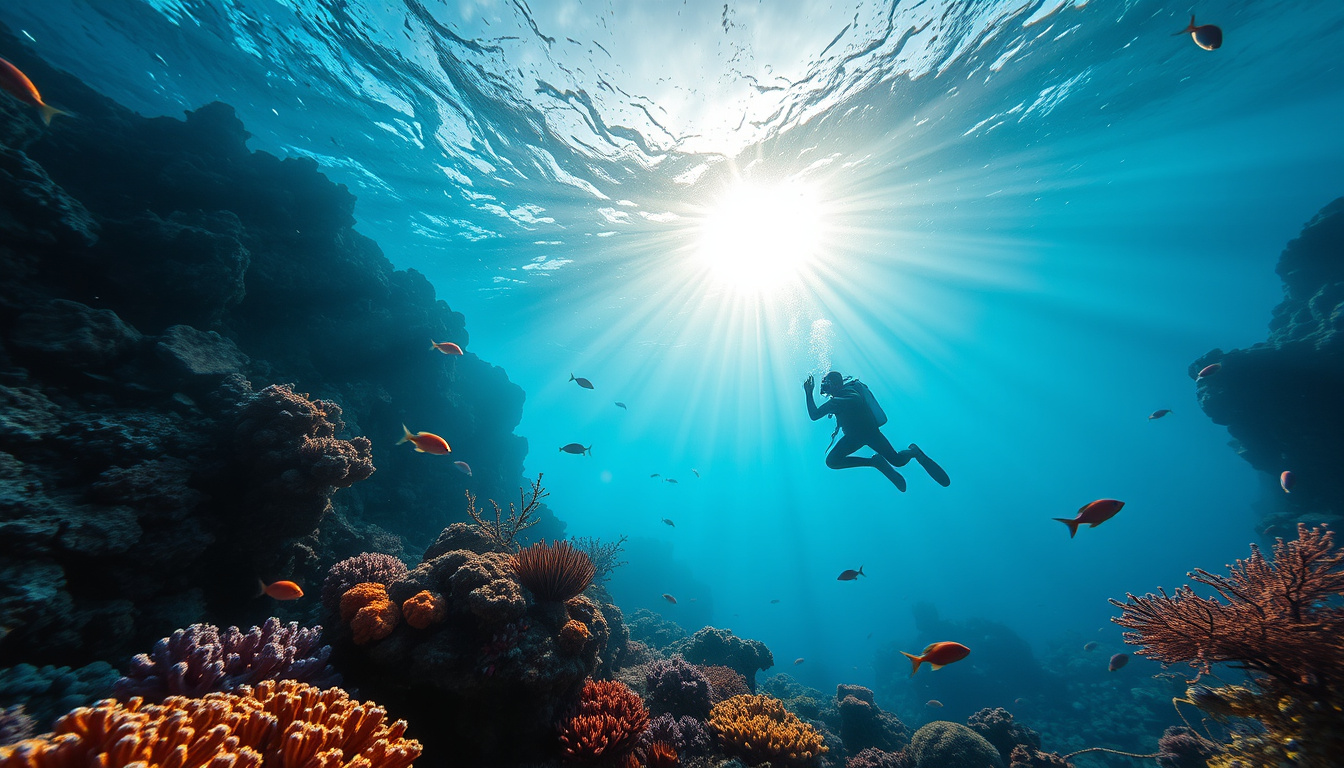
Egypt’s Red Sea stands out as a top place for scuba diving. Divers come from many lands to see coral beds, many fish, fast-moving sharks, and old shipwrecks. Plans need care to enjoy the dive trip well. This guide explains when to dive, the best spots, and useful tips so your trip is hard to forget.
Why Choose Egypt’s Red Sea for Scuba Diving?
Egypt gives divers an easy trip, a mix of many sea animals, and clear waters.
Easy to Reach
Egypt sits near Europe. Many Europeans fly here for warm water and short flights. Visitors from other regions fly longer but enjoy the unique sea life once they arrive.
Many Sea Creatures
The Red Sea has more than 200 types of coral and over a thousand fish kind. This small sea shows lively reef fish, playful dolphins, large sharks, and rare species that live in deep water.
Special Underwater Sights
Egypt offers many dive spots. You see shallow reefs, steep underwater walls, and old shipwrecks. In the Suez Canal area, many famous wrecks rest on the sea floor, and the Thistlegorm is well known. Other sites like Ras Muhammad and the well-known Blue Hole in Dahab draw technical divers.
When Is the Best Time to Dive in Egypt?
The Red Sea welcomes divers all year. The water and life change with the seasons.
Best Months: Spring and Autumn
From March to May and from September to November, air and water are warm and clear. These months let you share the water with many fish and see more sea life. Water feels warm yet cool enough for long dives.
Summer Months
In summer, air grows hot, sometimes over 35°C (95°F), and water warms above 29°C (85°F). Fish may hide in deeper water, so some divers prefer the smaller crowds even if the heat on land is fierce.
Winter Diving
Between December and February, the sea runs cool. This season attracts fewer people, and a thicker wetsuit (7 mm or a drysuit) is needed. Cool water may bring unique species that you do not see in warm months.
Top Dive Regions and Must-See Sites
Egypt’s dive sites sit in three main areas: North, South BDE, and Deep South. Each area gives you a different feel and set of creatures.
The North Red Sea
• Thistlegorm Wreck: This famous site near the Suez Canal shows a complete World War II ship. It holds old cargo like motorcycles and trucks. It can get busy, so try off-peak times.
• Ras Muhammad Reef: Near Sharm El Sheikh, this reef shows bright corals and a mix of fish; great for both snorkelers and scuba divers.
• Sharm El Sheikh: This port gives shore access to many reefs close at hand.
• Dahab’s Blue Hole: A well-known site for technical divers who seek deep drops inside a vertical sinkhole. It needs clear plans and skill.
The South Red Sea (BDE Region)
This region has three main spots: Brothers, Daedalus, and Elphinstone.
• Brothers Islands: Here, strong coral and open water attract large fish like hammerhead sharks and oceanic white-tips.
• Daedalus Reef: A small, far-off island with a light tower stands in open water. Here, divers swim far from reefs to see big animals like manta rays and sharks. Strong currents call for extra breathing gas training.
• Elphinstone Reef: Close to the shore, this site suits wall dives and snorkeling so you may see white-tip reef sharks.
The Deep South
This area holds far-off sites like Rocky Island and St. John’s Reef. Boats called liveaboards bring divers to these spots. The region has tall underwater hills and passages. The strong currents suit experienced divers who seek new thrills with clear reefs and small as well as large sea life.
How to Plan Your Diving Trip in Egypt
Good plans help you use the Red Sea well. Here are points on transport, sleep, and dive types.
Getting There
Egypt has three main international airports:
• Hurghada Airport
• Marsa Alam Airport
• Sharm El Sheikh Airport
Dive shops and liveaboards give transfers from these spots. Europeans often find short routes on charter flights or package deals.
Diving Options
• Day-Trips: Local dive shops and resorts run day trips that let you visit nearby sites. This works best if you have few days or want a chance to be on shore.
• Diving Safaris: Shore resorts focus on diving and let you try one site many times. They work well for underwater photographers who wish to improve their shots.
• Liveaboards: Liveaboards bring you to far-off sites on 7 to 10-day trips. You dive many times each day. Be ready for long days; pack warm clothes and drink plenty of water.
Equipment Tips
Pack the right suit for each season. In spring and autumn, 5-7 mm suits work well. Winter calls for thicker suits or a drysuit. Many dive operators rent gear, but some divers take personal equipment for a better fit.
Frequently Asked Questions (FAQs)
Q1: Do I need to be an expert to dive in the Red Sea?
A1: Many sites welcome beginners and intermediate divers. Advanced sites need strong skills due to deep water and currents.
Q2: Do I need extra oxygen mixes?
A2: Extra oxygen mixes are not required. They help on liveaboard trips and in areas with many dives daily because you dive more than once a day.
Q3: When are the best months to see sharks and large fish?
A3: Late spring and early summer (April to June) seem to show more sharks and large fish near Daedalus and Brothers Islands.
Q4: Are liveaboard trips safe and comfy?
A4: Yes, liveaboard trips have strict safety plans and good cabins. Some divers may feel seasick or cold between dives.
Q5: What sea life is seen only in the Red Sea?
A5: Unique fish like the Red Sea bannerfish, many types of anemonefish, and special corals appear only here.
Q6: Can I snorkel as well as scuba dive?
A6: Yes, many spots such as Ras Muhammad and Elphinstone give top snorkeling chances for everyone.
Q7: Do popular sites get crowded?
A7: Sites like the Thistlegorm and Sharm El Sheikh reefs get busy in spring and autumn. Choose low-schedule months or boat trips to find more space.
Conclusion
Egypt’s Red Sea gives you a mix of bright coral beds, old shipwrecks, and many sea creatures. Pick the right season, match your dive plans with your skills, and plan well so your trip shines. Each dive type, whether a day-trip, shore resort, or boat trip, fits many kinds of divers. Get ready, stay safe, and enjoy each moment beneath the waves in Egypt’s clear sea. Happy diving!