
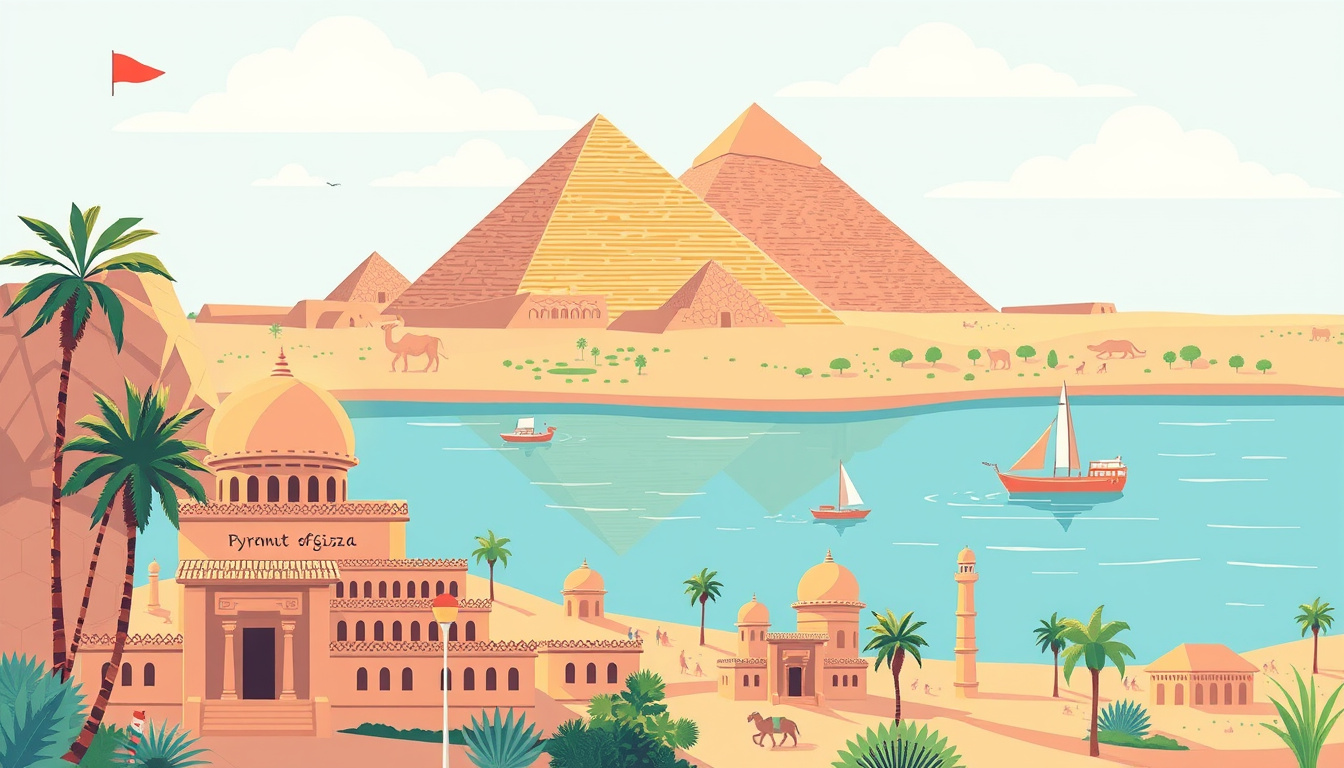
Egypt is a destination rich in history, culture, and natural beauty, making it a must-visit for travelers worldwide. From the timeless Pyramids of Giza to the stunning coral reefs of the Red Sea, the country offers a diverse range of experiences. Before you embark on your Egyptian adventure, it pays off to be well-prepared. This comprehensive guide covers essential information about visas, the best times to visit, safety tips, local cuisine, accommodations, transportation, and activities to help you make the most of your trip.
Arrival and Visa Information
When planning your trip to Egypt, one of the first considerations is your visa. Egypt offers a 30-day all Egypt visa on arrival for about $25 per person, which grants access to multiple regions including Cairo, Alexandria, and Luxor. This visa is convenient as it covers the whole country. However, if you opt for a regional visa, such as one for the Cairo District only, be mindful that you would need additional visas to visit other regions, which can be inconvenient.
Egypt’s airports, including Sharm el-Sheikh and Cairo International Airport, facilitate visa issuance on arrival, making entry straightforward for most tourists. Nonetheless, keep necessary documents handy and check the latest visa requirements as policies can change.
Best Time to Visit Egypt
Egypt’s climate varies considerably, and the timing of your visit can heavily impact your experience. The ideal period to explore Egypt is between October and April, when the weather is milder and more comfortable for sightseeing.
- Summer months (June to August) tend to be extremely hot, especially in places like Cairo and Luxor, with temperatures rising significantly around midday.
- September and early October can still be warm and might require avoiding midday heat during outdoor excursions.
If you want to maximize comfort, planning trips during fall, winter, or early spring is highly recommended.
Population, Language, and Culture
Egypt is home to approximately 102 million people. The official language is Arabic, reflecting its identity as an Arabic-speaking nation—a common attribute throughout North Africa.
The country is widely recognized as one of the cradles of civilization. The ancient cultural heritage, from the Old Kingdom to modern times, offers visitors a unique window into humanity’s roots. Egypt is essentially a tale of two worlds:
- The Old Egypt, with historic sites like Old Cairo and ancient ruins.
- The New Egypt, modern cities like New Cairo boasting contemporary architecture, shopping malls, and corporate restaurants.
Understanding this contrast enriches your appreciation of the country’s complexity.
Safety Tips and Navigating Hustlers
Traveling in Egypt is generally safe during the daytime, especially when sticking to popular tourist routes. Major sightseeing locations like Cairo’s city center and the Pyramids of Giza are bustling with friendly locals accustomed to visitors. However, it’s wise to remain cautious:
- Avoid walking alone in less populated or unfamiliar areas after dark.
- Use professional tour guides when possible; they provide not only cultural insights but also valuable safety oversight.
- Be aware of hustlers, especially around tourist hotspots such as bazaars and monuments. Negotiation is common practice. To avoid unpleasant surprises:
- Always pre-negotiate prices, ensuring clarity on what is included.
- Avoid agreeing to deals on impulse or “from the heart.”
- The best way to circumvent hustling is through hotel-arranged tours or licensed guides.
Food and Dining in Egypt
Egyptian cuisine offers a wide array of delicious options, heavily inspired by Middle Eastern flavors with lots of meat, rice, and vegetables. Some staples include:
- Kebabs, shawarma, falafel, and hummus
- Stuffed vegetables and grape leaves
- Various types of fresh bread
- Egyptian salads made with tomatoes, cucumbers, and greens
When trying street food, exercise caution regarding sanitation and water quality to avoid traveler’s stomach issues, commonly known as the “Cairo crud.” Cooked dishes such as kebabs and shawarma tend to be safer street food choices.
For breakfast, hotels usually serve a mix of yogurt, cheese, and eggs but don’t expect pork products like bacon due to local dietary customs.
In New Cairo and metropolitan areas, you will also find international chains like Starbucks, Dunkin’ Donuts, and Krispy Kreme, reflecting the modern city’s cosmopolitan side.
Accommodation Options
Egypt’s travel industry is vibrant, second only to revenues from the Suez Canal. The hospitality sector includes:
- Numerous resort-style hotels across major cities and beach destinations like Sharm el-Sheikh, Luxor, and Cairo.
- Renowned international hotel brands such as Hyatt, Marriott, Four Seasons, and St. Regis.
- Budget-conscious options including Airbnb rentals, with prices as low as $20 per night for an apartment.
Before booking budget accommodation, research the neighborhood carefully. Choosing a safe area close to your points of interest and with easy transportation access is essential to avoid getting stuck in inconvenient or unsafe zones.
Transportation: Getting Around Egypt
Egypt offers multiple transportation methods depending on your itinerary:
- Long-distance travel: Options include flights (e.g., Luxor to Cairo) and sleeper trains, with the latter providing a unique cultural experience.
- Short-distance travel: While renting a car is possible, it is generally not advised due to unfamiliar traffic patterns and sensitivity to local driving customs.
- Private drivers and taxis are often the safest and most comfortable choice, especially when coordinated through your hotel.
- Buses can be unreliable, with occasional breakdowns reported.
For sightseeing in Cairo or Luxor, private tours tend to offer enhanced comfort and personalized experiences compared to larger bus tours. Organizing transportation with trusted contacts or hotel concierge is highly recommended.
Activities and Highlights
Egypt offers a wide variety of activities suited to many interests:
- Historical sightseeing: Must-visit sites include the Pyramids of Giza and Sphinx in Cairo, the Valley of the Kings in Luxor, the Temple of Horus, and Abu Simbel near Aswan.
- Cultural treks: Hiking Mount Sinai (Moses Mountain) to watch the sunrise is a popular spiritual and physical challenge, with expeditions typically beginning around 1 a.m.
- Beach and water activities: Egypt’s Red Sea coast boasts some of the world’s finest coral reefs, ideal for snorkeling, diving, parasailing, and boat tours in beach towns like Sharm el-Sheikh and Hurghada.
- Nile River Cruises: Offering scenic boat trips with live entertainment and buffets, these cruises provide a luxurious way to soak in Egypt’s scenic landscapes and ancient sites.
FAQ: Your Key Questions About Visiting Egypt
Do I need a visa to visit Egypt?
Yes, most travelers will need a visa. The easiest option is the 30-day all Egypt visa on arrival, typically costing $25. Check with your local Egyptian embassy for specific visa requirements.
Is Egypt safe for tourists?
Yes, Egypt is generally safe for tourists when precautions are taken. Stick to well-known tourist areas, use licensed tour guides, and avoid unfamiliar places at night.
What should I wear when visiting Egypt?
Light, breathable clothing is recommended due to the hot climate. Modest dress is appreciated in religious or rural areas: cover shoulders and knees. Comfortable walking shoes are essential for exploring ruins and bazaars.
Can I drink tap water in Egypt?
It’s best to avoid tap water. Drink bottled or filtered water and be cautious with street food sanitation.
What currency should I bring?
The official currency is the Egyptian pound (EGP). It’s advisable to have local currency on hand for markets and smaller purchases, though credit cards are accepted in many tourist establishments.
How do I get around cities like Cairo?
Using taxis, ride-sharing apps like Uber, and hotel-arranged private drivers are the most practical ways. Public transport can be crowded and less tourist-friendly.
Conclusion
Traveling to Egypt is a rich and rewarding experience, offering a harmonious blend of ancient wonders and modern vibrancy. Proper preparation is key — understanding visa regulations, ideal travel times, safety concerns, and how to navigate local customs will help you make the most of your adventure. From exploring ancient pyramids to lounging by the Red Sea’s pristine beaches, Egypt promises unforgettable memories for every traveler. Whether you choose luxury resorts or budget accommodations, the land of the Pharaohs welcomes you with open arms for a once-in-a-lifetime journey.
Embark on your Egyptian adventure well-informed and ready to delve into a world where history and culture meet breathtaking landscapes. Safe travels!