
Introduction: why energy efficient homes matter now
Rising bills, strict rules, and buyers who want low costs make energy smart homes a sound choice. If you plan to sell or keep more cash, the right changes cut monthly bills, bring good comfort, and raise resale price.
How to choose upgrades: start with an energy audit
First, get a home energy audit before you spend money. An auditor checks where heat escapes or cool air leaks, sees how well your systems work, and finds upgrades that give fast returns. In many areas, rebates or low-cost audits are available. Check local utility and government sites.
Top proven upgrades that pay off
The list below shows home changes that work well.
Insulation and air sealing
Insulation stops heat flow. Air sealing stops drafts. In many old homes, adding attic insulation, sealing gaps at windows and doors, and insulating crawlspaces can cut heating and cooling bills by 10–30%. Begin with the attic. Heat rises and most air escapes there.High-performance windows or storm windows
Replacing single-pane windows with double- or triple-pane low-E glass cuts heat loss and stops extra sun heat. If you cannot replace them fully, add storm windows or fix weatherstripping for good savings at a lower cost.Efficient HVAC
A high-efficiency heat pump or air conditioner lowers energy use. Also check the size of the unit and seal ducts. A good system does not work well if ducts leak or the unit is too big.Smart thermostats and controls
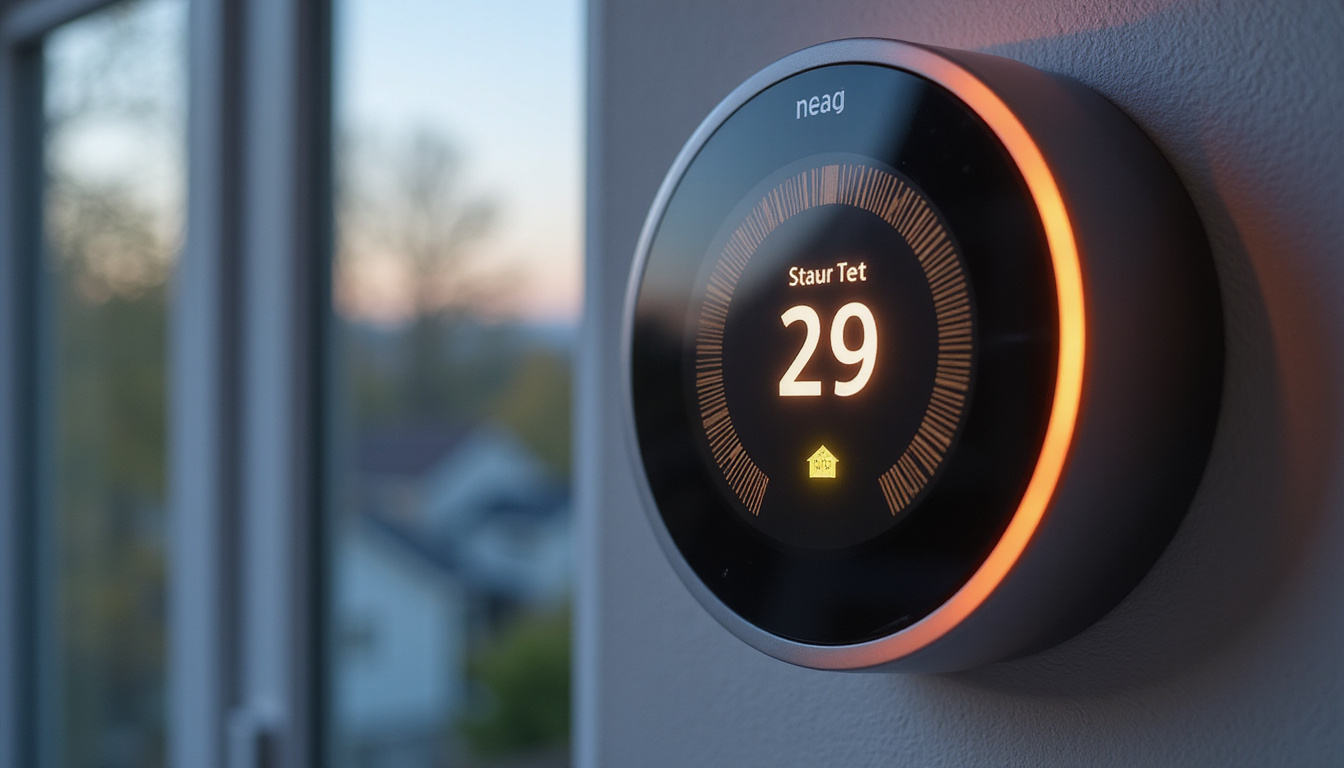
Smart thermostats set heating and cooling schedules by learning patterns and letting you change settings from afar. When paired with room control (zoning), they adjust comfort in each room and stop wasted energy.LED lighting and efficient appliances
LED bulbs use up to 75% less energy than old bulbs and last longer. Upgrading to newer refrigerators, dishwashers, and washers reduces both electric and water use.Solar panels and on-site renewables
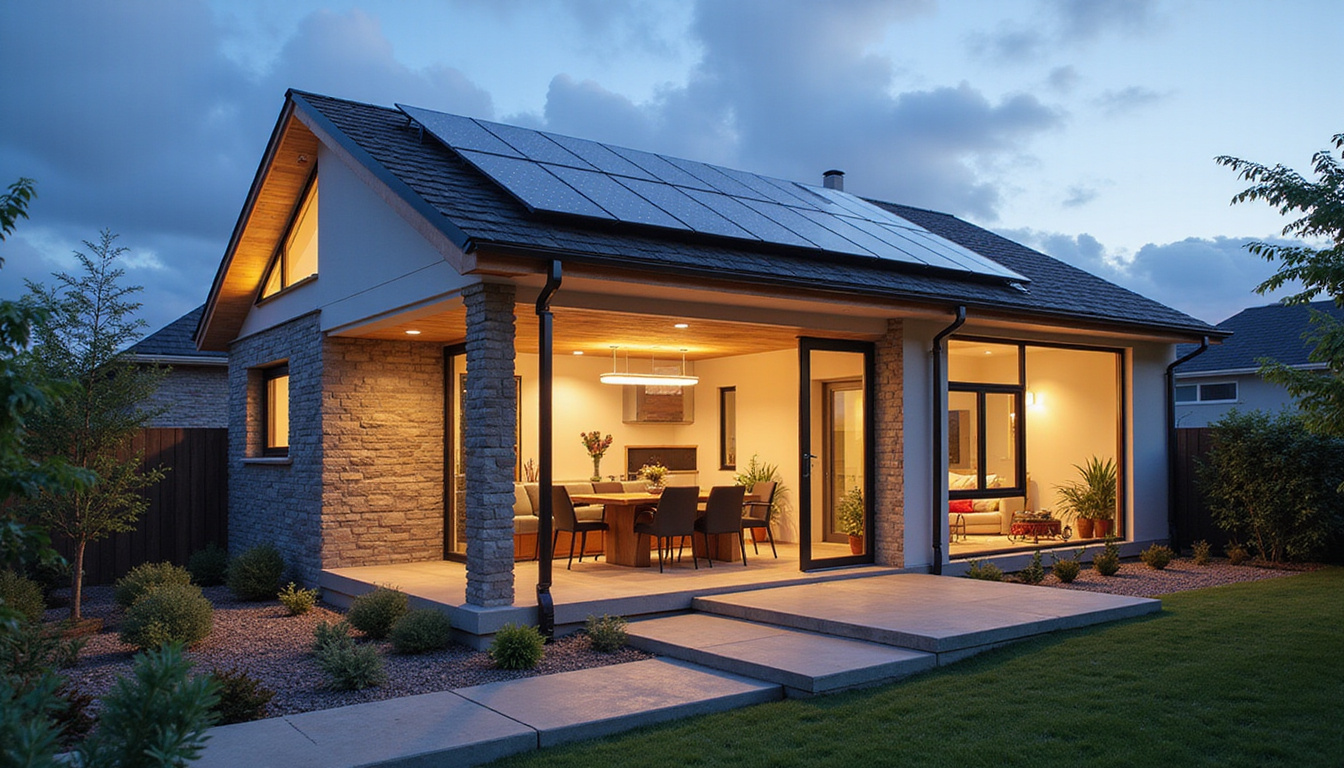
Solar panels cut or end electricity bills and can raise home value. Pairing solar with energy storage (batteries) adds backup power and delays peak time use. This is a good choice if your utility sets prices by time.Water heating upgrades
A tankless or heat-pump water heater saves energy. Tankless systems cut losses that occur when heating water continuously. Heat-pump water heaters use electricity in a better way than older models.Roof, siding, and exterior shading
Cool roofs, reflective layers, or shading devices cut cooling needs. Planting trees on the south side gives shade in summer and sun in winter.
A clear checklist: upgrades ranked by usual return and impact
- Low-cost, high-impact:
- Air sealing and attic insulation
- LED bulbs and smart thermostats
- Water-saving fixtures (like low-flow taps)
- Moderate cost, strong return:
- Window upgrades or storm windows
- Duct sealing and a check-up of the HVAC
- Energy-rated appliances
- Higher upfront cost, long-term value:
- Heat pump HVAC system
- Solar panels with or without battery storage
- High-performance windows or siding
Numbered list: step-by-step plan
- Book a home energy audit and list the auditor’s top three tips.
- Seal air leaks and add attic insulation.
- Change old bulbs to LEDs and add a smart thermostat.
- Service or change the HVAC unit and seal ducts well.
- Swap windows or add storm windows where needed.
- Think about solar panels and a new water heater if the long run fits your goals.
Financing, incentives, and payback
Many areas give rebates, tax credits, and low-interest loans for these home upgrades. For U.S. homeowners, the federal ITC and state programs help cover solar and heat-pump systems. Local utilities often pay for insulation, HVAC, and energy-rated appliances. These rewards can lower the time to recoup the cost. Some changes pay off in 2–5 years, while others take up to ten years but add value and savings.
Measuring and verifying results
After you upgrade, watch your monthly energy use. Smart meters, energy apps, and monthly bills can show savings. You might use a blower-door test or a thermal scan to check that work.
Comfort, health, and resale benefits
Energy smart homes do more than lower bills. Better insulation and proper air flow lower drafts and keep room temperature even. Good air flow and filters cut indoor air dirt, which can help with health. Buyers and appraisers see low running costs. Many feel that energy upgrades lead to higher offers and quicker sales.
Common mistakes to avoid
- Skipping air sealing before new HVAC work. Leaks waste the system’s power.
- Choosing a too-large HVAC unit; big is not always best.
- Missing regular maintenance. Clean filters and coils and fix controls.
- Making changes piece by piece rather than as one plan. This may cut less cost overall.
Case study snapshot
A 2,000 sq ft home had an audit, added R-30 attic insulation, sealed ducts, put in a smart thermostat, and changed a 15-year-old furnace for an air-source heat pump. The home cut heating and cooling costs by about 35% each year. The payback came in 4–6 years after rebates. Buyers later said that lower utility costs helped in their purchase.
Related videos (Egypt travel topics)
Below are videos meant for travel topics:
- Egypt tours — YouTube search: https://www.youtube.com/results?search_query=Egypt+tours
- Nile cruise — YouTube search: https://www.youtube.com/results?search_query=Nile+cruise
- Hurghada excursions — YouTube search: https://www.youtube.com/results?search_query=Hurghada+excursions
- Cairo day trips — YouTube search: https://www.youtube.com/results?search_query=Cairo+day+trips
Authoritative source
For advice on home energy saving and federal help, see ENERGY STAR and the U.S. Department of Energy’s pages at https://www.energystar.gov and https://www.energy.gov/energysaver.
FAQ — short & practical
Q: What small changes make a home more energy smart?
A: Start with sealing leaks, adding attic insulation, changing to LED lights, and installing a smart thermostat. These steps cut bills and add comfort.
Q: How do energy smart homes raise resale value?
A: Buyers like a home with low bills and modern systems that cut upkeep. Upgrades with good ratings can be a strong point in listings and may bring higher bids.
Q: Do energy smart upgrades cost a lot?
A: Prices differ. Some like LED bulbs and fixing leaks cost little and pay back fast. Bigger projects, like heat pumps and solar panels, need more cash but lower running costs and may get help from rebates.
Final thoughts and call to action
Switching to an energy smart home is a smart money move and can make life easier—lower bills, more comfort, and a better sale in the future. Begin with a home audit, fix leaks and add insulation, then add smart systems and renewable energy as you can. If you want to save cash and boost your home’s value, call for an energy audit today or speak with a trusted contractor for a plan made just for you. Now is the time to cut bills and build a home that feels good and holds value for years to come.
[center]
[/center]