
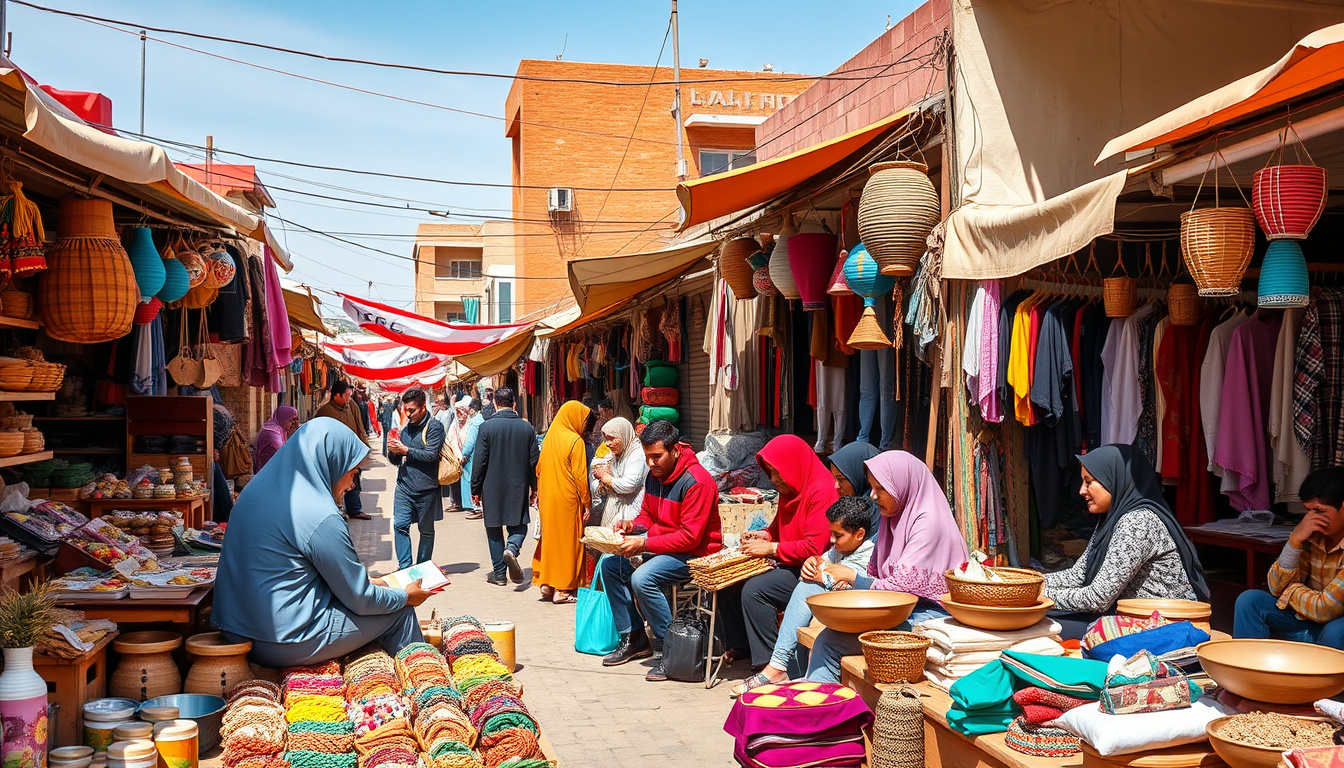
Lebanon is known for its rich culture and resilient spirit, yet the ongoing crises have left over
1.5 million Syrian refugees seeking refuge within its borders.
As the country grapples with economic challenges and societal disruptions, it’s crucial to shift from passive consumption of news about these hardships to active engagement in supporting those who are affected.
This article explores the various ways we can empower refugees in Lebanon through immediate relief efforts, promoting local brands, and preserving the country’s rich cultural heritage.
By adopting an empathetic and proactive approach, we can contribute to a brighter future for both refugees and the local communities.
Key Takeaways
- Proactive engagement is essential to support refugees in Lebanon beyond just consuming distressing news.
- Purchasing from local brands that employ displaced individuals provides sustainable income and skills training.
- Supporting initiatives focused on cultural preservation helps maintain Lebanon’s rich heritage while benefiting the local economy.
Immediate Relief Efforts for Refugees in Lebanon
Lebanon, a country grappling with multiple crises, is currently home to over
1.5 million Syrian refugees, creating an urgent need for support and immediate relief efforts.
To combat the challenges faced by these individuals, several organizations and local businesses are stepping up to provide essential resources while actively engaging the community in ways that make a lasting impact.
One notable organization is Embrace, which offers mental health support through counseling and a National Mental Health Lifeline, addressing the psychological toll that such instability can inflict on families.
Another crucial player, Anera, ensures the delivery of vital supplies like food, bedding, and healthcare, with a commitment to assist both refugees and local Lebanese families.
Additionally, Girls of Liban utilizes a volunteer network to tackle urgent humanitarian needs, especially focused on food distribution.
Beyond immediate relief, the article emphasizes the importance of purchasing from inclusive brands that empower women in Lebanon.
For example, Shatila Studio, stationed in the Shatila refugee camp, employs over 100 refugee women, providing them with valuable skills in artisan crafting.
Similarly, the women-led collective Lamsa supports both Lebanese and refugee women through dignified employment in crochet crafts.
Furthermore, MADE51, backed by UNHCR, allows refugee artisans to create home décor items that offer fair wages.
The cultural fabric of Lebanon also thrives through initiatives like Makers of Lebanon, which promotes traditional crafts vital for preserving Lebanese heritage, and Fair Trade Lebanon, which champions sustainable rural producers.
By making donations and purchasing from these refugee-led or artisan brands, readers can contribute meaningfully to both immediate relief efforts and the long-term sustainability of the local economy, fostering a resilient community amidst ongoing adversity.
Supporting Local Brands and Cultural Preservation
Supporting local brands and cultural preservation in Lebanon is not only an act of kindness, but it also plays a vital role in rebuilding a sense of community and identity amidst turmoil.
The challenges brought on by the ongoing refugee crisis necessitate innovative approaches that empower those affected.
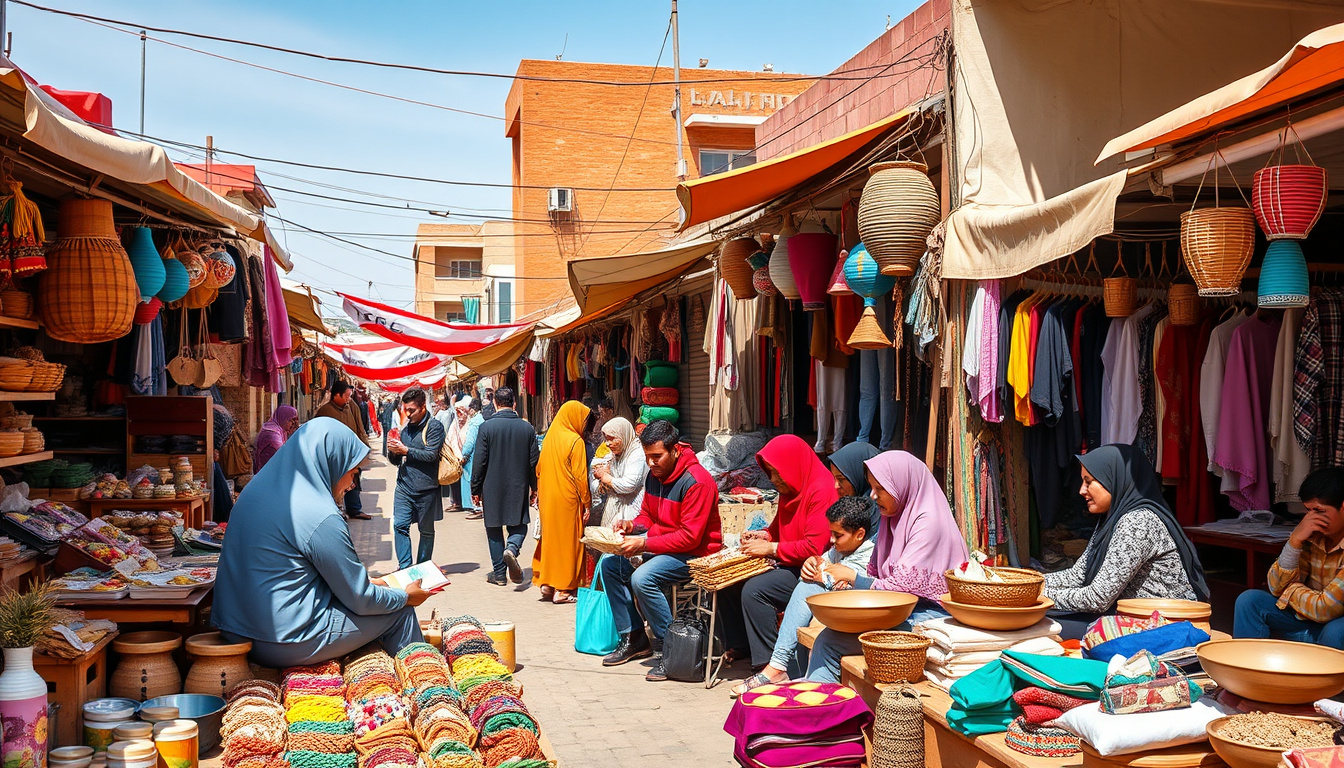
One of the pivotal ways to achieve this is through the purchase of products from businesses that engage refugees and local artisans.
For instance, Shatila Studio and Lamsa are setting examples of how commerce can intersect with social responsibility, creating employment and fostering skills development for displaced women.
Moreover, initiatives like Makers of Lebanon and Fair Trade Lebanon help ensure that traditional crafts and culinary practices are preserved, providing not only economic opportunities but also reinforcing cultural heritage.
When consumers choose to support these brands, they contribute to a larger narrative of resilience and hope, helping to weave a fabric of local empowerment into the very heart of Lebanon.