
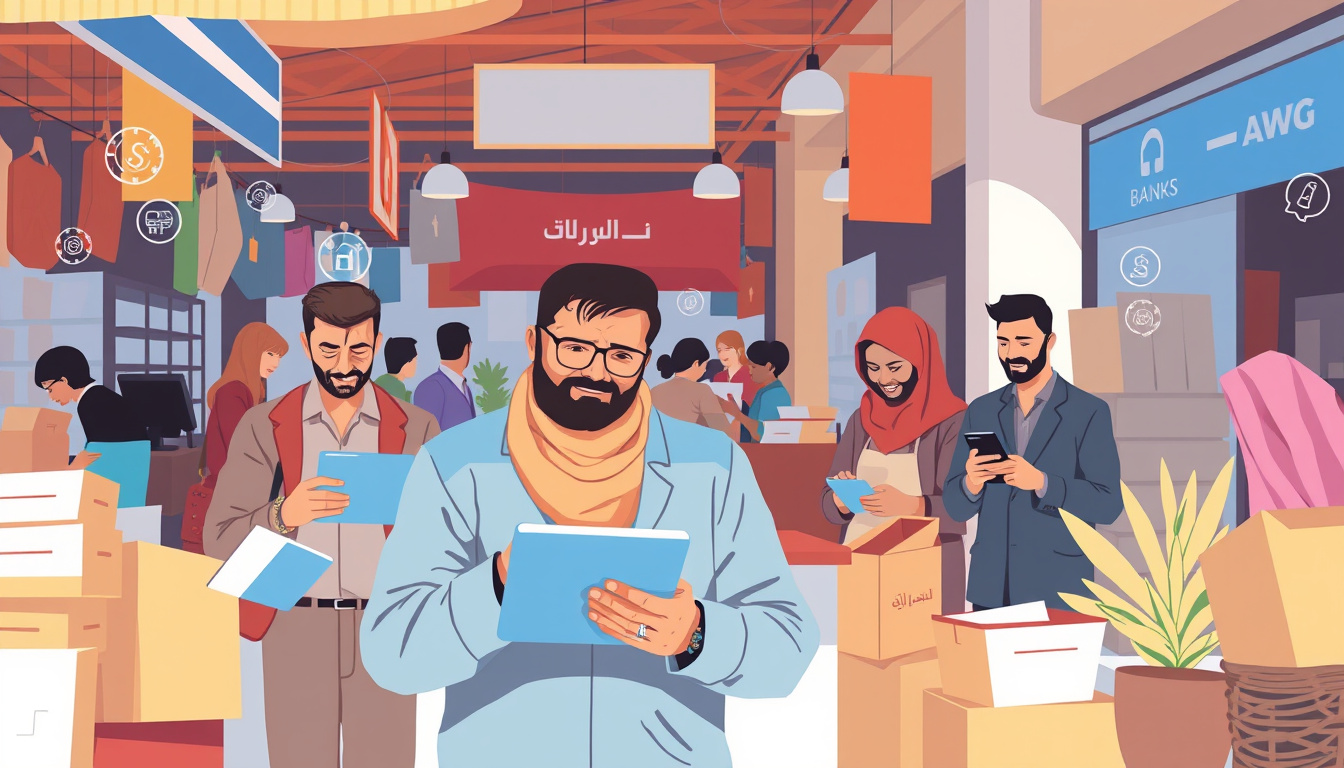
Egypt’s banking sector stands as one of the most robust and dynamic in the region, playing a pivotal role in shaping the country’s economic landscape. With a history steeped in gradual reform and transformation, Egyptian banks have grown not just in size but also in their capacity to support diverse economic activities, especially small and medium enterprises (SMEs). This article explores how the Egyptian banking system is leveraging digital innovation and regional growth opportunities to empower SMEs, catalyzing sustainable economic progress.
The Evolution of the Egyptian Banking Sector
Egypt’s banking system is one of the largest in the Middle East and North Africa region, comparable in scale and performance to banking systems in countries like Saudi Arabia and Turkey. This strength is the result of comprehensive reforms initiated in the early 2000s, designed to consolidate the banking landscape and enhance governance.
Between 2003 and 2004, Egypt embarked on restructuring efforts that reduced the number of banks from over 60 to 38 through consolidation measures. This move aimed to enhance the sector’s efficiency while imposing stricter governance standards and capital requirements. Such reforms significantly improved banks’ capacity to extend credit responsibly and handle financial risks.
A notable milestone was the flotation of the Egyptian pound in November 2016, a strategic move that created a more balanced and competitive market environment. Banks were well-prepared for this shift, and this flexibility has allowed them to perform strongly in a more realistic and market-driven economic environment.
Digital Innovation: Transforming Banking Services in Egypt
One of the key drivers of growth and inclusion in the Egyptian banking sector is the advent of financial technology (FinTech) and digital banking services. The Egyptian regulatory authorities have created frameworks and infrastructure that encourage banks to expand their digital capabilities, ensuring robust controls while promoting innovation.
Egypt has drawn insight from neighboring African markets like Kenya, where mobile payments have revolutionized how businesses and individuals manage daily transactions. Mobile money platforms in Kenya extend beyond basic bill payment to include a range of financial operations enabling ease of access to financial services.
Egyptian banks, supported by forward-looking regulatory policies, are increasingly adopting similar technologies. Digital banking accelerates the delivery of services, broadens customer access, and reduces operational costs. It also facilitates cross-border banking activities, enabling Egyptian banks to explore regional expansion into emerging African markets.
The rise of digital platforms also addresses the critical need for speed and convenience, fulfilling customer expectations in today’s fast-paced economy. Banks that swiftly integrate these technologies are better positioned to capture new segments of the market and maintain competitiveness.
Unlocking Potential in the SME Sector
SMEs are vital to Egypt’s economy, contributing significantly to employment and GDP. Despite this importance, SME growth traditionally faced hurdles, primarily due to limited financial access, awareness, and readiness among these businesses to meet formal banking requirements.
Historically, banks preferred larger corporate clients due to lower financing risks and economies of scale in dealing with higher ticket sizes. The SME segment was underrepresented in traditional banking portfolios because underwriting smaller loans can be costlier relative to returns and perceived as more risky.
However, recent policy shifts spearheaded by the Central Bank of Egypt have actively encouraged banks to focus on SMEs. This proactive approach includes incentivizing private sector banks—both large and medium-sized—to participate in the SME lending market.
Moreover, public sector banks have experienced notable success in supporting SMEs, providing a blueprint for private institutions to follow suit. This increased attention promises to unlock substantial growth opportunities within a highly diversified Egyptian market.
Egypt’s Diverse Economic Drivers and Financial Support
Egypt’s economy is underpinned by multiple robust sectors, making its banking system fundamental in supporting diverse economic activities. Key drivers include:
- Tourism: Although historically volatile, tourism remains a major source of revenue.
- Exports: Active export sectors contribute to foreign exchange earnings.
- Suez Canal Revenues: A critical financial inflow source, reinforcing economic stability.
- Industrial Base: Manufacturing various products supports economic diversity and job creation.
A stable and solid financial system supports these sectors by offering credit, investment, and other financial services essential for growth. As banks become more adept at integrating technology and expanding regional outreach, their ability to foster emerging enterprises and industries strengthens.
Regional Expansion: Seizing Opportunities in Africa
Surrounding African markets present significant opportunities for Egyptian banks to extend their footprint. Countries like Kenya, known for pioneering mobile payments, exemplify the potential of technology-driven banking solutions.
Egyptian banks, financially fortified and equipped with growing digital capabilities, are well-positioned to expand operations into these neighboring markets. Such cross-border growth is increasingly facilitated by FinTech innovations, which allow banks to scale products and services efficiently across diverse economies.
Any regional expansion effort not only raises the banks’ market profile but also positively impacts Egypt’s economy — fostering trade, investment, and collaboration within the greater African continent.
Frequently Asked Questions (FAQ)
Q1: Why is digital innovation important for Egyptian banks supporting SMEs?
A1: Digital innovation streamlines banking processes, reduces costs, and improves access to financial services for SMEs, enabling faster loan approvals and broader reach to underserved markets.
Q2: How did the flotation of the Egyptian pound affect the banking sector?
A2: The flotation led to a more market-driven economic environment, pushing banks to compete more fairly and efficiently while improving their financial performance and credit services.
Q3: What challenges have Egyptian banks faced in financing SMEs?
A3: Challenges include higher perceived risks, cost inefficiencies related to smaller loan sizes, and limited preparedness of SMEs to meet banks’ requirements for formal financing.
Q4: What role does the Central Bank of Egypt play in promoting SME financing?
A4: The Central Bank has implemented policies and incentives pushing banks to expand their services to SMEs, encouraging more inclusive financial practices.
Q5: Why is regional expansion significant for Egyptian banks?
A5: Regional expansion exposes banks to new markets and revenue streams, enhances cross-border trade relationships, and leverages technology for scalable financial services beyond Egypt’s borders.
Conclusion
Egypt’s banking sector exemplifies resilience and adaptability through continuous reforms, strategic adoption of digital technologies, and an emphasis on expanding its contribution to small and medium enterprises. With a solid foundation and forward-looking regulatory guidance, banks are not only bolstering SMEs domestically but also positioning themselves for regional growth in emerging African markets.
As digital innovation catalyzes financial inclusion and operational efficiency, the Egyptian banking system is forging a path that empowers entrepreneurs and small businesses, essential drivers of economic growth and social development. Through sustained support and innovation, banks in Egypt are truly transforming the nation’s economic future – unlocking opportunities for businesses of all sizes and accelerating integration with regional markets.