
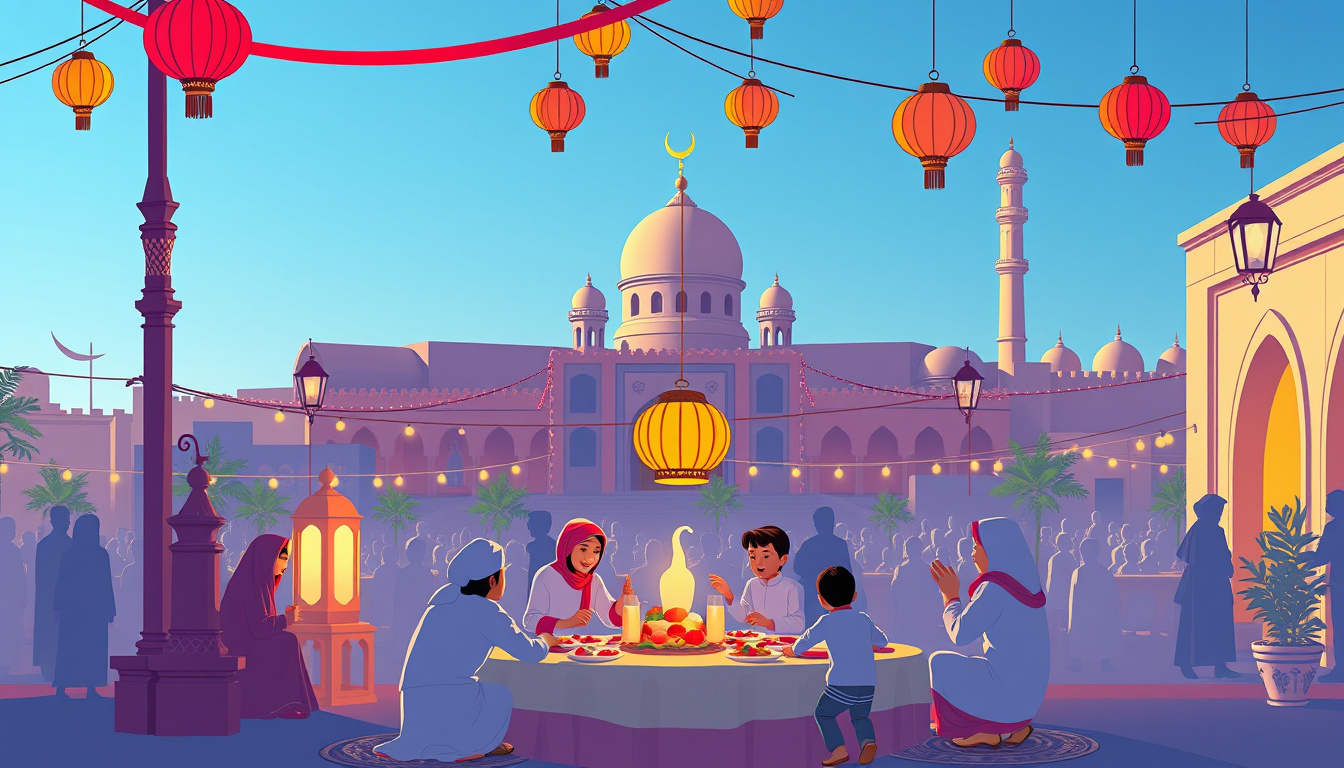
Eid al-Fitr is a major festive occasion celebrated by Muslims around the globe to mark the end of Ramadan, the holy month of fasting.
In 2026, Egypt has officially announced an extended five-day holiday from Thursday, March 19 to Monday, March 23, allowing families and friends to come together and embrace the spirit of community.
Prime Minister Mostafa Madbouly’s announcement on March 11 has set the stage for a joyous celebration that is rich in cultural significance.
This article will delve into the essence of Eid al-Fitr, its traditions in Egypt, and the unique customs that make this holiday a time of family bonding and togetherness.
Key Takeaways
- Egypt will celebrate Eid al-Fitr with a 5-day paid holiday from March 19 to March 23,
2026. - The holiday declaration was made by Prime Minister Mostafa Madbouly and includes government employees and public sector workers.
- Eid al-Fitr is a culturally significant occasion marked by prayers, family gatherings, and the tradition of giving eidiya to children.
Overview of the Eid al-Fitr Holiday in Egypt
Eid al-Fitr, known as Eid al-Seghir in Arabic, is a joyous occasion celebrated by millions in Egypt, marking the end of Ramadan, the holy month of fasting.
In 2026, the Egyptian government has declared an official paid holiday spanning from Thursday, March 19 to Monday, March 23, as announced by Prime Minister Mostafa Madbouly in a decree on March 1
1.
This period allows employees in ministries, government agencies, public authorities, and public sector companies to enjoy quality time with family and friends.
The festival involves special prayers, lavish feasts, and heartwarming gatherings, embodying the spirit of generosity and community.
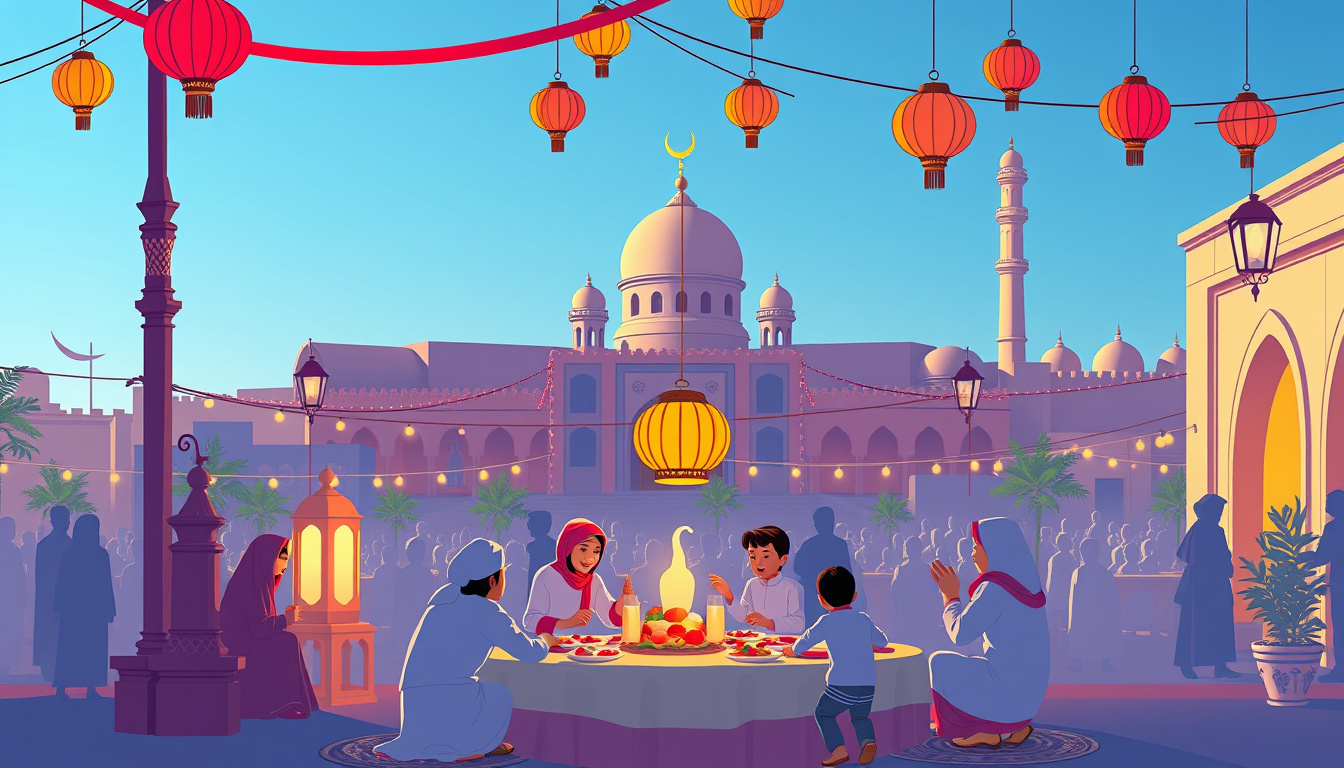
Families come together to enjoy meals, celebrate with loved ones, and exchange gifts, particularly the customary eidiya—small cash gifts given to children, symbolizing affection and blessing.
This vibrant celebration encapsulates the culture of Egypt, reinforcing familial bonds and social connections, making it one of the most cherished events in the Egyptian calendar.
Cultural Significance and Traditions of Eid al-Fitr
The cultural significance of Eid al-Fitr extends beyond mere festivities; it represents a time of reflection, gratitude, and renewal of faith for Muslims worldwide.
In Egypt, this holiday is steeped in tradition, where families rise early for communal prayers at mosques, fostering a spirit of unity and brotherhood.
Following the prayers, the day unfolds with the sharing of traditional dishes, such as sweet pastries and savory delicacies, symbolizing abundance and togetherness.
Additionally, the practice of giving to the less fortunate, known as ‘Zakat al-Fitr,’ ensures that everyone, regardless of their financial situation, can partake in the celebrations.
This annual act of charity underscores the moral principles of compassion and generosity inherent in Islam.
Overall, Eid al-Fitr is a vibrant expression of Egyptian culture, where not only are joyous gatherings celebrated but also the values of community and shared blessings are reinforced.