
================================================================
Introduction: Why Eco Dahabiya matters for modern travelers
Eco Dahabiya changes the classic Nile cruise. It uses old dahabiya boats that get new tools for low-impact travel. The cruise builds an eco-friendly trip that joins local culture and slow travel. You find a true Egypt trip here when you mix slow travel with upscale care. The boat visits Nile temples, villages, and fields while keeping its marks low.
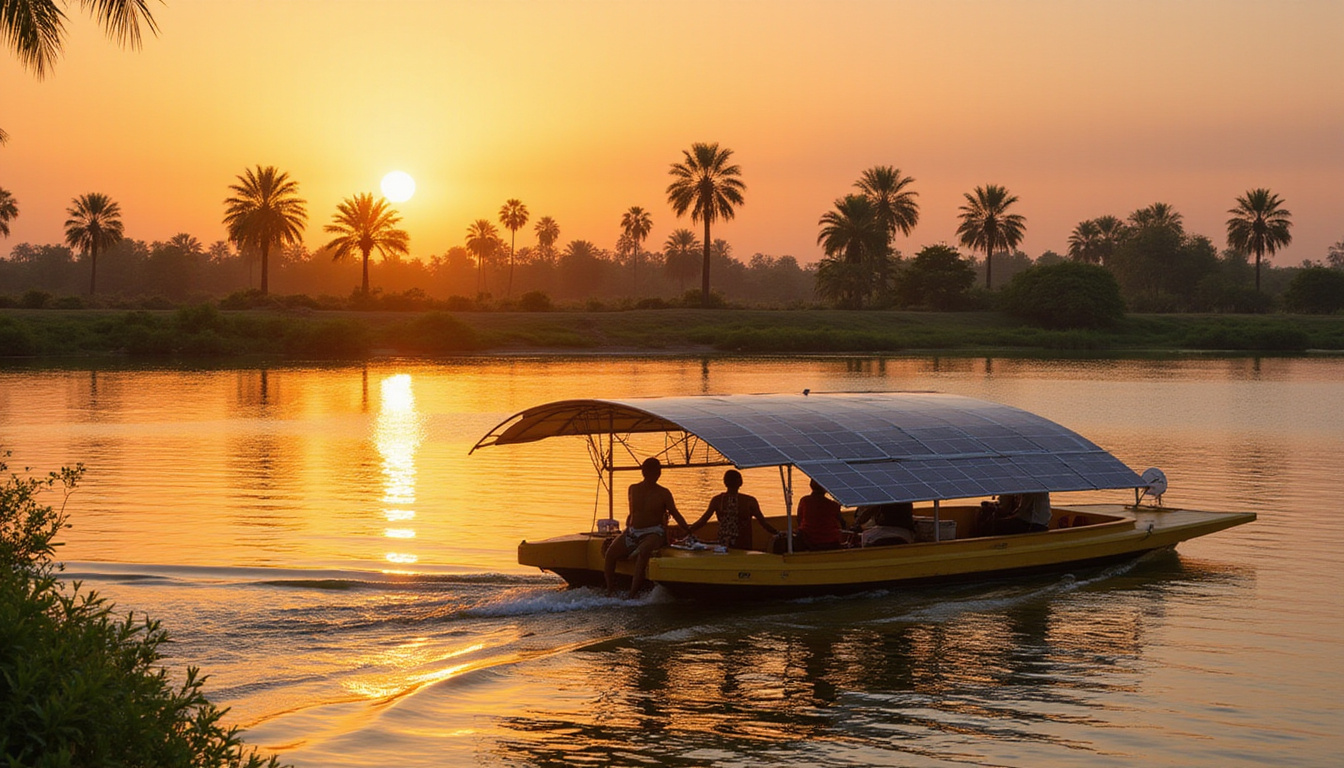
Image: Photo of a sleek Eco Dahabiya gliding past the Nile’s palm-fringed banks
Why choose an Eco Dahabiya cruise?
Eco Dahabiya trips suit travelers and expats who need a thoughtful, steady Egypt journey. Unlike large motor cruises, these boats stress:
- Small groups with personal care
- Reduced engine work with wind or low-emission power
- Food and crew from nearby sources that aid communities
- Access to quiet archaeological spots and riverbanks
These linked features shape travel that is safe and unique for eco-minded guests.
Image: Video clip of guests disembarking to visit a quiet riverside temple
Top attractions and itinerary highlights
An Eco Dahabiya trip usually runs on a flexible route between Luxor and Aswan (or on shorter paths). It stops at sites such as the Valley of the Kings, Karnak Temple, Philae, and Kom Ombo. The real charm shows in small stops at Nubian villages, moments of birdwatching along the river, and quiet decks where you share time with the sunset.
H3 – Sample day-by-day flow
- Start the day at a temple or tomb
- Sail in the afternoon with time for reading or yoga on deck
- End with local music, crew stories, and farm-fresh dining
Image: Photo of passengers enjoying dinner on the deck of an Eco Dahabiya
Sustainability features that set Eco Dahabiya apart
Eco Dahabiya guides use green steps that make a difference:
- Onboard solar panels supply the boat’s power
- Programs cut waste and turn scraps into compost
- Systems work to save water and filter it well
- Ties with nearby suppliers and groups keep local culture close
These steps cut waste and build a travel link to both place and people.
Onboard comfort, cuisine, and cultural immersion
Luxury on an Eco Dahabiya feels real and gentle. You get roomy cabins with local style and a service that meets your needs. Menus stress seasonal Egyptian food, like fresh Nile fish, vegetables grown nearby, and spiced dishes such as molokhia.
The trip also takes you to local life. Experts in Egypt join many trips while local guides lead each shore visit. They help you learn daily life along the Nile and show you a respectful side of Egypt.
Planning, costs, and value
Eco Dahabiya trips run in a mid to high range. The cost depends on trip length, choice of cabin, and guided visits. Fares are higher than crowd cruises, but you get privacy, a thoughtful journey, and a planned day-to-day flow.
Tips on saving cost:
- Travel during shoulder times (Oct–Nov, Feb–Mar) when prices drop and the weather stays kind
- Book directly with trip managers during off-peak months
- Choose a cabin with shared public space instead of a private suite if you want to save money
Quick checklist:
- Trip length: 3–7 nights (custom choices)
- Price range: mid to high (varies with season and extras)
- Inclusions: meals, guided tours, and transfers (confirm with your manager)
Image: Photo of traditional Egyptian dish served aboard an Eco Dahabiya
Travel logistics: getting there, visas, and best time to visit
Reaching your departure point (usually Luxor or Aswan) is clear. You may fly into Cairo on an international flight, then take a short domestic flight or an overnight train to Luxor. Check Egypt’s official tourism page (https://www.egypt.travel/) and the Egyptian e-Visa portal for current visa rules.
Best time to visit:
- October–April: cool weather that fits sightseeing well
- May–September: hotter days, but early trips and river breezes bring ease
Safety and health considerations
Egypt welcomes many visitors, but normal care works best. Keep these hints in mind:
- Send your travel plans to your embassy if you are an expat on a long stay
- Drink bottled or treated water and follow safe food rules on board
- Stay alert to local news and follow crew advice if routes shift
- Buy travel insurance that covers medical help if needed
For the latest travel advice and health tips, check your government’s travel guides and Egypt’s official pages (source).
Local tips, etiquette, and cultural respect
Showing respect for local ways makes an Eco Dahabiya trip even richer:
- Dress in clothes that cover shoulders and knees at sites and in villages
- Ask before you take a photo of a local person, especially in small towns
- Use a few Arabic words—simple ones like “shukran” (thank you) go far
- Give fair tips to guides and crew since these help local incomes
A brief guide on what to pack:
- Light layers for daytime and a warm jacket for evening
- A hat and strong sunscreen
- Comfortable walking shoes and a small bag for day trips
- A refillable water bottle (many boats provide treated water)
Image: Photo of a traveler photographing a temple while dressed modestly
Sustainability beyond the boat: community and conservation
Top Eco Dahabiya managers give their time to local projects. They help fix old sites and support schools and local farms. When you book, ask about the steps taken to cut carbon, how local workers join the crew, and how tour fees support nearby communities.
Bulleted list — Questions to ask your Eco Dahabiya operator:
- How do you reduce fuel and power use?
- Do you hire local crew and guides?
- What portion of food comes from the area?
- Do tours help groups that run local trips?
FAQ (schema-ready)
Q: What is an Eco Dahabiya cruise?
A: It is a small, traditional Nile boat updated for low-impact travel. The cruise keeps its focus on the environment, local life, and personal care.
Q: How much does an Eco Dahabiya trip cost?
A: Prices change with season, trip length, and extras. Expect a cost in the mid to high range. Short trips of 3–4 nights cost less than week-long charters. Try shoulder times if you want to cut cost.
Q: Are Eco Dahabiya cruises safe and good for families?
A: Yes. They are safe and work for families, but check with managers about child facilities, on-board care, and the difficulty of tours.
Authoritative source
For official travel help and local highlights, see Egypt’s Ministry of Tourism and Antiquities (https://www.egypt.travel/). They keep current news on visas, seasons, and sites (source).
Internal links and additional reading
- For packing tips, see our Egypt packing list (/travel-guides/packing-list).
- Need a flexible Egypt path? Try our 7-day Nile and Sinai route (/blog/egypt-itinerary).
Conclusion and call to action
Eco Dahabiya threads romance with modern ease and mindful travel. It is a way to slow down, grow your link with Egypt, and support trips that help local lives. If you are set to pause and learn more about Egypt while traveling in a safe, true way, consider an Eco Dahabiya cruise. Book a call with a guide today, sign up for exclusive routes and deals, or share this guide with a travel friend who seeks real journeys. Comment below with your travel dates and we will help you set up the right Eco Dahabiya tour.
Meta title (for SEO):
Eco Dahabiya Cruises | Sustainable Nile Luxury — Book Your Eco Journey
Meta description (for CTR):
Discover Eco Dahabiya: sustainable Nile cruises that mix boutique luxury, cultural life, and low-impact travel. See routes, costs, tips, and best times to go — plan your eco-friendly Egypt trip today.