
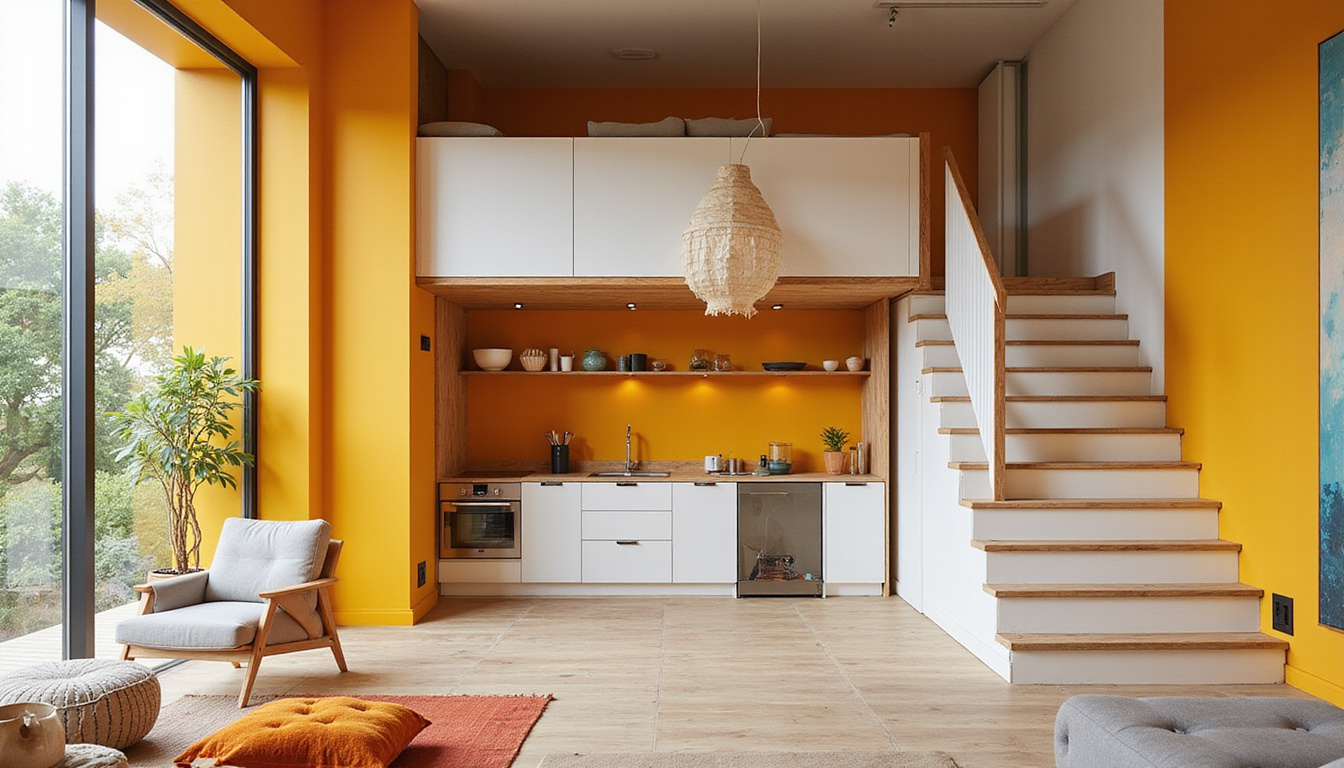
Duplex apartments are quickly becoming a favorite option for buyers and renters who want the feel of a house with the convenience of an apartment. Whether you’re in Cairo, Alexandria, or any major city worldwide, duplex apartments offer vertical space, clear zoning between public and private areas, and a sense of privacy that a single-level flat can’t match. The challenge, however, is using that space intelligently. With the right layout tricks and design choices, you can make a duplex feel larger, brighter, and more functional than apartments with a much bigger footprint.
Below are practical, people-first strategies to help you maximize every square meter of your duplex, from staircases and storage to outdoor terraces and smart furniture.
Why Duplex Apartments Feel Bigger Than They Are
A duplex apartment is typically a two-level unit connected by an internal staircase. You’ll often find:
- Living, dining, and kitchen on the lower level
- Bedrooms, bathrooms, and sometimes a small lounge or office on the upper level
This vertical separation instantly makes duplex apartments feel more like a private home. The psychological effect of having “upstairs” and “downstairs” can make even compact units feel spacious because:
- Noise and activity are naturally separated
- You get more wall and floor area to play with
- You can open vertical spaces (double‑height ceilings, voids, galleries)
The key, though, is not just having two floors—it’s connecting and organizing them cleverly.
Start with Zoning: Define Clear Functions on Each Level
Proper zoning is the foundation of an efficient duplex layout. Before buying furniture or repainting walls, decide how each level and each corner will be used.
Lower level priorities:
- Social area: living room, dining area
- Service core: kitchen, guest bathroom, possible maid’s room
- Access: entry foyer, stairs, sometimes balcony or garden (in ground-floor duplexes)
Upper level priorities:
- Private rooms: bedrooms, nursery, guest room
- Quiet spaces: study/home office, reading corner
- Bathrooms and dressing areas
When functions are clear, circulation improves and clutter is reduced. For example:
- Place the dining area close to the kitchen to limit “traffic” across the living room.
- Keep the staircase landing on the upper floor away from the master bedroom door to increase privacy.
- Use transitional spaces (landing, corridor) as reading nooks or mini offices rather than leaving them empty.
This intentional zoning is especially important in high-density areas and fast-growing markets like Egypt’s major cities, where efficient layouts can add real value and comfort (source: World Bank – Urban Development in MENA).
Staircase Design: Turn a Space Eater into a Space Saver
In many duplex apartments, the staircase is both the biggest design opportunity and the biggest risk. An awkward stair can swallow up usable area; a smart one can open up your whole layout.
Choose the right stair type
- Straight stair: Easiest to furnish around, ideal to place along a wall.
- L-shaped (with landing): Helps modify circulation, offers a natural “pause” or display area.
- U-shaped: Great for compact spaces if designed well, but can feel visually heavy.
- Spiral stair: Saves floor space but can be less comfortable and harder for moving furniture.
Whenever possible, prioritize comfort and safety over ultra-compact solutions—especially for families with children or older residents.
Use the space under the stairs
The area beneath the staircase is prime real estate in duplex apartments. Instead of leaving it as dead space:
- Build full-height storage cabinets or a cloakroom
- Create a compact home office desk and shelving
- Install a built-in TV unit, library, or display shelves
- Turn it into a kids’ play den or reading nook
Integrating the stair structure with storage or functional zones lets you “borrow back” the area the stair occupies.
Open-Plan Living Done Right
The ground floor of many duplex apartments works best as an open-plan space, but only if you define zones smartly. The goal is to have visual openness without chaos.
Use “soft” dividers
Instead of solid walls, try:
- Different floor finishes (e.g., tiles in kitchen, wood in living area)
- Area rugs to anchor the seating or dining zones
- Low cabinets or consoles as partial dividers
- Open shelving that allows light to pass through
Align circulation paths
Avoid placing large furniture in the natural path from:
- Entrance → living area → staircase
- Kitchen → dining area
Straight, unobstructed circulation lines make the lower level feel bigger and more comfortable to move through.
Light and Height: Play to the Duplex’s Strengths
One of the biggest advantages of duplex apartments is vertical space. Even if you don’t have dramatic double-height ceilings, you can still enhance the perception of volume.
Maximize natural light
- Keep window treatments light and high (mounted near the ceiling)
- Avoid bulky, dark furniture near windows
- Use glass balustrades or open railings for stairs and upper galleries
- Consider internal windows or cut-outs between levels to share light
Emphasize vertical lines
- Use tall bookshelves or wardrobes to draw the eye upward
- Run full-height curtains in double-height areas
- Paint or highlight one full-height wall as an accent
By drawing attention to the vertical dimension, your duplex will feel more spacious than its floor area suggests.
Storage: The Hidden Champion of Comfortable Duplex Living
Insufficient storage is one of the fastest ways to make a duplex feel cramped. Smart built-ins and multi-use furniture can transform how livable your home feels.
Integrate storage into structure
- Built-in wardrobes that reach the ceiling
- Under-window benches with hidden storage
- Raised platforms in bedrooms with drawers beneath
- Storage built into stair treads or risers (if designed safely)
Use vertical and awkward spaces
- Over-door cabinets in hallways
- Slim shelves in narrow gaps between walls and furniture
- Corner units in living rooms or bedrooms
In markets where many newer duplex apartments come with basic finishes only, custom carpentry often provides the highest return in everyday comfort.
Multi-Functional Furniture: One Piece, Many Uses
To maximize living space without sacrificing comfort, choose furniture that can do double or triple duty, especially on the lower level.
Consider:
- Sofa bed or daybed for guests instead of a dedicated guest room
- Extendable dining table that can shrink for daily use and expand for events
- Nesting coffee tables instead of one large, fixed piece
- Storage ottomans that work as extra seats and hidden storage
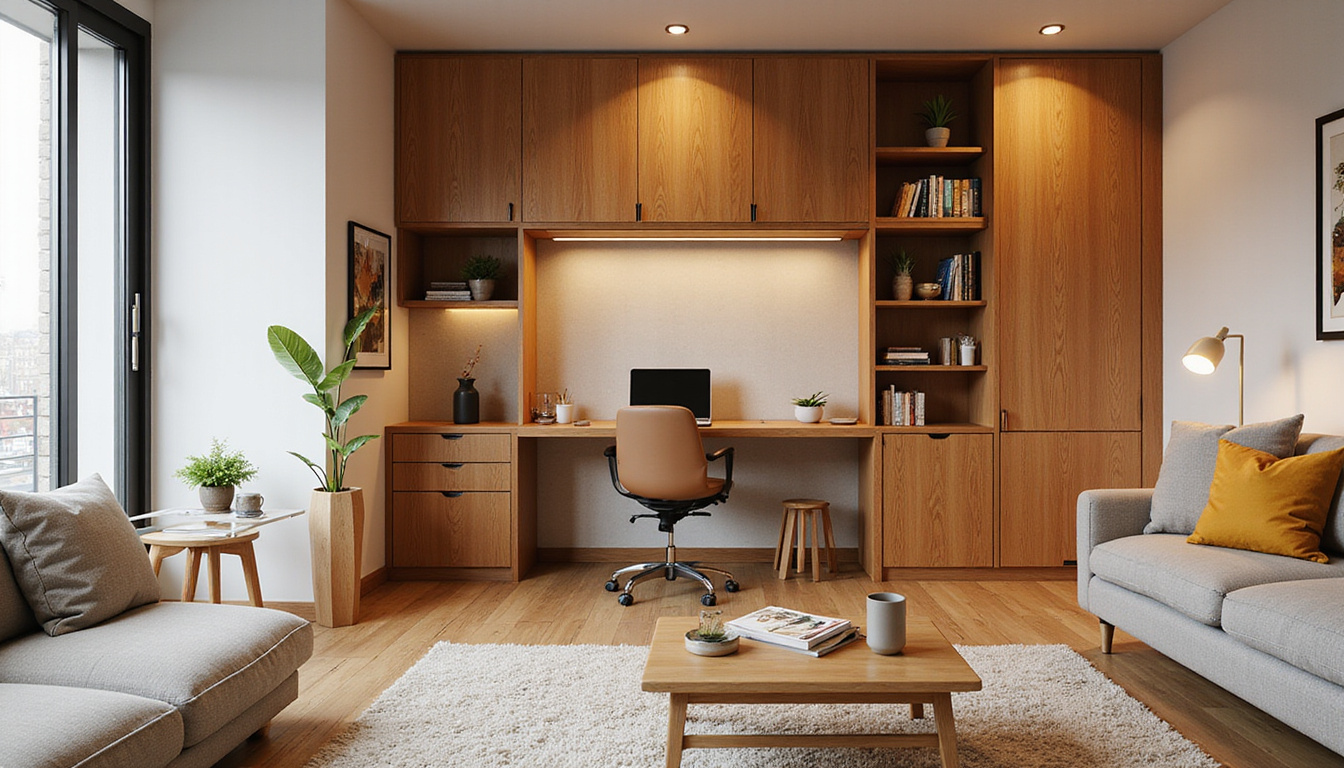
- Fold-down desks or wall-mounted consoles that become workstations
These solutions are particularly helpful in smaller duplex units or for residents just starting out and wanting to keep spaces flexible.
Smart Bedroom Layouts on the Upper Floor
The upper floor of duplex apartments should feel calm, quiet, and supremely functional. A few layout principles can make a big difference.
Position beds for privacy
- Avoid placing the bed directly across from the door if possible
- Where walls are limited, use a low headboard or partial partition to define the bed area
- In master suites, consider separating the sleeping zone from the dressing/wardrobe area
Create micro-zones
Even in a small bedroom, you can carve out:
- A reading corner with a single chair and floor lamp
- A small desk under a window for work or study
- A vanity integrated with storage
Making each bedroom more than just a “sleeping box” increases the perceived value and everyday enjoyment of the space.
Outdoor Space in Duplex Apartments: Balconies, Roofs, and Terraces
Many duplexes—especially in new compounds and coastal or Nile‑view developments—come with:
- Ground-floor gardens (for lower duplexes)
- Upper-level terraces or roof access
To maximize these spaces:
- Use slim, stackable outdoor furniture
- Add vertical greenery instead of large planters on the floor
- Consider a built-in bench along the wall to save floor space
- Use lighting (string lights, wall sconces) to extend usability into the evening
Turning outdoor areas into functional “rooms” (for dining, reading, or working) effectively adds to your living space without changing the building footprint.
For a real-world feel of how space and budget interact, this video offers a candid look at costs vs. lifestyle in Egypt:
Layout Mistakes to Avoid in Duplex Apartments
When planning or renovating, watch out for these common pitfalls:
Over-cluttering the stair area
Too much furniture near the stairs makes circulation awkward and can be unsafe.Ignoring acoustic separation
Thin partitions between the living area and upper bedrooms can lead to constant noise issues.Blocking natural light with tall partitions
Solid walls in living/dining areas can make both sides feel dark and cramped.Oversized furniture
A huge sectional sofa or giant bed can dominate the room and restrict movement.No storage plan
Buying furniture first and “figuring out storage later” almost always leads to clutter.
Quick Checklist: Making the Most of Your Duplex
Use this list to review your current or future duplex layout:
- [ ] Clear separation between social (lower) and private (upper) zones
- [ ] Staircase integrated with storage or functional spaces
- [ ] Open-plan living with defined zones and good circulation
- [ ] Maximized natural light and emphasized vertical height
- [ ] Built-in storage making use of corners, under-stair, and ceiling height
- [ ] Multi-functional furniture on both levels
- [ ] Bedrooms with micro-zones (work/reading/vanity)
- [ ] Outdoor spaces treated as additional rooms
- [ ] Furniture scaled to the space, not just to aesthetics
FAQ: Duplex Apartments and Smart Space Use
1. Are duplex apartments more spacious than regular flats of the same area?
They often feel more spacious because of vertical separation and potential for higher ceilings. Even if the square meters are similar, duplex apartments frequently offer better privacy, improved noise control, and more opportunities for creative storage and zoning.
2. How can I decorate small duplex apartments without making them look cluttered?
Focus on neutral, light colors, slim-profile furniture, and built-ins instead of bulky standalone pieces. Use mirrors, glass railings, and open shelving to keep sightlines clear. Keep decorations curated—fewer, larger statement pieces typically work better than many small items.
3. Are duplex apartments a good investment in growing urban areas?
They can be, especially in cities where buyers seek a “villa feel” without leaving central locations or gated communities. Efficient layouts, quality finishes, and good natural light often make duplex units attractive to families, expats, and long-term renters looking for comfort and privacy.
Ready to Make Your Duplex Work Harder for You?
If you already live in a duplex, you’re sitting on a powerful combination of vertical space and flexible zoning. With a thoughtful layout, clever storage, and smart furniture, you can transform everyday comfort and even boost resale or rental value. If you’re still searching, pay close attention to stair placement, light, and the relationship between levels—these will determine how large and livable the apartment feels long term.
Whether you’re buying, renting, or renovating in Egypt’s booming property market or beyond, don’t settle for a duplex apartment that just looks good on paper. Seek expert guidance, study the layout carefully, and invest in design choices that unlock every centimeter of space. Your duplex can feel like a full-fledged home—if you plan it to live as smart as it looks.