
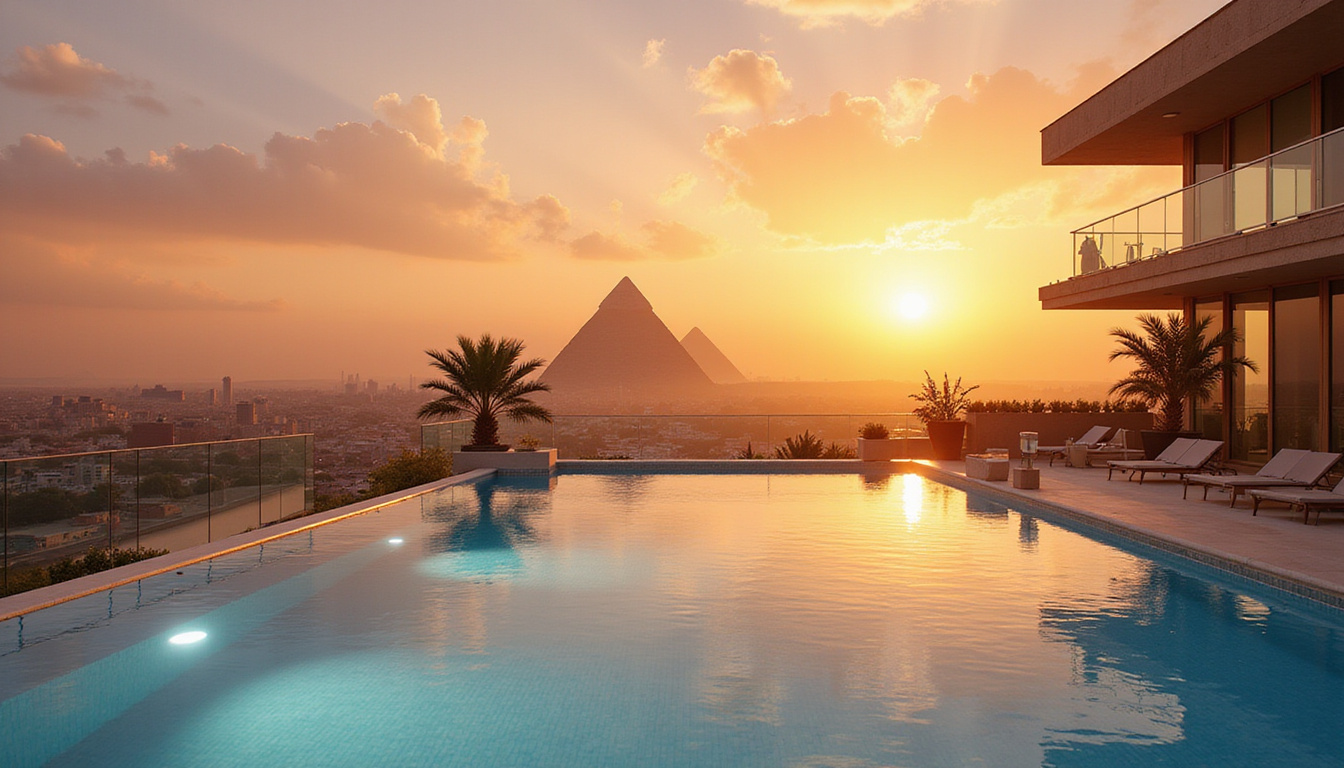
Design hotels Egypt are redefining what it means to experience the country’s timeless magic. Instead of just using your hotel as a place to sleep between sightseeing stops, you can now stay in spaces that blend cutting‑edge architecture, curated interiors, and deep respect for Egyptian culture and history. From Cairo’s skyline to the Red Sea’s tranquil shores and Luxor’s ancient temples, Egypt’s best design‑driven properties turn every moment of your stay into part of the journey.
Why Design Hotels in Egypt Are So Special
Egypt has always inspired artists, architects, and dreamers. Pyramids, temples, Islamic architecture, and Art Deco buildings in downtown Cairo form a visual archive that designers from all over the world study and admire. Design hotels in Egypt take this legacy and translate it into contemporary hospitality.
What sets them apart:
- A strong sense of place – Local motifs, materials, and crafts are integrated thoughtfully, not as clichés.
- Architectural character – These are buildings you remember, not anonymous glass boxes.
- Human‑centered comfort – Spaces are beautiful and functional, from ergonomic furniture to smart room controls.
- Curated experiences – Art, lighting, music, and scent are all chosen to create a specific mood and narrative.
In other words, these properties offer more than luxury; they offer a story.
Cairo: Urban Energy, Nile Views, and Bold Architecture
Cairo is the natural starting point for exploring design hotels Egypt. The city’s mix of Pharaonic treasures, Islamic monuments, and modern districts gives designers enormous creative freedom.
Riverside Modernism and Skyline Statements
Along the Nile, sleek glass towers and contemporary low‑rise structures host some of the city’s most impressive design‑forward hotels. Expect:
- Floor‑to‑ceiling windows framing the river and cityscape
- Minimalist interiors with subtle nods to Egyptian patterns
- Rooftop pools and terraces that double as social hubs
Many of these hotels use neutral palettes—sand, stone, and soft whites—layered with brass, wood, and textured fabrics that echo desert landscapes and ancient stonework.
For a visual feel of high‑end stays in the capital, check out this overview of standout properties:
Boutique Gems in Historic Neighborhoods
Beyond the major chains, a growing number of smaller design‑driven hotels are emerging in:
- Garden City – Early 20th‑century villas transformed into stylish guesthouses
- Zamalek – Artsy, leafy island in the Nile with creative, eclectic interiors
- Downtown Cairo – Renovated heritage buildings blending vintage details with contemporary furniture
These boutique stays often showcase:
- Restored original features: high ceilings, ornate balconies, and classic tiles
- Locally made furniture and lighting
- On‑site galleries or concept stores featuring Egyptian designers
Staying in one of these properties gives you a rare look at Cairo’s architectural heritage—while enjoying modern amenities and thoughtful design.
Red Sea Coast: Minimalist Luxury by the Water
When travelers think of design hotels Egypt, the Red Sea is often where modern aesthetics truly shine. Resorts in Hurghada, El Gouna, and Sharm El Sheikh are pushing beyond generic beachfront looks.
Desert‑Meets‑Sea Architecture
Red Sea design hotels tend to emphasize:
- Low, horizontal structures that blend into the shoreline
- Large open decks, shaded courtyards, and seamless indoor‑outdoor layouts
- Color schemes inspired by coral reefs, desert sands, and the blue gradient of the sea
Architects here draw on both Nubian and Mediterranean influences—arched doorways, domed ceilings, and whitewashed walls—reinterpreted in a clean, contemporary language.
Wellness, Water Sports, and Design‑Led Leisure
These coastal properties aren’t just about looks; they’re built around a lifestyle:
- Spa and wellness centers with serene, minimalist treatment rooms
- Beach clubs featuring sculptural loungers, cabanas, and ambient lighting
- Water sports hubs integrated into the resort design, with tasteful signage and storage
- Open‑air restaurants with carefully planned lighting and acoustics for sunset dining
For inspiration on the luxury coastal experience in Egypt, see this curated Red Sea and Mediterranean resort overview:
Upper Egypt: Heritage‑Inspired Boutique Design
In Luxor and Aswan, design hotels Egypt take on a different identity: more intimate and deeply rooted in history.
Architecture That Echoes the Ancient World
You’ll often find:
- Earth‑toned facades that reference temple stone and Nile mudbrick
- Courtyards with reflecting pools, evoking ancient basins and sacred lakes
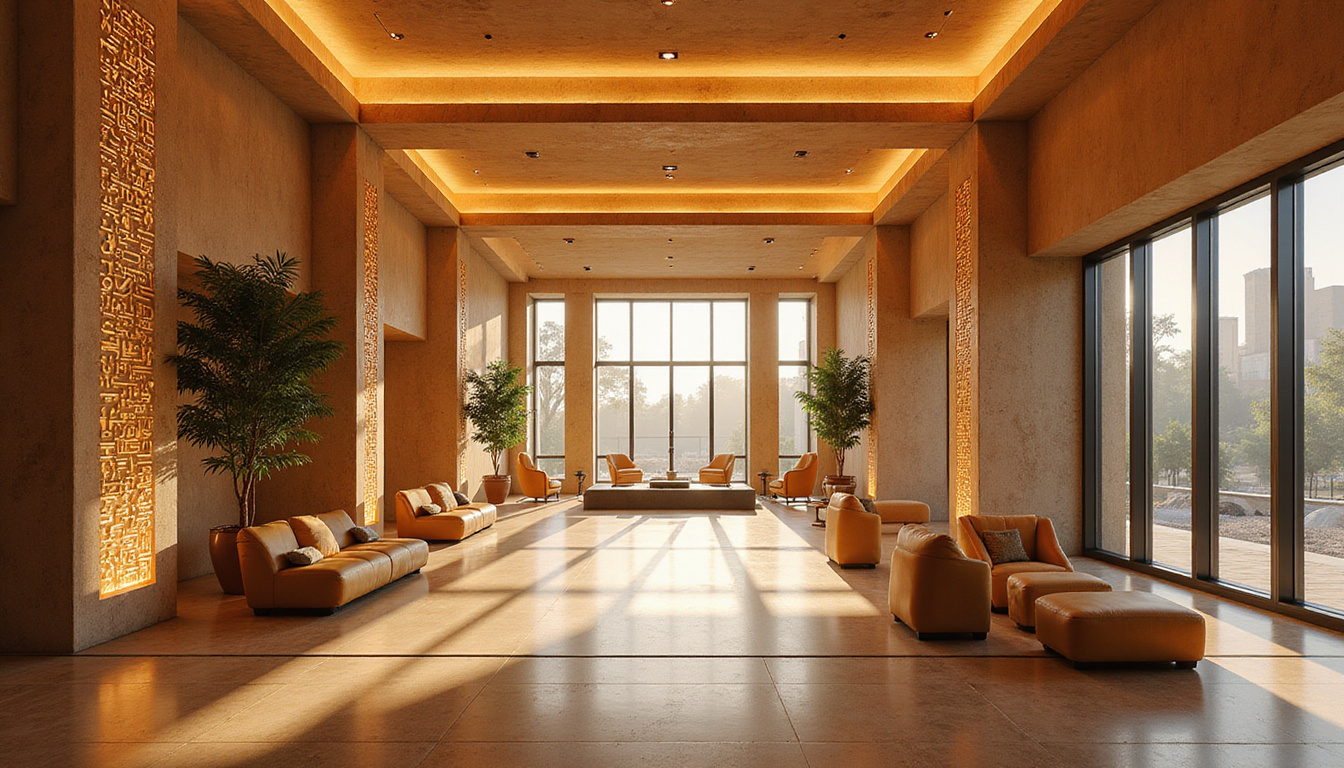
- Columns, screens, and geometric patterns inspired by Pharaonic and Islamic motifs
The best properties here don’t copy ancient architecture; instead, they translate it—using simple shapes, natural materials, and abundant sunlight.
Authentic Materials and Local Craft
Upper Egypt’s design hotels often collaborate with local artisans, incorporating:
- Hand‑woven rugs and textiles from Upper Egyptian villages
- Carved wooden screens (mashrabiya) for privacy and filtered light
- Pottery, basketry, and carved stone used as both decor and functional objects
This emphasis on craft connects guests to living traditions rather than just museum pieces.
Core Design Elements You’ll Notice in Egypt’s Best Hotels
Regardless of region, top design hotels Egypt share a few consistent traits. As a guest, you can feel them immediately—even if you can’t always put them into words.
1. A Clear Concept and Narrative
Great design hotels start with a concept. You might notice themes like:
- “Urban oasis along the Nile”
- “Desert retreat inspired by Bedouin minimalism”
- “Revival of 1920s Cairo glamour”
This guiding idea shapes everything: color palette, art selection, music, scent, and even the uniform design.
2. Thoughtful Use of Light and Shade
Given Egypt’s intense sun, light is a key design tool:
- Deep overhangs and pergolas create shade outdoors
- Layered lighting (ambient, task, accent) sets mood inside
- Screens, louvers, and textured glass filter light rather than blocking it
Many properties echo the play of light in temples and mosques—dramatic, yet calming.
3. Connection to Nature
Design hotels in Egypt rarely ignore their surroundings. Expect:
- Courtyards planted with palms, citrus, and native shrubs
- Green roofs or terraces where possible
- Use of stone, wood, and natural fibers rather than all‑synthetic finishes
This not only looks beautiful; it helps regulate temperature and enhances comfort in a hot, dry climate.
How to Choose the Right Design Hotel in Egypt
With more options appearing each year, it helps to be intentional. Here’s a simple way to narrow down the choices.
Define your main purpose.
- City exploration (museums, food, nightlife)
- Relaxation (beach, spa, pool)
- Culture and history (temples, Nile cruises)
Set your budget.
- Egypt offers everything from affordable design‑led guesthouses to ultra‑luxury properties.
- Boutique design stays can sometimes cost less than big international brands while feeling more unique.
Decide on hotel size.
- Large design‑driven resorts – more amenities, restaurants, and pools
- Small boutique hotels – more intimacy, often stronger sense of personality
Check design details that matter to you.
- Room layout and workspace (if you’re working remotely)
- Bathroom style (open‑plan vs fully enclosed)
- Balcony or terrace availability
- Soundproofing and privacy
Read recent guest reviews.
- Focus on comments about comfort, cleanliness, and service, not just looks.
- Search for phrases like “design,” “decor,” or “interiors” to ensure style is up‑to‑date.
A good starting point for narrowing options is the official Egypt tourism portal, which provides regional overviews and planning tools (source: Egypt.travel).
Sustainability and Community: The New Direction of Design
Many modern design hotels Egypt are moving beyond aesthetics to focus on environmental and social impact.
Eco‑Conscious Building and Operations
Look for properties that:
- Use passive cooling, local stone, and good insulation
- Incorporate solar panels where feasible, especially in desert regions
- Operate water‑saving systems and limited single‑use plastics
Design here isn’t just about appearance; it’s about performance and responsibility in a fragile climate.
Supporting Local Communities and Culture
The most thoughtful hotels:
- Employ local staff and offer training programs
- Source food and materials from nearby farms and artisans
- Host cultural events: music nights, craft workshops, or talks about history and architecture
This approach gives guests richer experiences and ensures tourism benefits reach beyond the hotel walls.
Tips to Get the Most from Your Design Hotel Stay
To fully enjoy design hotels Egypt, make the hotel an active part of your trip rather than just a base.
Schedule downtime.
Plan at least half a day to simply enjoy the property—pool, spa, rooftop, or gardens.Ask for the design story.
Many staff members are proud of the hotel’s concept; ask about the architect, interior designer, and inspiration.Explore beyond your room.
Public areas are where design comes alive: lobbies, bars, staircases, and terraces often hold the most creative details.Photograph respectfully.
Early morning is usually best for natural light and privacy. Be mindful of other guests and hotel policies.Try on‑site dining.
Restaurant and bar interiors often showcase the strongest design themes—plus menus may highlight local ingredients.
FAQ: Design‑Led Stays in Egypt
1. What should I look for when booking design hotels Egypt online?
Check real photos (not just renders), read recent reviews mentioning design and comfort, and review details like room size, layout, and natural light. Look for properties that describe a clear concept and show cohesive interiors across rooms, lobby, and common areas.
2. Are boutique design hotels in Egypt suitable for families?
Many boutique design hotels in Egypt welcome families, but facilities vary. Larger resorts tend to offer kids’ clubs and family rooms, while smaller properties may focus more on couples or solo travelers. Always confirm extra bed policies, connecting rooms, and pool safety before booking.
3. Where can I find the best beachfront design hotels in Egypt?
Top beachfront design hotels in Egypt are concentrated along the Red Sea—especially in Hurghada, El Gouna, and Sharm El Sheikh. These regions are known for elegant, contemporary resorts that blend desert‑inspired architecture with modern amenities and access to diving, snorkeling, and kitesurfing.
Turn Your Trip into a Design‑Driven Journey
Choosing design hotels Egypt can transform your visit from a checklist of sights into a seamless, curated experience. Every hallway, courtyard, and rooftop can become part of how you understand the country—its landscapes, its craft traditions, and its evolving modern identity.
If you’re planning a trip, start by deciding where design matters most to you: Cairo’s skyline, Luxor’s historical setting, or the Red Sea’s calming shores. Then shortlist a few properties whose architecture and interiors genuinely resonate. When you’re ready, book a stay that reflects your taste as much as your itinerary—and let Egypt’s design‑savvy hotels become the backdrop for your own story in this remarkable country.