
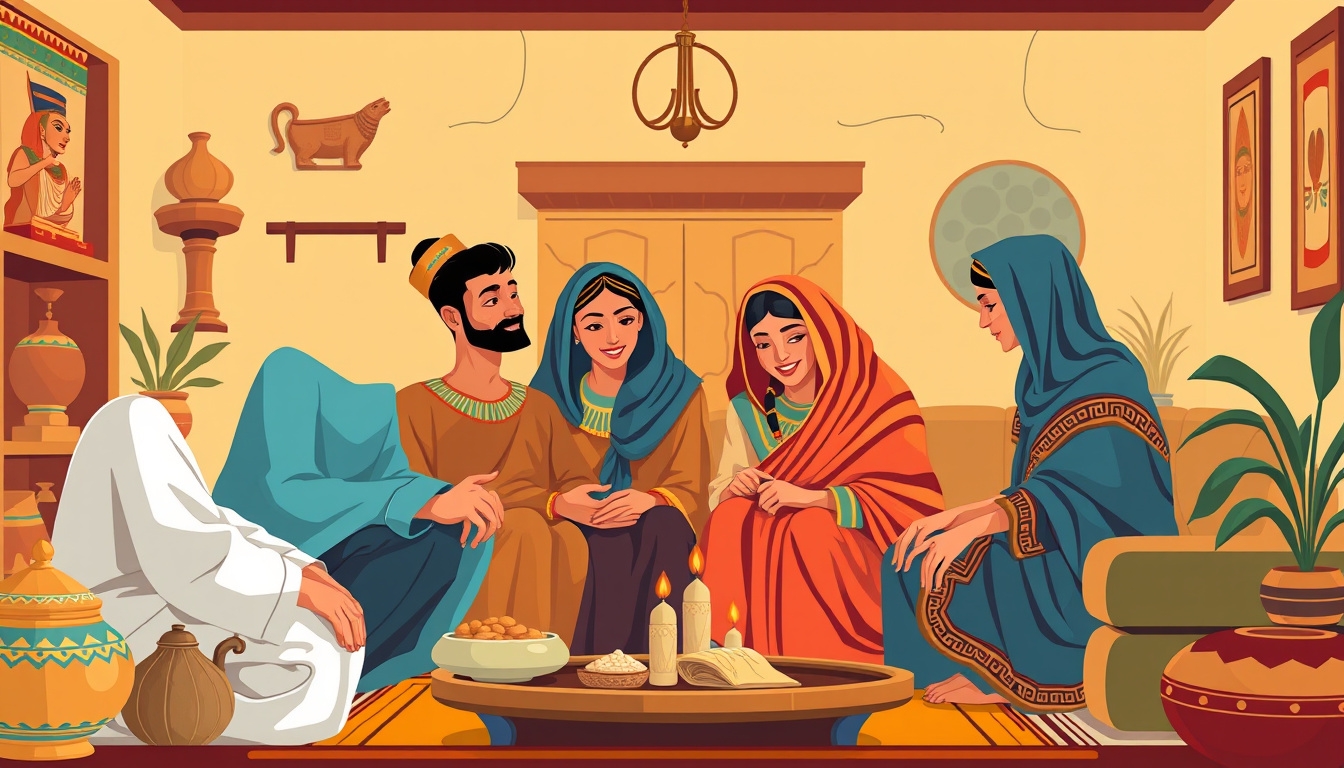
In recent years, the term ‘Egyptian family values’ has emerged as a contentious topic at the intersection of law, social media, and cultural identity.
With the advent of digital platforms, traditional notions of family norms are being re-evaluated and, at times, challenged, leading to intense public discussions and legal ramifications.
Central to this discourse is the role of Egyptian legislation, particularly Article 25 of Law 175 of 2018, which criminalizes acts perceived to undermine family values.
This law has sparked significant controversy, especially after high-profile cases like that of Haneen Hossam, a TikTok influencer whose arrest in 2020 exemplifies the crackdown on content deemed indecent.
As the government intensifies its efforts to shield traditional values, a complex narrative unfolds, showcasing not only the legal implications but also the growing influence of social media in reshaping societal norms.
This article aims to decode the multifaceted landscape of Egyptian family values by examining the legal framework, the role of social media, and the societal implications that come with evolving definitions.

Key Takeaways
- The term ‘Egyptian family values’ is poorly defined, leading to significant legal and social ambiguity.
- Laws punishing perceived attacks on family values are being used to curb artistic expression and prosecute social media creators.
- The discourse around family values highlights a struggle between traditional norms and the realities of modern society, often reflecting cultural and individual beliefs rather than clear principles.
The Legal Framework Surrounding Family Values in Egypt
The legal framework surrounding family values in Egypt has become a contentious issue, driven by a blend of cultural beliefs and contemporary social media influence.
With the advent of platforms like TikTok, discussions about Egyptian family values have reached a fever pitch, yet the concept itself remains nebulous.
Article 25 of Law 175 of 2018 is particularly significant, as it criminalizes actions perceived as attacks on family values.
This legislation has led to the prosecution of numerous social media content creators for allegedly indecent behavior, with the infamous case of TikTok influencer Haneen Hossam highlighting the implications.
Following her arrest in 2020, the media dubbed the situation the ‘TikTok Girls’ case, which galvanized public sentiment and focused attention on the vagueness of what constitutes family values.
The broad interpretation of this term covers everything from privacy violations to threats to national stability, exposing individuals to severe penalties such as imprisonment or heavy fines.
In mid-2025, a crackdown by the Egyptian Ministry of Interior targeted several influencers accused of promoting indecency, further demonstrating the societal pressures to conform to traditional norms concerning obedience, modesty, and respect within familial structures.
This environment has sparked public debates regarding the balance between freedom of expression and adherence to perceived societal standards, as evidenced by the backlash against artists like singer Mohamed Ramadan whose performances were seen to undermine these values.
Critics point out that while calls for a clear definition of family values persist, they often devolve into ambiguous moral guidelines shaped by varying cultural contexts, which can lead to abuses of power against marginalized communities.
Additionally, legal frameworks that supposedly promote family values frequently fall short of addressing pressing issues like domestic violence and women’s rights, reflecting a complex struggle within Egypt to align traditional familial ideals with the realities of a rapidly changing societal landscape.
Social Media’s Role in Shaping and Challenging Family Norms
The discourse around family values in Egypt illuminates a pivotal intersection between tradition and modernity, particularly under the scrutiny of social media.
Content creators and influencers wield considerable power in shaping public perceptions, yet they find themselves in precarious positions due to vague legal definitions.
The legal repercussions stemming from Article 25 of Law 175 of 2018 highlight a delicate balance where creativity and cultural expression often clash with societal expectations.
This tense dynamic is further complicated by the uneven application of laws that ostensibly safeguard family values, raising questions about whose values are truly being protected and whether these laws are employed selectively against those challenging the status quo.
Moreover, as young Egyptians increasingly use platforms like TikTok to voice their realities, they are thrust into a battleground that reflects broader ideological conflicts about what constitutes acceptable behavior within familial and societal constructs.
As this narration unfolds, it becomes evident that defining family values is not merely an academic exercise but a crucial dialogue that echoes through the experiences of individuals navigating the complexities of modern life in Egypt.