

Affordable housing has become one of the defining challenges of our time, but it’s also an area where new, realistic solutions are finally making homeownership possible for more people. Whether you’re a first-time buyer, an expat exploring affordable housing options in Egypt, or a local resident priced out of traditional developments, you now have more tools and pathways to own a home than ever before.
This guide walks through what’s changing, the key models that are working, and practical steps you can take to move from renting to owning in today’s market.
Why Affordable Housing Matters More Than Ever
Homeownership is more than just having a roof over your head. It affects:
- Financial stability and long-term wealth-building
- Access to better schools, services, and job markets
- A sense of security and belonging in a community
In Egypt and many other countries, property prices have risen faster than wages, creating a gap between what people earn and what homes cost. According to UN-Habitat, more than 1.8 billion people live in inadequate housing globally, with a large share in developing countries (source: UN‑Habitat). This “affordability gap” is exactly what new affordable housing solutions are trying to close.
What “Affordable Housing” Really Means
The term is used often, but it’s not always clear. In most policy and banking contexts, affordable housing means that your total housing costs (mortgage, taxes, and essential fees) do not exceed about 30% of your gross monthly income.
Key ideas behind real affordability:
- Purchase price fits local incomes – not just luxury-market demand
- Predictable monthly payments – no steep surprises that cause default
- Reasonable commute to jobs and services – cheap housing far away isn’t truly affordable
- Durable construction – low maintenance and utilities over time
When you evaluate any “affordable” home, always ask: Can I sustainably pay the upfront and ongoing costs, even if interest rates or my income change modestly?
The New Affordable Housing Models Making Ownership Possible
Multiple models are emerging that reshape how homes are built, priced, and financed. Often, you’ll find them overlapping in the same development.
1. Government-Supported Mortgage Programs
Many countries, including Egypt, offer subsidized mortgage schemes or low-interest programs for low- and middle-income buyers.
Common features:
- Lower down payments (sometimes from 10% or less)
- Below-market or fixed interest rates
- Longer repayment periods (e.g., 20–30 years)
- Income-based eligibility and price caps on units
For buyers, these programs can mean the difference between being locked into renting for years and being able to buy a modest apartment in a new community closer to jobs and transport.
2. Public–Private Partnerships (PPPs)
In a PPP model, the government partners with private developers:
- The state can provide land at reduced cost, tax incentives, or infrastructure support.
- Developers commit to selling a portion of units at controlled “affordable” prices.
- Buyers get new, often well-planned communities with schools, shops, and transit links.
These projects are increasingly visible in new cities and suburban expansions across Egypt, where master-planned communities include both market-rate and affordable segments.
3. Smaller, Smarter Homes
One of the most direct ways to make housing affordable is to reduce unit size and optimize design.
Smart design features:
- Compact floor plans that still feel spacious
- Multi-use areas (living/dining combined, fold-away furniture)
- Shared amenities (gardens, roof terraces) instead of large private plots
This approach gives buyers lower entry prices and reduced utility bills while maintaining quality of life.
4. Cooperative and Community-Based Models
In cooperative housing:
- Residents collectively own the building or community.
- Each member buys a share instead of an individual freehold unit.
- Decisions about maintenance, rules, and improvements are made democratically.
While still emerging in many markets, co-ops and community land trusts can keep prices controlled long-term and prevent speculative price spikes.
5. Alternative Construction Methods
New construction technologies are playing a growing role in affordable housing:
- Prefab and modular units – built in factories then assembled on-site, reducing waste and time.
- Locally sourced materials – lower transport and import costs.
- Energy-efficient design – better insulation, orientation, and ventilation that cut long-term bills.
For buyers, that often translates to lower purchase prices and far smaller monthly utility costs, which improves the real affordability over the life of the home.
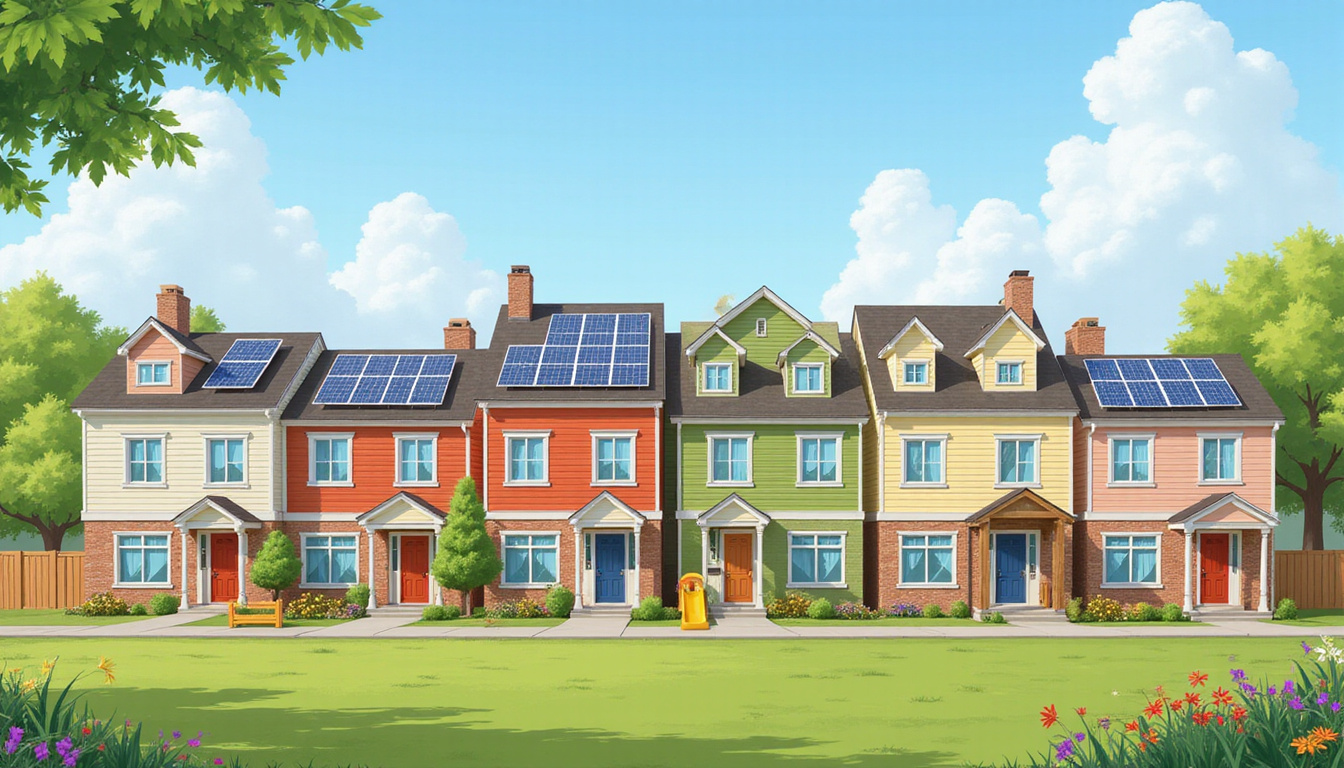
How Affordable Housing Works in Practice
To understand how these solutions feel on the ground, it helps to break the process into three parts: cost, access, and quality.
1. The Cost Side: What You Actually Pay
When you look at an “affordable” unit, consider:
Upfront costs
- Reservation fee or booking deposit
- Down payment (sometimes spread over construction period)
- Registration, legal, and admin fees
Monthly costs
- Mortgage installment or financing payment
- Maintenance and service charges
- Utilities (electricity, water, gas, internet)
Occasional costs
- Major repairs or upgrades
- Property taxes or government-related fees (where applicable)
A home is truly affordable only when these combined expenses fit your long-term budget—not just your current cash on hand.
2. The Access Side: Who Qualifies?
Many affordable housing programs prioritize:
- First-time buyers
- Lower and middle income brackets
- Married couples or families
- Residents working in essential sectors (health, education, public service)
Eligibility often depends on:
- Documented income (salary slips, contract, bank statements)
- Not owning another home
- Staying below specified income or property value caps
Understanding the exact criteria early helps you filter projects and avoid wasting time.
3. The Quality Side: Is It a Place You Want to Live?
A low price is meaningless if the home is poorly built, unsafe, or far from your life.
Check for:
- Structural quality and finishing level
- Distance to your job, schools, hospitals, and public transport
- Availability of supermarkets, pharmacies, and essential services
- Current and planned infrastructure (roads, metro, bus routes, utilities)
In many newer developments across Egypt, affordable housing is now integrated into larger, well-planned communities, making it a far better lifestyle choice than older, crowded districts.
Steps to Move from Renting to Affordable Homeownership
If you feel priced out of the market, a structured plan can change the outcome. Here’s a practical roadmap:
Clarify your budget
- Determine the maximum monthly payment you can sustain without stress.
- Aim to keep all housing costs at or below 30% of gross income.
Check your eligibility
- Review government or bank-backed affordable housing programs.
- Collect required documents (ID, income proof, tax reports, bank statements).
Improve your financial profile
- Reduce high-interest debts (credit cards, personal loans).
- Avoid new major obligations before applying for a mortgage.
- Build a stable track record of income deposits in your bank account.
Research locations, not just projects
- Study commute times, transport improvements, and future infrastructure.
- Consider new cities or expanding suburbs where prices are lower but rising.
Compare financing offers
- Different banks or programs can offer different rates and terms.
- Look at total cost over the life of the loan, not just the monthly payment.
Visit sample units and talk to residents
- Check quality, finishing, and how the community feels in reality.
- Ask existing owners about bills, maintenance, and any hidden costs.
Plan for post-move expenses
- Furniture, appliances, curtains, and small renovations add up.
- Allocate a separate budget so you don’t strain your mortgage payments.
For a more personal perspective on balancing costs, expectations, and lifestyle, you might find this video helpful:
Things I Wish I Knew Before Moving to Egypt – My Honest Experience –
Key Advantages of Modern Affordable Housing Programs
Affordable ownership isn’t just about “cheaper” property. The newer generation of projects is starting to solve multiple problems at once.
Benefits you can expect:
- Entry into property ownership with realistic down payments
- Protection from sharp rent increases
- Potential for capital appreciation over time
- More predictable monthly housing costs
- Better-designed communities with shared amenities
- Stronger sense of security and stability for families
In many cases, early buyers in well-located affordable developments see their home value rise significantly as infrastructure and services mature around them.
Common Pitfalls to Avoid
Even with better affordable housing options, there are risks. Stay alert to:
- Unrealistic payment schedules – overly steep installments during construction
- Hidden charges – unclear maintenance fees, “club” memberships, parking costs
- Overstretching your budget – banking on future promotions or side incomes
- Ignoring resale rules – some subsidized units have restrictions on how soon or how much you can sell for
- Buying purely on speculation – choosing a home only as an “investment” without considering livability
Always read contracts carefully, ask questions, and, if possible, consult an independent legal or financial advisor before signing.
Quick Checklist Before Committing to an Affordable Home
Use this list as a final filter:
- [ ] Total monthly cost is ≤ 30% of my stable income
- [ ] I can cover at least 3–6 months of payments from savings if needed
- [ ] Location works for my job, family, and daily life
- [ ] Construction quality and developer reputation are solid
- [ ] I understand all fees and future increases
- [ ] Mortgage or financing terms are fixed or clearly explained
- [ ] Resale rules and timeframes are transparent
- [ ] I’m buying a home I’m genuinely willing to live in, not just a number on paper
FAQ: Understanding Affordable Housing and Homeownership
Q1: What is affordable housing in simple terms?
Affordable housing means homes are priced so that typical households can own or rent them without spending more than about 30% of their income on housing costs. In practice, this includes lower prices, subsidized mortgages, or controlled payment plans designed for low- and middle-income buyers.
Q2: How can I qualify for affordable housing schemes?
Eligibility for affordable housing programs usually depends on your income level, not owning another property, and sometimes your marital or family status. You’ll often need to provide official proof of income, identification, and sometimes a certificate that you haven’t previously benefited from similar programs.
Q3: Is affordable housing a good investment in the long term?
If you choose a well-located project with solid infrastructure, affordable homes can appreciate in value over time while giving you stable housing costs. It’s important to balance investment potential with real-life needs—location, build quality, and community services matter just as much as price.
Take the Next Step Toward Realistic Homeownership
The era when homeownership felt out of reach for ordinary earners is beginning to change. With smarter planning, government-backed financing, and innovative building models, affordable housing is finally becoming a realistic path rather than a distant dream.
If you’re renting, waiting, or unsure where to start, now is the time to act:
- Define a clear, sustainable budget.
- Explore affordable housing programs and new developments.
- Compare financing options and ask direct questions about every fee.
- Visit communities, not just sales offices, and imagine your daily life there.
The sooner you begin this process, the more options you’ll have—and the more likely you are to secure a home that fits both your finances and your future. Owning a home doesn’t have to be a luxury. With today’s affordable solutions, it can be your next achievable goal.