

If you’re searching for office space Egypt, you’re stepping into one of the MENA region’s most dynamic and fast-evolving commercial property markets. Between New Cairo’s gleaming business parks, the skyscrapers of Nile Corniche, and tech-friendly hubs in 6th of October, there are fantastic opportunities—if you know how to navigate the options and avoid overpaying.
This guide walks you through where to look, how to compare prices, what to watch out for in contracts, and strategies to secure a prime address at a fair cost.
Why Egypt’s Office Market Is So Attractive Now
Egypt has become a regional business magnet thanks to:
- A large, young workforce
- Strategic location between Africa, the Gulf, and Europe
- Ongoing infrastructure and new city developments (New Administrative Capital, New Cairo, 6th of October, New Alamein)
According to the General Authority for Investment and Free Zones (GAFI), Egypt continues to attract billions in FDI, much of which fuels demand for office space Egypt (source: GAFI).
For startups, SMEs, and multinationals, that means more choice—but also more complexity. Prices and terms can vary dramatically even within the same district.
Mapping the Best Areas for Office Space in Egypt
Choosing the right location starts with understanding how Cairo (and beyond) is structured from a business point of view.
1. Downtown Cairo & Nile Corniche
Profile: Historic business core, banks, embassies, law firms, media, and government institutions.
Pros:
- Prestigious central addresses
- Strong public transport and taxi/ride-hailing access
- Good for companies that need proximity to ministries, courts, or old-city clients
Cons:
- Traffic congestion and limited parking
- Older buildings may lack modern infrastructure
- Prime buildings command premium rents
Ideal for: Legal and consulting firms, NGOs, government-facing businesses.
2. New Cairo & Fifth Settlement
Profile: The new business darling of Greater Cairo, including districts like 90th Street.
Pros:
- Modern office buildings and business parks
- Proximity to affluent residential communities and international schools
- Better parking and infrastructure
- Popular with tech, finance, outsourcing, and multinational headquarters
Cons:
- Higher average rents than many older districts
- Commute can be long for employees living in western Cairo
- Still developing in terms of public transport
Ideal for: Tech firms, startups, BPOs, regional HQs.
3. 6th of October & Sheikh Zayed
Profile: West Cairo hubs with growing business parks and industrial zones.
Pros:
- Competitive rents vs. New Cairo
- Access to large residential communities (good for staff recruitment)
- Modern office projects with parking and security
Cons:
- Distance from New Cairo and East Cairo clients
- Public transport options still limited
Ideal for: Industrial, logistics, back-office operations, and cost-conscious companies.
4. New Administrative Capital (NAC)
Profile: The government’s flagship mega-project, designed as a modern administrative and business hub.
Pros:
- Brand-new infrastructure and smart-city planning
- Government ministries and large enterprises relocating
- Early movers may negotiate more favorable deals
Cons:
- Still under development—services and amenities are evolving
- Perception risk: not all clients/partners are used to traveling there yet
Ideal for: Government-facing firms, large corporates planning for the long term.
5. Alexandria & Other Major Cities
While Cairo dominates the office space Egypt market, don’t overlook Alexandria, Mansoura, and new coastal cities:
- Alexandria: Strong for trade, logistics, maritime, and industrial sectors
- New Alamein & North Coast: Seasonal and tourism-related offices, plus some year-round operations
- Delta cities (Mansoura, Tanta): Regional hubs for medical, educational, and service businesses
Understanding Pricing: What Drives Office Rent in Egypt?
To avoid overpaying, you need to know what actually pushes the price up or down.
Key Price Drivers
Location & Accessibility
Proximity to main roads (Ring Road, Suez Road, Mehwar), public transport, and client clusters heavily influences rent.Building Grade (A, B, C)
- Grade A: Newer, high-spec towers and business parks with security, parking, elevators, backup power, and modern IT.
- Grade B: Decent buildings, reasonable finishes, fewer amenities.
- Grade C: Older or basic buildings, minimal services.
Fit-Out Level
- Shell & Core: Bare concrete, no internal walls or finishes—cheaper rent but higher setup cost.
- Semi-Finished: Flooring and basic electrics installed.
- Fully Finished/Furnished: Ready-to-use; higher rent but minimal move-in cost.
Lease Terms & Flexibility
Longer leases with fewer break options often come at lower monthly rates. Shorter and more flexible terms (especially in serviced offices) carry a premium.Amenities & Services
Security, maintenance, cleaning, parking, reception, and shared facilities all affect total occupancy cost, not just the base rent.
Traditional Leases vs. Serviced Offices vs. Coworking
Choosing the right type of office space Egypt can save you a lot.
Traditional Office Leases
- You rent a defined area (e.g., 150 m²) in a commercial building.
- You manage fit-out, furniture, IT, and sometimes utilities.
Best for: Established businesses with stable headcount and specific layout needs.
Watch out for:
- Large upfront costs (fit-out, furniture, deposits)
- Multi-year commitments
- Maintenance responsibilities
Serviced Offices & Business Centers
These offer ready-to-use private offices with shared receptionist, meeting rooms, and services.
Best for: SMEs, foreign companies testing the market, or teams needing flexibility.
Pros:
- Simple monthly bill
- Shorter contracts
- Professional image and central locations
Cons:
- Higher cost per square meter than traditional leases
- Less customization of space
Coworking Spaces
Open desks or small private offices in shared environments.
Best for: Startups, freelancers, small teams, project-based work.
Pros:
- Very flexible terms (even monthly)
- Networking and community
- Often tech-friendly and centrally located
Cons:
- Limited privacy
- Not ideal for confidential operations or high-volume calls
Step-by-Step: How to Find Prime Office Space in Egypt Without Overpaying
Use this structured approach to stay in control and negotiate from strength.
1. Define Your Real Needs Before You Search
Estimate:
- Team size now and in 2–3 years
- Type of work (quiet, collaborative, client-facing)
- Need for meeting rooms, reception, storage, or lab space
- Preferred areas based on staff and client locations
- Budget: both monthly rent and one-time fit-out costs
Being precise helps you avoid paying for unnecessary square meters or unused amenities.
2. Shortlist Target Areas, Not Just Buildings
Start with 2–3 districts that fit your strategy. For each, evaluate:
- Commute times for most employees
- Client proximity
- Parking availability
- Public transport links
- Nearby services (banks, restaurants, government offices)
This area-first approach helps you compare equivalent options instead of falling for the first nice building you see.
3. Use Multiple Search Channels
To capture the full range of office space Egypt options:
- Local and regional property portals
- Commercial real estate brokers (ideally those who specialize in offices)
- Facebook and LinkedIn business groups
- Building management offices directly in complexes you like
- Word-of-mouth from other companies in your sector
Avoid relying on a single broker or platform; that’s how you miss better deals.
4. Compare Total Occupancy Cost, Not Just Rent
When offers start coming in, create a comparison sheet.
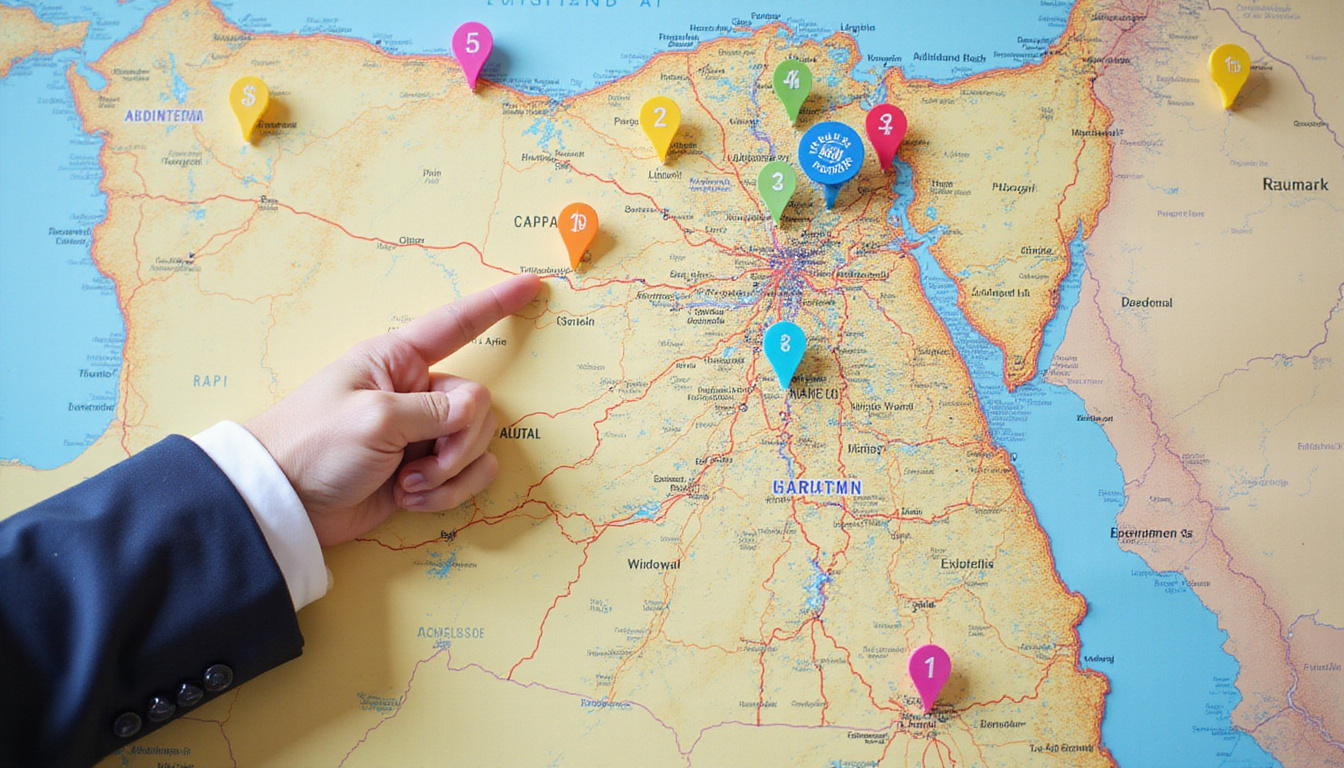
At minimum, list:
- Base rent (EGP/m²/month)
- Service/maintenance charges
- Parking fees
- Utilities (who pays what)
- Internet/telecom costs
- Fit-out costs (upfront)
- Furnishing costs
- Deposit and advance payment requirements
- Annual rent increase clause
- Contract length and break clauses
This “real” cost comparison often reveals that a seemingly cheaper office is actually more expensive over three to five years.
5. Inspect the Building and the Space Carefully
Never commit based only on photos or plans. During viewing:
- Test elevators, lighting, air conditioning
- Ask about backup power and internet providers in the building
- Check toilets, common areas, and security presence
- Talk informally to other tenants if possible
Inside the unit:
- Confirm actual usable area vs. quoted area
- Look for water leaks, cracks, noise sources
- Assess natural light and ventilation
- Check if structural columns limit layout options
6. Negotiate Smartly
In Egypt’s office market, it’s normal to negotiate. Focus on:
- Base rent
- Additional rent-free months (especially for fit-out)
- Reduced deposit or split deposit payments
- Caps on annual rent increase (e.g., max 7–10% per year)
- Parking space allocation included or discounted
If you’re signing a longer lease (3–5 years), you have more leverage. Don’t hesitate to present competing offers to push for better terms.
7. Read (and Adjust) the Contract Terms
Key clauses to review with a lawyer or experienced consultant:
- Duration and renewal terms
- Early termination penalties
- Responsibility for structural repairs vs. minor maintenance
- Rules on branding/signage
- Subleasing or sharing space with partners
- Utilities and service charge calculation method
Ensuring clarity now prevents costly disputes later.
Common Mistakes When Renting Office Space in Egypt
Avoid these pitfalls that lead to overpaying or operational headaches:
- Choosing purely on prestige: A Nile-view tower is great, but if half your staff resign over the commute or parking fees, costs soar.
- Underestimating fit-out costs: Shell & core spaces can be deceptive; detailed quotations are essential.
- Ignoring service charges: “Cheap” base rents can be offset by high building management fees.
- Overcommitting on size: It’s often cheaper to start slightly smaller with expand options than to pay for empty rooms for years.
- Skipping legal review: Standard contracts often favor landlords; custom adjustments can save you money and risk.
Real-Life Perspective: Watch Before You Move
Before you finalize a decision on office space Egypt, it helps to hear from people actually living and working there. This video shares practical insights that can influence where you locate your office, how you plan salaries, and how your team will experience daily life:
[Things I Wish I Knew Before Moving to Egypt – My Honest Experience](
While it’s focused on personal experience, the points about transportation, costs, and lifestyle directly affect your office selection and staff satisfaction.
Quick Checklist Before Signing for Office Space in Egypt
Use this list as a final sanity check:
- [ ] Location works for staff and clients
- [ ] Building grade and image match your brand
- [ ] Speed tests or provider confirmation for internet available
- [ ] Real total monthly cost calculated (rent + services + utilities)
- [ ] Fit-out and furniture quotes obtained
- [ ] Parking and access arrangements clear
- [ ] Contract reviewed and negotiated (rent, increases, term, penalties)
- [ ] Future expansion or downsizing options considered
FAQ: Office Space Egypt
Q1: How much does office space cost in Egypt per square meter?
Prices for office space Egypt vary widely by area and building grade. In prime Grade A locations like 90th Street in New Cairo or top Nile Corniche towers, expect significantly higher rents than in secondary areas or older buildings. Always compare base rent plus service charges and other operating costs to get a true picture.
Q2: Is it better to rent or buy office space in Egypt for a small business?
For most small businesses and startups, renting commercial space in Egypt is more flexible and less capital-intensive. Buying may make sense for mature companies with stable headcount and long-term plans in a specific area. Flexible serviced offices or coworking spaces often offer the best starting point before committing to ownership.
Q3: Can foreigners legally rent office space in Egypt?
Yes. Foreign individuals and companies can rent office space in Cairo, Egypt, and other cities. However, it’s crucial to structure your lease and company registration correctly, especially if you’re setting up a local entity, employing staff, or applying for visas. Work with a local legal or corporate services firm to ensure compliance.
Secure the Right Office Space in Egypt—Without Breaking Your Budget
Egypt offers powerful advantages: competitive labor costs, strategic location, and an increasingly sophisticated office market. But with all the shiny new projects and aggressive marketing, it’s easy to overspend or lock into an inflexible lease.
By defining your needs, comparing total costs (not just headline rent), and negotiating assertively, you can secure office space Egypt that supports your team, impresses your clients, and protects your bottom line.
If you’re planning a move, expansion, or new market entry, this is the best time to explore your options. Start by shortlisting a few locations, speak with multiple brokers, and insist on transparent, detailed offers—then negotiate terms that work for you.
Ready to find your next office in Egypt? Use this guide as your roadmap, line up 3–5 viewings in your preferred districts this month, and move one step closer to a prime address that fits your budget and your business goals.