
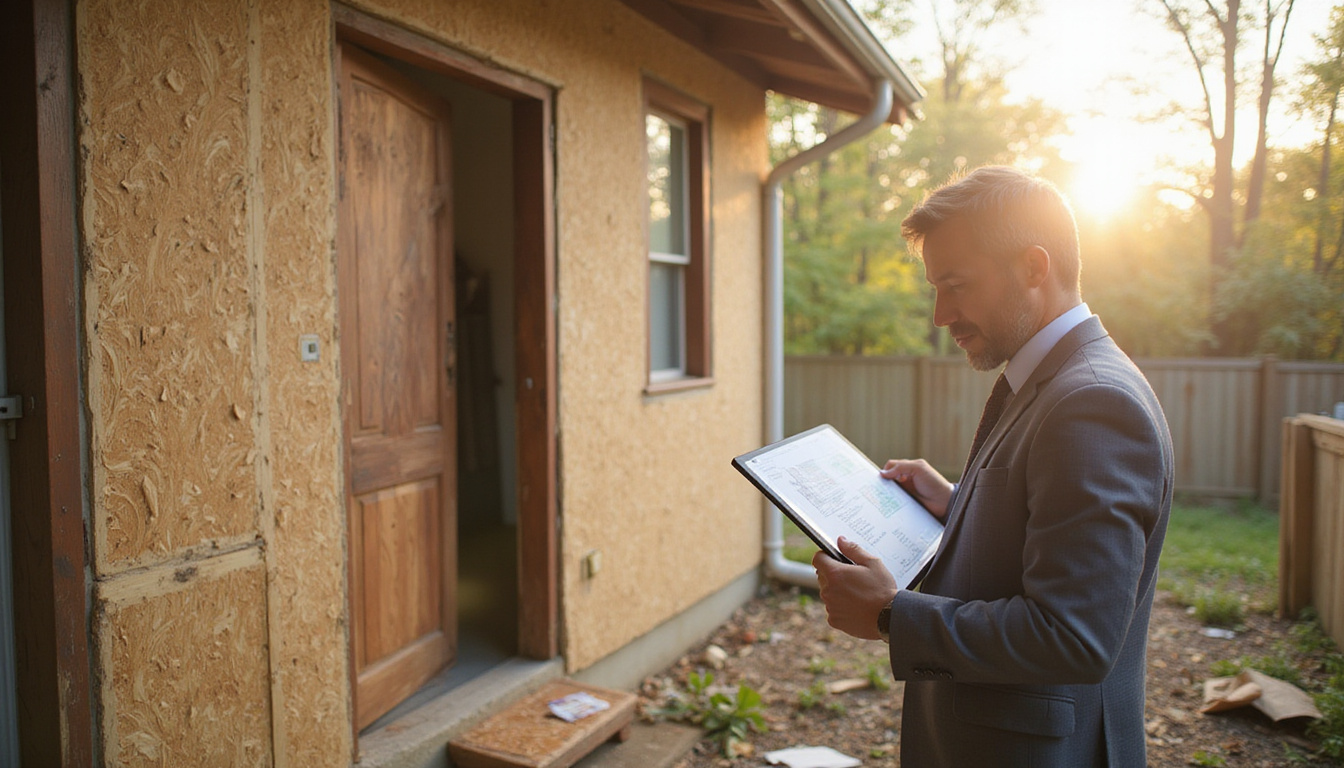
Foreclosed properties have long attracted investors and homebuyers looking for bargains, but turning these distressed assets into real profits takes more than just bidding low. You need a clear strategy, solid due diligence, and realistic expectations about risks and returns. In this guide, you’ll learn how foreclosed properties work, where to find them, and step‑by‑step strategies to buy low, manage risk, and maximize profit—whether you’re in Egypt, Europe, or North America.
What Are Foreclosed Properties and How Do They Work?
Foreclosed properties are homes or buildings repossessed by a lender (usually a bank) after the owner fails to make mortgage payments. When a borrower defaults, the lender follows a legal process to recover the outstanding loan balance by taking ownership and selling the property.
Common stages and types of foreclosures include:
- Pre‑foreclosure: The borrower has fallen behind; the property hasn’t yet been seized.
- Auction (foreclosure sale): The property is sold at a public auction, often to the highest cash bidder.
- REO (Real Estate Owned): The bank takes ownership after the auction fails or has no acceptable bids.
- Government or institutional foreclosures: Properties repossessed by government housing agencies or large financial institutions.
Investors target foreclosed properties because lenders are often motivated to sell quickly to recover their losses, creating opportunities to buy below market value.
Why Foreclosed Properties Can Be a Profitable Strategy
If approached strategically, foreclosed properties can offer:
Discounted Purchase Prices
Banks and lenders focus on recouping their loan balance, sometimes accepting less than full market value. Discounts of 10–30% are common in many markets, and deeper discounts appear in weak or oversupplied areas.Built‑In Equity from Day One
Buying at a discount means instant equity—if the property is structurally sound and the area is stable or growing. For example, purchasing a property worth $200,000 for $150,000 creates $50,000 of potential equity before renovation.Multiple Exit Strategies
You can:- Renovate and resell (“flip”)
- Renovate and rent (long‑term or short‑term)
- Hold as a passive, income‑producing asset
- Combine rental income with long‑term price appreciation
Portfolio Diversification
For investors with existing traditional properties, buying foreclosed properties can lower your overall acquisition cost per unit and improve average returns.
Key Risks of Buying Foreclosed Properties
Every potential reward comes with risk. Foreclosed properties can be profitable, but they are not guaranteed wins. Important risks include:
Property Condition Unknowns
Many foreclosed properties are sold “as is.” Former owners may have deferred maintenance or intentionally damaged the property. Hidden issues—structural defects, plumbing, wiring, or mold—can sharply increase your renovation budget.Title and Legal Problems
Unpaid taxes, liens, ownership disputes, or issues with building permits can delay or even derail your plans.Financing Challenges
Some foreclosures, especially at auction, must be bought with cash or very fast financing. Traditional mortgages may not be available for severely distressed properties.Market and Location Risk
A “cheap” deal is only attractive if the neighborhood’s fundamentals are solid (rental demand, employment, infrastructure, future development). Overpaying in a weak area is worse than paying fair value in a strong one.
Balancing opportunity and risk starts with education, patience, and a structured buying process.
Where to Find Foreclosed Properties
Effective investors build systems to consistently find and evaluate foreclosure deals. Here are the main sources:
1. Bank and Lender Listings
Many banks and mortgage companies list their REO inventory:
- Check bank websites under “Real Estate Owned” or “Foreclosures.”
- Build relationships with bank asset managers or REO departments.
- Ask local bank branches if they maintain lists of available properties.
2. Government and Institutional Platforms
In some countries, government agencies auction foreclosed properties through public platforms. For example, the U.S. Department of Housing and Urban Development lists foreclosed homes online (source: HUD.gov).
In Egypt and other Middle Eastern markets, foreclosed or distressed sales may appear via:
- Public auction announcements
- Official gazettes or court publications
- Government housing authorities and banks with mortgage programs
3. Real Estate Portals and Agencies
Many major property websites have filters for distressed or bank‑owned properties. Local agents who specialize in foreclosed properties can give early access and help you navigate procedures and paperwork.
4. Auctions (Court or Private)
Courts, municipalities, and private auction houses often handle sales of foreclosed properties. Check:
- Court bulletin boards or websites
- Auction house calendars
- Legal notices in newspapers and official journals
5. Networking and Local Contacts
Lawyers, notaries, property managers, and developers often hear about troubled loans or upcoming foreclosures before they become public. Cultivating these relationships can give you a significant edge.
Step‑by‑Step Strategy to Buy Foreclosed Properties Smartly
To buy low and profit, you need a disciplined process. Here’s a practical roadmap:
Step 1: Define Your Investment Criteria
Before looking at deals, be clear on:
- Target locations (city, neighborhood, proximity to transport/work hubs)
- Property type (apartments, villas, mixed‑use, commercial)
- Budget and financing (cash vs. leverage, renovation funds)
- Strategy (flip vs. long‑term rental vs. hybrid)
- Minimum return metrics (e.g., 8–10% net rental yield or 15–20% projected ROI on a flip)
Having clear criteria keeps you from being distracted by “cheap” but unsuitable properties.
Step 2: Research Local Foreclosure Laws and Processes
Foreclosure procedures vary significantly by country and sometimes by region:
- Non‑judicial vs. judicial foreclosures
- Right of redemption (former owners may have a period to reclaim the property)
- Rules around auctions, deposits, and payment deadlines
- Tenant rights and eviction procedures
If you’re considering foreclosed properties in Egypt or any unfamiliar market, consult a local real estate attorney to explain timelines, risks, and your obligations.
Step 3: Analyze the Deal (Numbers First)
Always run the numbers before falling in love with a property:
Estimate After‑Repair Value (ARV)
Use recent sales of similar, renovated properties in the same area.Estimate Renovation Costs
Get rough quotes from contractors or use local cost benchmarks per square meter/foot.Calculate All Acquisition Costs
Include:- Taxes and fees
- Legal costs
- Auction or agency commissions
- Holding costs (utilities, insurance, interest)
Run Return Scenarios
- For flips: ARV – (purchase + renovation + costs) = profit
- For rentals: project gross rent, subtract all expenses, and calculate net yield and cash‑on‑cash return
If it doesn’t work on paper, it won’t work in real life.
Step 4: Inspect the Property Thoroughly (When Possible)
For REOs or pre‑foreclosures, aim to inspect in person with:
- A contractor or engineer to spot structural and systems issues
- A property manager (if planning to rent) to give rental estimates and tenant feedback
For auction properties, inspections are sometimes limited. In that case:
- Walk the exterior multiple times at different hours.
- Talk to neighbors about the property’s history.
- Factor in a contingency buffer (often 15–25% of renovation budget) for unknowns.
Step 5: Conduct Title and Legal Due Diligence
Before committing, have a real estate attorney or title company:
- Verify ownership history and chain of title
- Check for liens, unpaid taxes, or encumbrances
- Confirm zoning, building permits, and any violations
- Review auction or sale terms and possible redemption rights
Skipping this step is one of the most expensive mistakes investors make with foreclosed properties.
Step 6: Arrange Financing in Advance
Foreclosure deals often move fast. Prepare:
- Proof of funds or a bank statement for cash purchases
- Pre‑approval from lenders specialized in distressed or investment properties
- A clear funding plan for renovation (savings, partner capital, or renovation loans)
In some markets, smaller local banks or private lenders are more flexible with foreclosed properties than large, traditional institutions.
Step 7: Bid or Negotiate Strategically
For auctions:
- Set a firm maximum bid based on your calculations and never exceed it.
- Consider how many bidders are present and whether they appear experienced.
- Be ready with the required deposit and payment schedule.
For bank‑owned or listed foreclosed properties:
- Start below your maximum price to leave room for negotiation.
- Use your cash readiness and quick closing as leverage.
- Justify your offer with repair estimates and comparable sales.
Step 8: Plan Renovation and Exit from Day One
As soon as you secure the deal:
- Finalize a renovation scope of work and timeline.
- Collect multiple contractor bids and vet references.
- Obtain necessary permits before starting major work.
- Decide early whether you’ll sell, rent, or lease‑option the property.
Time is money with foreclosed properties—every extra month of holding can erode your profit.
Practical Tips to Maximize Profit with Foreclosed Properties
To turn discounted purchases into solid returns:
Specialize in a Few Target Areas
You’ll learn true market values, renovation expectations, and tenant profiles, giving you a major edge over generalist investors.Systematize Your Deal Flow
Set up alerts on portals, check auction calendars regularly, and maintain touchpoints with banks and agents who handle foreclosures.Use Conservative Assumptions
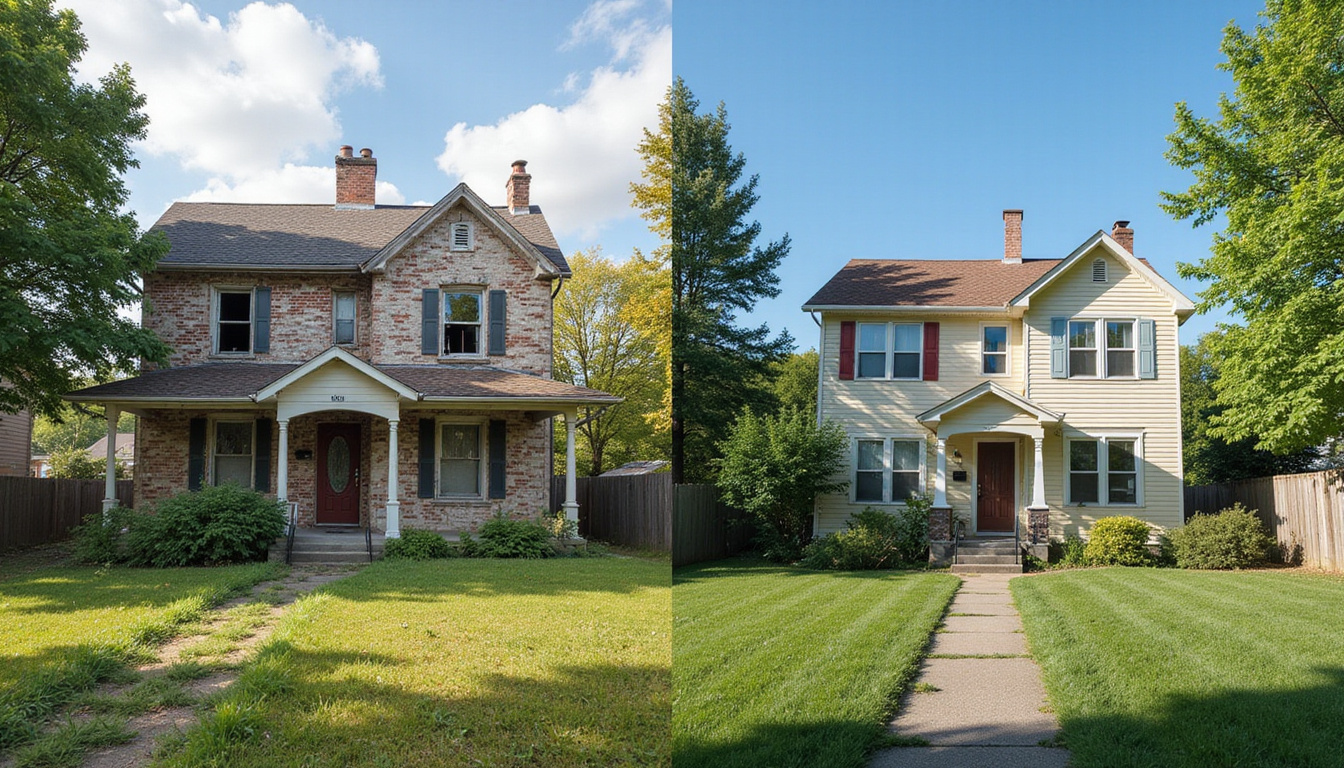
Underestimate future selling prices and rents slightly; overestimate repair costs and holding time. If the deal still works, you’re in a strong position.Add Value Strategically
Focus on improvements that boost value the most:- Kitchens and bathrooms
- Functional layouts and added bedrooms
- Light, ventilation, and curb appeal
- Energy efficiency upgrades where buyers value them
Think Beyond Flips
In many cities, renovating and holding foreclosed properties as rentals can be more profitable and less risky over time than quick resales.
For a personal look at living costs and everyday realities that affect rental and resale demand, this video is a useful perspective:
Checklist: Before You Buy Any Foreclosed Property
Use this quick checklist to avoid major pitfalls:
- [ ] Clear investment criteria and target area defined
- [ ] Local foreclosure laws understood (or explained by an attorney)
- [ ] Detailed financial analysis completed (ARV, costs, returns)
- [ ] Property inspected (or risk premium added if not)
- [ ] Title search and legal due diligence completed
- [ ] Financing or proof of funds ready
- [ ] Maximum bid/offer set in advance
- [ ] Renovation plan and contractor lined up
- [ ] Exit strategy (sell or rent) clearly defined with timelines
FAQs About Buying Foreclosed Properties
1. Are foreclosed properties always cheaper than regular listings?
Not always. While foreclosed properties are often discounted, some banks overprice them initially or markets become so competitive that bids push prices close to market value. You must compare against recent sales data, not just assume a foreclosure is a bargain.
2. How can I find bank‑owned and repossessed properties safely?
Look for bank REO sections on major banks’ websites, reputable real estate portals with a “distressed” filter, and recognized auction houses. Always verify titles and use a qualified attorney or notary to ensure repossessed properties are legally transferable and free of hidden claims.
3. Is it better to flip foreclosed homes or hold them as rentals?
The best strategy depends on your market and goals. In fast‑rising areas with strong buyer demand, flipping can provide quick profits. In stable or high‑rent areas, renovating and holding foreclosed properties as rentals can generate steady cash flow and long‑term appreciation. Many successful investors do both, depending on the deal.
Turn Foreclosed Properties into a Profitable Portfolio
Foreclosed properties can be a powerful way to accelerate your real estate portfolio—if you treat them as a professional investment strategy rather than lottery tickets. By narrowing your focus to a few areas, doing meticulous due diligence, and running conservative numbers, you can buy low while managing risk and steadily building wealth.
If you’re serious about profiting from foreclosed properties, now is the time to act: start tracking your local foreclosure pipeline, speak with a knowledgeable real estate attorney, and connect with agents or banks that handle distressed inventory. With preparation and the right partners, your next foreclosed purchase can be the foundation of a highly profitable, sustainable investment strategy.