

Gated communities have become one of the most talked‑about residential trends in Egypt and around the world. Whether you’re eyeing a luxury compound in New Cairo, a coastal project on the North Coast, or a family‑oriented enclave in 6th of October City, gated communities promise security, privacy, and lifestyle perks. But are they really worth the extra cost and the compromises in convenience?
This guide breaks down the real pros, cons, and hidden factors so you can decide whether life behind the gate fits your priorities and budget.
What Exactly Are Gated Communities?
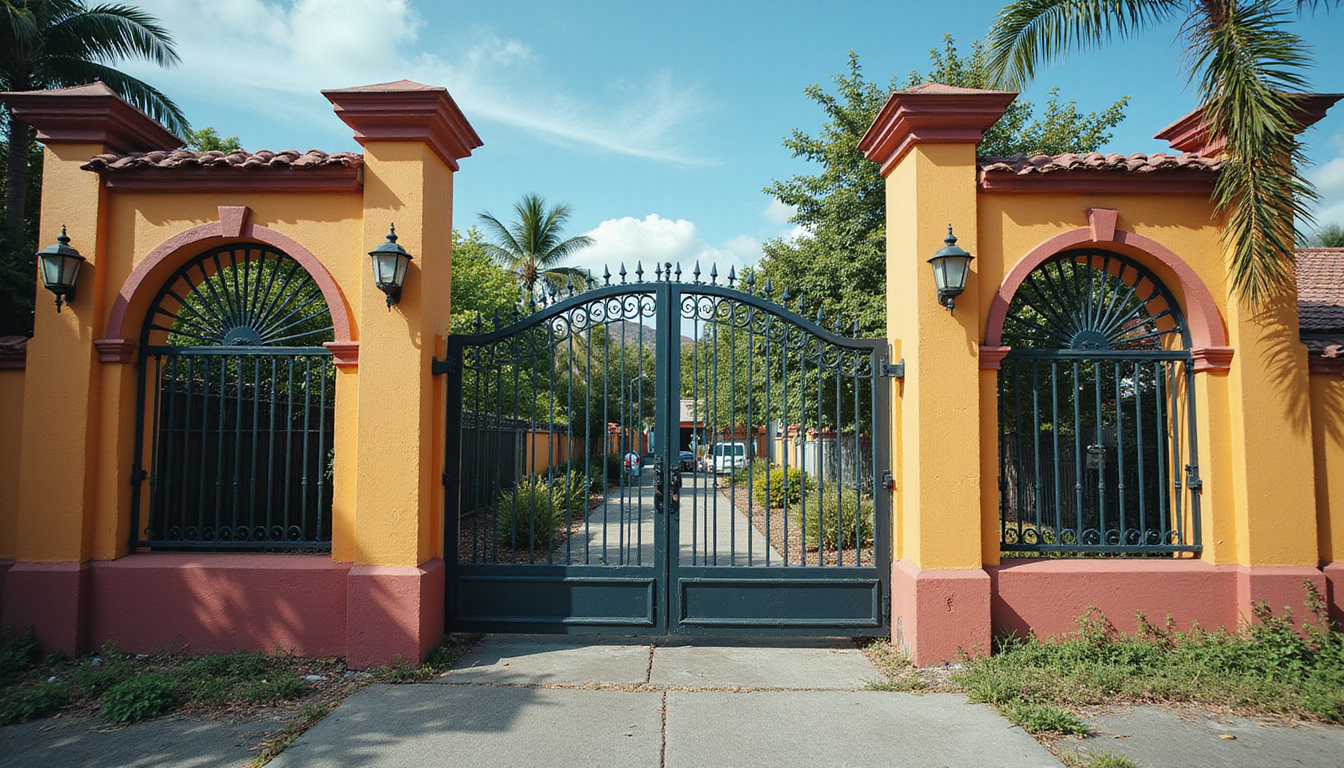
Gated communities are residential developments that control access through gates, security checkpoints, or walls. They can range from modest clusters of villas and townhouses to full‑scale compounds with:
- 24/7 security guards and CCTV
- Internal roads and landscaped areas
- Shared facilities like pools, gyms, clubs, and playgrounds
- Retail areas, clinics, and sometimes schools within the boundary
In Egypt, you’ll find gated communities in hotspots like:
- New Cairo and the New Administrative Capital
- Sheikh Zayed and 6th of October City
- New Alamein and North Coast resorts
- Red Sea destinations like El Gouna and Sahl Hasheesh
The appeal is clear: a controlled environment designed to offer comfort, status, and a sense of escape from congested urban cores.
The Core Promise: Security and Peace of Mind
For many buyers, the first reason to choose gated communities is security. Developers know this and invest heavily in safety features such as:
- Controlled entry points with ID or car stickers
- Visitor registration and access logs
- On‑site security teams and patrols
- Surveillance cameras and, in high‑end projects, smart security systems
This setup can reduce petty crime, unauthorized access, and traffic chaos inside the community. Families with children often feel more at ease letting kids move around freely within the compound.
However, it’s important to be realistic: gates reduce risk; they don’t eliminate it. Crime and disputes can still occur, and you’re also dependent on the management company’s competence. Before buying, ask:
- How experienced is the security contractor?
- What is the incident record?
- Are there clear protocols for emergencies?
Security is a major plus, but it shouldn’t be taken on faith—verify it as you would any other service.
Lifestyle and Amenities: A “City Within a City”
One of the strongest attractions of gated communities is the lifestyle package. Instead of just buying a home, you’re buying into a curated environment.
Common amenities include:
- Clubhouses and community centers
- Swimming pools and gyms
- Sports courts and jogging tracks
- Kids’ play areas and nurseries
- On‑site supermarkets, cafés, and restaurants
- Green spaces, lakes, and walking paths
In Egypt’s newer compounds, it’s increasingly common to see:
- International schools
- Medical clinics
- Business hubs and co‑working spaces
- Branded residences with hotel‑style services
This “all in one place” approach can dramatically cut your daily travel, especially if your kids’ schools, sports training, and basic shopping needs are inside the gate.
For a sense of how this lifestyle integrates with real‑world costs, many people find it useful to watch personal experiences like “The Real Cost of Living In Egypt 2025” on YouTube:
The Financial Question: Are Gated Communities Worth the Price?
Cost is where the debate gets serious. Gated communities almost always come at a premium compared to non‑gated neighborhoods, both in Egypt and globally.
Upfront Costs
You’ll usually pay more per square meter because you’re buying:
- A share in common facilities and land
- Brand value of the developer
- Location advantages (e.g., proximity to business hubs or coastal areas)
Higher initial prices can be justified if:
- The project is in a strategically growing area
- The developer has a solid track record
- You expect strong resale or rental demand
Ongoing Fees
Beyond the purchase price, gated communities come with recurring costs:
- Maintenance fees for landscaping, lighting, roads, and cleaning
- Clubhouse or community membership fees
- Fees for garbage collection and security
- Special assessments for upgrades or major repairs
Before committing, insist on:
- A written breakdown of all recurring fees
- Rules on how and when fees can be increased
- Historical fee increases in similar projects by the same developer
Even if you can afford the monthly fees today, consider how they might impact your budget over 5–10 years, especially if you’re planning retirement or a lower‑income phase later.
Investment and Resale: Do Gated Communities Hold Value?
In many Egyptian cities, gated communities have become the default choice for middle‑ and upper‑middle‑income buyers and expats. That demand creates some clear investment patterns:
Potential Advantages:
- Stronger resale demand among families and foreign buyers
- Faster liquidity in popular areas like New Cairo or Sheikh Zayed
- Higher rental yields in well‑located, amenity‑rich projects
Potential Risks:
- Oversupply in certain areas can flatten price growth
- Poor management can damage reputation and values
- Aging compounds that don’t maintain facilities may lose their premium
Your investment outcome will depend heavily on:
- Location (near jobs, transport, and services)
- Developer and operator quality
- The long‑term development plan of the surrounding area
Checking official planning and infrastructure news from government sources, such as Egypt’s Ministry of Housing and New Urban Communities Authority, can help you judge which districts are poised for growth (source: ministry official portal – Arabic).
The Hidden Costs of Convenience
While gated communities market themselves as “convenient,” the reality can be mixed.
Distance and Commuting
Many compounds are located outside older city centers to secure large land parcels. This can mean:
- Longer daily commutes to work or university
- More reliance on private cars and ride‑hailing apps
- Higher transportation costs and more time in traffic
Public transport connectivity is often limited, though this is gradually improving as new cities develop.
Everyday Errands
If your compound is fully serviced, you may find almost everything on‑site—but at a price:
- Internal supermarkets and cafés may be more expensive
- Service providers might have limited competition
- Visitor access rules can complicate simple things like having a plumber or contractor come in
Ask residents how easy it is to:
- Get deliveries
- Receive guests
- Access off‑compound services like specialized clinics or government offices
“Convenience” sometimes means convenience inside the gate, but extra friction outside it.
Social Life, Community, and Sense of Belonging
Gated communities often promote a certain lifestyle and social environment. That can be positive—but it’s not for everyone.
Pros
- A closer‑knit community, especially for families with children
- Shared facilities that encourage interaction (clubs, sports, events)
- A generally quieter, cleaner, and more organized environment
Cons
- Potential social homogeneity and less diversity
- Rules and regulations that may feel restrictive (noise, pets, renovations, parking)
- Feeling “detached” from wider city life and local culture
If you value privacy, order, and predictability, gated communities can be appealing. If you enjoy the energy and spontaneity of traditional neighborhoods—street markets, informal cafés, and dense social networks—you may find compound life a bit sterile.
Rules, Restrictions, and Property Rights
When you buy into gated communities, you’re also accepting a private regulatory framework, often stricter than general municipal rules.
Common regulations include:
- What you can change on your façade or balcony
- Limits on noise, parties, and commercial activity
- Pet ownership rules
- Parking policies for you and your visitors
These rules can:
- Protect your investment by preventing neighbors from devaluing the community with poor behavior or unapproved changes
- Limit your freedom to customize your property or lifestyle
Before signing, read:
- Homeowners’ association (HOA) or community bylaws
- Fines and enforcement policies
- Voting rights and owner participation in decision‑making
You’re not just buying brick and mortar; you’re accepting a governance system.
Checklist: How to Decide if a Gated Community Is Right for You
Use this quick checklist to evaluate whether gated communities fit your priorities:
Security Needs
- Do you feel unsafe in open neighborhoods?
- Are you comfortable relying on private security?
Lifestyle Priorities
- Do you value on‑site amenities (clubs, pools, playgrounds)?
- Is a calm, low‑traffic environment important?
Budget and Fees
- Can you comfortably afford not only the purchase price but long‑term maintenance fees?
- Have you compared costs with similar properties outside gated communities?
Location and Commute
- How long will your daily commute be?
- Are schools, workplaces, and essential services within a reasonable distance?
Social Fit
- Do you prefer a quiet, controlled environment or a more vibrant, traditional neighborhood?
- Are you comfortable with rules and community regulations?
Investment Goals
- Are you buying for living, investing, or both?
- Is the area seeing strong and sustainable demand?
If gated communities align with most of your answers—especially on security, lifestyle, and budget—they may be worth the premium.
Alternatives to Gated Communities
If you’re uncertain, consider these alternatives:
- Well‑planned open neighborhoods with good municipal services and building standards
- Older, central districts that offer strong infrastructure and walkability
- Smaller, semi‑gated clusters with some security but fewer facilities and lower fees
- Row houses or apartments in mixed‑use developments that blend residential and commercial spaces without full gating
Sometimes a non‑gated but well‑located and well‑built property can provide better long‑term value, especially if you prefer city life and lower recurring costs.
FAQs About Gated Communities
1. Are gated communities safer than regular neighborhoods?
Gated communities typically offer enhanced security through controlled access, private guards, and surveillance. This often reduces opportunistic crimes like theft and unauthorized entry. However, safety also depends on management quality, resident behavior, and the surrounding area. No setup can guarantee total security.
2. Do gated community homes have better resale value?
Homes in popular gated communities can enjoy strong resale value and high demand, especially among families and expats. That said, value is driven by location, developer reputation, maintenance quality, and market conditions. Not all gated communities perform equally, so research specific projects rather than assuming all will deliver superior returns.
3. What ongoing costs should I expect in a gated community?
Typical ongoing costs in gated communities include monthly or quarterly maintenance fees, clubhouse or facility membership charges, security and cleaning contributions, and occasional special assessments for major upgrades. Always request a detailed fee schedule and ask existing residents whether fees have increased significantly over time.
So, Are Gated Communities Worth It?
Gated communities can absolutely be worth the cost if they match your lifestyle, security expectations, and financial capacity. They offer:
- Enhanced security and controlled access
- High‑quality amenities and green spaces
- A calmer, more organized environment
- Solid demand from certain buyer and tenant groups
But they also come with:
- Higher purchase prices and ongoing fees
- Potentially longer commutes and limited public transport
- Rules and restrictions that may not suit everyone
The “right” answer is personal. If you carefully evaluate your needs, visit multiple projects, speak to current residents, and study long‑term costs, you’ll be in a strong position to decide.
Ready to Explore Your Options?
If you’re considering a move to or within Egypt and are weighing gated communities against other neighborhoods, now is the time to get informed and compare real projects. Review locations, fee structures, and amenities; walk the compounds at different times of day; and talk openly with residents about their daily experiences.
When you’re ready, consult a trusted real estate advisor who understands both gated and non‑gated options in your target area. With expert guidance and clear priorities, you can choose a home that balances cost, convenience, and lifestyle—whether that leads you behind the gate or to a vibrant open neighborhood.