
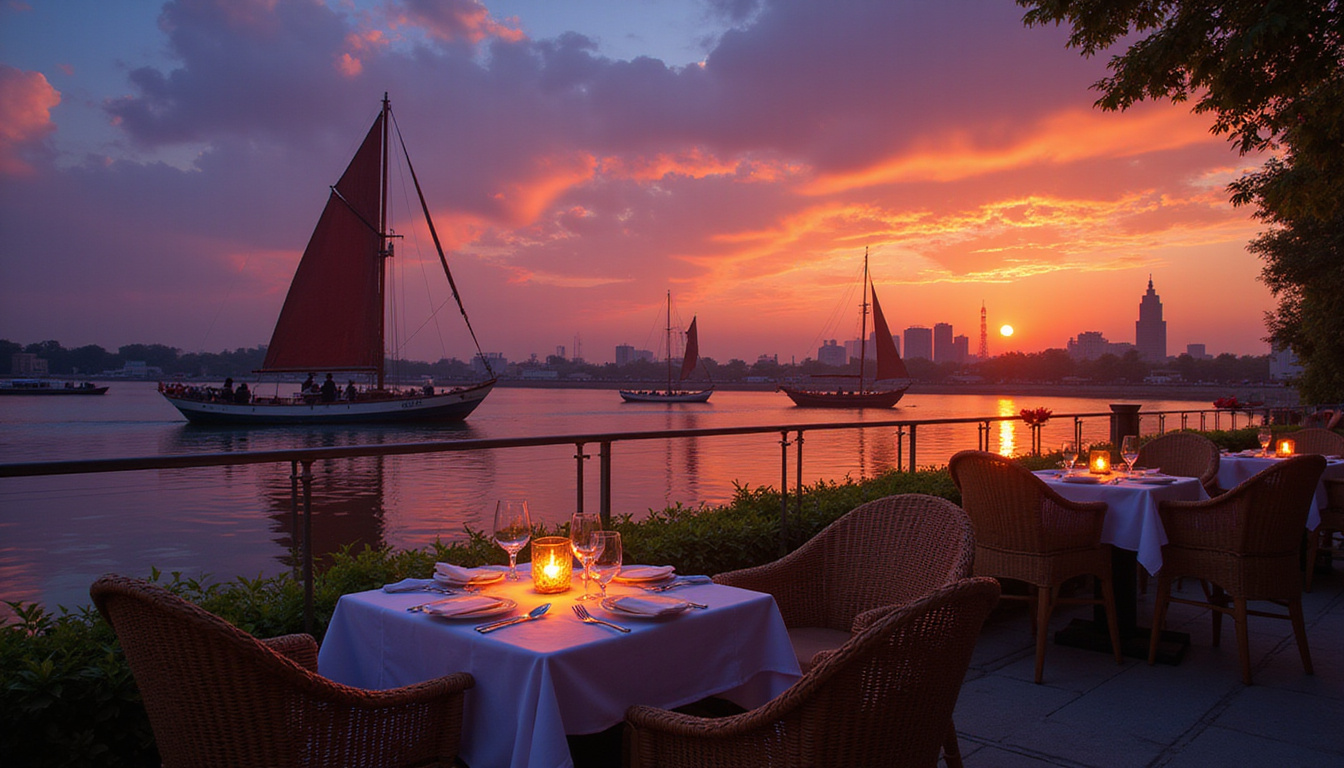
The Nile waterfront is the beating heart of many Egyptian cities, from cosmopolitan Cairo to relaxed Luxor and Aswan. Whether you’re visiting Egypt for the first time, considering a longer stay, or even exploring real estate along the river, understanding what the Nile waterfront offers in terms of dining, cruises, and views will transform your experience.
This guide walks you through the best riverfront spots, how to choose the right cruise, where to eat and drink with a view, and what to expect day and night along the legendary Nile.
Why the Nile Waterfront Is So Special
The Nile isn’t just a river; it’s the lifeline that shaped Egyptian civilization. Today, the Nile waterfront blends ancient heritage with modern living:
- Historic bridges, islands, and promenades in central Cairo
- Floating restaurants and luxury hotels hugging the riverbanks
- Cruise boats ranging from budget-friendly to ultra-luxury
- Quiet, scenic stretches in Upper Egypt with temples as a backdrop
According to Egypt’s Ministry of Tourism and Antiquities, the Nile corridor is one of the country’s most visited zones, thanks to its mix of culture, nightlife, and heritage (source: Egypt Tourism Portal).
Key Nile Waterfront Cities and Neighborhoods
Different parts of the Nile waterfront offer distinct atmospheres. Here’s how the main hubs compare.
Cairo: Energetic and Urban
Cairo’s Nile corniche is busy, bright, and buzzing with traffic and nightlife.
Notable riverfront areas:
- Zamalek (Gezira Island): Leafy, upscale, loaded with restaurants, embassies, and boutique hotels. Great for walkable river views and quieter streets.
- Garden City: Historic, elegant district with embassies, classic architecture, and some of Cairo’s best riverfront hotels.
- Downtown Corniche (Corniche El Nil): Lined with office towers, iconic hotels, and lots of cruise and felucca departure points.
- Maadi Corniche: More relaxed, popular with expats, with a growing collection of cafes and casual dining spots on or near the water.
Luxor: Heritage on the Water
Luxor’s Nile waterfront is calmer, framed by ancient temples:
- East Bank corniche with views of Luxor Temple
- Easy access to felucca rides at sunset
- Many Nile cruise ships embark/disembark here for trips to Aswan
Aswan: Scenic and Laid-Back
Aswan has arguably the most beautiful stretches of the Nile:
- Rocky islands, palm trees, and traditional Nubian villages
- Wide, uncrowded promenades in parts of the city
- A quieter pace, with strong local culture and excellent river views
Best Nile Waterfront Dining Experiences
Dining along the Nile ranges from street-side koshary to rooftop fine dining. The decision often comes down to whether you prefer:
- Floating restaurants (on boats or floating platforms)
- River-view rooftops with panoramic cityscapes
- Corniche cafes at street level, ideal for people-watching
Cairo: Where to Eat with Nile Views
While specific venues change frequently, certain stretches of the Nile waterfront are reliable for dining:
- Zamalek north shore: Home to several anchored dining boats offering Egyptian and international cuisine. You get close-up water views and a more insulated feel from traffic.
- Garden City / Downtown hotels: Many 4–5-star hotels have signature restaurants and terraces that look directly over the Nile—great for special occasions.
- Maadi Corniche: More casual, with cafes and family-friendly eateries. Ideal if you want a laid-back evening by the water without downtown chaos.
Typical Nile-front menus often include:
- Grilled meats and mixed grills
- Fresh fish and seafood
- Classic Egyptian dishes (koshary, molokhia, stuffed vegetables)
- International comfort food (pizzas, burgers, pastas)
Luxor and Aswan: Simpler but Scenic
In Luxor and Aswan, the dining scene on the Nile waterfront is less about glamour and more about atmosphere:
- Smaller, family-run restaurants along the corniche
- Terraces serving grilled fish, tagines, and mezze
- Tea and shisha cafes where you linger for the view, not the decor
Expect slower, more relaxed service and big portions, especially in tourist-oriented riverfront spots.
Nile Cruises vs. Feluccas vs. Floating Restaurants
The Nile waterfront supports a wide range of boat-based experiences. Choosing the right one depends on time, budget, and what you want out of your river time.
1. Multi-Day Nile Cruises (Luxor–Aswan)
These are the classic Nile river cruises that last 3–7 nights and include:
- Cabins with private bathrooms
- All or most meals included
- A guided schedule of temple visits (Karnak, Edfu, Kom Ombo, Philae, etc.)
- Sun decks with pools or loungers
They typically operate between Luxor and Aswan, and are ideal if you want a combined accommodation + sightseeing package anchored around the Nile.
2. Short Dinner or Lunch Cruises (Primarily Cairo)
Short cruises are popular along the Cairo Nile waterfront:
- 2–3 hours on the water
- Buffet dinner or set menus
- Live entertainment (belly dancing, traditional tanoura shows, sometimes live music)
- Nighttime cityscape views and illuminated bridges
These are easy to book for the same evening and are a classic tourist experience, especially for first-time visitors.
3. Felucca Rides: Traditional and Peaceful
Feluccas are small, traditional wooden sailboats:
- Usually 1–2 hours, often at sunset
- No loud music, just the sound of water and city in the background
- Can be private (just your group) or shared, depending on price and negotiation
Best in Cairo, Luxor, and Aswan where wind conditions are favorable and the river is wide. Feluccas offer the most “authentic” feel of being on the Nile without the commercial entertainment.
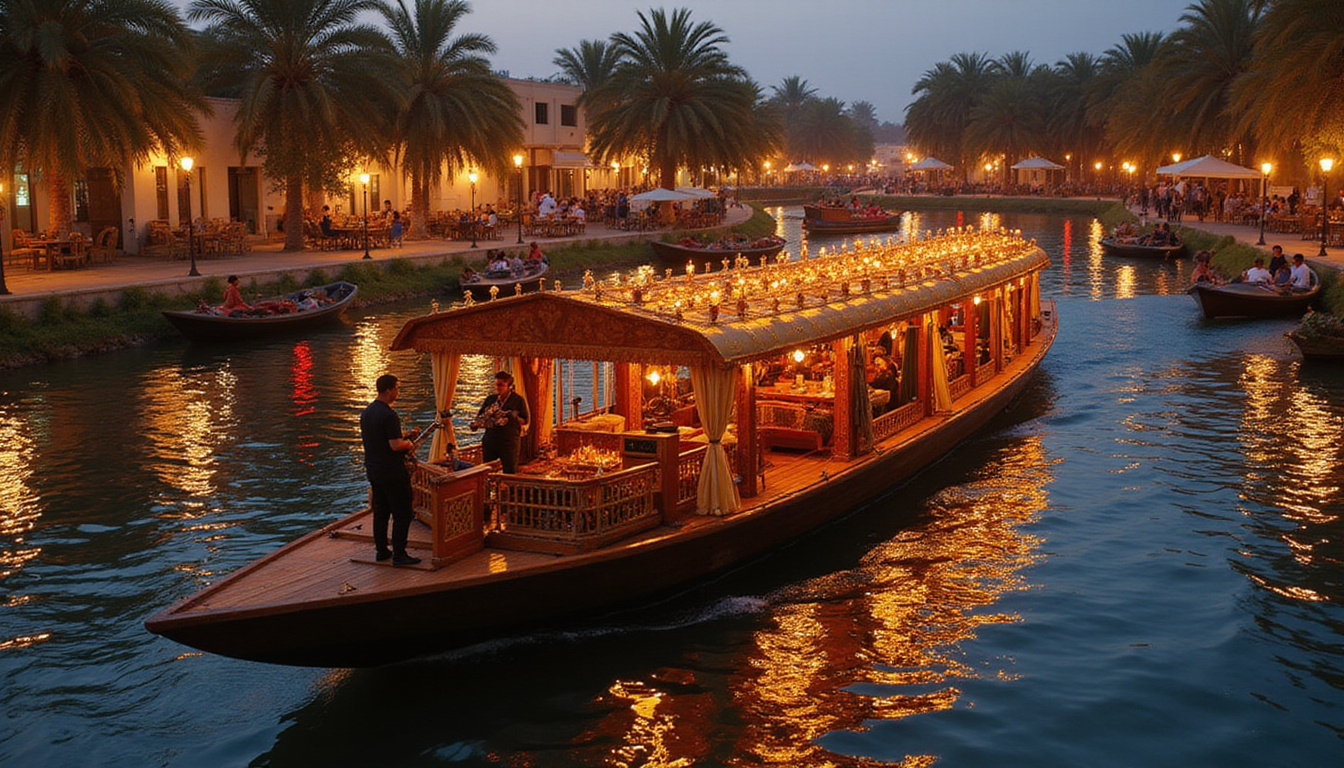
4. Floating Restaurants and Cafes
Floating restaurants don’t usually move—they are anchored along the Nile waterfront:
- You get the sensation of being on the river, without committing to a cruise
- No motion issues for those prone to seasickness
- Flexible timing: drop in for a drink, lunch, or a long dinner
How to Choose the Right Nile Waterfront Experience
Here’s a quick comparison to help you decide:
Time Available
- Only a few hours?
- Cairo dinner cruise or felucca ride.
- Half a day or more?
- Combine a riverside lunch with a sunset felucca.
- Several days?
- Consider a full Nile cruise between Luxor and Aswan.
- Only a few hours?
Budget
- Lowest cost: Felucca rides (negotiated per hour).
- Mid-range: Short dinner cruises, modest floating restaurants.
- Higher-end: Luxury floating restaurants and major-brand hotel terraces.
- Premium: 5-star multi-day Nile cruises with included excursions.
Atmosphere
- Quiet and romantic: Felucca at sunset or a hotel terrace.
- Lively and touristy: Dinner cruise with live shows.
- Family-friendly: Casual corniche cafes or floating restaurants.
Best Times of Day on the Nile Waterfront
The experience along the Nile waterfront changes dramatically depending on the hour.
Morning: Calm and Clear
- Cooler temperatures (especially from October to April)
- Clearest air for photography
- Great time for breakfast on a terrace or a calm walk along the corniche
Afternoon: Bright and Busy
- Hottest part of the day, especially in summer
- Good for air-conditioned lunch spots with big windows overlooking the river
- River traffic is steady, but not at its peak
Sunset: Golden Hour Magic
- The most popular time for felucca rides
- Iconic golden light hitting the city and water
- Ideal for relaxed, romantic views and photography
Night: Lights and Nightlife
- Cairo’s bridges and towers light up, reflecting on the Nile
- Prime time for dinner cruises and floating restaurant visits
- More traffic and noise, but also the fullest nightlife experience on the water
Practical Tips for Enjoying the Nile Waterfront
A bit of planning goes a long way when exploring the Nile.
- Book popular dinner cruises in advance, especially on weekends and holidays.
- Check what’s included: Some cruises include soft drinks, others charge extra; some are buffet-only.
- Dress code is generally smart-casual for mid/high-end Nile restaurants and cruises; simpler for feluccas and casual cafes.
- Avoid pushy touts: It’s fine to negotiate a felucca on the spot, but compare a couple of offers along the same stretch before agreeing.
- Carry small cash for tips to boat crew, musicians, and service staff.
- Mind the weather: In winter, evenings on the river can be chilly; in summer, plan for late evening when it cools down a bit.
Safety and Comfort Along the Nile Waterfront
The busy parts of the Nile waterfront in Cairo, Luxor, and Aswan are well-trodden by tourists and locals.
- Use reputable operators for cruises; ask your hotel or a trusted local contact for recommendations.
- Life jackets are available on licensed boats—if you don’t see them, ask.
- Watch your belongings, particularly on crowded dinner cruises and corniche walks.
- Motion sickness is rarely an issue on the calm Nile, but if you’re sensitive, choose a large boat or static floating restaurant.
For a candid, first-hand perspective on relocating and living close to the Nile, this video is useful:
Things I Wish I Knew Before Moving to Egypt – My Honest Experience
What About Living or Staying Along the Nile Waterfront?
If you’re considering a hotel, rental, or even long-term living near the river:
- Hotels on the Nile: Often the easiest way to guarantee a great view; many rooms and lounges directly face the water.
- Short-term rentals: Apartments in Zamalek, Garden City, and parts of Maadi can offer river views at varying price points.
- Real estate: Newer residential compounds and developments are increasingly advertising “Nile view” apartments and penthouses. Prices reflect the view and proximity to central bridges and services.
When evaluating riverfront properties:
- Confirm if the view is direct or partial.
- Check for noise levels from traffic and cruise boats at night.
- Ask about security, parking, and flood protections in newer developments.
FAQs About the Nile Waterfront
1. Is the Nile waterfront in Cairo safe to visit at night?
Yes, the main Nile waterfront in Cairo—especially around Zamalek, Garden City, and the downtown corniche—is generally safe and busy into the late evening. Normal city precautions apply: stay in well-lit, populated areas, keep valuables secure, and use licensed taxis or ride-hailing apps to get back to your accommodation.
2. How much does a felucca ride on the Nile waterfront usually cost?
Prices vary by city, duration, and your negotiation skills. For a private felucca on the Cairo Nile waterfront, expect a per-hour rate that you can share among your group. In Luxor and Aswan, rates can be slightly lower. Always agree on the full price and duration before you step aboard.
3. What’s the best time of year to enjoy Nile waterfront cruises and dining?
From October to April, temperatures are most comfortable along the Nile riverfront, with cool evenings and pleasant days. Summer (June–August) can be very hot, especially in Upper Egypt, so stick to early mornings and late evenings for cruises and outdoor dining.
Ready to Experience the Nile Waterfront for Yourself?
The Nile waterfront is more than a postcard view—it’s a living, dynamic corridor where Egypt’s past and present meet. From serene sunset feluccas and lively dinner cruises to quiet corniche walks and luxurious riverfront suites, there’s a Nile experience for every traveler and lifestyle.
If you’re planning a trip, start mapping your must-see waterfront neighborhoods and pre-book at least one cruise or riverside dinner. And if you’re exploring a longer stay or property near the Nile, focus on areas that balance views, convenience, and daily comfort.
Whatever your plans, make room for the river. The Nile has shaped Egypt for millennia—and a well-planned day or night on the Nile waterfront will likely be one of your strongest memories of the country.