
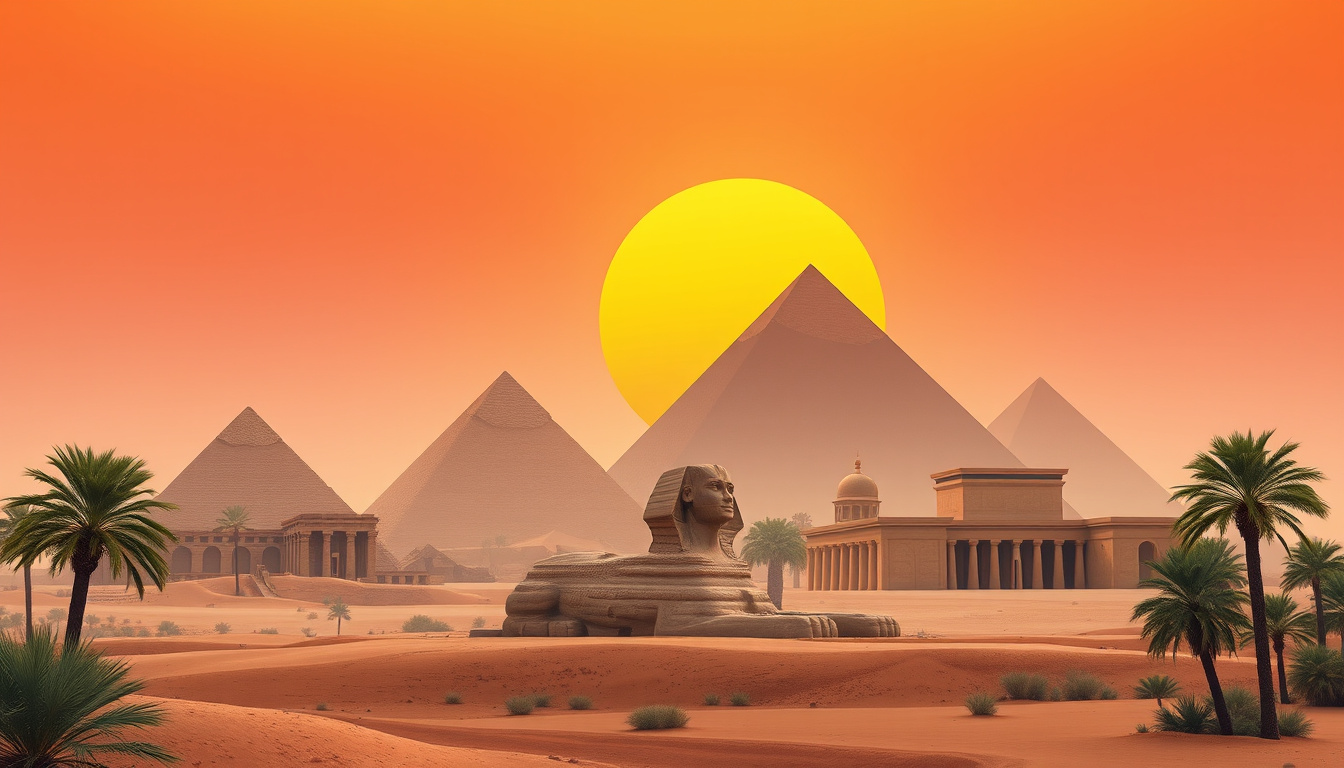
Egypt, often hailed as the cradle of civilization, beckons travelers with its incredible history, majestic monuments, and diverse natural landscapes. From its iconic pyramids to tranquil oases and vibrant coastal resorts, Egypt offers a unique blend of ancient marvels and natural beauty that continues to captivate visitors worldwide. In this article, we explore the top 10 must-visit destinations in Egypt that every traveler should experience.
1. Giza: The Legendary Necropolis
Located just outside Cairo, the Giza Necropolis is undoubtedly Egypt’s most famous archaeological site. It houses the legendary Pyramids of Giza—built over three generations for Pharaoh Khufu, his son Khafre, and grandson Menkaure—and the enigmatic Great Sphinx. These colossal structures, dating back over 4,500 years, are architectural marvels and an enduring symbol of Egypt’s ancient civilization.
Besides the grand pyramids, visitors can explore several smaller queen pyramids, causeways, and temples that form part of this impressive necropolis. The site offers invaluable insights into ancient Egyptian religious beliefs and mortuary practices and remains a must-visit landmark for history enthusiasts.
2. Luxor: The Open-Air Museum of Antiquity
Luxor, often regarded as the world’s greatest open-air museum, combines natural beauty with monumental history. Situated along the Nile, Luxor encompasses the modern city on the east bank and the ancient city of Thebes on the west.
Visitors can explore the majestic Karnak and Luxor Temples on the east bank, showcasing stunning columns, statues, and intricate hieroglyphics. On the west bank, the Valleys of the Kings and Queens reveal magnificent tombs of pharaohs and nobles, decorated with vividly preserved wall paintings. Luxor provides a comprehensive glimpse into Egypt’s New Kingdom era and its extensive religious and cultural heritage.
3. Cairo: Egypt’s Bustling Capital
Modern Cairo, located near the Nile Delta, is a vibrant metropolis steeped in history. It acts as a gateway for tourists embarking on river cruises or visits to archaeological sites. The city itself offers a rich cultural experience, ranging from historic Islamic architecture to bustling markets.
One of Cairo’s highlights is the Egyptian Museum at Tahrir Square, home to a world-class collection of artifacts, including treasures from Tutankhamun’s tomb and well-preserved mummies. Exploring Cairo provides a connection between Egypt’s ancient past and its contemporary life.
4. Sharm El Sheikh: The Red Sea Resort Paradise
Sharm El Sheikh, positioned at the southern tip of the Sinai Peninsula, is renowned for its pristine beaches and vibrant coral reefs. This popular resort town appeals to beach lovers, divers, and snorkelers seeking underwater adventures in the clear Red Sea waters.
Beyond the sea, Sharm El Sheikh offers jeep and camel safaris for more adventurous travelers. Excursions to nearby attractions, such as the Colored Canyon and St. Catherine’s Monastery, are also popular. The town’s diverse activities make it a fantastic destination for both relaxation and exploration.
5. Siwa Oasis: A Hidden Cultural Gem
Located near Egypt’s western border, Siwa Oasis offers an enchanting experience marked by natural springs, palm groves, and historical relics. Once culturally isolated, Siwa has recently gained popularity as a peaceful retreat away from bustling cities.
Visitors enjoy wandering the ancient mud-brick fortresses, such as the Shali Fortress, and exploring remnants of the Greco-Roman era. The oasis’s fertile landscape and fresh springs provide a breathtaking contrast to Egypt’s surrounding desert, making it a unique destination for eco-tourism and cultural discovery.
6. Mount Sinai: The Sacred Pilgrimage Site
Nestled in the heart of the Sinai Peninsula, Mount Sinai holds great spiritual significance. It is traditionally believed to be the mountain where Moses received the Ten Commandments. While archaeological evidence is limited, the site remains an important pilgrimage destination.
At the mountain’s base lies the ancient Saint Catherine’s Monastery, established in the 6th century and one of the world’s oldest continuously operating monasteries. The monastery’s rich collection of religious manuscripts and icons adds to its historical and spiritual allure.
7. Alexandria: Egypt’s Mediterranean Jewel
Founded in 331 BCE by Alexander the Great, Alexandria was once a cultural hub and the crossroads of ancient civilizations. Though much of its ancient grandeur, including the famed Library of Alexandria, was lost to time and natural disasters, the city remains a treasure trove of history and culture.
Today, Alexandria features coastal promenades, historic sites, and museums that evoke its rich past. Visitors can stroll along the Mediterranean shoreline and explore landmarks like the Qaitbay Citadel, a 15th-century fortress built on the ancient Pharos Lighthouse’s site.
8. Hurghada: The Vibrant Red Sea Destination
Once a modest fishing village on the Red Sea coast, Hurghada has transformed into a bustling resort town famous for its stunning sandy beaches and diverse marine life. The city boasts over 100 hotels, catering to travelers seeking both relaxation and adventure.
Hurghada is especially popular for scuba diving and snorkeling, showcasing exquisite coral reefs teeming with colorful fish and underwater ecosystems. Its well-developed infrastructure offers numerous leisure and water sport activities, making it a top destination for families and water enthusiasts alike.
9. Dahab: Laid-back Beach and Diving Town
Located along the Gulf of Aqaba, Dahab provides a more relaxed alternative to nearby Sharm El Sheikh. Known for its unbeatable diving spots, particularly the Blue Hole, Dahab attracts divers and free divers from around the world.
The town’s charming beachside cafes and markets offer a laid-back atmosphere, ideal for travelers wanting to unwind amidst stunning desert and sea scenery. Activities such as windsurfing, camel trekking, and jeep safaris add to its appeal.
10. The Sahara Desert and Oases: Nature’s Desert Oasis
Egypt’s vast Sahara Desert offers awe-inspiring landscapes that appeal to nature lovers and adventurers. Treks into the desert can lead visitors to refreshing oases dotted with palm trees and natural springs.
Exploring these oases, travelers gain insight into traditional desert life and witness remarkable geological formations. Experiencing the Sahara’s serene beauty and vastness provides a unique perspective on Egypt beyond its urban centers.
Frequently Asked Questions (FAQ)
Q1: What is the best time of year to visit Egypt?
A: The best time to visit Egypt is between October and April when temperatures are milder and more comfortable for sightseeing, especially in desert areas.
Q2: Are the Pyramids of Giza accessible to tourists?
A: Yes, tourists can visit the Giza Pyramids and the Great Sphinx. Entry inside the pyramids is possible but limited, and additional tickets are required.
Q3: How safe is it to travel to Egypt?
A: Egypt is generally safe for tourists, particularly in popular destinations. However, travelers should stay informed of current travel advisories and avoid restricted areas.
Q4: Can visitors climb Mount Sinai?
A: Yes, visitors often hike Mount Sinai to watch the sunrise or sunset. It is a spiritual journey, and the climb typically takes a few hours.
Q5: What are popular activities in the Red Sea resorts like Sharm El Sheikh and Hurghada?
A: Popular activities include scuba diving, snorkeling, windsurfing, parasailing, and boat tours to explore coral reefs.
Q6: Is Siwa Oasis easily accessible from major Egyptian cities?
A: Siwa Oasis is somewhat remote but can be reached by road from Cairo or Marsa Matrouh, often involving long travel hours.
Q7: What cultural experiences can I expect in Alexandria?
A: Alexandria offers museums, ancient ruins, Mediterranean cuisine, and vibrant cafes that reflect its diverse historical influences.
Conclusion
Egypt is a land where history and nature intertwine to create unforgettable travel experiences. From the timeless magnificence of the pyramids and temples to the tranquil beauty of desert oases and Red Sea resorts, each destination highlights a different facet of Egypt’s rich heritage and landscapes. Whether you are drawn by archaeological wonders, vibrant cities, or serene natural retreats, Egypt’s top 10 must-visit destinations provide a compelling itinerary for every traveler seeking to explore the wonders of this ancient and magnificent country.