

If you’re thinking about building wealth through real estate, understanding how to identify high-yield investment properties is essential. Whether you’re a first-time investor or expanding a growing portfolio, the process of spotting genuinely profitable rentals is more methodical—and less “gut feeling”—than many people assume. By focusing on a few core metrics, research steps, and risk checks, you can dramatically improve your odds of buying the right income-producing property.
1. Start With a Clear Investment Strategy
Before you dive into listings or visit a single property, define your strategy. Not every attractive home makes a good investment property, and not every good investment meets your personal goals.
Ask yourself:
- Are you targeting long-term rentals or short-term/holiday lets?
- Do you want steady cash flow now, or are you mainly betting on future appreciation?
- How much time can you personally devote to management and maintenance?
- What level of risk are you comfortable taking?
Broadly, most investors in investment properties fall into one of these categories:
- Cash-flow focused – Aim for solid monthly profit after all expenses.
- Appreciation focused – Willing to accept lower current income in exchange for strong long-term value growth.
- Balanced – Want both reasonable cash flow and solid appreciation prospects.
Having this clarity will guide what locations, property types, and price ranges you should even consider.
2. Understand the Key Numbers Behind High-Yield Rentals
High-yield rental opportunities are defined by their numbers, not just their looks. Here are the essential metrics you should know and calculate on every potential deal.
Gross Rental Yield
This is a quick first filter:
Gross Yield (%) = (Annual Rent ÷ Purchase Price) × 100
For example, if a property costs $150,000 and generates $15,000 per year in rent:
- Gross Yield = (15,000 ÷ 150,000) × 100 = 10%
As a rule of thumb, strong rental markets often show gross yields around 7–10% or more for solid cash-flow plays. However, what counts as “high” depends heavily on your country and city.
Net Yield (The More Important Number)
Net yield factors in your ongoing costs:
Net Yield (%) = (Annual Net Income ÷ Total Investment) × 100
Annual Net Income = Annual Rent – (property taxes, insurance, maintenance, management fees, HOA fees, vacancy allowance, etc.)
A property might look great on gross yield but collapse once you factor in all hidden costs. High-yield investment properties usually show net yields that comfortably exceed local mortgage interest rates and leave a cushion for risk.
Cash Flow
Cash flow is your monthly profit:
Monthly Cash Flow = Rent – (Mortgage + All Monthly Expenses)
A genuinely high-yield property should produce positive cash flow after you include:
- Mortgage payments (if financed)
- Insurance
- Taxes
- Maintenance and repairs
- Property management
- Utilities (if landlord-paid)
- Vacancy / non-payment allowances
Cash-on-Cash Return
If you use financing, this metric shows how efficiently your cash is working:
Cash-on-Cash (%) = (Annual Pre-Tax Cash Flow ÷ Total Cash Invested) × 100
Many investors targeting high-yield rentals aim for double-digit cash-on-cash returns, but realistic targets depend on your local market and risk tolerance.
3. Spot High-Potential Locations Before High-Potential Properties
In real estate, “where” often matters more than “what.” The best investment properties are usually in areas with strong, durable tenant demand and constrained supply.
Indicators of a Strong Rental Location
Look for areas that tick several of these boxes:
- Population growth: More people moving in than out.
- Job growth: Expanding local job market, especially in diverse industries.
- Infrastructure development: New transport links, business districts, or universities.
- Limited new supply: Where zoning or land scarcity restricts overbuilding.
- Good amenities: Proximity to transport, shopping, hospitals, schools, and workplaces.
Local government and statistics websites often provide free data on population, employment, and development plans (source: World Bank – Urban Development).
Micro-Location Matters
Once you identify a promising city or region, zoom in:
- Streets with low vacancy rates and “to let” signs being taken down quickly.
- Areas with stable or rising rents over several years.
- Neighborhoods that attract your target tenant profile (students, young professionals, families, expats, etc.).
High-yield opportunities often sit in “up-and-coming” areas, where prices are still reasonable but indicators suggest strong future rental demand and appreciation.
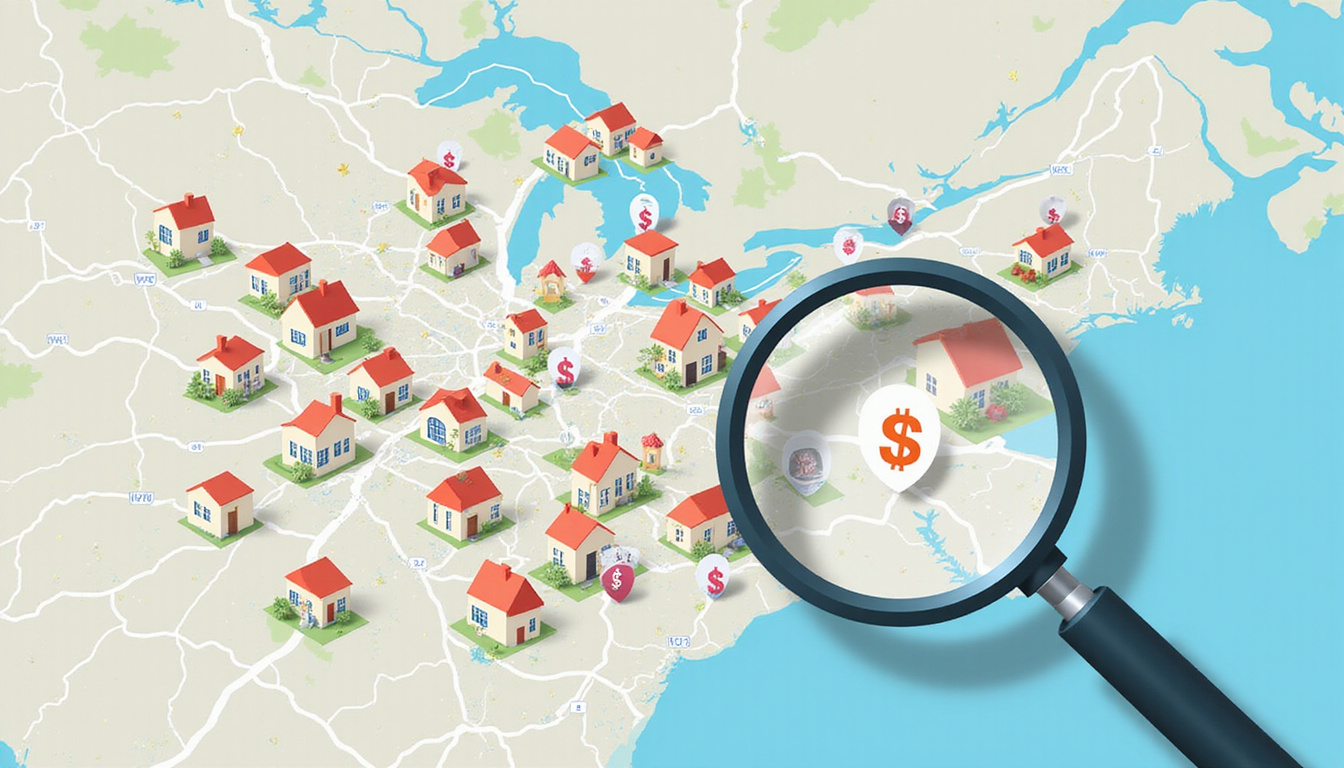
4. Analyze Tenant Demand and Rental Competition
Even in a great neighborhood, not every building is equal. You want investment properties that align with what tenants in that area actually want.
Research Local Rental Demand
- Check online rental portals: How many similar units are listed? How long do they stay on the market?
- Call or visit local agents: Ask which property types rent the fastest and which price bands are oversupplied.
- Speak to local property managers: They know which neighborhoods have waiting lists or chronic vacancies.
Understand Your Target Tenant
A high-yield property is one that appeals strongly to a specific, stable tenant group:
- Near universities: Compact, affordable units suitable for students.
- Near business districts: Modern apartments with good internet and secure parking.
- Family neighborhoods: 2–3 bedroom units near parks, schools, and shops.
The closer your property matches your ideal tenant’s needs and budget, the lower your vacancy risk and the more consistent your cash flow.
For a real-world sense of what daily life and practical costs look like, you may find this video insightful:
5. Evaluate the Property Itself: Features That Drive Yield
Once you’ve confirmed the location and demand, scrutinize the specific property. Some features consistently help investment properties generate higher returns and lower headaches.
Desirable Features for High-Yield Rentals
Look for:
- Functional layouts (no wasted corridors or unusable rooms)
- Durable, low-maintenance materials (tiles, quality paint, solid fixtures)
- Good natural light and ventilation
- Secure entry and safe surroundings
- Parking options (where car ownership is common)
- Reasonable service charges / HOA or building fees
Avoid properties that will be expensive to maintain or have features tenants don’t value enough to justify higher rent.
Renovation Potential
Some of the best high-yield opportunities are “cosmetic fixers”:
- Kitchens and bathrooms that are outdated but structurally sound
- Properties needing painting, flooring updates, or basic repairs
- Underutilized spaces (e.g., an extra small room that can be turned into a functional bedroom or home office)
If you can improve rent significantly with relatively low upgrade costs, you may boost both yield and capital value.
6. Stress-Test the Numbers: Accounting for Risk
Many investors underestimate ongoing costs and overestimate rent. Stress-testing protects you from nasty surprises.
Build in Conservative Assumptions
When analyzing a potential deal:
- Assume slightly lower rent than the top of the current market.
- Include vacancy of at least a few weeks per year.
- Budget more than you think for maintenance (older buildings may need 8–10% of rent for upkeep).
- Factor in property management fees, even if you plan to self-manage at first.
Then ask: Does this property still produce acceptable cash flow and yield under conservative numbers?
Consider Legal and Regulatory Risk
High-yield investment properties can quickly become poor performers if:
- New rent controls limit your ability to raise rents with inflation.
- Short-term rental regulations tighten, cutting your expected income.
- Taxes increase on rental income or capital gains.
Before buying, understand:
- Local tenancy laws
- Eviction processes
- Tax rules on rental income and property sales
- Any special rules for foreign buyers (if applicable)
7. Using a Simple Checklist to Compare Opportunities
To stop emotions from overpowering analysis, use a consistent checklist for every property you view.
You might rate each potential purchase from 1–5 on:
- Location desirability (for your target tenant type)
- Accessibility (transport, key amenities)
- Building condition and maintenance
- Net yield based on conservative estimates
- Cash-on-cash return
- Vacancy risk
- Regulatory/tax environment
- Renovation or value-add potential
Even a simple scoring system helps you compare multiple investment properties objectively and narrow your focus to the strongest prospects.
8. Financing Smartly to Enhance Yield
How you finance can significantly impact the performance of your rental.
Match Loan Terms to Strategy
- Long-term “buy and hold”? Fixed-rate, longer-term loans can give stability.
- Shorter-term value-add play? You may opt for more flexible terms even if the rate is slightly higher.
Always calculate:
- What happens to cash flow if interest rates rise (if you have a variable-rate loan)?
- Your loan-to-value ratio (LTV) and whether you’re overleveraged.
- The impact of any early repayment charges if you plan to refinance.
High-yield properties can be undermined by poor financing decisions, so check numbers with a mortgage advisor or financial planner if you’re unsure.
9. When to Walk Away, Even If the Yield Looks Great
Sometimes a property offers extremely high projected returns but isn’t worth the risk.
Red flags that may justify walking away:
- The yield is far above the local norm with no clear, sustainable reason.
- Major structural issues, legal disputes, or title problems.
- The area relies heavily on a single employer or industry at risk of decline.
- Crime rates or social issues are increasing sharply.
- You cannot get reliable, recent rent and sales comparables.
True high-yield investment properties balance attractive numbers with manageable, understandable risks.
FAQ: Common Questions About High-Yield Investment Properties
Q1: How do I find the best places to buy investment property for rental income?
Look for areas with strong population and job growth, good transport links, and constrained housing supply. Then narrow down to neighborhoods with low vacancy, stable or rising rents, and amenities your target tenants value. Local agents, government data, and rental portals are key tools.
Q2: What is a good rental yield for real estate investment properties?
A good rental yield depends on your country, city, and risk tolerance, but many investors target gross yields of 7–10% and net yields that comfortably beat mortgage rates and inflation. Always focus on net yield (after expenses) rather than just gross.
Q3: Are high-yield rental investment properties always the best choice?
Not necessarily. Very high yields can sometimes mean higher risk—poorer locations, weaker tenant profiles, or significant repair issues. Balanced opportunities with moderate yields, strong tenant demand, and lower risk are often better for long-term wealth building.
Turn Knowledge Into Action: Start Evaluating Deals Today
High-yield investment properties aren’t found by luck; they’re identified through disciplined research, careful location analysis, and honest number-crunching. You now know how to:
- Define a strategy that fits your goals.
- Use yield, cash flow, and cash-on-cash return to evaluate deals.
- Focus on locations and properties with strong, sustainable tenant demand.
- Stress-test your assumptions and walk away from risky opportunities.
The next step is to apply this framework: pick a target area, gather data, and start running the numbers on actual listings. If you’d like, share a property’s price, expected rent, and basic details, and I can help you break down its yield, cash flow, and risk profile so you can decide with confidence.