
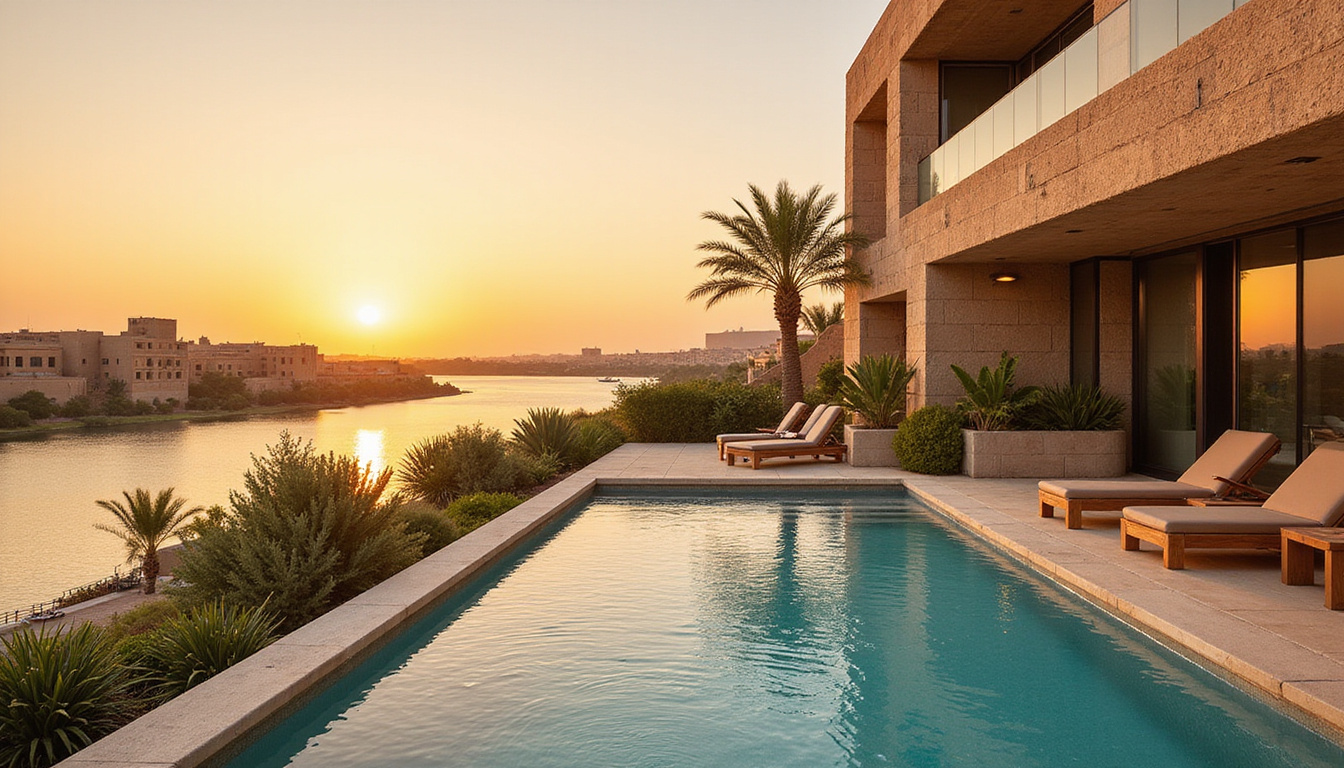
Luxor apartments are quickly becoming one of Egypt’s most compelling real estate opportunities. Blending affordable luxury, a relaxed lifestyle, and unrivaled access to ancient history, Luxor offers a unique alternative to crowded cities like Cairo or expensive resort hubs like Sharm El Sheikh and Hurghada. Whether you’re an expat, retiree, digital nomad, or investor, Luxor’s apartment market deserves a closer look.
In this guide, you’ll learn how the Luxor apartments market works, what different neighborhoods feel like, typical prices, ownership rules, and practical tips for choosing the right property.
Why Luxor apartments are gaining attention
Luxor is often called the “world’s greatest open-air museum” thanks to landmarks like Karnak Temple, Luxor Temple, the Valley of the Kings, and the Valley of the Queens. But beyond being a tourist magnet, Luxor has evolved into:
- A peaceful, mid-sized city with a strong local community
- A riverside destination with stunning Nile views
- A place where apartment prices remain low compared to other Egyptian hotspots
Key reasons people are looking at Luxor apartments:
- Value for money – You can often buy a spacious, well-finished apartment for the price of a small studio on the Red Sea.
- Calmer lifestyle – Fewer crowds, less traffic, and a slower pace than Cairo or Alexandria.
- Rich culture – Daily life surrounded by temples, felucca boats, and traditional markets.
- Tourism income potential – Consistent demand for short-term rentals during the high season.
For background on daily costs, this video is a useful reality check on what your budget can get you across Egypt:
The main areas to consider for Luxor apartments
Luxor is divided broadly into the East Bank and West Bank of the Nile. Both sides have apartments, but the feel and typical buyer are different.
East Bank: Urban convenience and central location
The East Bank is the “city side” with more services, banks, hospitals, and government offices. It’s also where Luxor Temple and Karnak Temple are located.
Popular East Bank districts for apartments:
City Center / Corniche
- Close to the Nile promenade (Corniche), cafes, restaurants, and shops.
- Ideal for those who want to walk everywhere.
- Higher prices due to central location and potential Nile views.
Karnak area
- Residential neighborhoods near the Karnak Temple complex.
- Mix of locals and expats, with a quieter feel than the immediate city center.
- Good value for modern units, often in low-rise buildings.
Airport Road & outskirts
- Newer developments, more space, and some gated or semi-gated compounds.
- Easier parking and larger apartments, often at competitive prices.
Who suits the East Bank?
People who want easy access to services, prefer a more “city-like” environment, or plan to live in Luxor year-round often choose East Bank apartments.
West Bank: Quiet, green, and close to the tombs
The West Bank is historically the necropolis side, home to the Valley of the Kings, Valley of the Queens, and many tombs and temples. It has become a semi-rural, laid-back residential area with a strong expat presence.
Key West Bank areas for apartments:
Ramla (El Ramla)
- Popular with foreigners thanks to its Nile views and quiet streets.
- Many small apartment buildings and guesthouses.
- Excellent for those interested in short- and medium-term rentals.
Gezira (El Gezira)
- A lively village with shops, cafes, and easy ferry access to the East Bank.
- Strong local community mixed with long-term foreign residents.
- Good selection of budget and mid-range apartments.
Rural fringes (e.g., near Habu, Old Qurna)
- More village-like, surrounded by fields and palm groves.
- Suitable for those seeking complete calm and lower prices.
- Infrastructure can be less developed, so viewing in person is essential.
Who suits the West Bank?
Buyers or renters looking for tranquility, greenery, and a more traditional lifestyle, often with larger balconies and roof terraces, tend to favor West Bank Luxor apartments.
Typical prices for Luxor apartments (buying & renting)
Prices change with the market, finishes, and exact location, but Luxor remains one of Egypt’s more affordable cities for real estate. These are approximate ranges in USD-equivalent to give you an idea (actual prices will be in Egyptian pounds and fluctuate with the exchange rate).
Buying Luxor apartments
Budget studio (West Bank or non-central East Bank)
- From around $15,000–$25,000
- Basic finishes; may need some renovations.
1–2 bedroom apartment (good residential area)
- Typically $25,000–$60,000
- Can include balconies, partial Nile views depending on floor and location.
Larger or luxury apartment (Nile view, prime Corniche or Ramla)
- $60,000–$120,000+
- High-quality finishes, better building standards, occasionally in small private blocks with shared rooftop or garden.
Remember: direct Nile-front properties or rare penthouses can exceed these ranges significantly.
Renting Luxor apartments
For long-term rentals (monthly):
- Basic local apartment: from about $150–$250/month
- Well-furnished 1–2 bedroom in a popular expat area: $250–$500/month
- Premium or Nile-view apartment: $500–$900+/month
Short-term rentals (nightly or weekly) vary widely according to season. High season (especially winter) can bring strong returns for well-located, well-furnished Luxor apartments, particularly on the West Bank and near the Corniche.
Ownership rules for foreigners in Luxor
Egypt allows foreigners to purchase property, including Luxor apartments, but there are a few key points to understand:
- Number of properties – Foreigners are generally allowed to own up to two properties in Egypt, with a maximum size per property (often cited around 4,000 m², though you should verify current rules with a local lawyer).
- Freehold vs. other structures – In most residential situations, you’ll be buying freehold ownership of the apartment and a share of the land under the building.
- Registration – You’ll need to go through the legal registration process, which can take time and requires a lawyer who understands the specific procedures in Luxor.
- Inheritance & resale – Buyers often structure ownership with inheritance in mind. Consult a lawyer to ensure your property can be smoothly passed on or sold.
For a broader overview of property rights and the legal environment for investors in Egypt, see the World Bank’s investment and business climate resources (source: World Bank – Investing in Egypt).
What to look for when choosing among Luxor apartments
Not all units are created equal. When you’re evaluating apartments in Luxor, pay attention to more than just the view.
Here are important factors to check:
Location & access
- Distance to ferry or bridge if you’ll be moving between East and West Banks.
- Street width and access for taxis or deliveries.
- Proximity to supermarkets, pharmacies, and clinics.
Building quality
- Age and structural condition of the building.
- Staircases (many buildings have no elevator).
- Quality of tiles, plumbing, doors, and windows.
Water & electricity
- Reliability of supply (water pressure and power cuts can vary by area).
- Availability of water tanks and pumps.
- Separate meters for your unit.
Ventilation and sunlight
- Orientation for sun exposure—important in Luxor’s hot climate.
- Cross-ventilation for natural cooling and air quality.
Legal documentation
- Clear title, building license, and up-to-date property tax or municipality documents.
- Confirm there are no disputes or unregistered extensions.
Community and noise
- Daytime and nighttime noise levels.
- Type of neighbors (families, guesthouses, mix of locals and foreigners).
Potential for renting out
- If you plan to do holiday lets, check demand in that micro-location and building rules regarding short-term tenants.
Pros and cons of living in Luxor apartments
To help you decide whether this ancient city fits your lifestyle, consider the following:
Advantages
- Affordability – Both purchase and rental prices are lower than in many other Egyptian hubs.
- Cultural immersion – Everyday life surrounded by some of the world’s most famous ancient sites.
- Low-rise, open feel – Compared to high-density cities, many Luxor apartments are in small buildings with rooftop spaces.
- Community atmosphere – Especially on the West Bank, where residents often know each other and expats integrate into local life.
- Tourism-related income – Potential to let your apartment during the high season.
Disadvantages
- Summer heat – Luxor is extremely hot in summer; good insulation and air conditioning matter.
- Limited big-city amenities – Fewer malls, international schools, and specialist healthcare services than in Cairo or Alexandria.
- Seasonal tourism – Some businesses and rental demand are highly seasonal.
- Bureaucracy – Paperwork for property registration and utilities can be slow and confusing without a good local agent or lawyer.
Step-by-step: How to approach buying or renting in Luxor
To navigate the Luxor apartments market smartly, consider this structured approach:
Define your purpose
- Holiday home, retirement base, full-time residence, or investment?
- This will shape your ideal area and budget.
Decide on East Bank vs. West Bank
- Visit both sides, ideally at different times of day.
- Take the local ferry to get a feel for the crossing if you plan to live on the West Bank.
Set a realistic budget
- Include purchase price or deposit, legal fees, basic furnishings, and any renovation costs.
- If buying, factor in currency fluctuations and bank transfer fees.
Shortlist neighborhoods and buildings
- Walk the streets, check noise levels, and test access to shops and transport.
- Talk to locals and long-term expats about their experience living there.
Work with reputable professionals
- Use a trusted lawyer experienced with foreign buyers.
- Deal with recommended agents or owners; verify references when possible.
Inspect multiple Luxor apartments
- Never buy based solely on photos.
- Visit more than once; check water pressure, electricity, and mobile coverage.
Negotiate and formalize
- Negotiation is expected in Egypt.
- Once you agree on a price, your lawyer should prepare or review all contracts, handle registration, and guide you through payment procedures.
Who are Luxor apartments best suited for?
Luxor can be a perfect fit for certain types of buyers and tenants:
- Retirees – Those seeking a warm climate, low living costs, and a relaxed pace.
- History lovers – Anyone passionate about Egyptology or archaeology will never run out of things to explore.
- Digital nomads and remote workers – People who can work from anywhere and want a calmer base than major capitals (you should, however, confirm internet speeds in specific buildings).
- Investors with a medium- to long-term view – Buyers interested in modestly priced properties with rental potential, especially near popular tourist routes.
If you need international schools, top-tier private hospitals, or a big nightlife scene, Luxor may feel limited. But as a second home, winter base, or peaceful primary residence, it can be ideal.
FAQ about Luxor apartments and living in Luxor
1. Are Luxor apartments a good investment for foreigners?
Yes, many foreigners find Luxor apartments attractive due to low entry costs and seasonal rental demand from tourists and long-term visitors. The best investment potential is typically in well-located units near the Nile, in Ramla, Gezira, or along the East Bank Corniche. Always conduct due diligence on legal title and building quality before committing.
2. How much does it cost to live in an apartment in Luxor, Egypt?
Living costs in a typical Luxor apartment are generally lower than in Cairo or coastal resorts. Besides rent or mortgage payments, you’ll spend on electricity (especially if you use air conditioning heavily), water, internet, groceries, and transport. A single person can often live comfortably on a modest budget if they choose a reasonably priced neighborhood and manage electricity usage.
3. Is it better to rent or buy an apartment in Luxor as an expat?
If you’re new to the city or Egypt in general, many expats start by renting a Luxor apartment for six to twelve months. This gives you time to understand neighborhoods, climate, and daily life before deciding where to buy. Once you’re confident about your preferred area and budget, buying can make sense for long-term stays or if you plan to generate rental income.
Take the next step toward your Luxor apartment
Luxor offers a rare combination: affordable property prices, a serene Nile-side lifestyle, and front-row access to some of the world’s greatest ancient monuments. Whether you’re dreaming of a balcony overlooking palm trees and feluccas, a quiet base near the tombs on the West Bank, or a central city apartment close to shops and services, there is a Luxor apartment that can match your plans and budget.
If this ancient city’s rhythm and value appeal to you, start by shortlisting a few target areas, lining up reputable agents and a lawyer, and planning a visit to walk the streets and tour available units in person. The sooner you explore the Luxor apartments market on the ground, the sooner you’ll know if this unique corner of Egypt is the right place to call home—or your next smart investment.