
H1: Crewwed Dahabiya Cruises: Luxurious Nile Journeys Off the Beaten Path
Introduction: why choose a Crewed Dahabiya
If you seek a slow trip along the Nile, a crewed dahabiya invites you to explore simply. This small boat, with its own crew, mixes a time-honored design and modern comforts. It ferries small groups between Luxor and Aswan. The boat stops at quiet shores and hidden spots on the bank. You get a private guide and fresh meals. This method lets you see ancient sites and live culture without large crowds.
H2: What is a Crewed Dahabiya? The ship, the crew, the experience
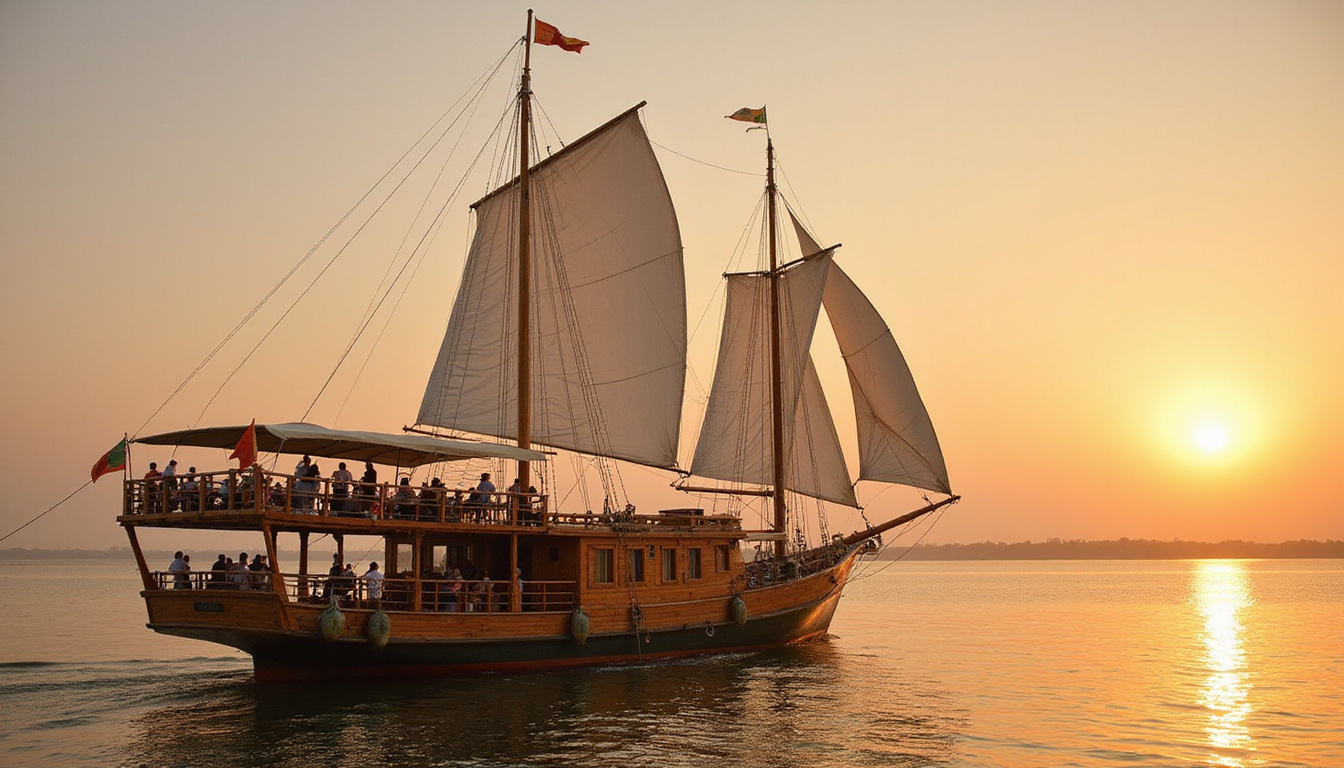
A dahabiya rests low in the water and uses lateen sails. Today, its familiar shape hides modern comforts. It has 3–8 cabins, each with its own bath. A skilled captain steers the boat, and a cook and helpers care for you. You find a dining space, a shaded deck with loungers, and sometimes a small pool. Guests can choose a guided visit or a personal guide.
Because the boat stays small, its plan can change. You may pause at a hidden temple, ride ashore to see a village, or drop anchor for a sunset meal by the river. The service feels as warm as that of a private floating home.
H2: Top attractions on a dahabiya route
H3: Luxor to Aswan — the classic passage
• Karnak and Luxor Temples: Visit these early in the day when the crowds are low.
• Valley of the Kings: See tombs; some entries need a guide.
• Kom Ombo and Edfu: Stop at smaller temples for calm visits.
• Philae Temple and the unfinished obelisk near Aswan: Enjoy these sites in the late afternoon.
H3: Off-the-beaten-path experiences
A crewed dahabiya brings you to quiet sites and local life.
• The boat may dock at a small Nubian village. In that village, you can share a home meal and shop for local fabrics.
• You might anchor overnight near a humble riverside farm and look up at sparkling stars.
• A brief tender ride can bring you to a hidden temple or ruins.
(Image suggestion: panoramic photo of a dahabiya moored at sunset. Alt text: Crewed dahabiya anchored on the Nile at sunset.)
H2: Food, service, and onboard life
Meals onboard stand out as a key delight. The boat usually has a skilled cook who makes Egyptian dishes like koshari, molokhia, and ful medames. The cook also prepares fresh grilled fish, seasonal salads, or international meals on request. Meals come served outdoors. You enjoy menus planned just for you, fresh bread and juices made daily, easy mornings, social lunches, and soft candlelit dinners under the stars.
The crew works as a team. The captain drives and drops the boat at stops. The cook fills you with good food and the helpers tend to you. Some boats supply an English-speaking guide, while others let you choose an expert from the shore.
H2: Practical travel logistics and costs
H3: Booking, visas, and travel planning
• Flights: Most visitors take flights to Luxor or Aswan via Cairo. Domestic flights are common.
• Visas: Many travelers use the Egyptian e‑visa system. Please check the official site for details (source: https://www.egypt.travel/).
• Transfers: Many operators include airport rides and guided shore trips.
H3: How much does a crewed dahabiya cost?
Prices change with season, trip length, and boat type. For a mid-range boat with 3–5 cabins, expect about USD 250–600 per person each night (double occupancy). For a high-end boat with extra crew or special add-ons, prices can reach USD 700–1,500+ per person per night. These prices often include meals, the crew, fuel, and stops. Tours, entrance fees, or tips come on top. Booking directly with trusted providers may cut extra fees. You may also use experts in Nile cruises for custom plans.
H2: Seasonal advice and safety
H3: Best time to visit
The best months run from October to April, when temperatures stay between 68°F and 86°F (20–30°C). In the summer, between June and August, it often feels very hot in Upper Egypt.
H3: Safety and comfort tips
• Health: Pack sunscreen, a small first-aid kit, and any required medicines. Use bottled or purified water.
• Security: The Nile route is safe when you travel with registered guides. Follow local advice at all stops.
• Cultural etiquette: Dress with shoulders and knees covered in conservative areas. Ask before you photograph a local person. Learning basic Arabic greetings such as "salām alaikum" and "shukran" goes a long way in showing respect.
H2: Cost-saving tips and how to get the most value
- Travel in shoulder seasons (Oct–Nov or Mar–Apr) for lower prices and stable weather.
- Book a longer cruise (5–7 nights) to spread costs and experience more local life.
- Ask for a tour package that mixes guides and entrance fees into a single price.
- Agree on fees for private guides ahead of time to avoid extra expenses.
- Consider traveling with friends and sharing a full boat charter for lower cost per person.
H2: Living like a local — culture, tipping, and interactions
On a crewed dahabiya, you meet many local people.
• Tipping: It is common to tip the crew. Plan for about 10–20 USD per person per day for the boat staff. Guides may receive around 10–15 USD per person per day.
• Shopping: When you shop in markets, haggle with care. Small shops value a fair offer.
• Interaction: Ask before visiting a home or a private space. Accept any hospitality with both hands. A small gift like school supplies or a simple keepsake is often welcome.
H2: What to pack for a dahabiya cruise
• Lightweight, breathable clothes and a light jacket for cool evenings
• Comfortable shoes for temple visits and short boat rides
• Sun protection: a hat, sunglasses, and high-SPF sunscreen
• A reusable water bottle with purifier tablets or a filter
• A camera, portable charger, and binoculars for birdwatching
Bulleted quick checklist:
• Passport, printed e‑visa, and travel insurance
• Sun hat and sunblock
• Lightweight long-sleeve shirts for both sun safety and local respect
• Comfortable walking shoes
• A small daypack and swimwear
H2: Related resources and suggested links
For more planning details, visit Egypt’s official tourism website and the visa pages (source: https://www.egypt.travel/). For detailed itineraries and tips, check our Egypt itinerary guide (/blog/egypt-itinerary) and our packing and safety tips page (/travel-tips). For updates on visas and entry rules, visit the online Egyptian visa portal (https://visa2egypt.gov.eg/).
FAQ (schema-ready)
Q: What is a crewed dahabiya?
A: A crewed dahabiya is a small, sail-powered boat with its own captain, cook, and helpers that takes you on a private journey along the Nile between Luxor and Aswan.
Q: How much does a crewed dahabiya cruise cost?
A: Prices depend on the season, cruise length, and boat style—typically, costs range from about USD 250 to over 1,500 per person each night. Meals and crew service are often part of the cost, while tours and tips come in addition.
Q: Are crewed dahabiya cruises safe?
A: Yes. The Nile route between Luxor and Aswan is safe when you choose a certified operator. Always follow local guidance, bring travel insurance, and use approved guides for temple visits.
Conclusion and call to action
A crewed dahabiya cruise brings a calm pace, personal service, and a chance to meet the Nile up close. Whether you want a romantic week under the stars or a journey deep into history and culture, this cruise makes your trip clear and memorable. Ready to plan your Nile trip? Explore custom cruise options, compare paths, and book early for the best cabins. Share your plans or sign up for news and expert tips. We can also suggest guides and sample itineraries—ask us to help start your booking today.
Meta title (for SEO, CTR-focused)
Crewed Dahabiya Cruises — Luxury Nile Journeys & Hidden Temple Stops (Book Your Private Cruise)
Meta description (persuasive, ~150–160 chars)
Sail the Nile in style with a crewed dahabiya. Discover intimate temples, private shore visits, and personal service. Read tips, costs, and sample itineraries to book now.
Image & video suggestions per section
• Introduction: Hero image of a dahabiya sailing at dawn. Alt: "Crewed dahabiya sailing on the Nile at sunrise."
• Attractions: Gallery with images of Karnak, the Valley of the Kings, and a Nubian village. Alt: "Temple of Karnak lit by early sun."
• Food & onboard life: Photo of dinner on deck. Alt: "Alfresco dining aboard a crewed dahabiya."
• Logistics: Map showing the Luxor–Aswan route and stops. Alt: "Map of dahabiya route between Luxor and Aswan."
External authoritative source: Egypt’s official tourism website (source: https://www.egypt.travel/)